 WELCOME TO HANGZHOU FANTAI PLASTIC CO., LTD.
  0086-180 5608 2316
 sales@fentechfence.com
 English
  中文简体
中文简体

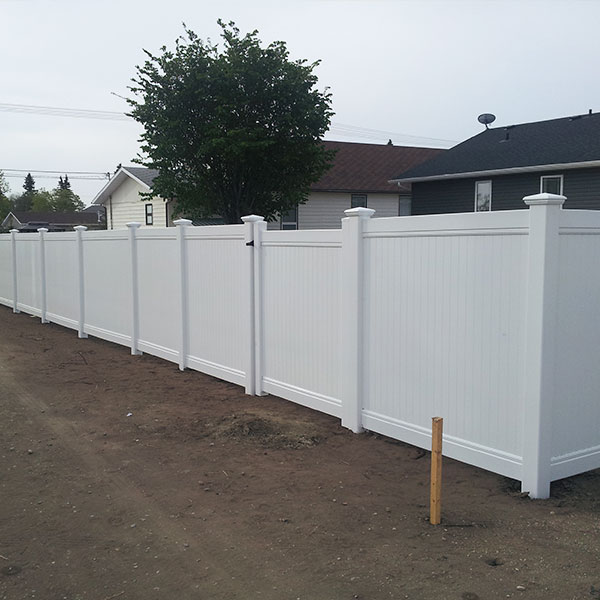
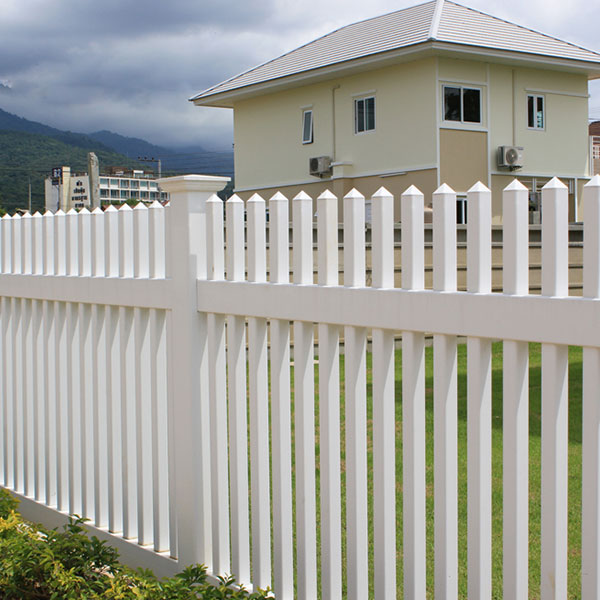
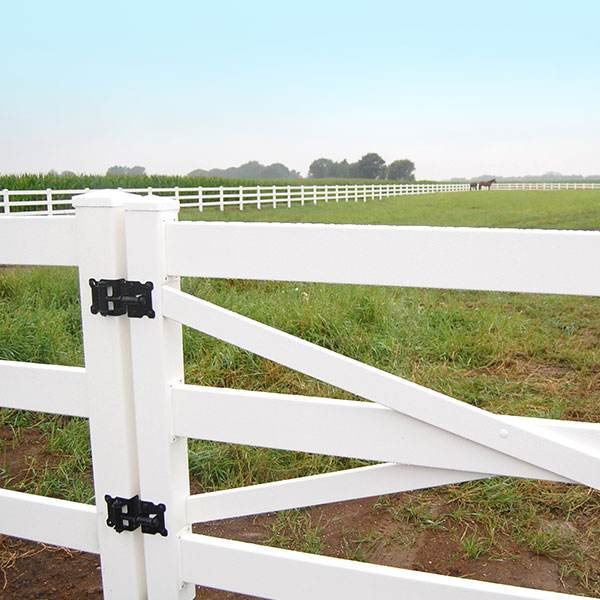
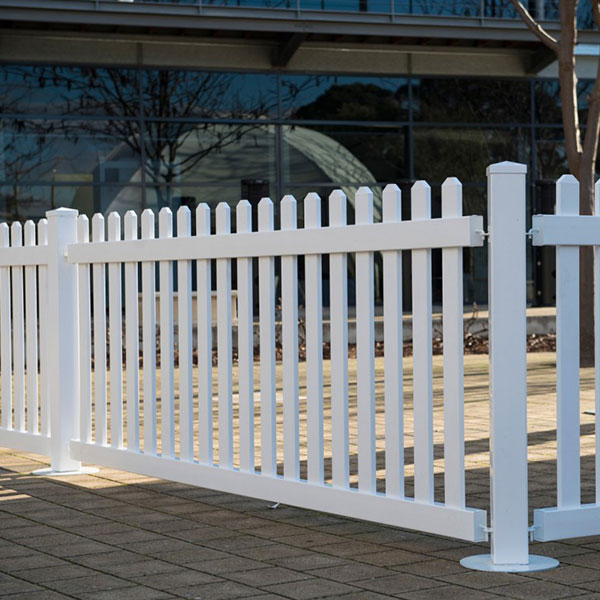

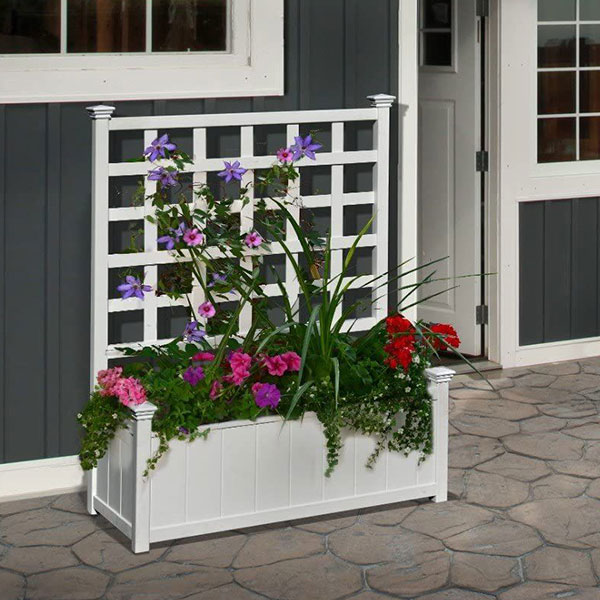
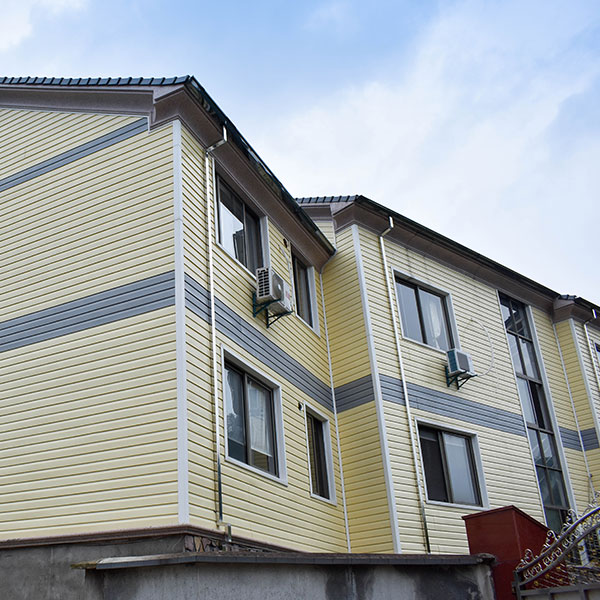
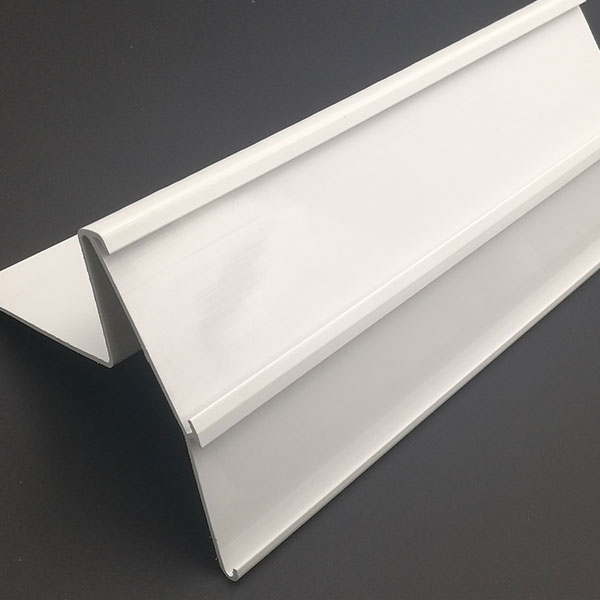
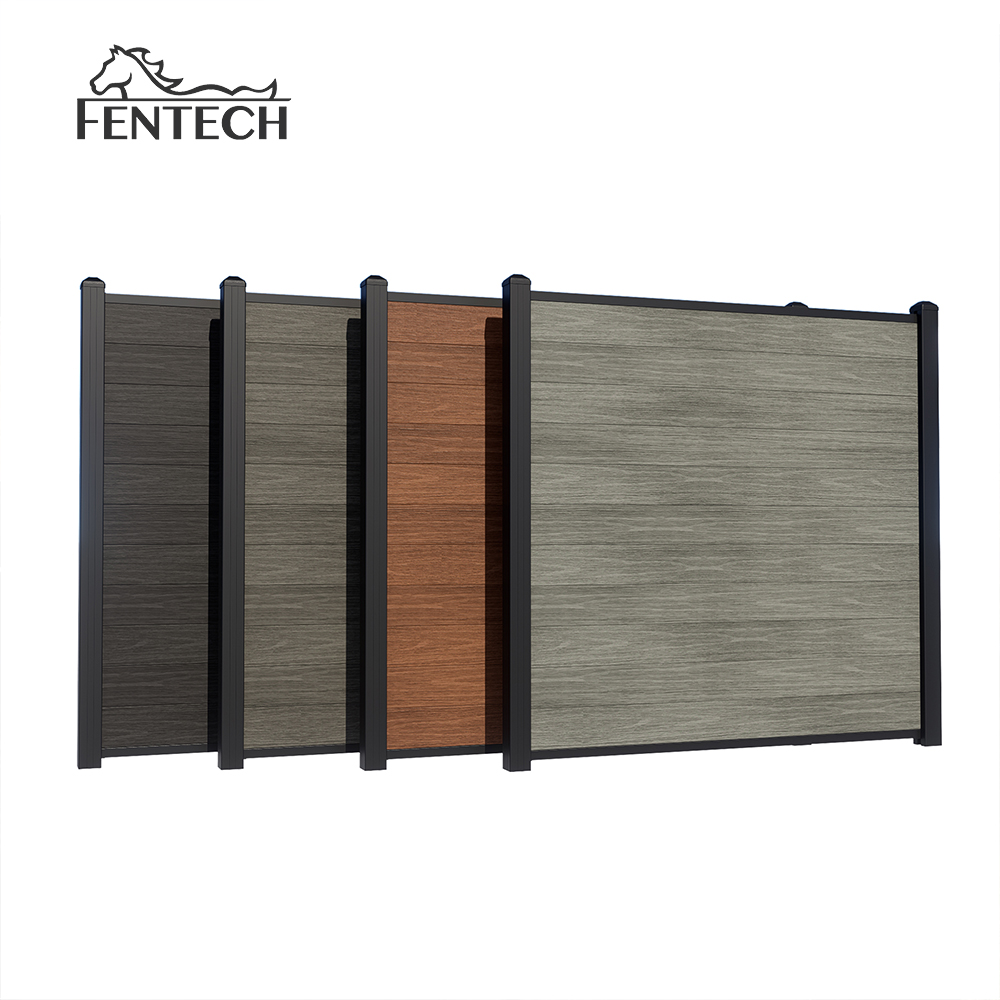
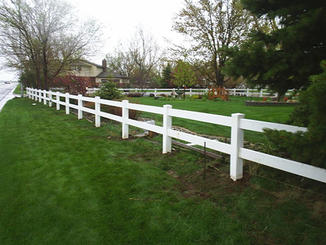
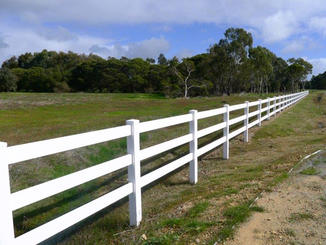
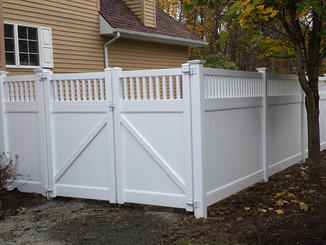
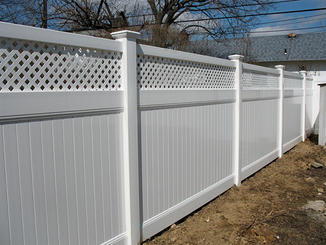
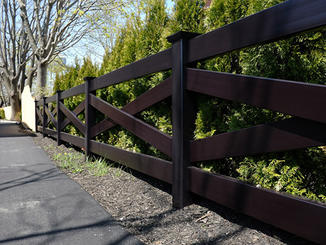

We are professional China Custom Vinyl Fence Manufacturers with fences virgin PVC/Vinyl material and UV Protected.
Content
- 1 Standard Spacing Guidelines for Plastic Fence Posts
- 2 Key Factors That Determine Post Spacing
- 3 Proper Installation Techniques for Plastic Fence Posts
- 4 Special Considerations for Gates and Corners
- 5 Common Mistakes to Avoid
- 6 Cost Implications of Post Spacing Decisions
- 7 Maintenance and Long-Term Performance
- 8 Professional vs. DIY Installation Considerations
For plastic fencing installations, fence posts should typically be spaced 6 to 8 feet apart for standard applications. This spacing provides optimal structural support while maintaining cost-efficiency. However, the exact distance depends on several factors including fence height, wind exposure, soil conditions, and the specific type of plastic fencing material being installed.
Understanding proper post spacing is crucial for creating a durable, attractive plastic fence that will withstand environmental stresses and serve its intended purpose for years to come.
Standard Spacing Guidelines for Plastic Fence Posts
The industry standard for plastic fence post spacing varies based on the fence type and purpose. Here are the recommended distances for common applications:
| Fence Type | Recommended Post Spacing | Maximum Spacing |
|---|---|---|
| Privacy Fence (6 feet tall) | 6-8 feet | 8 feet |
| Picket Fence (3-4 feet tall) | 6-8 feet | 10 feet |
| Ranch Rail Fence | 8 feet | 8 feet |
| Semi-Privacy Fence | 6-8 feet | 8 feet |
Most plastic fence manufacturers design their panels to fit 8-foot sections, making this the most common spacing choice. However, reducing spacing to 6 feet in high-wind areas or for taller fences significantly improves stability.
Key Factors That Determine Post Spacing
Fence Height and Wind Load
Taller fences create more surface area for wind resistance, requiring closer post spacing. A 6-foot privacy fence experiences approximately 30% more wind pressure than a 4-foot picket fence. For fences taller than 6 feet, reduce post spacing to 6 feet or less to prevent sagging and swaying.
Soil Conditions and Terrain
Soil composition directly affects post stability. Clay soils provide better holding power than sandy soils, potentially allowing for slightly wider spacing. On slopes or uneven terrain, posts should be placed closer together—typically reducing standard spacing by 1-2 feet—to compensate for the increased stress on fence sections.
Climate and Weather Exposure
Regions with frequent high winds, heavy snow loads, or extreme temperature fluctuations require reinforced installation. Areas experiencing wind speeds regularly exceeding 50 mph should use 6-foot post spacing regardless of fence height. Coastal areas facing salt spray and constant wind should consider even closer spacing of 5-6 feet for maximum durability.
Plastic Material Type
Different plastic fencing materials have varying flexibility and strength characteristics:
- Vinyl PVC fencing is relatively rigid and works well with 8-foot spacing
- Composite plastic fencing may require 6-foot spacing due to increased weight
- Recycled plastic lumber fencing benefits from closer spacing for heavy-duty applications
Proper Installation Techniques for Plastic Fence Posts
Post Hole Depth and Diameter
Regardless of spacing, plastic fence posts require proper depth for stability. The general rule is to bury one-third of the total post length underground. For a 6-foot tall fence, use 9-foot posts with 3 feet below ground. Post holes should be 3 times the post width in diameter, typically 10-12 inches for standard 4x4 posts.
Concrete Setting Requirements
Setting plastic fence posts in concrete ensures long-term stability. Use fast-setting concrete mixed to a thick consistency, filling the hole to within 2-3 inches of ground level. Allow 24-48 hours for curing before attaching fence panels. In freeze-thaw climates, extend concrete below the frost line—typically 36-48 inches deep—to prevent heaving.
Measuring and Marking Post Locations
Accurate measurement prevents installation problems. Begin by marking corner and gate post locations, then measure equal distances between them for line posts. Use a string line to ensure posts align properly. For an 8-foot spacing on a 100-foot fence line, you'll need 13 posts total (12 sections plus one end post).
Special Considerations for Gates and Corners
Gate Posts Require Reinforcement
Gate posts bear significantly more stress than line posts due to constant movement and weight. Install gate posts with larger diameter holes filled with more concrete—typically 12-14 inches wide. Consider using larger posts (6x6 instead of 4x4) or installing sister posts on both sides of the gate opening for gates wider than 4 feet.
Corner Post Spacing and Bracing
Corner posts experience pull from two directions and need extra support. Never exceed 6 feet from a corner post to the first line post, regardless of your standard spacing. Some installers add diagonal bracing or use heavier-gauge posts at corners to distribute stress effectively.
Common Mistakes to Avoid
Improper post spacing leads to fence failure and costly repairs. Here are critical errors to prevent:
- Spacing posts too far apart: Exceeding 8-foot spacing causes sagging panels and structural weakness, particularly noticeable within the first year
- Ignoring manufacturer specifications: Different plastic fence brands have specific spacing requirements; disregarding these voids warranties
- Inconsistent spacing: Varying distances between posts creates uneven stress distribution and visible panel misalignment
- Shallow post depth: Posts set less than one-third of total length underground will lean or fail within 2-3 years
- Neglecting local building codes: Many municipalities require permits and specify maximum post spacing; violations result in fines or fence removal
Cost Implications of Post Spacing Decisions
Post spacing directly affects project costs. Closer spacing increases material and labor expenses but provides superior longevity. Consider this cost comparison for a 100-foot fence:
| Post Spacing | Number of Posts | Estimated Additional Cost | Durability Rating |
|---|---|---|---|
| 8 feet | 13 posts | Baseline | Standard |
| 6 feet | 17 posts | +$200-300 | Enhanced |
| 5 feet | 21 posts | +$400-500 | Maximum |
While closer spacing increases upfront investment by 15-30%, it can extend fence lifespan by 5-10 years, making it cost-effective long-term, especially in challenging climates.
Maintenance and Long-Term Performance
Properly spaced plastic fence posts require minimal maintenance compared to wood alternatives. However, annual inspections help identify potential issues early:
- Check for post movement or tilting, especially after severe weather events
- Inspect concrete collars for cracking or separation from posts
- Verify panel attachments remain secure at connection points
- Clean accumulated debris from post bases to prevent moisture retention
Plastic fences with appropriate post spacing typically maintain structural integrity for 20-30 years with minimal intervention, while improperly spaced installations may show significant deterioration within 5-10 years.
Professional vs. DIY Installation Considerations
Determining post spacing is straightforward, but executing proper installation requires skill and appropriate tools. DIY installers can successfully complete plastic fence projects by following manufacturer guidelines and using quality equipment like post hole diggers, levels, and string lines.
Professional installation becomes advisable when dealing with challenging terrain, rocky soil, extensive fencing projects exceeding 200 linear feet, or situations requiring precise engineering calculations. Professional installers typically complete fence projects 50-70% faster than DIY efforts and provide warranties covering installation defects.
Whether choosing DIY or professional installation, adhering to proper post spacing guidelines ensures your plastic fence delivers decades of reliable performance, attractive appearance, and property value enhancement.
 No. 142 Xinxiqiao, Linan, Hangzhou City, Zhejiang Province, 311300, China
 0086-180 5608 2316
 sales@fentechfence.com