 WELCOME TO HANGZHOU FANTAI PLASTIC CO., LTD.
  0086-180 5608 2316
 sales@fentechfence.com
 English
  中文简体
中文简体

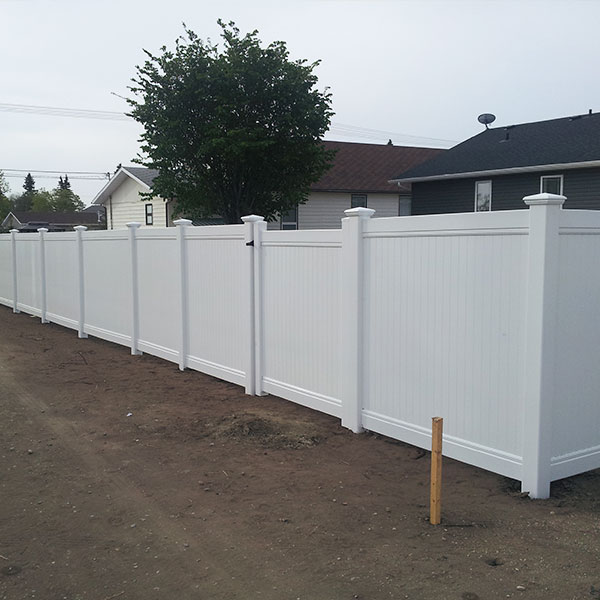
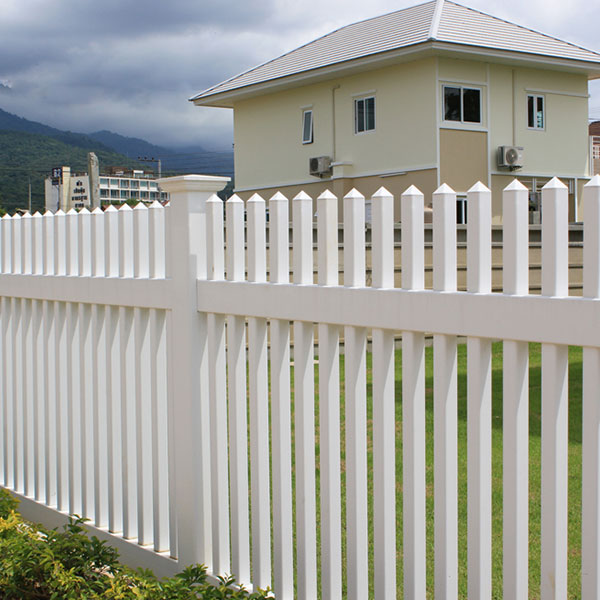
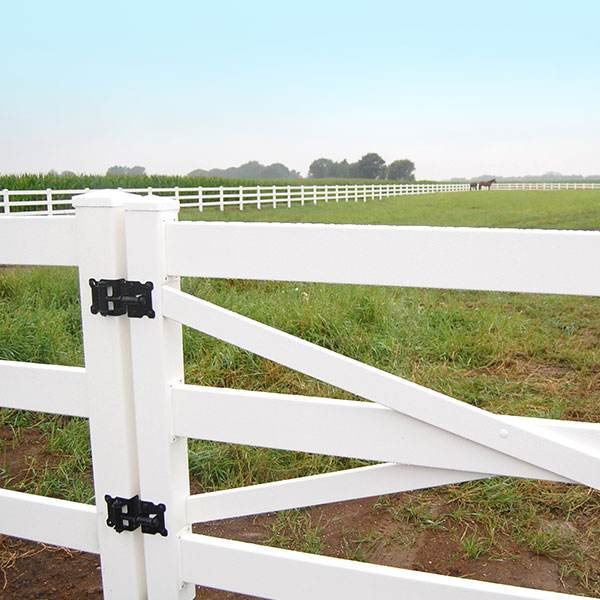
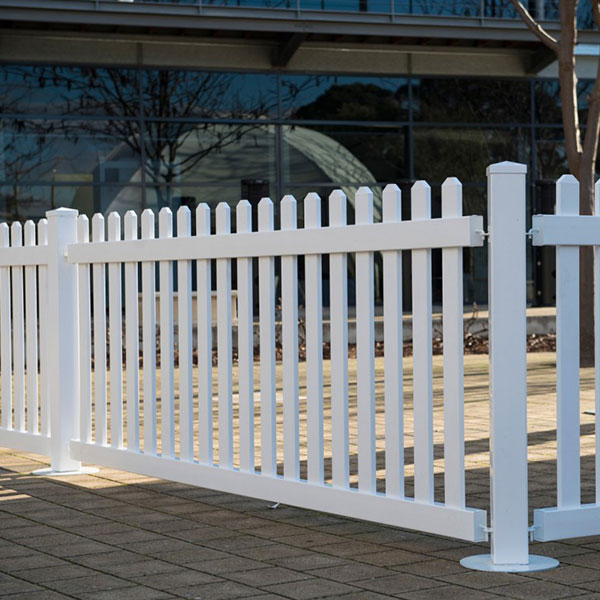
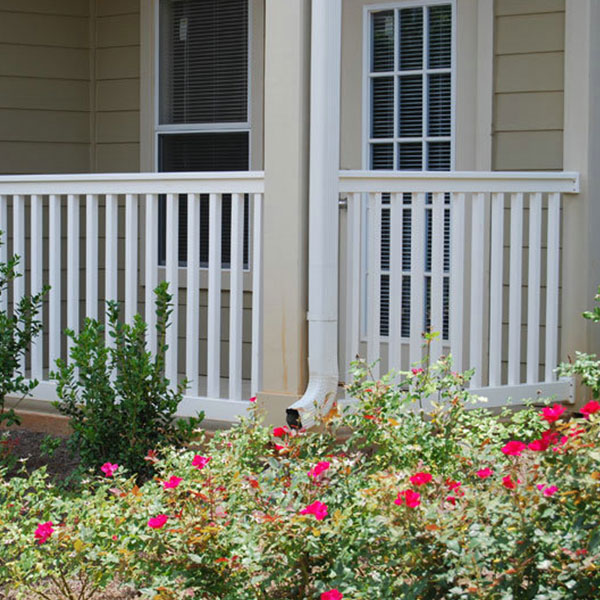
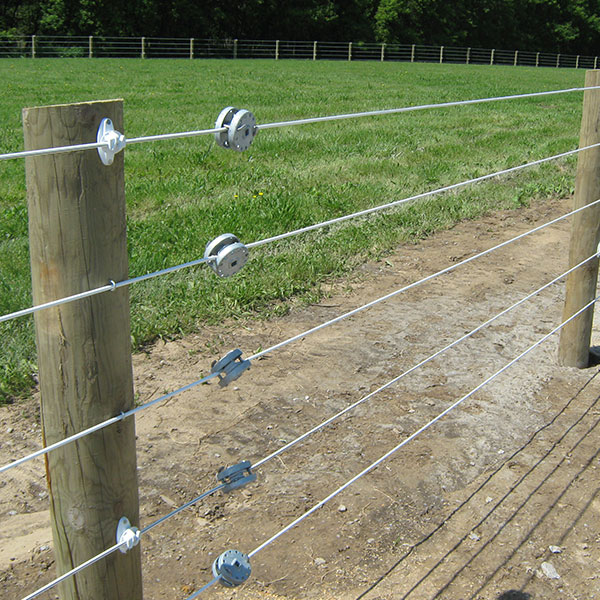
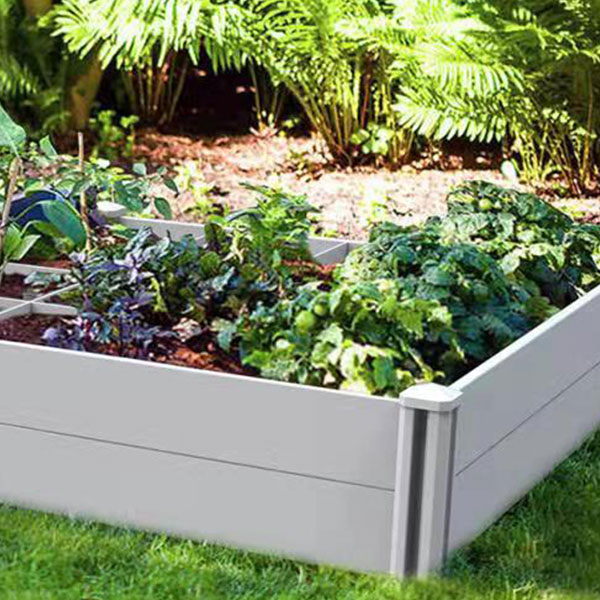

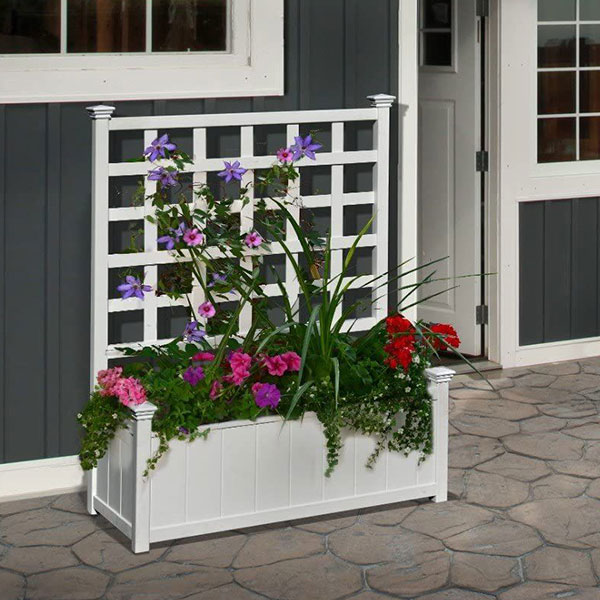
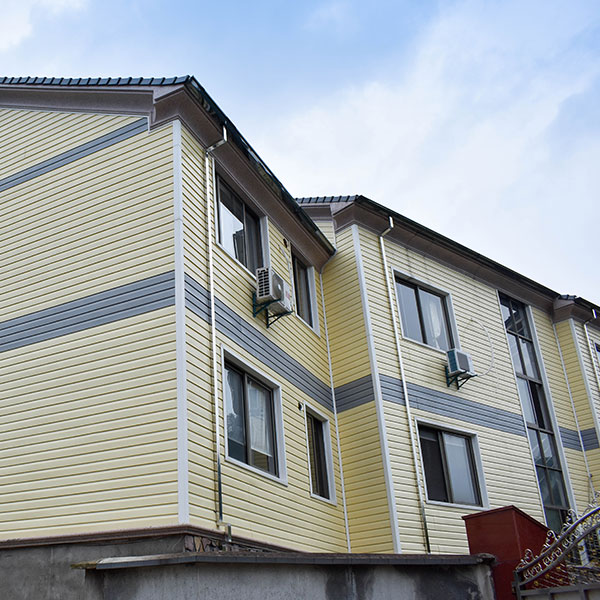
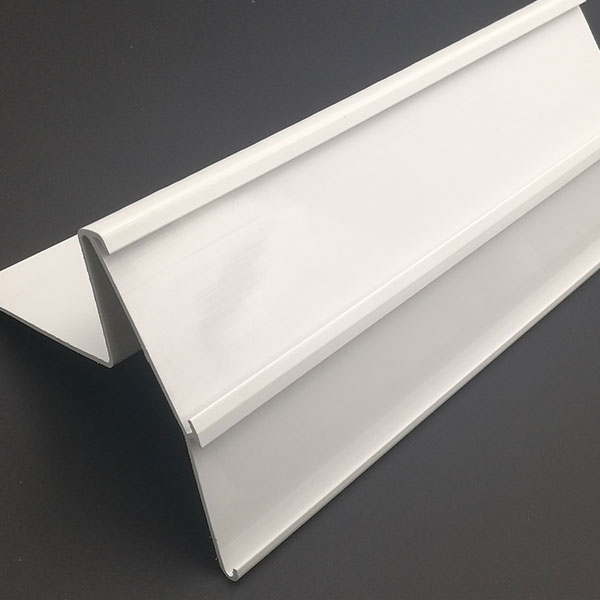
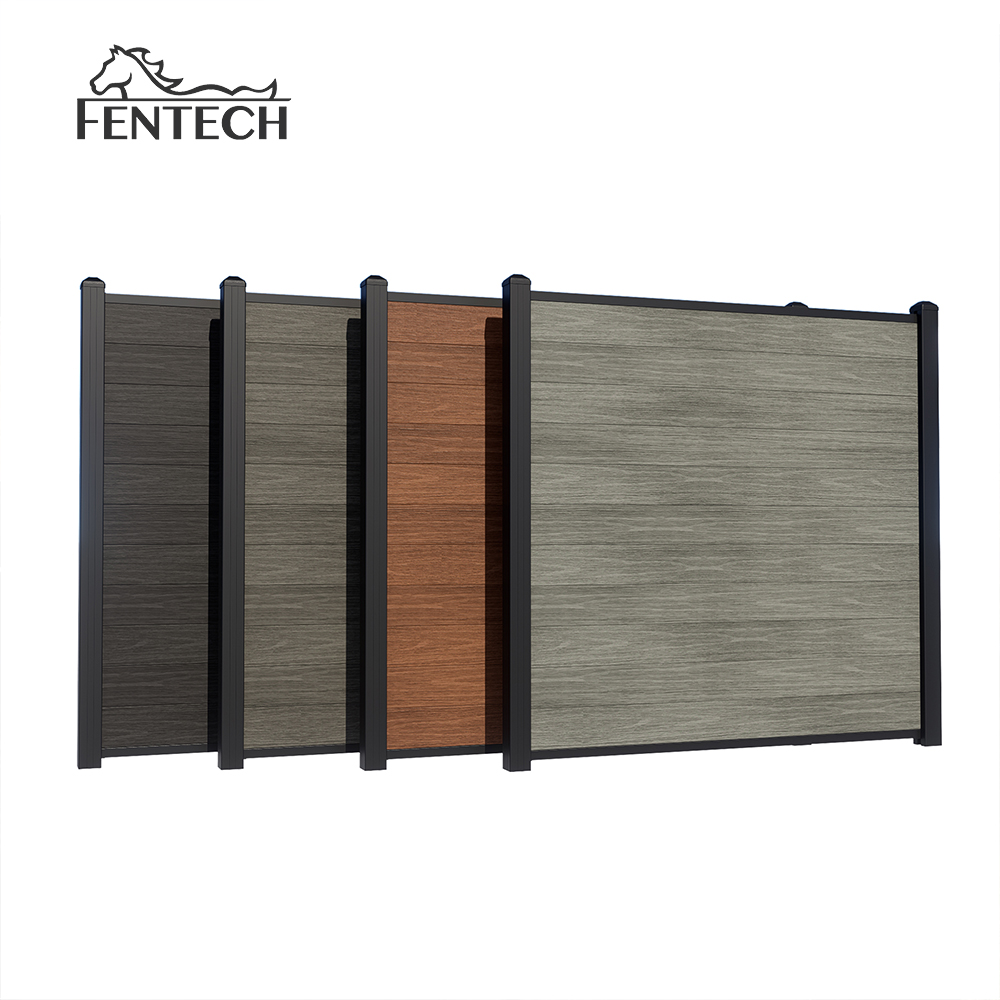
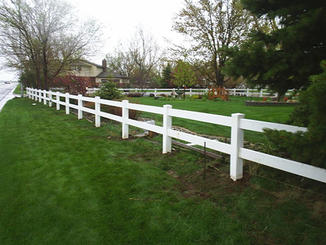
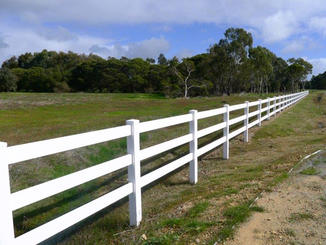
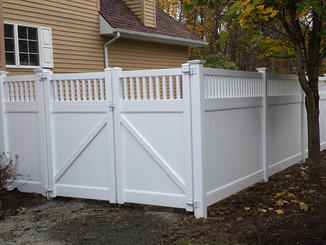
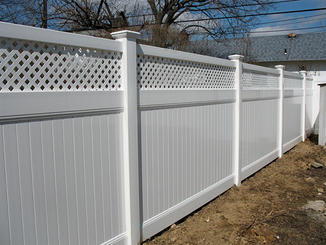
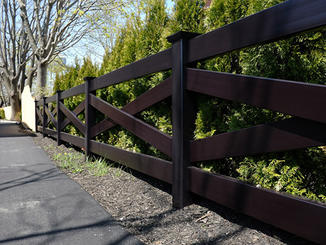
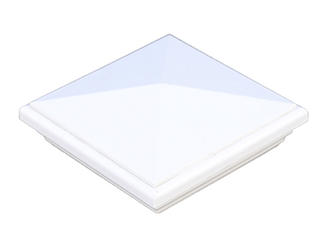
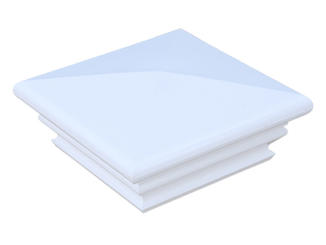
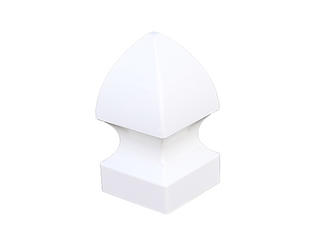

We are professional China Custom Vinyl Fence Manufacturers with fences virgin PVC/Vinyl material and UV Protected.
Content
- 1 Understanding What a Composite Fence Is and How It Is Made
- 2 Material Composition and Its Impact on Fence Performance
- 3 Common Composite Fence Styles and Structural Designs
- 4 Installation Considerations That Affect Longevity
- 5 Comparing Composite Fence to Traditional Wood Fencing
- 6 Resistance to Weather, Insects, and Moisture
- 7 Maintenance Practices That Preserve Appearance
- 8 Cost Structure and Long-Term Value Assessment
- 9 Environmental Considerations and Material Sustainability
- 10 Typical Applications in Residential and Commercial Settings
- 11 Evaluating Quality Before Purchase
- 12 Practical Expectations for Service Life and Aging
Understanding What a Composite Fence Is and How It Is Made
A Composite fence is manufactured from a blend of wood fibers and thermoplastic polymers, sometimes enhanced with stabilizers, pigments, and bonding agents. The goal of this combination is to retain the natural appearance of wood while addressing its weaknesses, such as moisture absorption, insect damage, and frequent maintenance. Unlike traditional timber fencing, composite boards are engineered for consistency, meaning each panel has uniform density, color distribution, and surface texture.
Most composite fencing products are produced through extrusion or compression molding. During this process, the raw materials are heated, mixed, and shaped into fence boards or rails. This controlled manufacturing method results in predictable performance characteristics, which is especially important for long fence runs where warping or uneven aging would be noticeable.
Material Composition and Its Impact on Fence Performance
The ratio of wood fiber to plastic significantly affects how a Composite fence performs in real-world conditions. Higher wood content typically improves surface texture and visual warmth, while higher plastic content enhances moisture resistance and dimensional stability. Manufacturers balance these elements differently depending on whether the fence is intended for decorative use, privacy applications, or high-exposure environments.
Additives such as UV inhibitors and color stabilizers are also critical. Without them, prolonged sun exposure can lead to fading or surface chalking. When evaluating products, understanding what additives are included can provide insight into how well the fence will age over time.
Common Composite Fence Styles and Structural Designs
Composite fencing is available in multiple structural formats to suit different functional needs. Privacy fences use interlocking boards or tongue-and-groove profiles to block sightlines, while semi-privacy designs incorporate narrow gaps for airflow. Decorative composite fences often mimic picket or slatted styles but with enhanced durability.
- Solid privacy panels for residential boundaries
- Horizontal slat designs for modern architecture
- Decorative panels for gardens and commercial landscaping
Installation Considerations That Affect Longevity
Proper installation plays a major role in how well a Composite fence performs over time. Posts must be anchored securely, often in concrete, to prevent movement caused by wind loads or soil shifting. Because composite materials expand and contract slightly with temperature changes, installers should follow recommended spacing guidelines between boards and posts.
Using compatible fasteners is equally important. Stainless steel or coated screws are commonly recommended to avoid corrosion staining. In some systems, hidden fasteners or aluminum channels are used to maintain a clean surface appearance while allowing controlled movement of the boards.
Comparing Composite Fence to Traditional Wood Fencing
When deciding between a Composite fence and a traditional wood fence, performance over time is often the deciding factor. Wood offers initial cost savings and natural aesthetics, but it typically requires staining, sealing, or painting every few years. Composite fencing, while more expensive upfront, reduces ongoing labor and material costs.
| Aspect | Composite Fence | Wood Fence |
| Maintenance | Low, occasional cleaning | Regular staining or sealing |
| Moisture Resistance | High | Moderate to low |
| Service Life | Long-term | Variable |
Resistance to Weather, Insects, and Moisture
One of the primary advantages of a Composite fence is its resistance to environmental stressors. Unlike wood, composite boards do not provide a food source for termites or other insects. The plastic component also limits water absorption, reducing the risk of rot, swelling, or cracking.
In regions with freeze-thaw cycles or high humidity, this resistance translates into more stable fence lines and fewer repairs. However, proper drainage around posts and adherence to installation guidelines remain essential.
Maintenance Practices That Preserve Appearance
Although composite fencing is considered low maintenance, it is not entirely maintenance-free. Periodic cleaning with water and a mild detergent helps remove dust, pollen, and surface residues. Avoid abrasive brushes or harsh chemicals, as they may damage the protective surface layer.
- Rinse panels with clean water once or twice a year
- Use soft brushes for stubborn dirt
- Inspect fasteners annually
Cost Structure and Long-Term Value Assessment
The initial investment in a Composite fence is generally higher than wood or chain-link alternatives. Costs are influenced by board thickness, surface finish, color options, and the complexity of the installation. However, when evaluated over a 15- to 25-year period, reduced maintenance expenses often offset the higher purchase price.
For property owners who value predictable upkeep costs and consistent appearance, composite fencing can represent a more stable long-term investment.
Environmental Considerations and Material Sustainability
Many composite fencing products incorporate recycled plastics and reclaimed wood fibers. This reduces landfill waste and decreases reliance on virgin timber. While composite materials are not biodegradable, their extended service life means fewer replacements and less resource consumption over time.
When evaluating environmental impact, it is helpful to consider the full lifecycle of the fence rather than only the raw materials.
Typical Applications in Residential and Commercial Settings
Composite fencing is widely used in residential yards, multi-family housing developments, and commercial landscapes. Its uniform appearance makes it suitable for projects where visual consistency is required across large areas. In commercial environments, durability and reduced maintenance demands are often prioritized.
For homeowners, composite fences are frequently chosen for privacy boundaries, pool enclosures, and garden partitions where long-term appearance matters.
Evaluating Quality Before Purchase
Not all composite fences perform the same. Board density, surface capping, and warranty coverage are practical indicators of quality. Thicker boards generally resist impact better, while capped surfaces offer improved stain and fade resistance.
Reviewing technical specifications and understanding installation requirements can help ensure the selected product aligns with site conditions and performance expectations.
Practical Expectations for Service Life and Aging
A well-installed Composite fence typically maintains its structural integrity for decades. Some color softening may occur in the first year as the material acclimates to sunlight, after which changes are usually minimal. Surface scratches can occur but are often less noticeable due to consistent coloration throughout the board.
Understanding these normal aging characteristics helps set realistic expectations and supports informed decision-making when selecting composite fencing solutions.
 No. 142 Xinxiqiao, Linan, Hangzhou City, Zhejiang Province, 311300, China
 0086-180 5608 2316
 sales@fentechfence.com