 WELCOME TO HANGZHOU FANTAI PLASTIC CO., LTD.
  0086-180 5608 2316
 sales@fentechfence.com
 English
  中文简体
中文简体

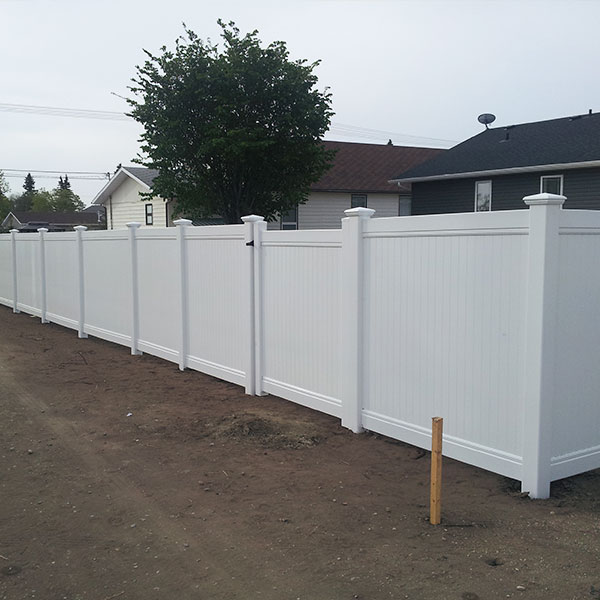

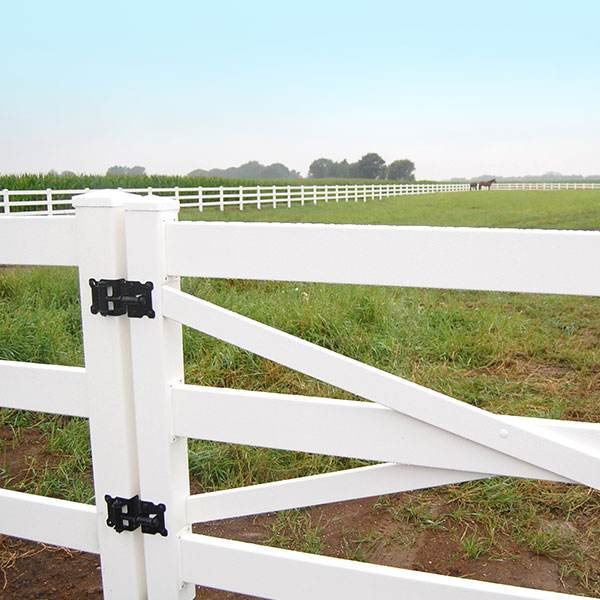








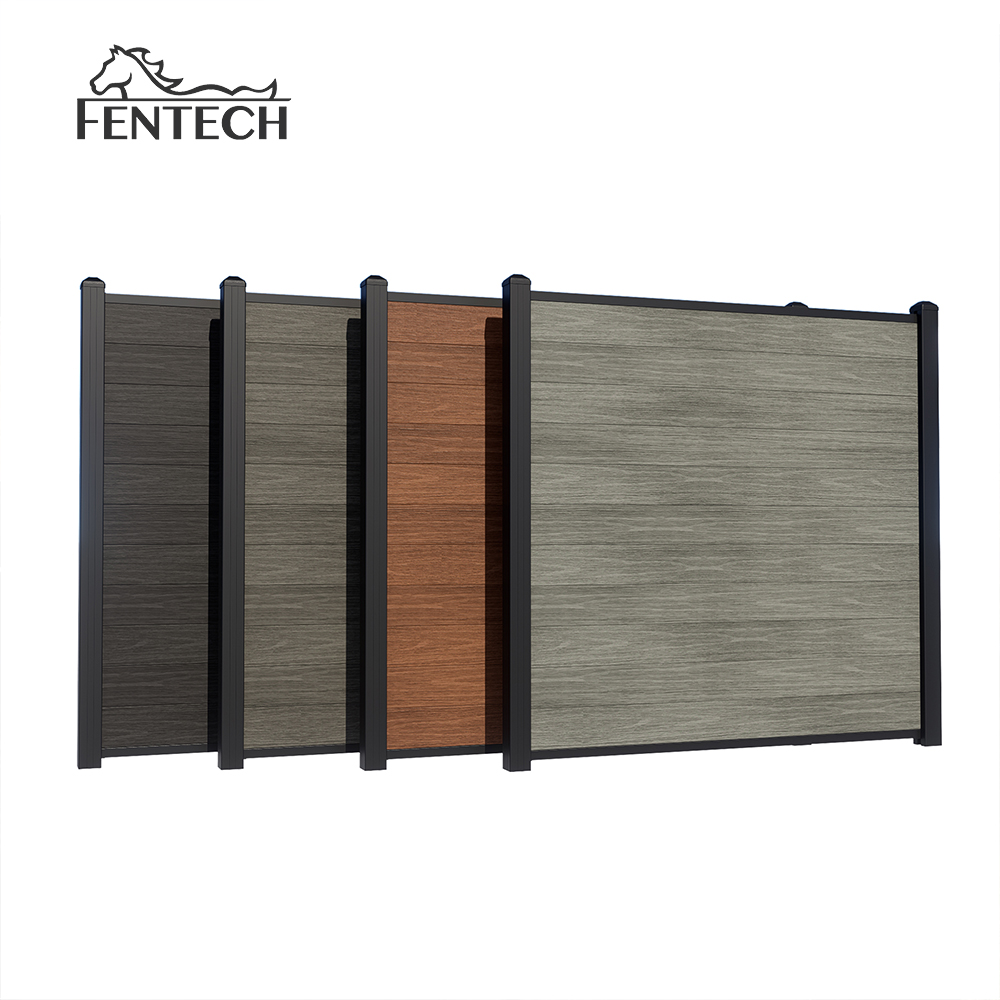
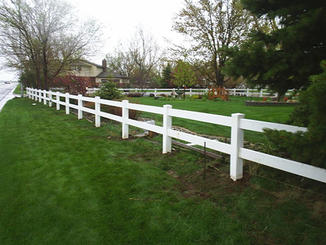
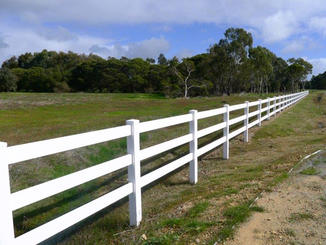
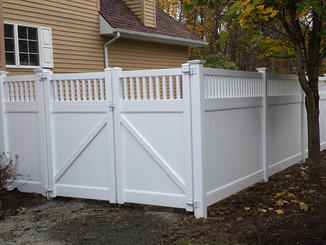
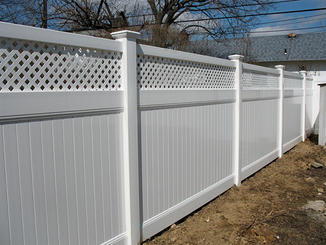







We are professional China Custom Vinyl Fence Manufacturers with fences virgin PVC/Vinyl material and UV Protected.
Content
- 1 1. The Behavioral Principle Behind an Electric Fence
- 2 2. Suitability for Different Types of Livestock
- 3 3. Key Factors That Influence Effectiveness
- 4 4. Benefits of Using an Electric Fence for Livestock Containment
- 5 5. Limitations and Challenges to Consider
- 6 6. Practical Tips for Improving Effectiveness
- 7 Conclusion
Keeping livestock safely within a designated area is one of the most important responsibilities for farmers and ranchers. Containment protects animals from wandering into dangerous areas, prevents property damage, and helps maintain good relationships with neighbors. Among the many fencing solutions available today, the Electric Fence has become a frequently chosen option across farms of various sizes. Its appeal comes from its relatively simple design, adaptability, and ability to influence animal behavior rather than relying solely on physical barriers. However, the effectiveness of an Electric Fence depends on several practical factors, and understanding these is essential for anyone considering this system.
1. The Behavioral Principle Behind an Electric Fence
The effectiveness of an Electric Fence lies primarily in animal psychology rather than brute strength. Unlike traditional fences that work by physically blocking animals from crossing, an Electric Fence uses a mild, momentary shock to create an immediate negative stimulus. Livestock learn quickly—often after just one or two encounters—that touching the fence results in discomfort. This conditioning encourages animals to maintain a safe distance, relying on memory rather than constant physical pressure.
The key here is that an Electric Fence is not intended to hurt animals. The shock is brief and low in energy, designed to startle rather than injure. When properly installed and maintained, this method can be highly reliable for reinforcing boundaries because it uses the animal’s learning ability as a central element of containment.
2. Suitability for Different Types of Livestock
Different species respond differently to fencing, so effectiveness varies depending on the animals involved.
Cattle:
Cattle generally respond well to Electric Fence systems because they are quick learners and sensitive to electric pulses. A single or double wire setup is often enough once the animals learn to respect the boundary.
Horses:
Horses are also good candidates for Electric Fence containment. They tend to avoid unpleasant experiences and have good vision, making them more likely to recognize and remember the fence line.
Sheep and Goats:
Sheep and goats can be more challenging. Their thick wool or hair can insulate them from electric shock, requiring stronger energizers and more strands of wire. While Electric Fence systems can still be effective for these animals, they often need adjustments such as closer wire spacing or using conductive netting.
Pigs:
Pigs respond well because of their sensitive noses. A low-to-the-ground wire is usually enough to deter them from pushing outward.
Wildlife or mixed-species containment:
For farms where wildlife intrusion is a concern—such as deer entering or predators approaching—Electric Fence systems can help but may require specialized setups with more strands or higher voltage.
Understanding your livestock’s characteristics is essential when choosing the right Electric Fence design.
3. Key Factors That Influence Effectiveness
While Electric Fence systems can be highly effective, their performance depends on several technical and environmental elements.
Quality and Strength of the Energizer
The energizer, sometimes called the charger, is the heart of the Electric Fence. It determines how powerful the pulses are and how far they can travel along the fence line. Undersized energizers are one of the most common reasons fences fail to contain livestock effectively. Choosing an energizer appropriate for the total fence length and vegetation load is crucial.
Grounding System
A good grounding system ensures the electrical circuit completes when an animal makes contact with the fence. Poor grounding reduces the shock strength. Dry soil, rocky terrain, or insufficient ground rods can compromise the system. Many installation issues can be solved simply by improving the grounding setup.
Fence Line Condition
Vegetation touching the fence wires can drain power. Regular trimming beneath fence lines is essential, especially during peak growing seasons. Damaged wires, loose connections, and corroded components also weaken performance. A well-maintained Electric Fence delivers more consistent results than one installed and then forgotten.
Wire Type and Configuration
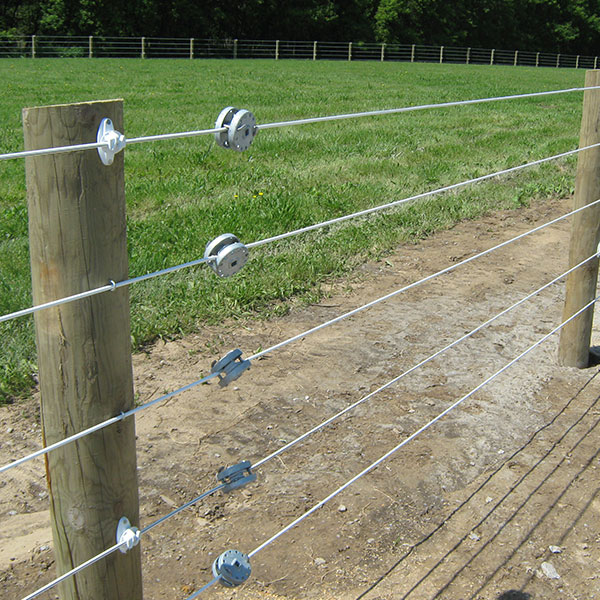
Different wire materials—such as high-tensile wire, polywire, or polytape—offer varying levels of durability and visibility. For certain animals, visibility can influence how quickly they learn to avoid the fence. The number of strands and their spacing also affects reliability, especially for smaller or more agile animals.
Animal Training
Training livestock to recognize and respect an Electric Fence is one of the most important steps. For new animals, a small training pen with a properly energized fence encourages quick learning. Skipping this step can lead to frustration when animals challenge the fence before understanding its purpose.
4. Benefits of Using an Electric Fence for Livestock Containment
Cost Efficiency
Compared to many physical fencing materials, an Electric Fence generally requires fewer materials and less labor to install. This makes it particularly attractive for large pastures or temporary rotational grazing systems. While the energizer is an important investment, overall costs remain manageable for many farm operations.
Flexibility and Adaptability
Electric Fence systems can be adjusted or relocated as needed. For example, rotational grazing setups often rely on movable electric fencing to guide livestock from one paddock to another. This flexibility also allows farmers to protect sensitive areas such as newly planted fields or overgrazed sections.
Encouragement of Gentle Contact
Because the fence relies on psychological deterrence rather than physical force, animals are less likely to injure themselves trying to push through it. Traditional fences can break or cause harm when animals lean or collide with them. Electric fences reduce this risk by preventing heavy contact in the first place.
Against Wildlife or Escape Attempts
Electric Fence systems are also useful for preventing wildlife intrusion or deterring animals from testing boundaries. Once animals learn that crossing results in discomfort, they rarely try again unless the system is turned off or poorly maintained.
5. Limitations and Challenges to Consider
Despite many advantages, Electric Fence systems are not free from limitations. Awareness of these challenges helps ensure realistic expectations and proper planning.
Dependence on Power
Electric Fences become ineffective when they lose power. Outages, equipment failure, or dead batteries can create containment gaps. Farmers must check their systems regularly to ensure continuous operation.
Vegetation and Weather Effects
Grass and weeds touching live wires can reduce the shock intensity. Heavy snow or high moisture can also influence performance. Seasonal maintenance is necessary to address these issues.
Insufficient Shock Due to Poor Installation
Incorrect wire spacing, inadequate grounding, or mismatched components can all weaken the system. Many cases of livestock escaping an Electric Fence trace back to installation errors rather than the fence itself.
Not Always Suitable for Very Strong or Stubborn Animals
Some animals, particularly those under stress or in a state of panic, may push through an Electric Fence despite the shock. In such situations, combining electric fencing with physical barriers may provide better results.
6. Practical Tips for Improving Effectiveness
To make an Electric Fence as reliable as possible for livestock containment, consider the following practices:
- Choose an energizer with more power than the minimum recommendation.
- Install multiple ground rods, spaced several meters apart for optimal conductivity.
- Keep vegetation trimmed to prevent power loss.
- Use visible wire materials, such as polytape, for species that rely on sight.
- Regularly inspect the fence, especially after storms or high winds.
- Train new animals before relying on the fence for full containment.
Implementing these steps strengthens the system and helps maintain long-term reliability.
Conclusion
An Electric Fence can be an effective tool for keeping livestock contained, provided it is designed and maintained with care. By leveraging animal behavior, offering flexibility, and requiring fewer physical materials, it presents a practical solution for many farming environments. However, it is not a set-and-forget system. Its performance depends on proper installation, regular maintenance, and understanding the specific needs of the livestock it is meant to contain.
For farmers willing to invest time in planning and upkeep, an Electric Fence can offer a reliable, humane, and efficient method of livestock containment. By recognizing both its strengths and limitations, users can make well-informed decisions and create safe, controlled environments for their animals.
 No. 142 Xinxiqiao, Linan, Hangzhou City, Zhejiang Province, 311300, China
 0086-180 5608 2316
 sales@fentechfence.com