 WELCOME TO HANGZHOU FANTAI PLASTIC CO., LTD.
  0086-180 5608 2316
 sales@fentechfence.com
 English
  中文简体
中文简体

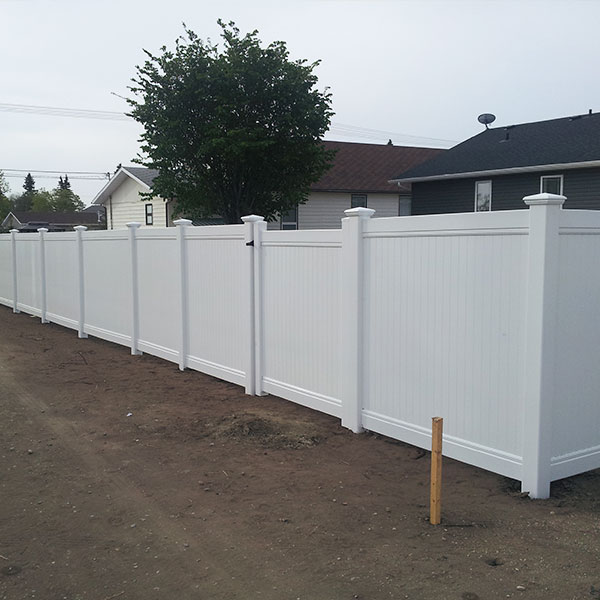
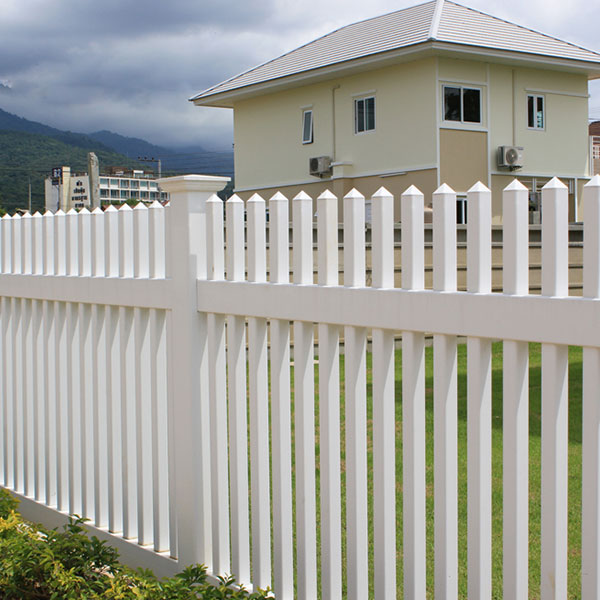
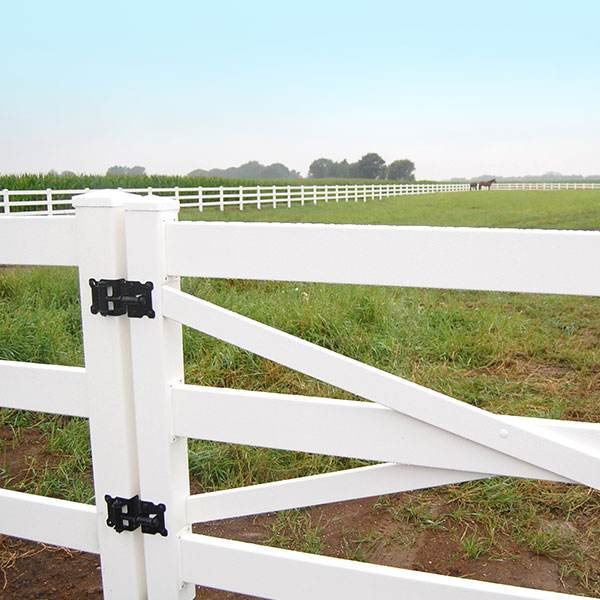
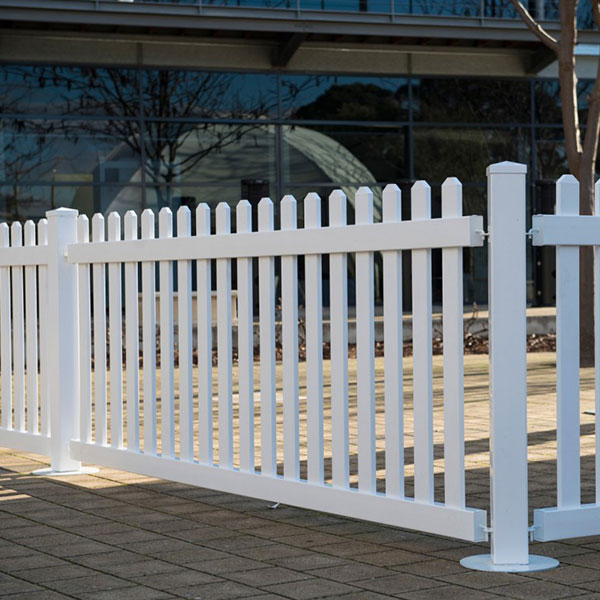
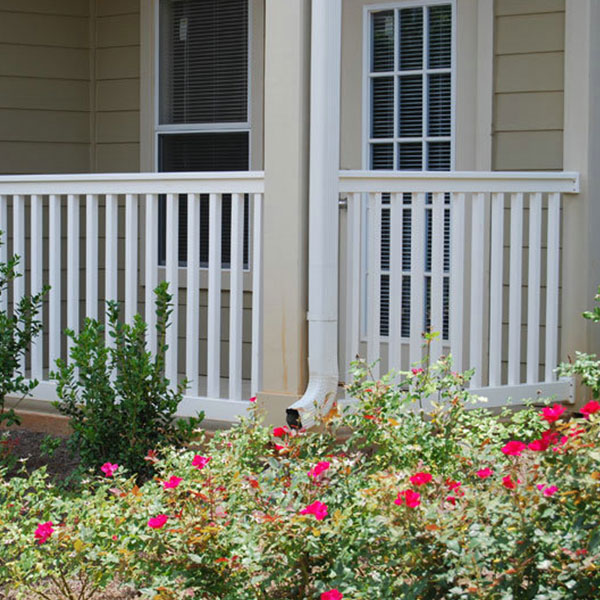

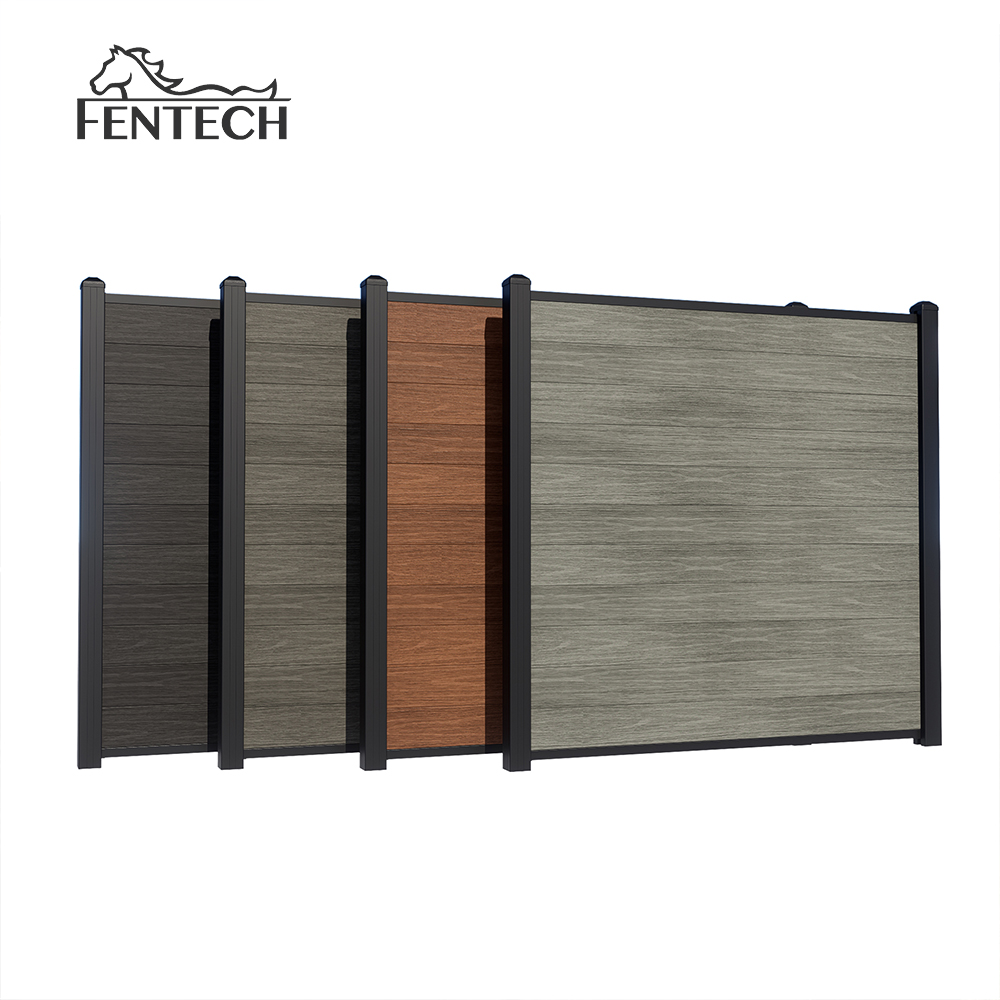
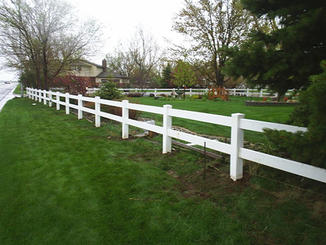
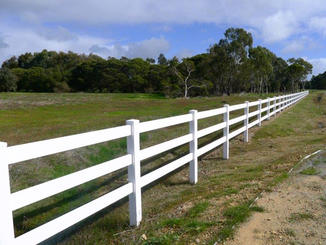
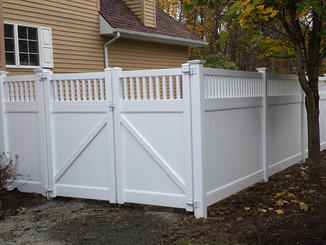
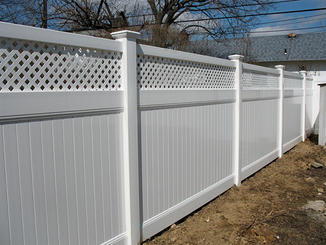
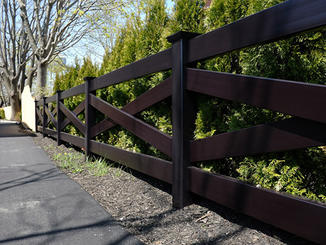
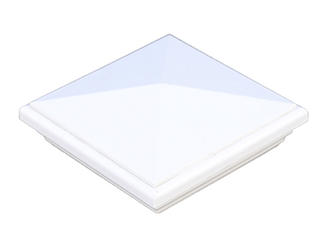

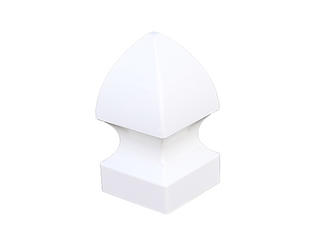
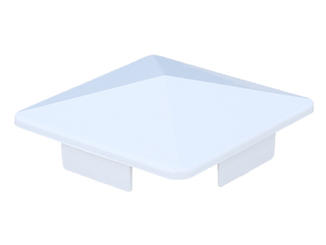
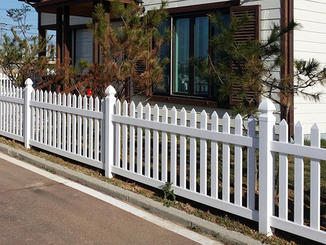

We are professional China Custom Vinyl Fence Manufacturers with fences virgin PVC/Vinyl material and UV Protected.
Content
- 1 Understanding the Purpose of Equestrian Fencing
- 2 Key Safety Principles in Fence Design
- 3 Common Materials Used in Equestrian Fencing
- 4 Fence Height and Spacing Considerations
- 5 Layout Planning for Pastures and Arenas
- 6 Installation Best Practices
- 7 Maintenance and Long-Term Performance
- 8 Balancing Cost, Safety, and Practical Use
Understanding the Purpose of Equestrian Fencing
Equestrian fencing is designed to safely contain horses while protecting them from injury and supporting efficient pasture management. Unlike general livestock fencing, it must account for a horse’s size, speed, and natural flight response. A well-planned fence provides clear visual boundaries, resists impact, and minimizes sharp edges or entrapment points. Beyond containment, fencing also helps organize turnout areas, control grazing, and guide horse movement around barns and arenas.
Key Safety Principles in Fence Design
Safety is the foundation of any equestrian fencing system. Horses are curious and powerful animals, so fences must be forgiving under pressure while remaining structurally sound. Designs that flex or break cleanly under force reduce the risk of severe injury. Visibility is equally important, as horses are less likely to challenge a boundary they can clearly see.
- Avoid sharp edges, protruding nails, or exposed wire ends.
- Maintain consistent fence height to discourage jumping or leaning.
- Use highly visible rails, tapes, or coatings to define boundaries.
Common Materials Used in Equestrian Fencing
Selecting the right material depends on budget, maintenance capacity, and the behavior of the horses being contained. Each option has strengths and limitations that should be weighed carefully before installation.
Wood Fencing
Wood remains a popular choice for equestrian fencing due to its traditional appearance and high visibility. Properly installed wooden rails provide strong physical and visual barriers. However, wood requires routine inspection for rot, splintering, and loose fasteners, especially in wet climates.
Vinyl and Polymer Systems
Vinyl fencing mimics the look of wood while reducing maintenance demands. It resists moisture and does not splinter, making it a safer long-term option. Impact resistance varies by product quality, so selecting reinforced systems is important for areas with active horses.
Electric and Hybrid Fencing
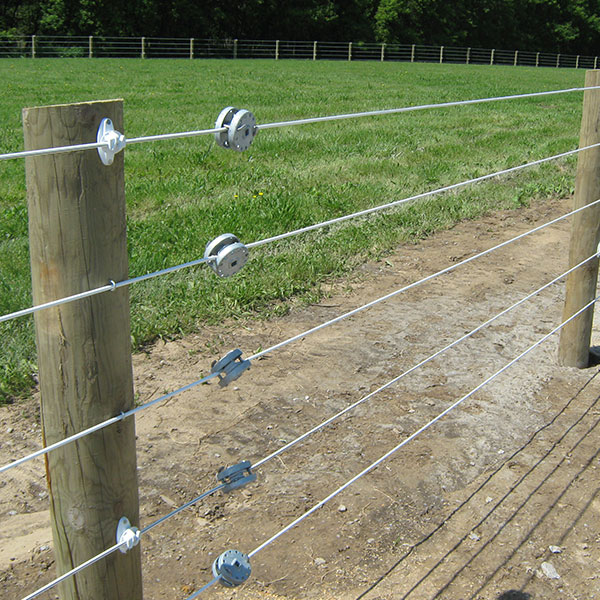
Electric fencing, often used in combination with physical rails, provides a psychological barrier rather than a rigid one. It is effective for pasture division and temporary layouts. Proper grounding, consistent voltage, and visible tape or rope are essential for effectiveness and safety.
Fence Height and Spacing Considerations
Fence height and rail spacing directly influence containment success. Most equestrian fencing ranges between 48 and 60 inches in height, depending on horse size and temperament. Rail spacing should prevent a horse from stepping through or getting a head or leg trapped.
| Horse Type | Recommended Height | Rail Spacing |
| Ponies | 48 inches | 8–10 inches |
| Average Horses | 54 inches | 10–12 inches |
| Large or Athletic Horses | 60 inches | 10–12 inches |
Layout Planning for Pastures and Arenas
Effective equestrian fencing starts with thoughtful layout planning. Fence lines should follow natural land contours where possible, avoiding sharp corners that can trap or crowd horses. Gates should be wide enough for equipment access and positioned to support smooth traffic flow between turnout areas, barns, and riding spaces.
- Place gates on high ground to prevent mud buildup.
- Use rounded corners or diagonal bracing in high-traffic areas.
- Separate feeding zones from fence lines to reduce pressure.
Installation Best Practices
Proper installation directly affects fence lifespan and safety. Posts should be set deep enough to resist leaning, especially in sandy or wet soils. Consistent post spacing maintains rail tension and reduces weak points. Taking time during installation prevents costly repairs later.
Maintenance and Long-Term Performance
Regular inspection and maintenance keep equestrian fencing reliable over time. Weather, soil movement, and horse interaction gradually stress materials. Addressing minor issues early helps preserve safety and appearance without major investment.
- Inspect fences seasonally for loose posts or rails.
- Replace damaged components promptly to prevent escalation.
- Keep vegetation trimmed to maintain visibility and fence integrity.
Balancing Cost, Safety, and Practical Use
The most effective equestrian fencing solutions balance upfront cost with safety and ongoing maintenance. Investing in appropriate materials and sound design reduces risk to horses and lowers long-term expenses. Thoughtful choices based on actual use conditions create a fencing system that supports both horse welfare and daily management needs.
 No. 142 Xinxiqiao, Linan, Hangzhou City, Zhejiang Province, 311300, China
 0086-180 5608 2316
 sales@fentechfence.com