 WELCOME TO HANGZHOU FANTAI PLASTIC CO., LTD.
  0086-180 5608 2316
 sales@fentechfence.com
 English
  中文简体
中文简体

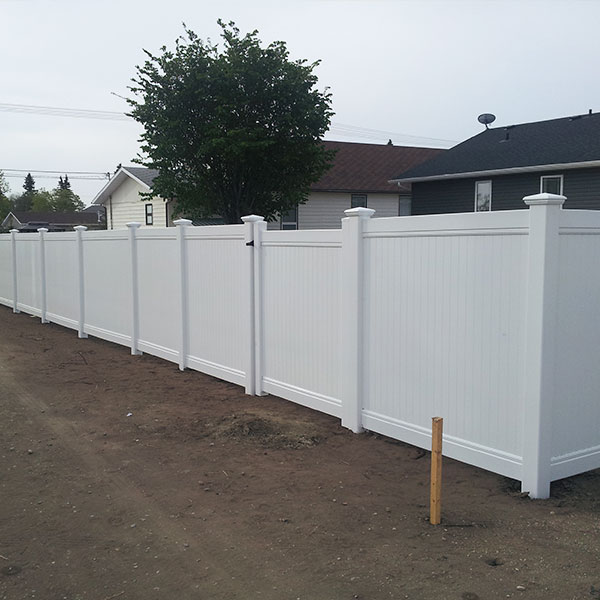

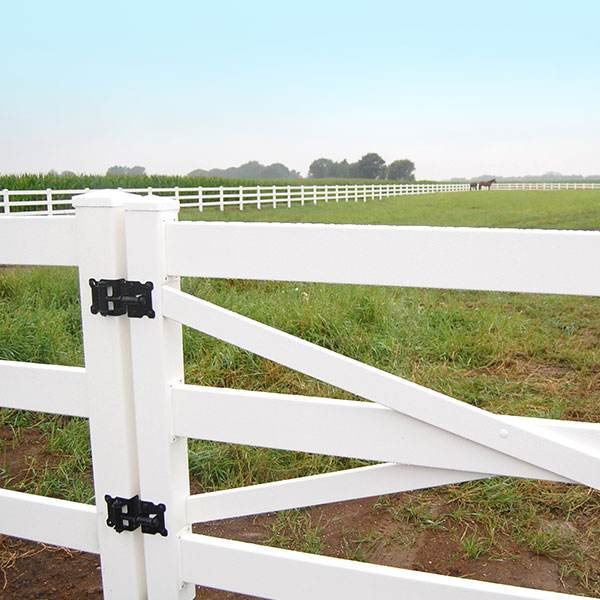






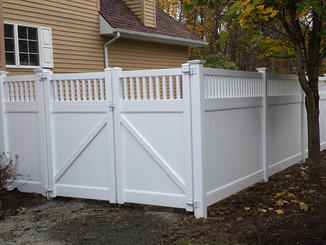
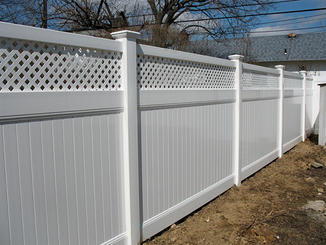
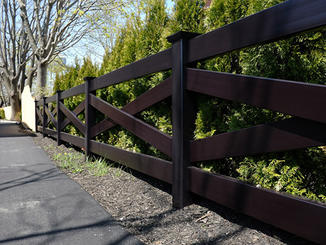






We are professional China Custom Vinyl Fence Manufacturers with fences virgin PVC/Vinyl material and UV Protected.
Content
- 1 How the Psychological Barrier Works
- 2 Core Components and Their Roles
- 3 Safety Considerations and Common Hazards
- 4 Installation and Grounding Best Practices
- 5 Daily and Seasonal Maintenance Checks
- 6 Choosing the Right Energizer and Conductor
- 7 Avoiding Common Mistakes That Reduce Fence Performance
- 8 Training Animals to the Fence
- 9 Long-Term Durability and Upgrades
An electric fence works by delivering a high-voltage but extremely short and safe electrical pulse. Its purpose is not to physically block movement, but to create a lasting psychological barrier that animals and intruders learn to avoid after a single contact. A properly installed energizer, a low-resistance ground system, and consistent maintenance keep the barrier reliable without causing harm.
How the Psychological Barrier Works
The fence wire is not constantly live. An energizer releases a pulse roughly once every second. When an animal touches the wire and the ground simultaneously, the pulse travels through its body, causing an immediate, uncomfortable but non-lethal shock. The key numbers that make this safe yet memorable are the pulse duration of about 0.0003 seconds and the stored energy typically under 5 joules. The voltage at the point of contact may reach 4,000 to 5,000 volts, but the current and total energy are too low to cause injury. The result is a conditioned avoidance; cattle, horses, deer, and other wildlife learn to respect the boundary without physical damage to the fence itself.
This psychological effect is the reason electric fencing can contain heavy animals with thin polywire or polytape that they could physically break. It also makes the system ideal for rotational grazing, predator exclusion, and perimeter security around storage facilities or gardens.
Core Components and Their Roles
Every electric fence relies on four basic parts working together. Failure in any one will reduce the shock voltage to ineffective levels.
- Energizer: converts mains, battery, or solar power into high-voltage pulses.
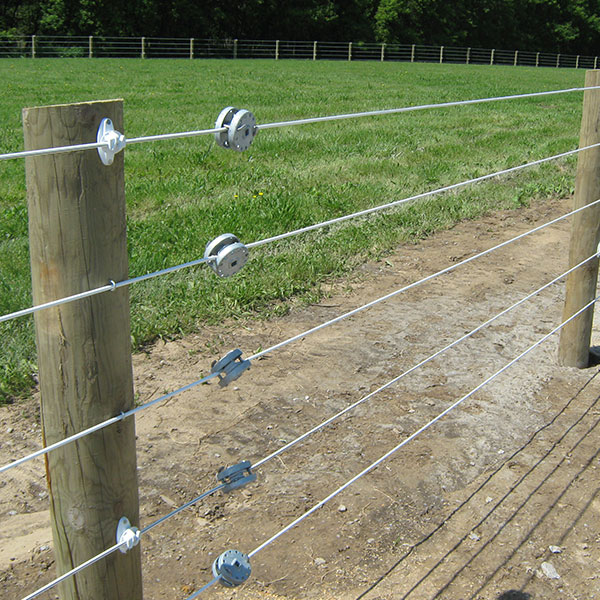
- Conductor: the electrified wire, polywire, tape, or netting that delivers the pulse.
- Insulators: prevent the current from leaking into posts and grounding out.
- Ground system: a network of galvanized ground rods that completes the circuit through the soil when an animal touches the hot wire.
The ground system is often the most overlooked component. Over 80% of all electric fence performance problems can be traced back to an inadequate ground field. A minimum of three galvanized ground rods, each at least 3 feet long and spaced 10 feet apart, is recommended for a standard energizer.
Safety Considerations and Common Hazards
When installed according to international safety standards, an electric fence poses minimal risk to humans and animals. However, certain conditions create serious hazards that must be avoided.
Never connect an energizer to mains-operated equipment or utility ground rods. Doing so can create a lethal fault pathway. Always install a dedicated ground system at least 33 feet away from any utility, telephone, or water pipe ground. Fence wire should not run parallel to overhead power lines, as induced voltages can build up. In areas with high wildfire risk, use a low-impedance energizer that avoids continuous arcing and keeps the fence free of vegetation contact.
Visible warning signs must be placed at regular intervals along any electric fence accessible to the public. For equine enclosures, highly visible tape or braided conductor is essential; a panicked horse can run through a thin wire it cannot see, causing severe lacerations even if the shock is off.
Installation and Grounding Best Practices
Effective installation starts with the ground field. Drive galvanized steel rods into moist soil; dry, sandy, or rocky ground may require additional rods or a bentonite clay treatment to lower resistance. The ideal total ground system resistance is below 500 ohms, and many experts aim for under 100 ohms for larger energizers. A digital fault finder or dedicated ground tester can confirm this.
For permanent perimeter fences, high-tensile 12.5 gauge galvanized steel wire is the gold standard. Use tensioners and corner strain insulators rated for the wire load. In temporary rotational grazing setups, polywire and step-in posts with built-in insulators allow rapid deployment and reconfiguration.
Always install a cut-off switch near the energizer and at every gate. Keep the energizer protected from weather, and use lightning arrestors between the fence conductor and the ground system to divert surge energy away from the energizer.
Daily and Seasonal Maintenance Checks
Routine checks prevent small faults from turning into perimeter failures. A quick daily walk or drive along the fence line can spot fallen branches, broken insulators, or sagging wires. Use a digital voltmeter designed for electric fences to measure the pulse at the farthest point from the energizer. For most livestock, a minimum of 3,000 volts at the end of the line should be maintained; below that, the shock may not deter determined animals.
Seasonal tasks are equally important. In spring, regrow grass and weeds must be cut or sprayed beneath bottom wires; vegetation contact can drain thousands of volts. In winter, check that snow accumulation has not shorted low wires to the ground. Tighten high-tensile wire if frost heave has altered tension. Inspect all connections for corrosion, especially at copper-to-steel junctions where galvanic reaction accelerates deterioration.
Choosing the Right Energizer and Conductor
Energizer selection depends on power availability, fence length, and the vegetation pressure the fence will face. A low-impedance energizer is preferred because it maintains high voltage even when weeds touch the wire, unlike older solid-state or continuous current units.
| Power Source | Best For | Key Trade-off |
|---|---|---|
| AC mains | Permanent fences near a power source | Highest output, no battery replacement |
| Battery | Remote locations, short-term installations | Requires regular recharging |
| Solar | Off-grid permanent sites | Higher upfront cost, sunlight dependent |
Conductor choice matters for both visibility and conductivity. Braided polyethylene tape with stainless steel strands is easy for animals to see and has reasonable conductivity for moderate distances. High-tensile galvanized steel wire offers the lowest resistance per foot and is the best choice for fences exceeding a quarter mile. In temporary systems, polywire with multiple stainless steel or copper strands provides an acceptable balance of portability and electrical performance.
Avoiding Common Mistakes That Reduce Fence Performance
Several recurring errors undermine electric fence effectiveness. Understanding them can save hours of troubleshooting.
- Undersized ground system: using a single short rod or utility ground; a minimum of three dedicated rods is the standard.
- Poor wire joints: tying knots instead of using proper connectors or figure-eight crimps creates high-resistance points.
- Mixed metals: connecting copper and galvanized steel without a joint compound accelerates corrosion and signal loss.
- Ignoring voltage drop: a fence that reads 7,000 volts at the energizer but only 1,200 volts at the far end has a hidden short or resistance problem that must be fixed immediately.
- Insufficient conductor visibility: using thin, bare wire in areas frequented by fast-moving animals or pedestrians without warning signs or visible tape increases collision risk.
Training Animals to the Fence
A fence is only as effective as the animal's memory of the shock. New livestock should be introduced to the fence in a small, well-electrified enclosure where they cannot outrun the boundary. The goal is a single, clear experience that creates respect. Research shows that cattle trained in this way avoid the fence line even when the power is off for several days. Placing a bit of molasses or feed on the wire can attract curious animals to touch it with their moist nose, delivering a swift lesson without requiring human intervention.
Long-Term Durability and Upgrades
A well-built electric fence can last over 20 years with minimal component replacement. Galvanized class 3 coating on steel wire resists rust; use corner posts that withstand heavy tension, and replace insulators that show ultraviolet cracking. When upgrading, focus on the ground system and the energizer. Moving from a medium-duty to a low-impedance high-joule energizer often solves persistent shorting problems without changing any wire. Adding a remote monitoring unit that sends a smartphone alert when voltage drops below a set threshold is a modern upgrade that significantly reduces reaction time to faults.
By treating the electric fence as a psychological training tool rather than a physical barrier, farmers, ranchers, and security managers achieve reliable containment and protection with far less material and cost than traditional fencing.
 No. 142 Xinxiqiao, Linan, Hangzhou City, Zhejiang Province, 311300, China
 0086-180 5608 2316
 sales@fentechfence.com