 WELCOME TO HANGZHOU FANTAI PLASTIC CO., LTD.
  0086-180 5608 2316
 sales@fentechfence.com
 English
  中文简体
中文简体

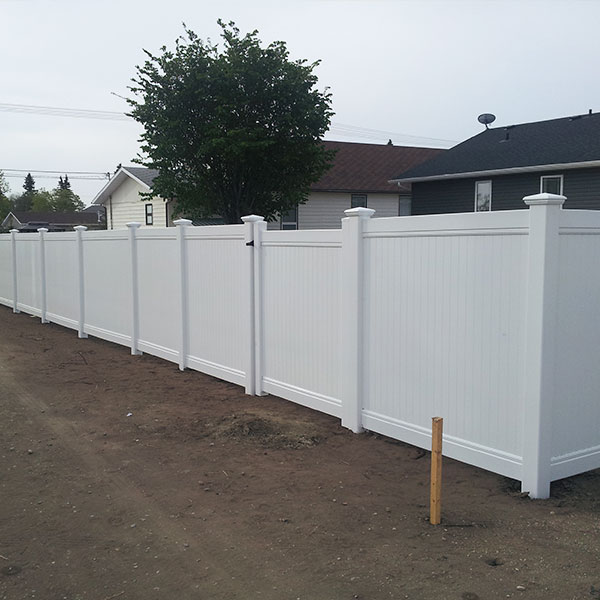
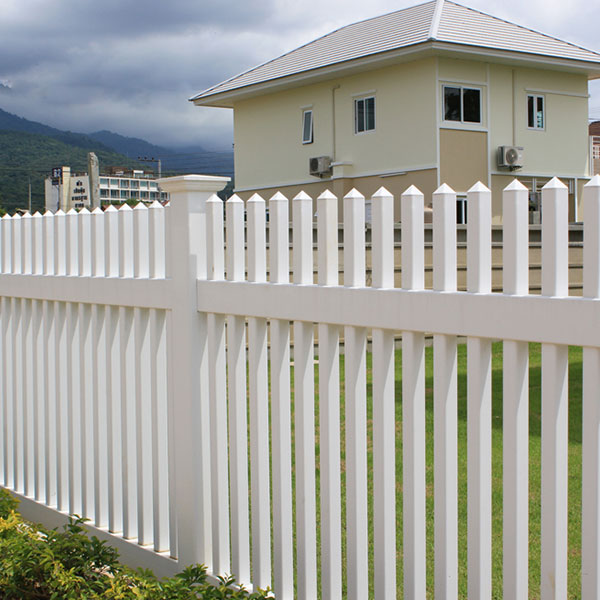
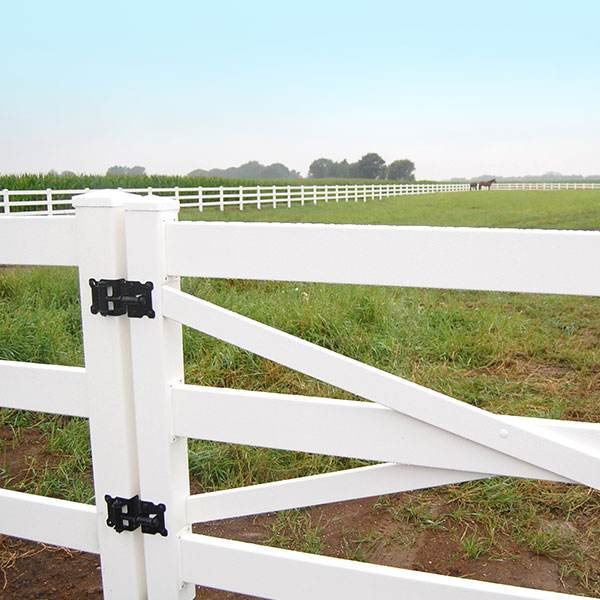
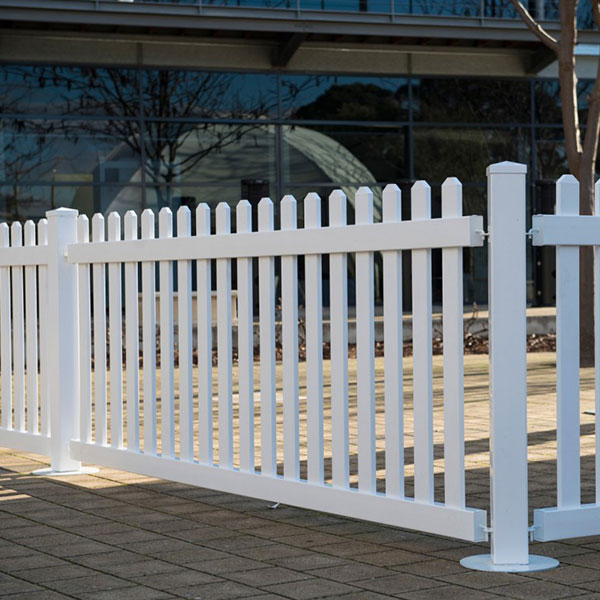

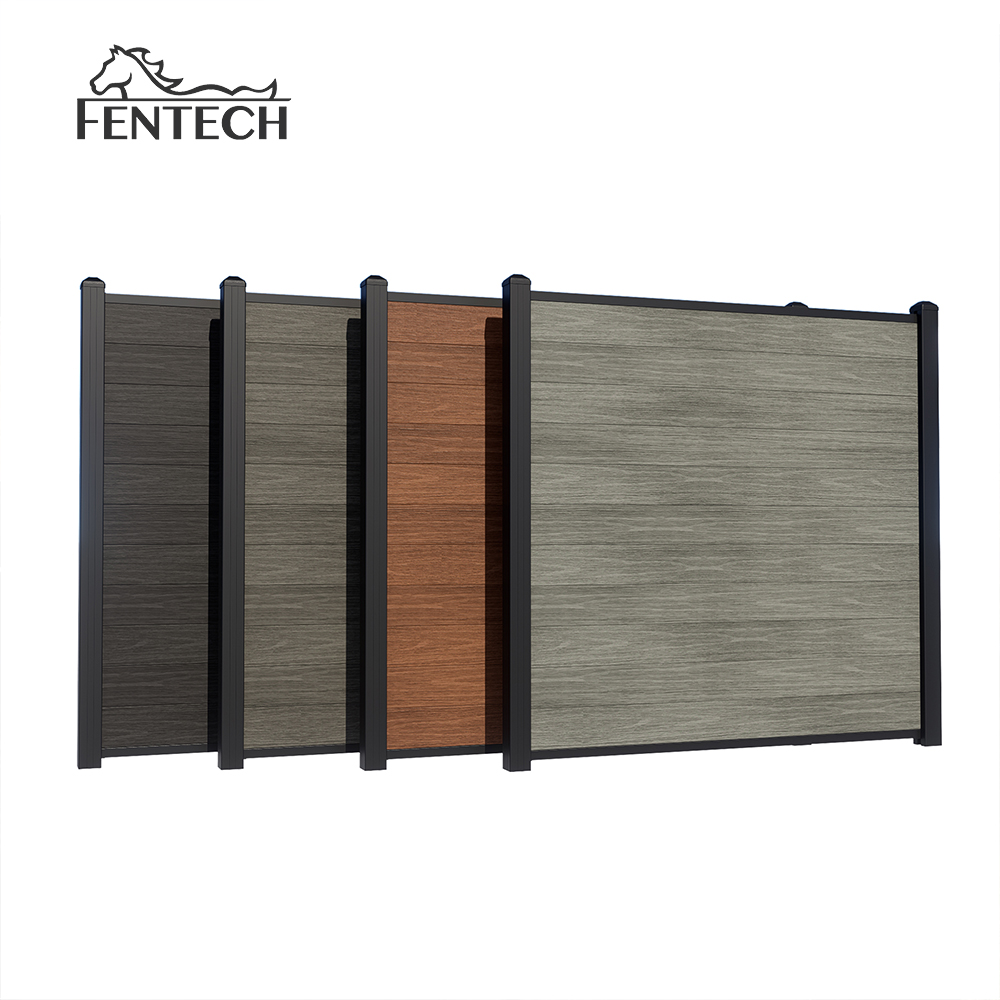
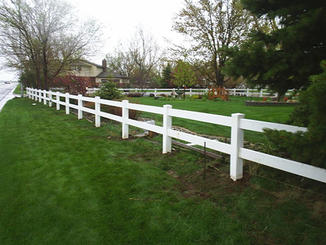
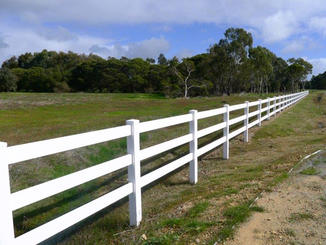
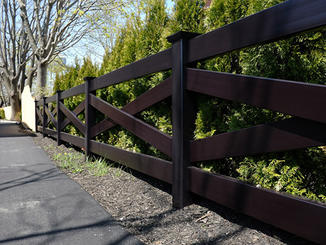

We are professional China Custom Vinyl Fence Manufacturers with fences virgin PVC/Vinyl material and UV Protected.
Content
- 1 The Fence Decision Nobody Talks About Enough
- 2 What Actually Defines a Semi-Privacy Fence
- 3 Four Reasons to Choose Semi-Privacy Over Full Privacy
- 4 When Full Privacy Is Still the Right Call
- 5 What Good Specs Look Like: A Real Product Example
- 6 Installation and Maintenance: What to Expect
- 7 The Honest Bottom Line
The Fence Decision Nobody Talks About Enough
You want a fence. You want some privacy. But you also don't want your backyard to feel like a bunker. That tension is exactly why the semi-privacy fence exists — and why it's the option most homeowners skip too quickly before defaulting to a full privacy panel.
Full privacy fences solve one problem well: they block everything. But "everything" includes the breeze your garden needs, the sight lines that make a small yard feel bigger, and the decorative detail that gives a fence character. A semi-privacy design threads all of those needles at once.
What Actually Defines a Semi-Privacy Fence
The defining feature is controlled spacing. Unlike a full privacy fence — where boards sit flush against each other with zero gap — a semi-privacy fence uses narrower pickets or spaced slats that create small openings. These gaps are typically less than 1 inch wide, enough to let air and light filter through, but not enough to give a clear view into your yard.
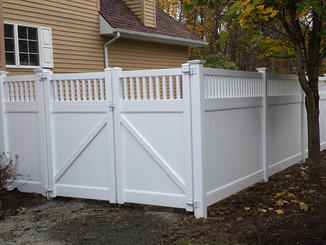
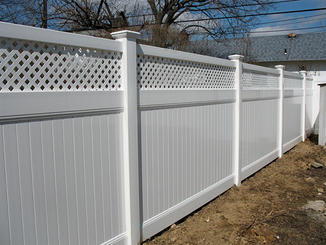
A lattice-top variant takes this concept further: the lower section uses solid tongue-and-groove panels for genuine privacy, while a decorative lattice accent at the top introduces airflow, light, and visual interest. It's a practical design, not just a stylistic one. The lattice section reduces wind load on the fence while the lower panels still block ground-level sightlines — the ones that matter most.
Four Reasons to Choose Semi-Privacy Over Full Privacy
Airflow and plant health. A solid fence creates a wind shadow — dead air on the sheltered side. If you're growing anything in your yard, that stagnation can promote mold, humidity buildup, and uneven sun exposure. Semi-privacy panels let a measured amount of air circulation through, which is genuinely better for gardens and lawns.
Reduced wind load. Full privacy fences take the full force of wind pressure. In exposed locations, that means more stress on posts and rails over time. The small gaps in a semi-privacy design dissipate some of that pressure, which can extend the structural life of the fence and reduce the risk of post heave in softer soils.
Natural light in the yard. Six-foot solid panels cast significant shade. If your yard is already narrow or your outdoor seating area runs close to the fence line, that shadow can make the space feel darker and smaller than it is. Semi-privacy panels let diffused light through, keeping the yard brighter without sacrificing seclusion.
Visual depth and curb appeal. A solid fence reads as a wall. A semi-privacy fence — especially one with lattice detailing — reads as architecture. The texture and shadow play created by the openings makes it a feature rather than just a barrier, and that detail adds genuine curb appeal to the property.
When Full Privacy Is Still the Right Call
Semi-privacy isn't always the answer. If your yard backs up to a busy road, a parking lot, or a property with a second-story deck looking directly down into your space, full privacy panels give you something a semi-privacy design can't: a complete visual block. The same applies if you have young children or pets that need zero escape routes — small gaps, even narrow ones, can become a problem.
Noise reduction is also more effective with solid panels. If you're trying to dampen traffic or street sound, full boards edge-to-edge do a better job. Think of semi-privacy as the choice for residential side and rear yards with manageable neighbor sightlines; full privacy for anything facing a high-traffic zone or requiring maximum acoustic buffering.
What Good Specs Look Like: A Real Product Example
Understanding what to look for in a quality semi-privacy fence becomes easier with concrete specifications. The Fentech FT-F03 Semi-Privacy Fence panel is a useful benchmark. Here's what the specs tell you:
| Specification | Detail |
|---|---|
| Panel Height | 72" (6 ft) |
| Panel Width | 94" (~7.8 ft) |
| T&G Size | 7/8" × 11.3" × 46" (8 pieces per panel) |
| Top Rail | 2" × 3.5" × 94" |
| Middle & Bottom Rail | 2" × 6" × 94" each |
| Bottom Reinforcement | Aluminum insert included |
| Lattice | 1.59" × 90" accent at top |
| Panel Weight | 37.58 kg / 82.85 lbs |
| Colors Available | White, Tan, Grey, Khaki |
| Primary Material | Virgin vinyl (UV protected) |
A few things worth highlighting. The aluminum-reinforced bottom rail is a structural detail that most budget panels skip. It prevents the lower rail from bowing under lateral pressure over time — a common failure point in vinyl fencing. The 2" × 6" rail dimensions on both middle and bottom rails are also heavier than entry-level products, which typically use 2" × 3.5" throughout.
The fence works with pre-routed 5×5 posts (line, corner, end, and 3-way configurations), with coordinating single gates in 4-ft and 5-ft widths and double gates up to 10-ft. That compatibility means the system can wrap a complete yard without mismatched hardware or custom fabrication. For a lead-free certified option in a similar panel style, the FTF04 lead-free semi-privacy panel is also available.
Installation and Maintenance: What to Expect
Vinyl semi-privacy panels are DIY-friendly in a way that wood never truly is. Panels slide into pre-routed post slots without adhesives or specialized tools — the main requirement is getting post alignment right before the concrete sets. A 94" panel width means posts typically go in at 8-foot centers, which is standard and makes layout planning straightforward.
Maintenance is genuinely low. Virgin vinyl doesn't rot, rust, or need painting. Cleaning is occasional — a rinse with soapy water handles most dirt accumulation. The UV inhibitors built into quality vinyl formulations prevent the yellowing and brittleness that plagued early PVC fence products. Explore the full range of vinyl privacy fence styles to compare panel heights, rail configurations, and color options before committing to a layout.
The Honest Bottom Line
A semi-privacy fence won't win every comparison against full privacy panels on a single metric. It doesn't block sound as effectively, and it won't stop a determined viewer at the right angle. What it does do — better than any other fence style — is balance privacy, airflow, light, and aesthetics in a single structure that holds up for decades without repainting or replacing boards.
For most residential yards, that balance is exactly what the project actually needs. The question isn't whether a semi-privacy fence is "as good" as a full privacy fence. It's whether maximum seclusion is the right priority for your specific space — or whether a smarter, more livable design would serve you better every day.
 No. 142 Xinxiqiao, Linan, Hangzhou City, Zhejiang Province, 311300, China
 0086-180 5608 2316
 sales@fentechfence.com