 WELCOME TO HANGZHOU FANTAI PLASTIC CO., LTD.
  0086-180 5608 2316
 sales@fentechfence.com
 English
  中文简体
中文简体

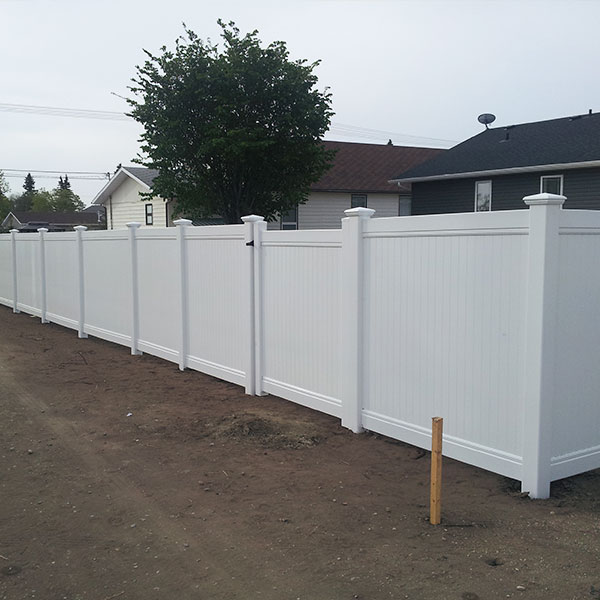
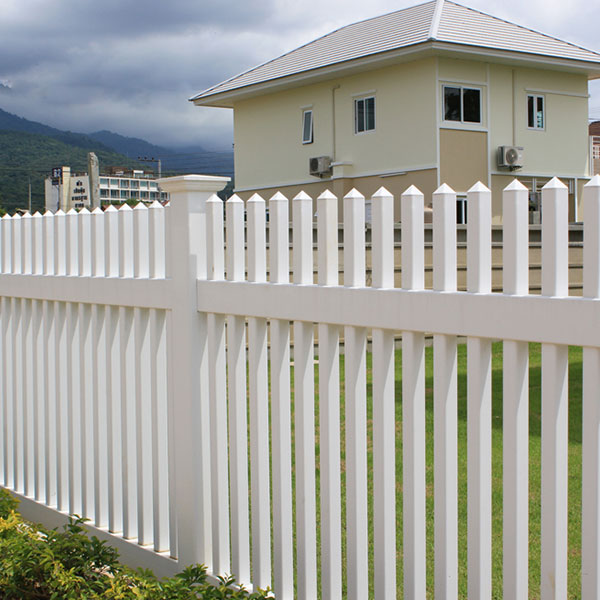
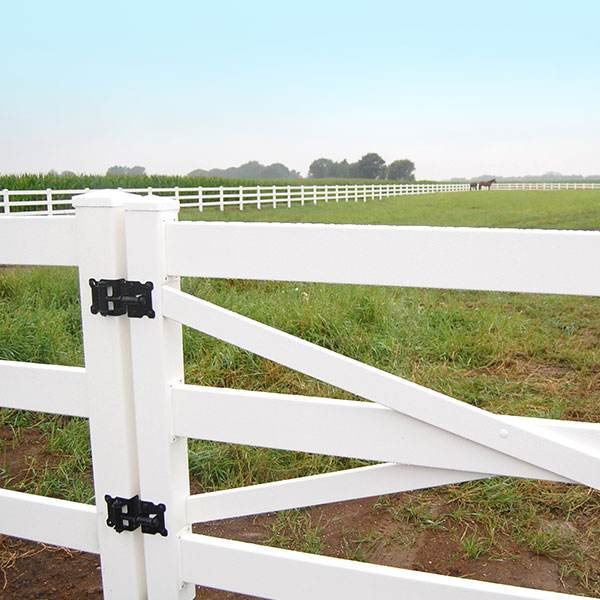
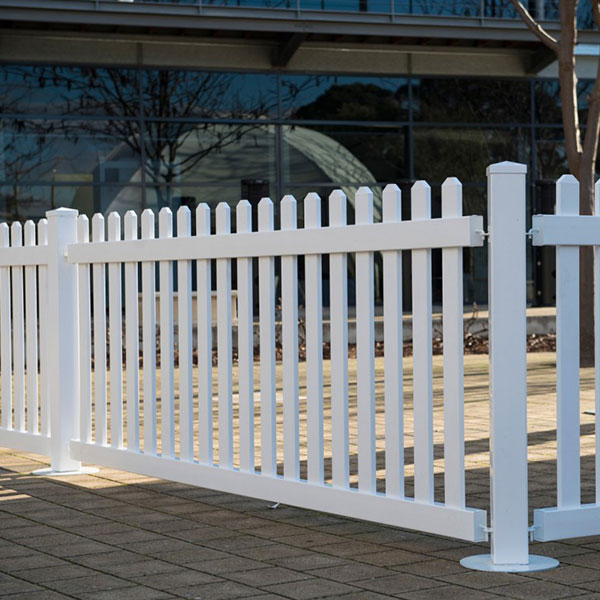
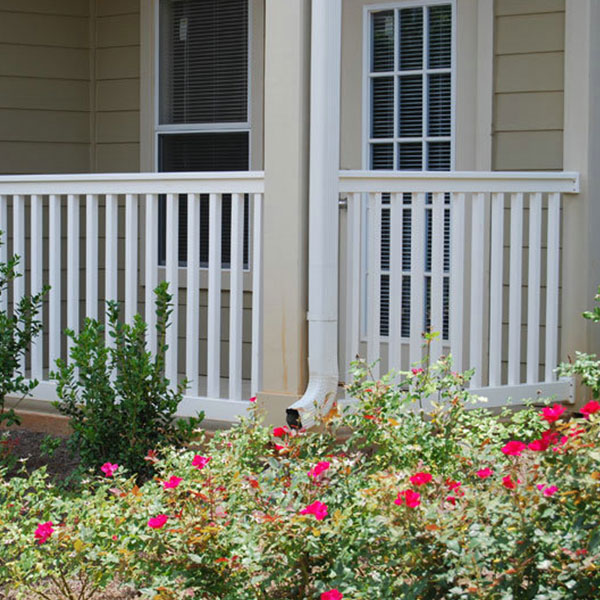
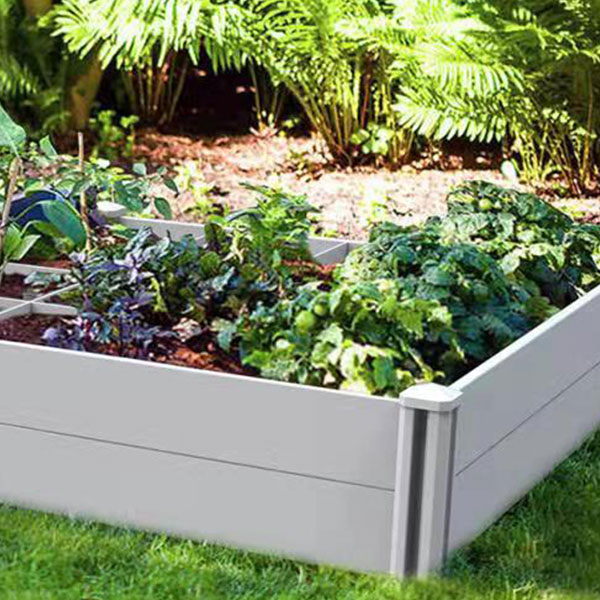

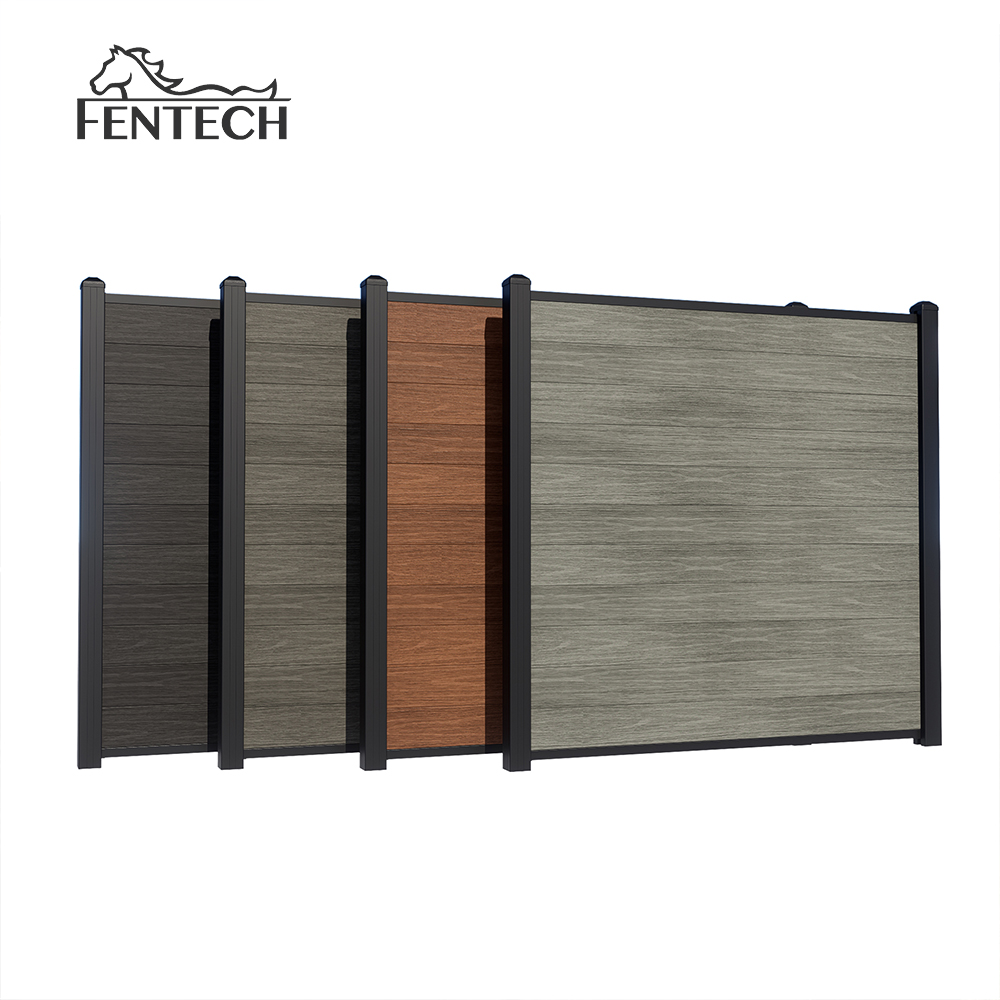
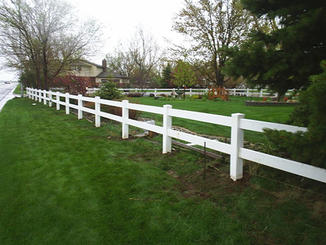
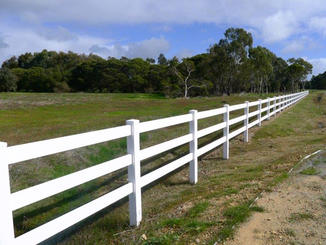
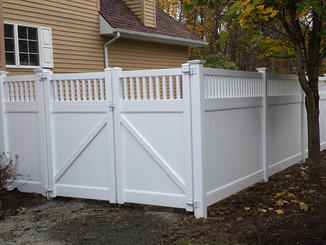
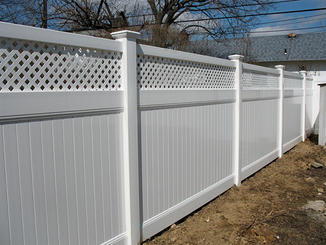
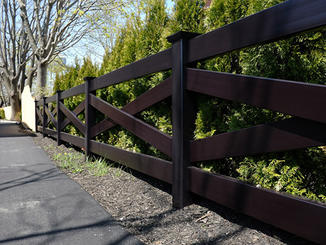
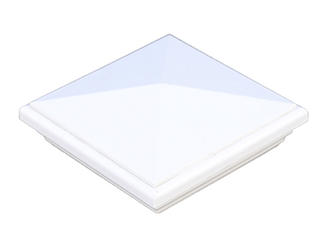
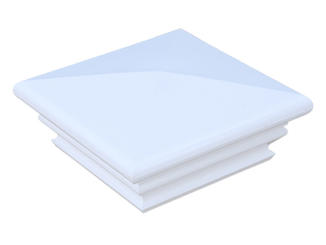
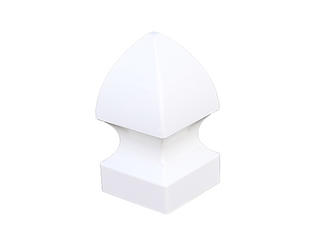

We are professional China Custom Vinyl Fence Manufacturers with fences virgin PVC/Vinyl material and UV Protected.
Content
- 1 Vinyl Fence Color Options: What the Palette Actually Includes
- 2 How Vinyl Fence Color Is Made: Through-Color vs. Capstock
- 3 Does Vinyl Fence Color Fade? Heat Load, UV, and Long-Term Performance
- 4 Matching Fence Color to Your Home, Landscape, and Neighborhood Rules
- 5 Color, Cost, and Lead Time: What to Confirm Before Ordering
- 6 Frequently Asked Questions About Vinyl Fence Colors
Specify a white vinyl fence and the color question answers itself. Specify tan, clay, grey, or black and three variables move at once: the production method, the price band, and the risk of a mismatched post, rail, or cap ten years down the road. Vinyl fencing is not sold in an open palette. A typical factory catalog holds six to twelve stock tones, and anything outside that list becomes a custom extrusion with a minimum order quantity attached. Knowing which side of that line your project sits on decides almost everything that follows.
Vinyl Fence Color Options: What the Palette Actually Includes
Stock vinyl fence color is a deliberately short list, and every tone on it was chosen to survive outdoor exposure rather than to match an interior paint fan.
Wood can be stained again in any shade, but vinyl fence color is locked into the material during extrusion. Pigment is either blended through the PVC compound or bonded to it as a weather-facing skin, and after that point the tone cannot be adjusted on site. That single manufacturing fact explains the shape of the market palette.
| White | Bright white, off-white | Traditional, colonial and farmhouse properties | Confirm gloss level; matte reads softer against warm stone |
| Light neutral | Almond, sand, beige, cream | HOA neighborhoods, hot climates, mixed facades | Tones drift between runs, so order posts and panels together |
| Earth and clay | Tan, clay, adobe, terracotta | Southwestern and Mediterranean architecture | Red-toned clays can clash with cool grey siding |
| Grey | Light grey, slate, charcoal | Contemporary builds, metal roofs, modern planting | Light grey shows dust and pollen faster than white |
| Black and dark | Black, charcoal, espresso | Modern, industrial, ranch and equestrian properties | Surface heat is higher, so specify a high-UV formulation |
| Woodgrain laminate | Cedar, oak, walnut, weathered grey | Projects that want a timber look without repainting | Only co-extruded laminates hold grain and tone over decades |
| Custom match | Any RAL or Pantone target | Commercial, OEM and distributor programs | Requires volume commitment and an approved color sample |
Two habits separate a clean installation from a patchy one. First, order panels, posts, rails, caps, and gate frames from one production batch, because color drifts slightly between runs. Second, judge a physical extrusion sample rather than a printed swatch, since gloss and texture change how a tone reads in daylight. On a standard privacy fence panel program, white and light neutrals are usually held in stock year-round, while clay, charcoal, and custom shades are run to order.
How Vinyl Fence Color Is Made: Through-Color vs. Capstock
Vinyl fence color comes from one of two routes: through-color, where pigment is blended into the full PVC compound, or capstock co-extrusion, where a thin weatherable skin is bonded over a structural core.
The route decides the available palette, the fade profile, and how the fence behaves when a contractor cuts, drills, or notches it on site.
Through-color, monolithic
- Pigment runs through the entire wall thickness
- Cut ends and drilled holes stay the same tone
- No skin to delaminate in freeze-thaw cycles
- Palette limited to tones that hold in volume
- Typical for white, grey, and solid dark profiles
Capstock, co-extruded
- A UV-stable skin over a structural core
- The practical route to deep embossing and woodgrain
- Pigment sits exactly where the sun hits
- Cut edges expose the core, so caps and trim matter
- Common for cedar, oak and weathered-grey laminates
Ask before you lock a color
- Which route the supplier uses, and the pigment grade behind it
- Weathering data for the specific tone, not the product family
- Whether panels, posts, rails and caps share one compound
- Approval samples and lot traceability for repeat orders
- Minimum order quantity and lead time on non-stock tones
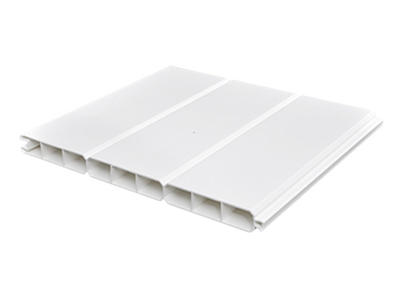 Custom 7/8 x 11.3 Inch T&G Vinyl Fence PanelThis privacy-fence T&G profile is worth checking when color retention depends on the vinyl formulation behind the panel.View Product →
Does Vinyl Fence Color Fade? Heat Load, UV, and Long-Term Performance
Vinyl fence color fades slowly when the pigment system and the UV package are right, and visibly when they are not, so the tone itself matters less than the formulation behind it.
Two forces work on a colored fence: ultraviolet radiation, which attacks the pigment and the polymer chain, and solar heat, which drives expansion and contraction across the panel. Light tones reflect more of that energy, while dark tones absorb it and pass it into the material.
White
Light neutral
Tan and clay
Grey
Dark brown
Black
The consequences are practical. Dark profiles need a stronger UV package and more attention to expansion gaps, post spacing, and rail routing. Light profiles handle heat well but show dust, pollen, and irrigation overspray, which is why matte finishes and lightly textured surfaces are popular in dry regions. Suppliers that publish results for the color stability of vinyl fencing give buyers something concrete to compare.
Fade and heat are two different tests. A dark fence in a hot climate is an expansion problem, while a white fence in the same climate is a dirt and glare problem. Ask for both data sets before you commit to a tone.
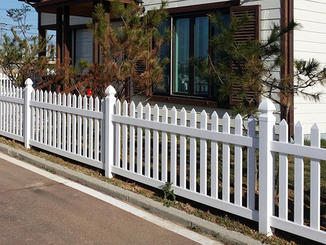
 FT-F02 UV Proof 6 ft x 8 ft Vinyl Privacy FenceClosed-top picket vinyl privacy panel kit available in multiple colors; review it when comparing fade and heat performance across fence tones.View Product →
Matching Fence Color to Your Home, Landscape, and Neighborhood Rules
Anchor the fence color to something fixed such as the roof, the brick, the stone, or the hardscape, rather than to siding that may be repainted in five years.
Start with the roof
Shingles, pavers, and walkway stone change less often than siding. Matching the fence to them keeps the property coherent through at least two repaints.
Match the undertone
Warm brick pairs with clay, tan, and cedar laminate. Cool grey siding pairs with white, light grey, or charcoal. Mixing warm and cool undertones is what makes a fence look off.
Read the covenants
Many HOA and covenant documents list approved fence tones, and some restrict height and opacity too. Confirm the rules before you order, not after delivery.
- View the sample outdoors at noon and at dusk, against the actual wall
- Compare three tones side by side instead of one against memory
- Choose caps, post caps, and gate frames inside the same tone family
- Decide whether the fence should frame the view or disappear into it
- Plan the planting first, because greenery changes how a tone reads
Color, Cost, and Lead Time: What to Confirm Before Ordering
Color changes cost through minimum order quantity, tooling, and lead time far more than through pigment price, which is why stock tones and custom matches belong in different budget conversations.
6 to 12 stock tones in a typical catalog
2 production routes: through-color and capstock
1 approved sample before the full run
For a distributor or a contractor, the economics work like this. A stock white panel ships from inventory in weeks. A custom clay tone may need a dedicated extrusion run, a color approval cycle, and a minimum quantity measured in pallets or containers. The risk is not only money: if the caps, post caps, or gate frames arrive in a slightly different tone, the mismatch stays visible for the life of the fence.
That is why color-matched accessories deserve their own line item instead of whatever happens to be in the box.
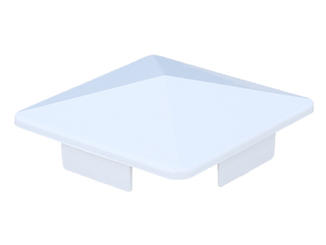
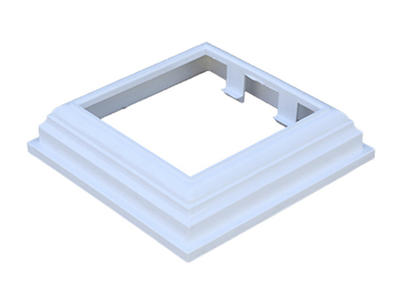 Custom 5 x 5 Inch Vinyl Post SkirtA low-maintenance virgin vinyl post skirt in white, tan, or grey, useful for color-matched fence post and cap details.View Product →
On the production floor, a fence is only one color when the panel, the post, the rail, and the cap come from the same compound. Everything else is a variation on a theme.
Frequently Asked Questions About Vinyl Fence Colors
What is the most popular color for vinyl fencing?
White still accounts for the largest share of residential volume because it suits traditional architecture and hides surface marks well. Light neutrals such as almond, sand, and light grey have grown fastest in new construction, where they blend with mixed brick, stone, and grey roofing.
Do black and dark brown vinyl fences fade?
Any tone can fade when the pigment system is weak, but dark tones absorb more heat, so a stabilized high-UV formulation matters more rather than less. A capstock profile with a properly pigmented skin holds dark color well across a normal service life.
Can a vinyl fence be color matched to a specific paint shade?
Yes, on volume orders. Supply a RAL or Pantone reference, and the factory blends a compound, extrudes a sample, and waits for written approval before the production run. Small orders are normally limited to the colors already in the catalog.
Does fence color affect property value?
It shapes curb appeal more than it moves appraisal figures on its own. Neutral, well-maintained tones appeal to the widest pool of buyers, while a bold color is a personal statement that narrows that pool.
Before signing off on a color, ask three questions: which tones are in stock now, which are made to order, and how long an approved sample takes. The answers usually decide the schedule.
Color is the one fence decision that cannot be corrected after installation, which is why it deserves a sample on the wall rather than a screenshot on a screen. A buyer who compares a physical extrusion, confirms the compound, and orders every component from the same batch ends up with a fence that still looks like one piece long after everything around it has been repainted twice.
 No. 142 Xinxiqiao, Linan, Hangzhou City, Zhejiang Province, 311300, China
 0086-180 5608 2316
 sales@fentechfence.com