 WELCOME TO HANGZHOU FANTAI PLASTIC CO., LTD.
  0086-180 5608 2316
 sales@fentechfence.com
 English
  中文简体
中文简体

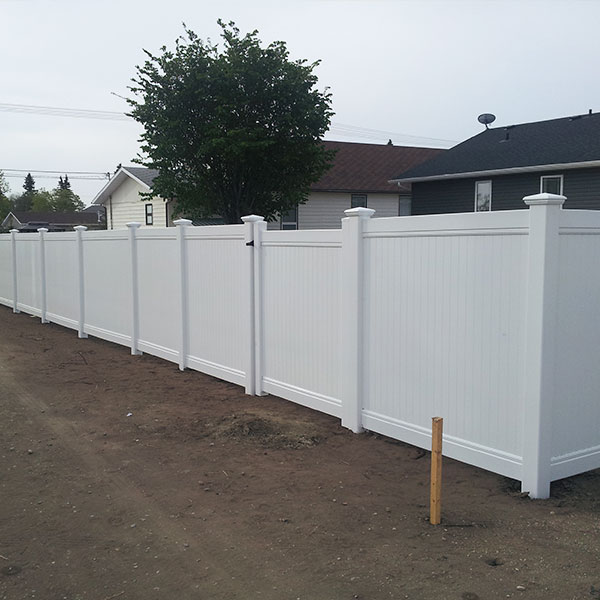
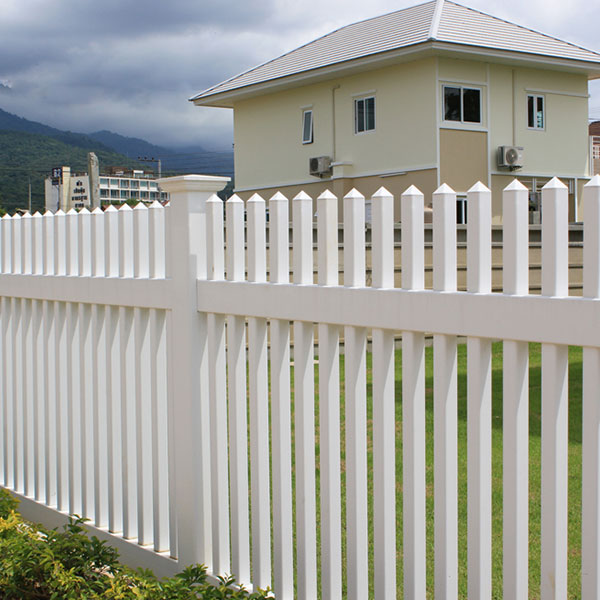
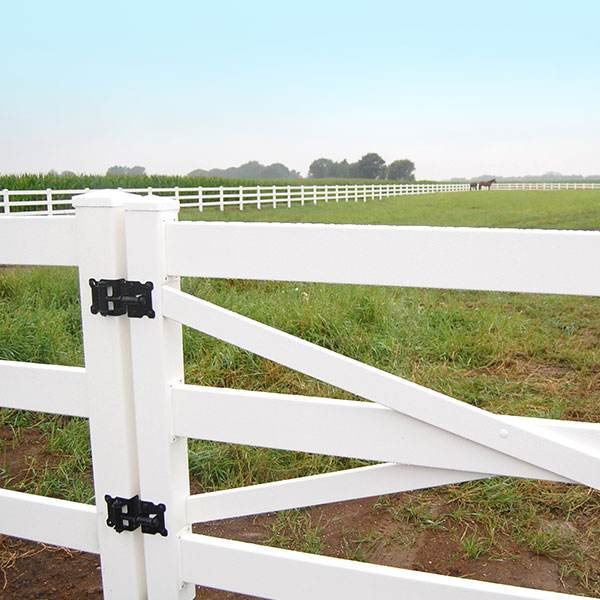
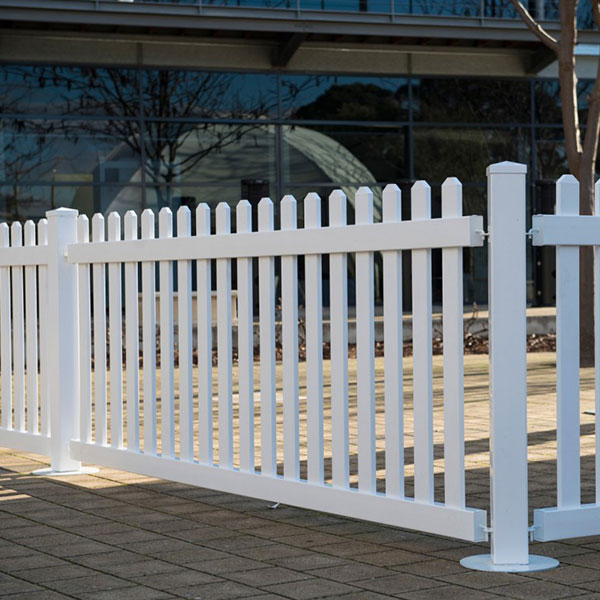

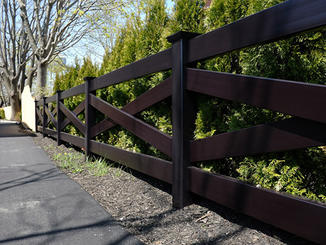

We are professional China Custom Vinyl Fence Manufacturers with fences virgin PVC/Vinyl material and UV Protected.
Content
- 1 What Actually Accumulates on a Vinyl Fence
- 2 Cleaning Solutions That Are Safe for Extruded PVC
- 3 How to Clean a Vinyl Fence, Step by Step
- 4 Pressure Washing Without Damaging the Panels
- 5 Stubborn Stains and What Actually Lifts Them
- 6 A Seasonal Routine That Prevents the Problem
- 7 Frequently Asked Questions
A white vinyl fence usually develops its first green-gray film within one to two summers of installation. The pattern is consistent: dark algae along the bottom rail, a chalky haze on the sun-facing panels, and black speckling in the shadow line under the post caps.
None of that means the PVC is failing. It means the fence is dirty in a very specific way, and each contaminant responds to a different method. Use the wrong one and the discoloration returns within weeks. Use an abrasive or an overly strong mix and the dull patch you create will never wash out again.
What Actually Accumulates on a Vinyl Fence
Vinyl fence cleaning is the removal of surface contamination before it bonds to the panel, not a battle to scrub discoloration out of the material itself.
Vinyl fence cleaning is the removal of pollen, algae, mold spores, soil splash, and mineral deposits from the surface of a PVC fence using mild surfactants, soft-bristle tools, and controlled water pressure. It targets the contaminant layer only. Abrasives, solvents, and high-pressure streams that cut into the extruded cap layer are never part of the process.
Vinyl fencing is a co-extruded profile, a structural core wrapped in a thin UV-stabilized skin. That skin is the entire finish. There is no paint to touch up and no stain to reapply, which is why a vinyl fence needs so little maintenance, and also why aggressive cleaning causes lasting damage. Once the cap layer goes chalky, nothing brings the gloss back.
Contamination also follows a predictable geography. Shaded and north-facing elevations stay damp longer, so algae grows there first. Panels beside sprinkler heads collect hard water scale, the lower 18 inches take the soil splash, and steel gate hardware leaves rust streaks below every hinge.
| Contaminant | Where it appears | Treatment | Timing |
| Pollen film | Top rails and sun-facing panels | Warm water with mild dish soap | Every spring |
| Green algae | Bottom rails and shaded elevations | 1:5 bleach mix, 10-minute dwell | Twice a year |
| Black mildew spots | Crevices and under post caps | 1:5 bleach or oxygen bleach, soft brush | As soon as it appears |
| Soil and fertilizer splash | Lower 12 to 18 inches of the panel | Dish soap and warm water, soft brush | End of each growing season |
| Hard water spots | Panels near sprinkler heads | White vinegar and water, 1:1 | Monthly in irrigation zones |
| Rust streaks | Below steel hinges and gate hardware | Oxalic acid rust remover, then rinse | When visible |
Reading the fence before mixing anything saves the most time. A run with only pollen film needs soap and water, while black speckling under every post cap needs a mildew treatment that soap alone will never touch.
Cleaning Solutions That Are Safe for Extruded PVC
Warm water with a small amount of mild liquid dish soap removes the majority of everyday vinyl fence contamination, and a 1:5 bleach-to-water mix handles mildew without attacking the PVC.
Two recipes cover nearly every job. For routine film, mix about 1/4 cup of mild liquid dish soap into 1 gallon of warm water. For mildew, mix 1 part household bleach into 5 parts water, apply it to a limited area, let it dwell for 10 to 15 minutes, and rinse before it dries. Pre-wet grass, shrubs, and the soil line before bleach touches the panel, and keep the mix away from aluminum bases and gate hardware where you can.
Embossed woodgrain profiles need the same ratios but a different tool. A soft-bristle brush works the texture far better than a cloth, and the vinyl fence cleaning and care guide breaks those variations down profile by profile.
A cleaner strong enough to strip paint is strong enough to dull a vinyl panel. The finish is a thin extruded cap layer, not a coating that can be reapplied.
Safe on extruded PVC
- Mild liquid dish soap in warm water
- Oxygen bleach for mildew when chlorine is not wanted
- White vinegar diluted 1:1 for mineral spots
- Soft-bristle brush or microfiber cloth
- Garden hose rinse at ambient pressure
Risky or damaging
- Abrasive powders and scouring pads
- Steel wool and wire brushes
- Undiluted chlorine bleach left to dry on the panel
- Solvent cleaners, acetone, and lacquer thinner
- Pressure above 1,500 PSI on a flat face
- Acidic degreasers left to dwell in direct sun
How to Clean a Vinyl Fence, Step by Step
Work in small sections from the top down, rinse before the solution dries, and never let a cleaning mix sit on the fence in direct sun.
Dried-on soap is the most common mistake. A mix that dries on a warm panel leaves a film that looks like fresh dirt, and removing it the next day takes a second full pass. The sequence below covers a standard 6 ft x 8 ft privacy panel run.
- Pre-rinse the whole run from top to bottom. This softens dried pollen and stops dirty water from streaking clean panels below.
- Mix one small batch at a time, either soap and warm water or the 1:5 bleach solution.
- Test on a hidden bottom rail or the inside face of a gate post, then wait 10 minutes before committing to the full fence.
- Wash 4 to 6 feet at a time. Apply the solution, agitate with a soft brush, and rinse before the surface dries.
- Match the tool to the profile. Soft brushes for embossed surfaces, microfiber cloths for smooth flat panels.
- Repeat shaded elevations. Panels that stay wet longer usually need a second pass on the north side.
- Rinse landscaping at the end and wipe gate hardware dry so no mix stays on the metal.
Color retention after cleaning depends mostly on the cap layer, not the cleaner. Panels built with a UV-stabilized skin, such as UV-proof 6 ft x 8 ft privacy fence panels, hold their white far longer between washes than low-cost profiles that chalk within three summers.
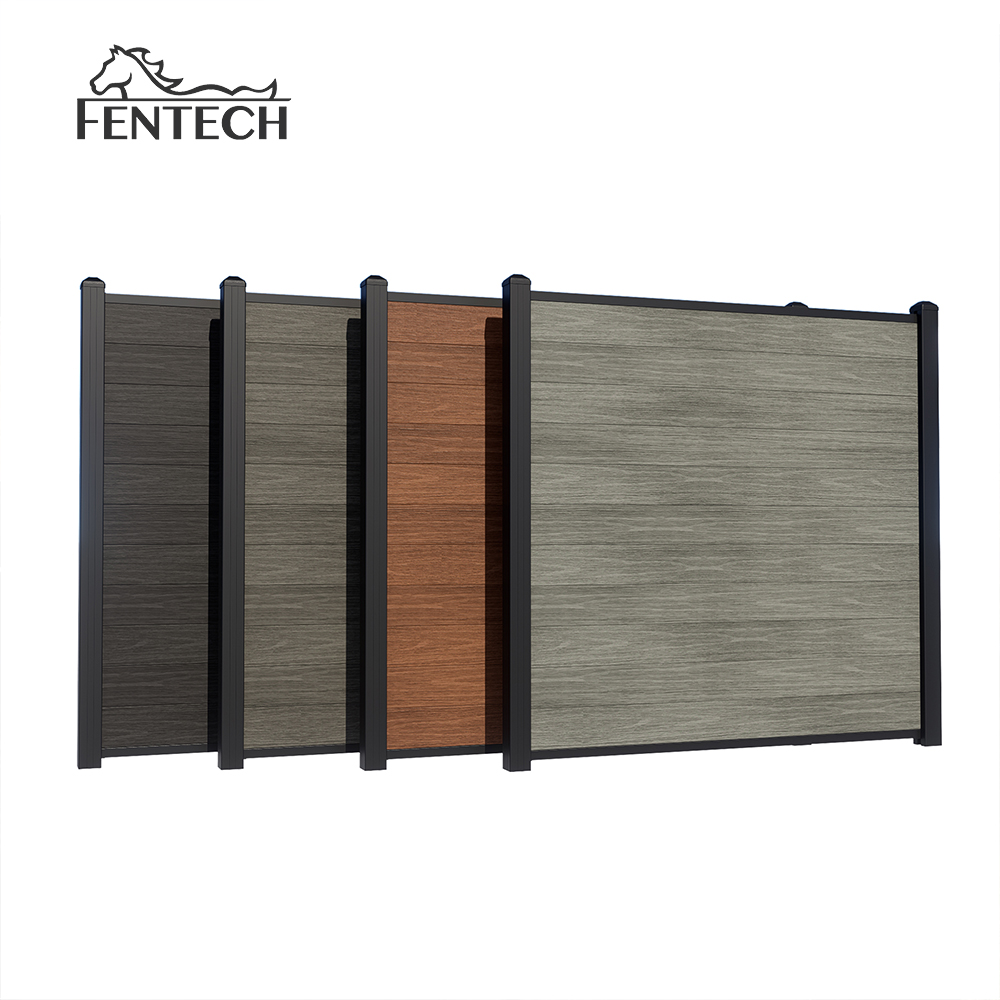
 FT-F02 UV proof 6ftx8ft Vinyl Privacy FenceMany homeowners prefer this look as the pickets at the top of a vinyl privacy fence break up the "solid" privacy look. Some also choose this style because it often mat...View Product →
Pressure Washing Without Damaging the Panels
A vinyl fence can be pressure washed, but only at 1,200 to 1,500 PSI with a 25-degree or wider nozzle held at least 12 inches from the surface.
1,200-1,500 PSI Safe working pressure on flat panels
25 degrees Minimum nozzle angle, wider is safer
12 inches Minimum standoff from the panel face
Zero Upward passes at rails and post caps
Most rented machines run 2,500 to 3,000 PSI, roughly double what a vinyl panel will take without marking. On flat panels an over-pressure pass leaves dull streaks that show the moment the surface dries. On embossed profiles the damage hides in the texture until light hits it from a low angle.
Never aim the stream upward into the gap below the bottom rail, into an open post cap, or directly at the joint where a panel meets a rail. Water that gets inside sits there, and a hard freeze splits the profile from within.
Joint geometry matters as much as pressure. A tongue-and-groove privacy panel with a 2 in x 6 in rail, such as the FTF01 flat top privacy fence, tolerates washing across the full face but far less water driven into the rail joints than an open picket style.
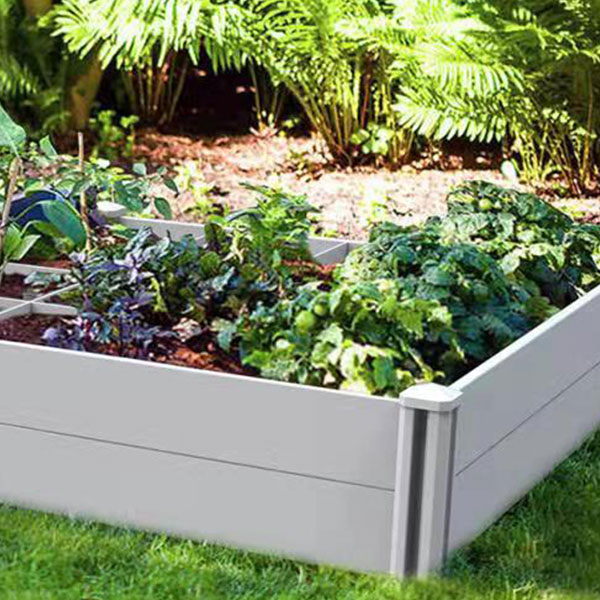
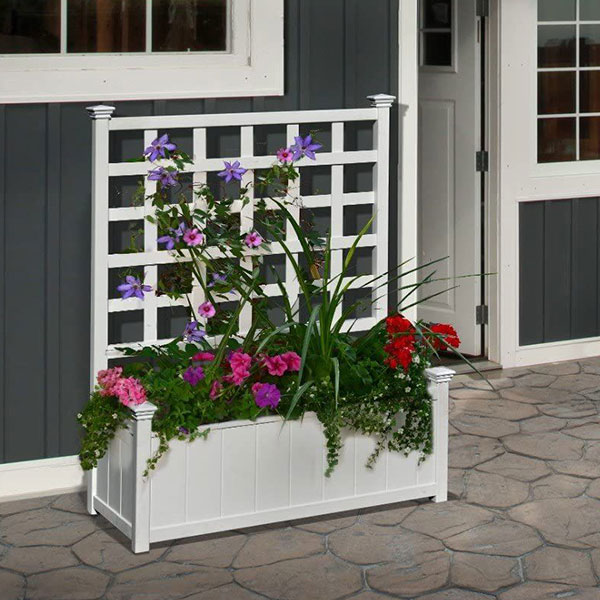
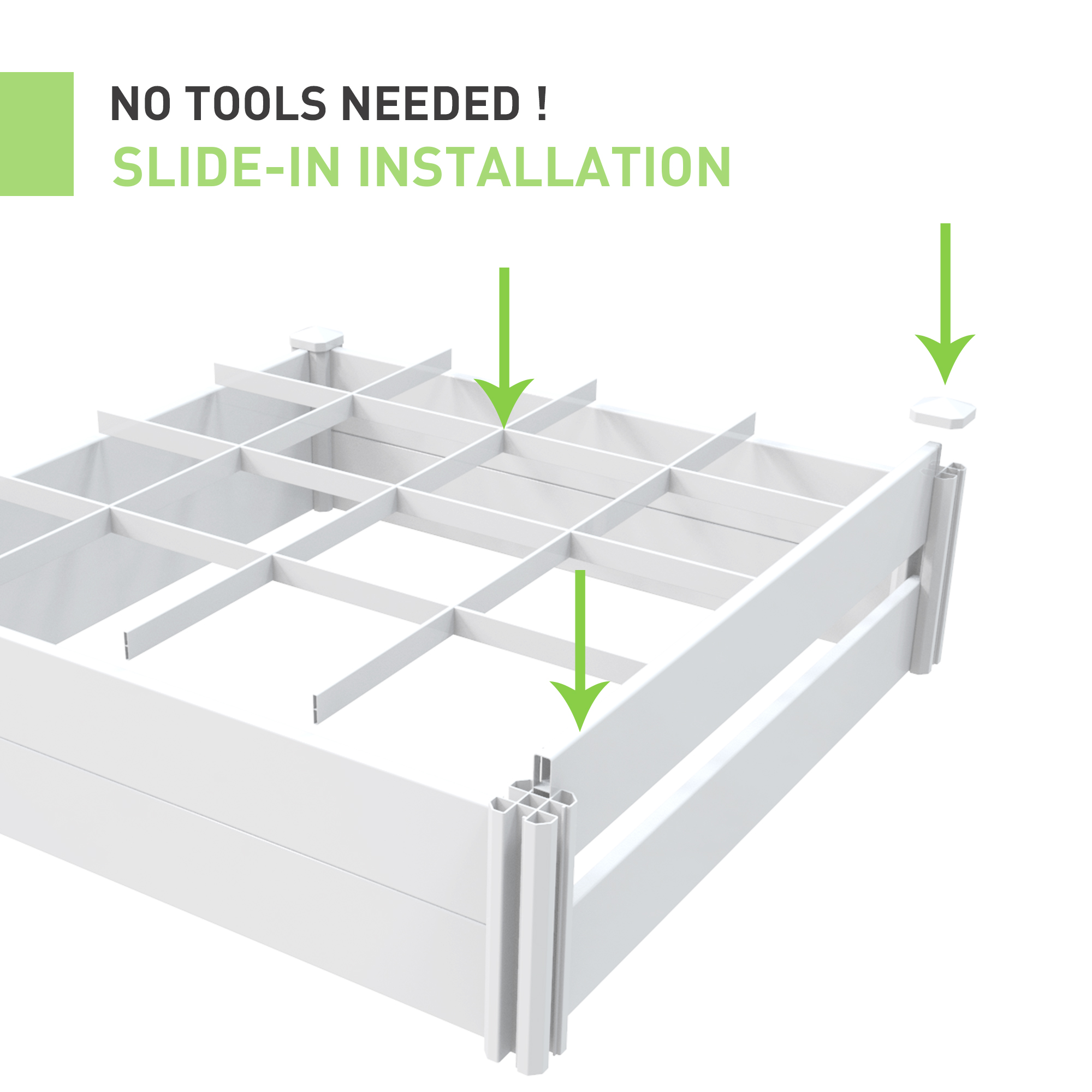 Fentech Plastic Pvc Vinyl Raised Garden Bed[HIGH QUALITY MATERIAL] Raised garden box is made of eco-friendly pvc material with thick, wear-resistant, non-toxic and odorless, high load-bearing, good heat and col...View Product →
Stubborn Stains and What Actually Lifts Them
Most stubborn marks on a vinyl fence are one of five things: returning mildew, rust bleed, hard water scale, fertilizer splash, or surface oxidation.
| Mark | Treatment | Dwell | Watch out for |
| Mildew that returns | 1:5 bleach solution, two applications | 10 to 15 minutes | Do not let it dry on the panel |
| Rust bleed | Oxalic acid rust remover | 3 to 5 minutes | Test on a hidden rail first |
| Hard water scale | White vinegar and water, 1:1 | 5 minutes | Rinse before it dries |
| Fertilizer splash | Mild dish soap and warm water | None | Brush the lower 18 inches |
| Scuff marks | Mild soap plus a light melamine sponge | None | Light pressure only, gloss dulls fast |
| Chalky oxidation | Not removable by cleaning | Not applicable | Cap layer is gone, plan replacement |
If a panel whitens when you rub it with a dry thumb, the cap layer is already gone. No cleaning restores it. The panel has to be replaced, and the rest of the run will follow at roughly the same rate.
Lattice and grid fences are a separate case. Their openings trap pollen and hold moisture longer than a flat face, so the cross members need a soft brush and a low-pressure rinse rather than a cloth, and the cavities behind them should be flushed twice a year.
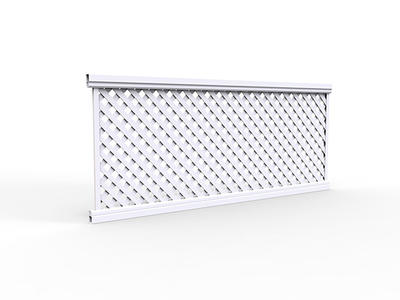 FT-C08 Lattice FenceLattice styles are a commonly sold as privacy screening as well as a front yard decorative fence. These sections are manufactured in both 2"deluxe diagonal and 2" delu...View Product →
A Seasonal Routine That Prevents the Problem
Two full cleanings a year, one in spring after pollen and one in late autumn before the first freeze, keep a vinyl fence looking new without heavy scrubbing.
Spring
Summer
Autumn
Winter
Monthly rinsing does more than any annual deep clean. A fence that is hosed down routinely rarely needs a mildew treatment at all, because spores never get the three or four damp days they need to anchor.
Cleaning has a ceiling, though. When panels feel chalky and stay gray after two full washes, the surface has eroded and replacing individual panels is the practical route. Common heights are sold as standalone panels, so a damaged run can be restored without rebuilding the whole perimeter, and our vinyl privacy fence panels list the standard profiles and rail options.
Frequently Asked Questions
Can I use bleach on a white vinyl fence?
Yes, diluted to 1 part household bleach and 5 parts water. Let it dwell for 10 to 15 minutes, rinse thoroughly, and pre-wet any plants and soil the runoff will reach. Do not mix bleach with other cleaners, and keep it off aluminum hardware where possible.
Does a vinyl fence need sealing after cleaning?
No. Vinyl fencing has no coating to replace, so there is nothing to seal or wax. Products sold as vinyl restorers can add temporary gloss, but they do not repair a chalky cap layer and they are no substitute for cleaning.
How often should a vinyl fence be cleaned?
Twice a year in most climates, in spring and late autumn. Humid or heavily shaded properties where algae grows quickly usually need a light wash every three to four months instead.
Can pressure washing damage a vinyl fence?
It can at the wrong settings. Keep the machine at 1,200 to 1,500 PSI, use a 25-degree or wider nozzle, stay at least 12 inches away, and never direct the stream upward into rail joints or post caps.
 No. 142 Xinxiqiao, Linan, Hangzhou City, Zhejiang Province, 311300, China
 0086-180 5608 2316
 sales@fentechfence.com