 WELCOME TO HANGZHOU FANTAI PLASTIC CO., LTD.
  0086-180 5608 2316
 sales@fentechfence.com
 English
  中文简体
中文简体

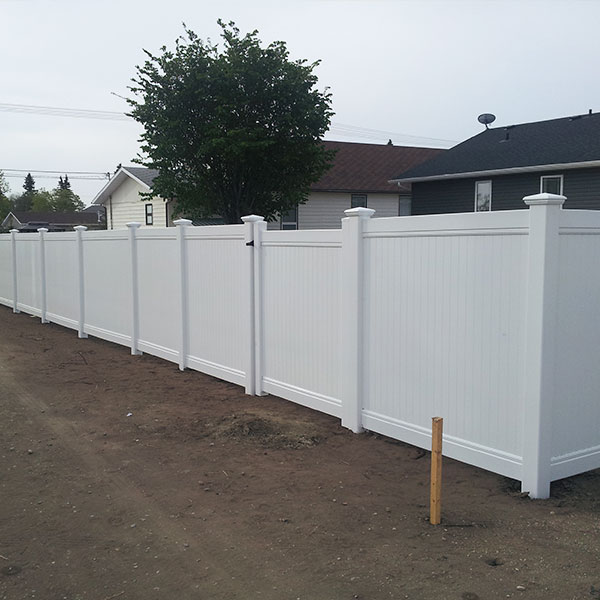
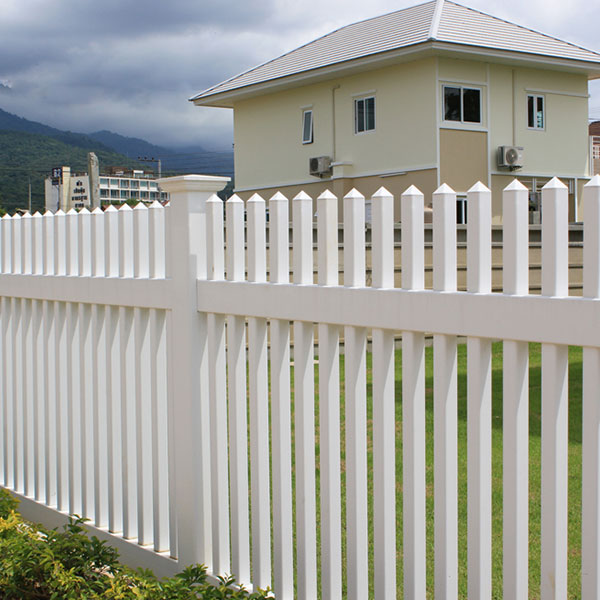
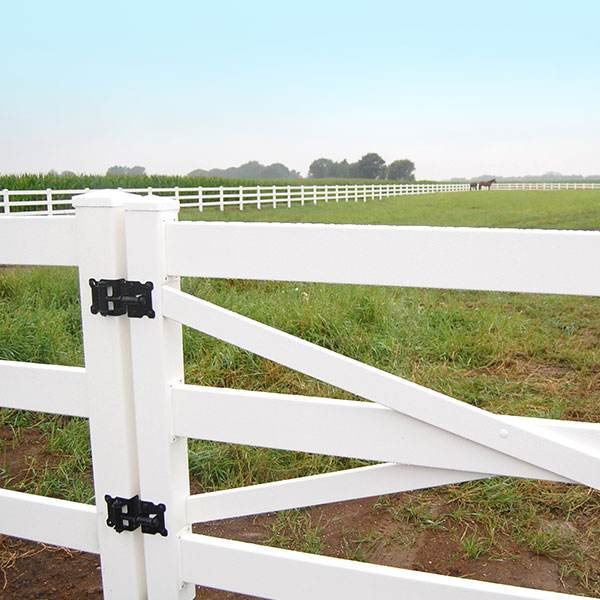
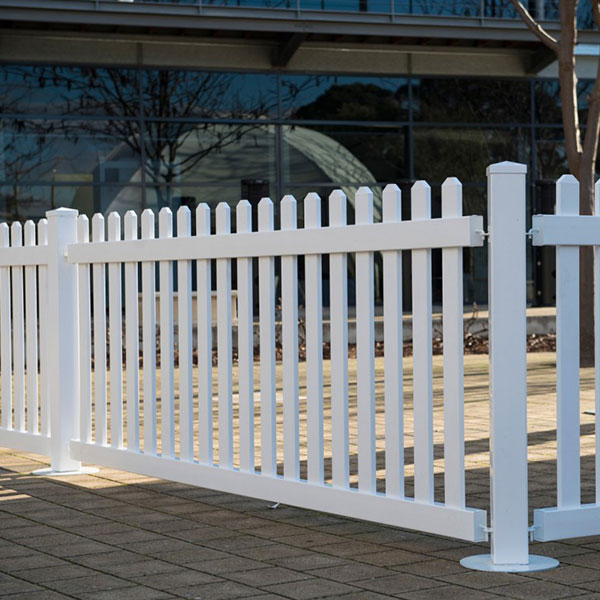

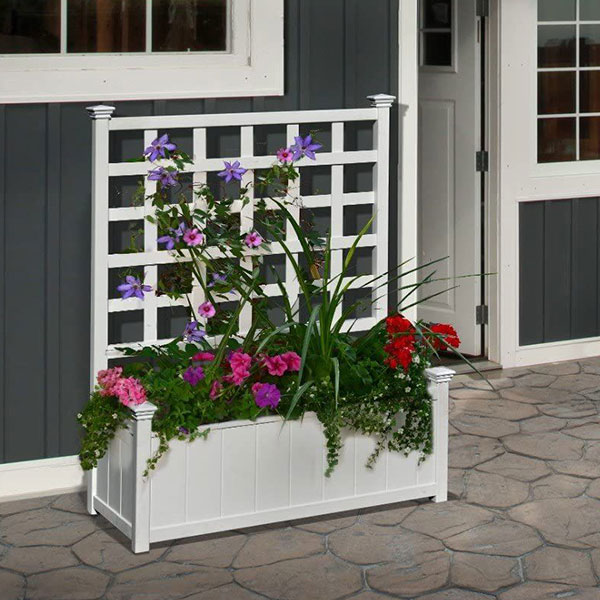
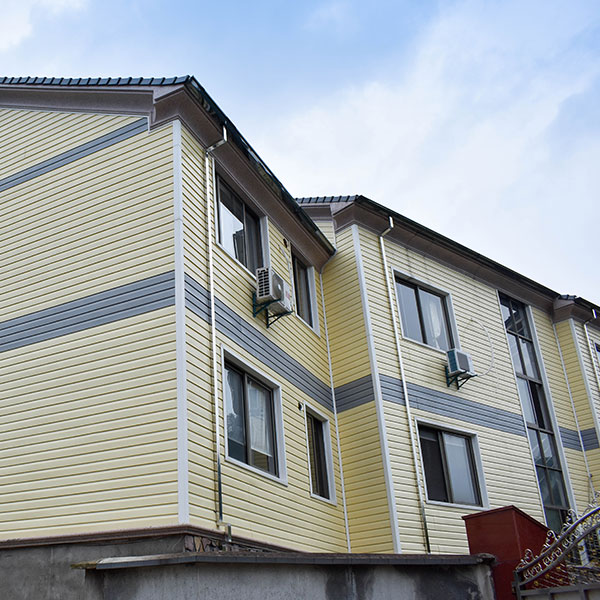
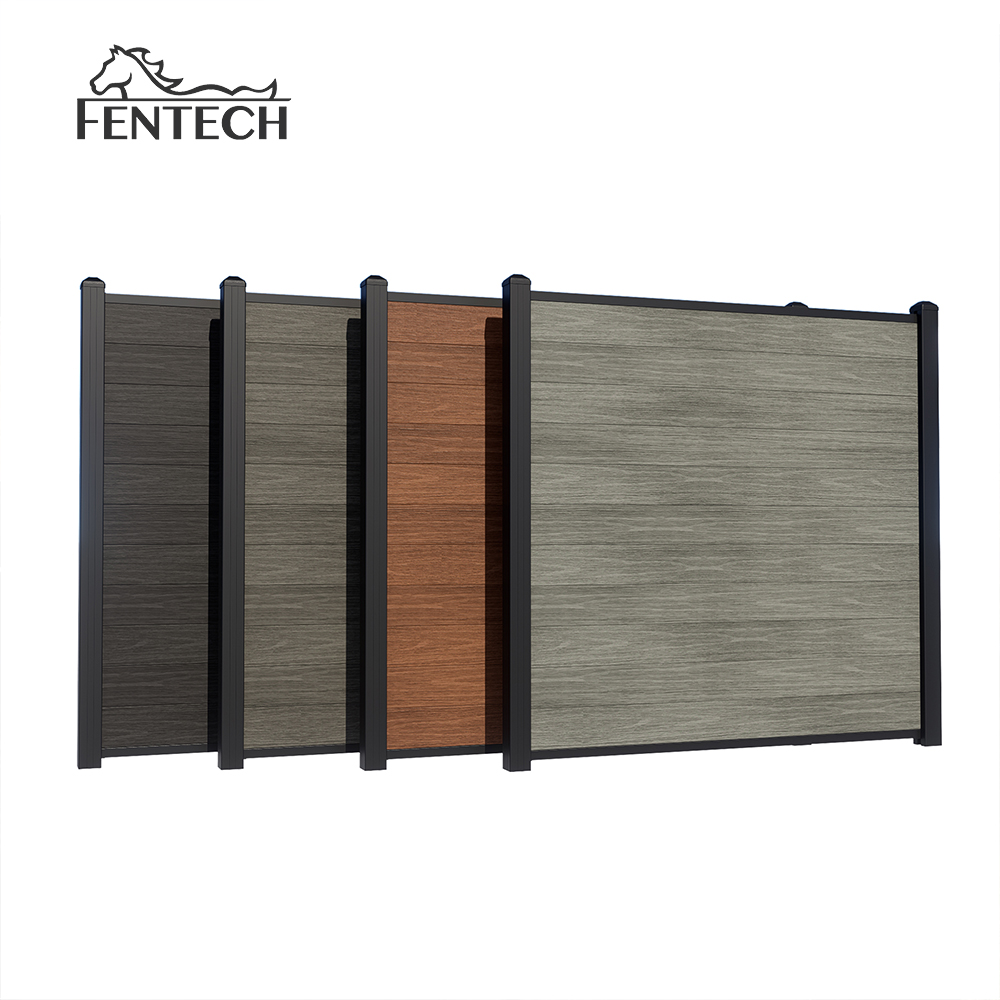
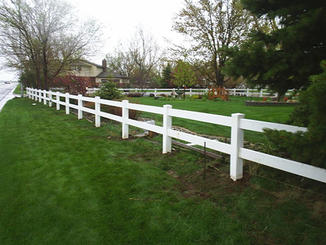
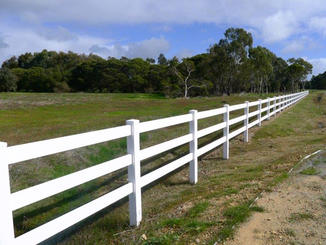
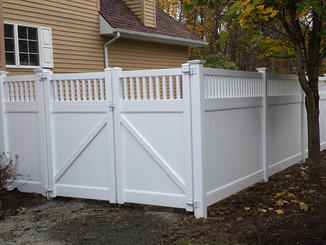
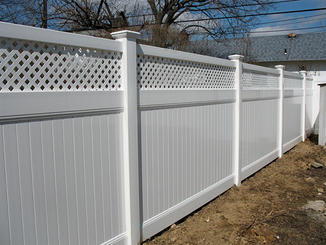
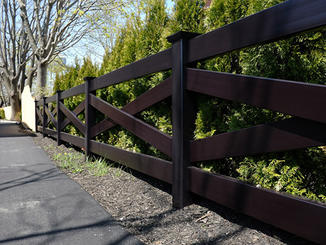
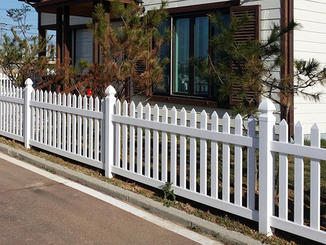

We are professional China Custom Vinyl Fence Manufacturers with fences virgin PVC/Vinyl material and UV Protected.
Content
- 1 What Actually Cleans a White Plastic Fence
- 2 Why White Vinyl Turns Green, Gray and Rusty
- 3 Solution Ratios: What to Mix and What to Avoid
- 4 Step by Step: Washing a Fence in Under an Hour
- 5 Using a Pressure Washer Without Damaging the Panels
- 6 Tough Stains: Rust, Grease, Mildew and Scuffs
- 7 A Year-Round Cleaning Schedule for White Fences
- 8 Frequently Asked Questions
A white vinyl fence that has gone two summers without a wash rarely needs a stripping agent, a wire brush, or a 4,000 PSI gas washer. It needs warm water, a mild detergent, five to ten minutes of dwell time, and a garden hose. Fences that look permanently gray are usually holding a film of pollen, road dust and algae that lifts the moment it is softened. The one thing you cannot undo is abrasion, so the whole job comes down to removing dirt without dulling the thin surface layer that makes a panel white in the first place.
What follows is the working version: the mix ratios, the pressure limits, and the order of operations that keep white PVC fence panels clean through a full season.
What Actually Cleans a White Plastic Fence
A mild detergent in warm water removes routine dirt from a white plastic fence, and a one-to-two vinegar and water mix handles mineral haze and light algae.
Vinyl fencing is not painted, so there is no coating to strip and no reason to reach for harsh chemistry. The color is extruded into the panel itself, and the visible surface is a thin cap layer that carries the UV inhibitors. Caustic cleaners dull that cap and abrasive pads scratch it, and both leave a chalky finish that collects dirt faster than the original surface did.
White plastic fence cleaning is the removal of surface film, meaning dust, pollen, algae and mineral deposits, without abrading the cap layer that holds the color. Every ratio and pressure setting below exists to protect that cap.
1:2Vinegar to water for mineral film
5-10 minDwell time before any scrubbing
1,300 PSIUpper limit for vinyl panels
Technique matters more than the bottle. Apply the solution from the bottom rail upward so runoff does not drag loosened dirt down panels you already cleaned, then rinse from the top down for the same reason. Work in shade or on an overcast day, because a cleaner that dries on a warm panel leaves streaks that take another full wash to remove.
What to have on hand
- A soft-bristle brush on a pole, not a stiff deck brush
- A pump sprayer or two buckets of warm water
- Mild dish soap, white vinegar, and a hose with a fan nozzle
- A soft cloth for post caps, rails and gate hardware
- Gloves and eye protection when diluted bleach is in the mix
Why White Vinyl Turns Green, Gray and Rusty
Three unrelated problems make a white fence look dirty: biological growth on shaded panels, an airborne film of dust and pollen on sun-facing panels, and metal staining from water, fertilizer or hardware.
Algae needs moisture and shade, so it shows up on the north run of a fence, under shrubs, and anywhere a sprinkler overshoots the panels. The gray haze on the sunniest side is usually not fading at all, it is road dust and mowing residue bound to the surface by static and a little moisture. Rust streaks come from somewhere else entirely, which is why scrubbing them makes them worse rather than better.
| Stain | Where it comes from | First treatment |
| Green or black film | Algae and mildew on damp, shaded panels | Bleach diluted 1:10, dwell ten minutes, rinse |
| Gray haze | Pollen, road dust and mowing residue | Warm water with mild dish soap, soft brush |
| Rust streaks | Fertilizer granules, well water, gate hardware | Oxalic acid rust remover, tested first |
| Brown irrigation lines | Iron in sprinkler water | Rust remover, then move sprinkler heads back |
| Scuff marks | Lawn equipment, pets, foot traffic | Mild cream cleanser on a non-scratch pad |
Vinyl is not porcelain. The color cap on a co-extruded panel is measured in fractions of a millimeter, so anything that leaves a visible scratch, including wire brushes, steel wool and scouring pads, removes color as well as dirt.
Panels built with a high-UV ASA cap hold their color longer and resist the chalking that reads as graying from a distance. On a panel that has already gone chalky, no cleaner brings the gloss back, which is worth knowing before you spend a weekend on it. Deeper seasonal routines are covered in these vinyl fence cleaning and care tips.
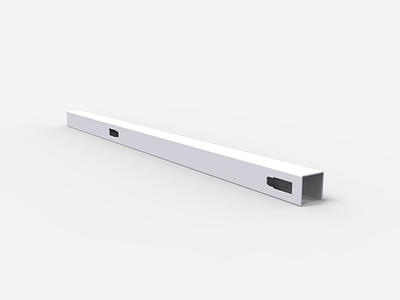 FT-F02 UV-Proof 6x8 Vinyl Privacy Fence Panel KitA closed-top picket vinyl privacy panel kit with aluminum-reinforced bottom rail, available in multiple colors and suited to assembly with pre-routed 5x5 posts and gates.View Product →
Solution Ratios: What to Mix and What to Avoid
A quarter cup of mild dish soap in two gallons of warm water covers routine washing, one part white vinegar to two parts water lifts mineral film, and household bleach diluted between 1:10 and 1:30 handles algae.
Routine wash
- Two gallons of warm water
- Quarter cup of mild dish soap
- Soft brush, light pressure
- For dust, pollen and light graying
Heavy growth
- One part bleach to ten parts water
- A few drops of soap as surfactant
- Pump sprayer, ten minute dwell
- For algae and mildew only
Never mix bleach with vinegar, ammonia or an acid-based rust remover, because the combination releases chlorine gas. Do not let bleach dry on a panel in direct sun, keep it out of planting beds, and rinse the section within ten minutes. Skip abrasive powders, acetone, paint thinner and wire brushes entirely.
Test any new product on a hidden stretch of fence, ideally the back of a post, and wait a full 24 hours before judging the result. Some cleaners discolor vinyl slowly rather than instantly, and the damage shows up as a pale patch in the middle of an otherwise even fence line.
Step by Step: Washing a Fence in Under an Hour
One eight-foot section takes about five minutes: pre-rinse, apply from the bottom up, let it dwell, agitate lightly, rinse from the top down, and move along.
- Pre-rinse with plain water to soften the film and knock off loose dust. Wetting the panel first cuts the amount of cleaner you need by roughly half.
- Mix one batch of solution, about two gallons for every 30 feet of fence.
- Apply from the bottom rail upward so dirty runoff does not streak the panels above.
- Let it dwell five to ten minutes. If the sun is out, mist the section so the solution never dries.
- Agitate with the soft brush in light overlapping passes. The brush loosens film, it does not scrape.
- Rinse from the top down, then check the bottom rail, post caps and gate frames for spots you missed.
Wash in eight to ten foot sections and keep each section wet until you rinse it. Nearly every streak blamed on a cleaner actually comes from letting that cleaner dry in the sun.
Using a Pressure Washer Without Damaging the Panels
A pressure washer is safe on vinyl fencing at or below roughly 1,300 PSI with a 25-degree fan tip held at least 12 inches from the surface.
The failure mode is concentration, not the number on the dial. Water forced upward under a rail pushes past the cap and sits inside the post, and a wand held still in one spot etches a visible line into a panel within seconds. Keep the wand moving, angle the tip downward, and stay off the joints where two panels meet. Electric units top out near 1,600 PSI and are the safer choice for a homeowner, while a gas unit can be used at low throttle with a wide tip and patience.
Tough Stains: Rust, Grease, Mildew and Scuffs
Most stubborn marks on a white fence are metal or vegetable stains, and each has its own remover: oxalic acid for rust, a degreaser for oil, diluted bleach for mildew, and a mild cream cleanser for scuffs.
Rust streaks
An oxalic acid rust remover lifts orange staining from fertilizer and well water within a minute or two. Apply it to a cool, wet panel, keep the treated area small, and rinse hard, because the acid keeps working until it is diluted. If rust keeps returning under a gate, the hardware is usually the source.
Grease and oil
Dish soap alone often does the job. For heavier deposits, a citrus degreaser followed by a soap wash removes the residue that attracts more dust.
Mildew and algae
Diluted bleach at 1:10 kills the growth rather than bleaching the surface. Let it sit ten minutes, then rinse. Panels with a lattice or grid pattern hold moisture in the openings and usually need a second pass.
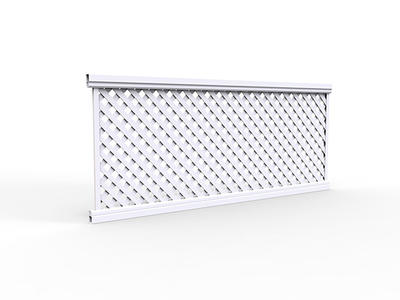 FT-C08 Vinyl Lattice Fence Panel for Privacy and Decorative ScreeningA 48-by-96-inch vinyl lattice panel with aluminum-reinforced bottom rail, for privacy screening or front-yard decoration; matching scalloped and crowned gates are available.View Product →
Scuff marks and paint transfer
A mild cream cleanser on a non-scratch pad takes off shoe marks and lawn equipment scuffs. Rub with the grain of the panel finish and rinse the residue completely, because dried cleanser leaves a white haze of its own.
- Test the product on a hidden post face first
- Apply to a cool surface, never to sun-heated vinyl
- Rinse thoroughly and never let a remover dry in place
- Do not combine products in one bucket
A Year-Round Cleaning Schedule for White Fences
Two full washes a year, one in late spring and one in early autumn, plus a rinse after mowing, keep a white fence looking new in most climates.
Spring
Full wash after pollen season. Check post caps, rails and gates while everything is wet and grippy.
Summer
Spot-treat algae on shaded panels. Rinse after mowing and after a sprinkler has hit the fence line.
Autumn
Full wash before leaves fall and before the first frost, when grime bonds to the surface more stubbornly.
Winter
Rinse road salt spray off. Skip washing below about 40 degrees Fahrenheit, when water freezes in the joints.
Panel profile matters as much as the schedule. A smooth, tight tongue-and-groove panel sheds water and dirt with fewer ledges for algae to grip, which is why white vinyl privacy fence panels with closed rails are quicker to clean than open picket styles. Stainless or aluminum hardware also removes one of the most common sources of recurring rust streaks.
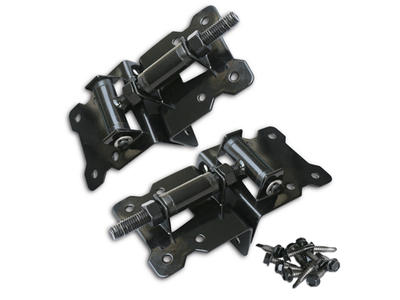 Fentech #8585 Stainless Steel Non-Self-Closing Fence Gate HingeA stainless steel, non-self-closing gate hinge offered as a custom/OEM accessory; choosing stainless hardware helps avoid recurring rust streaks on vinyl fences.View Product →
- Keep sprinkler heads three feet back from the fence line
- Trim shrubs to leave a 12 inch air gap along the panels
- Rinse fertilizer granules off within a day of spreading
- Rinse after mowing close to the fence
- Skip sealants and paint, because vinyl needs neither
Frequently Asked Questions
How often should a white plastic fence be cleaned?
Twice a year for most homes, in late spring and early autumn, with a quick rinse after mowing or after a sprinkler has hit the panels. Fences under trees or on the shaded north side may need a third spot treatment for algae in mid-summer.
Can I use bleach on a white vinyl fence?
Yes, diluted between 1:10 and 1:30 with water, and only for algae or mildew. Never mix it with vinegar, ammonia or acid removers, do not let it dry on the panels, and keep the runoff out of garden beds.
Is a pressure washer safe for vinyl fencing?
Below about 1,300 PSI with a 25-degree tip held 12 inches away, it is safe and fast. Above that, or with a 0-degree tip, water etches the cap layer and can push past rail joints into the posts.
What removes green algae from a white fence?
Diluted bleach or an oxygen bleach powder, applied with a pump sprayer, left to dwell for ten minutes and then rinsed. Brushing before the dwell time simply spreads the spores instead of killing them.
 No. 142 Xinxiqiao, Linan, Hangzhou City, Zhejiang Province, 311300, China
 0086-180 5608 2316
 sales@fentechfence.com