 WELCOME TO HANGZHOU FANTAI PLASTIC CO., LTD.
 0086-180 5608 2316
 sales@fentechfence.com
 English
 中文简体


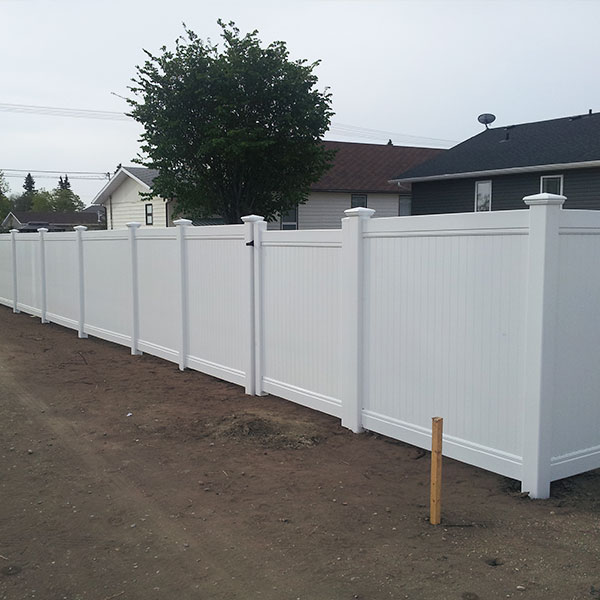
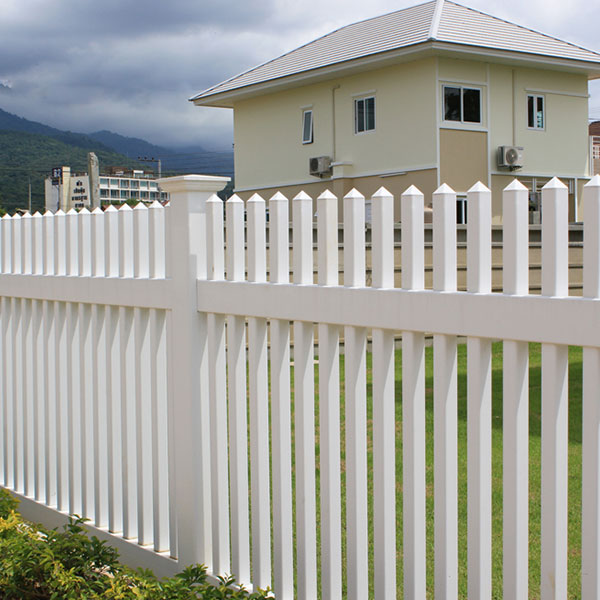
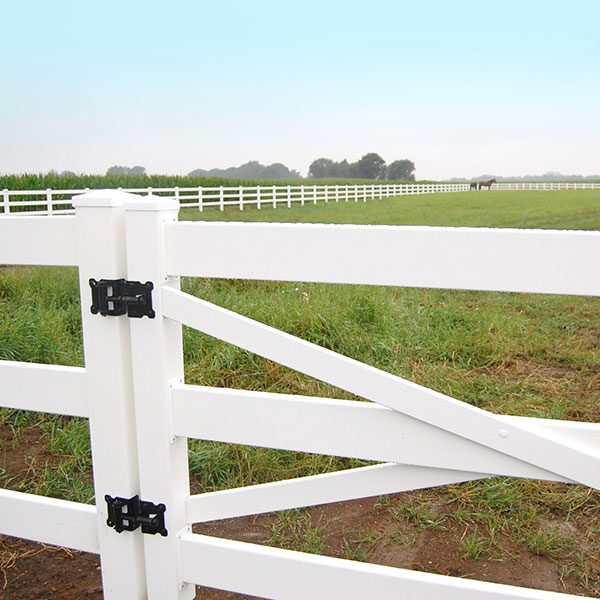
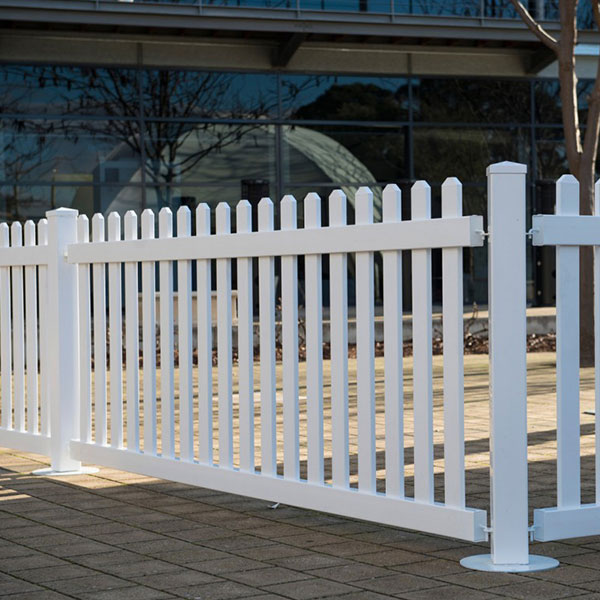

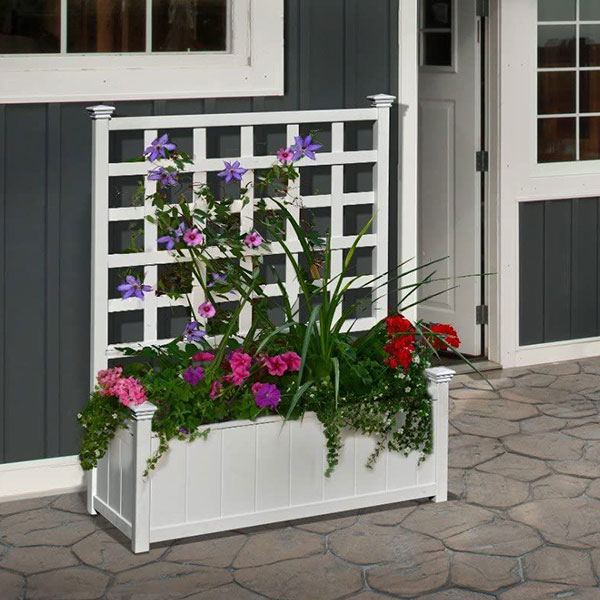
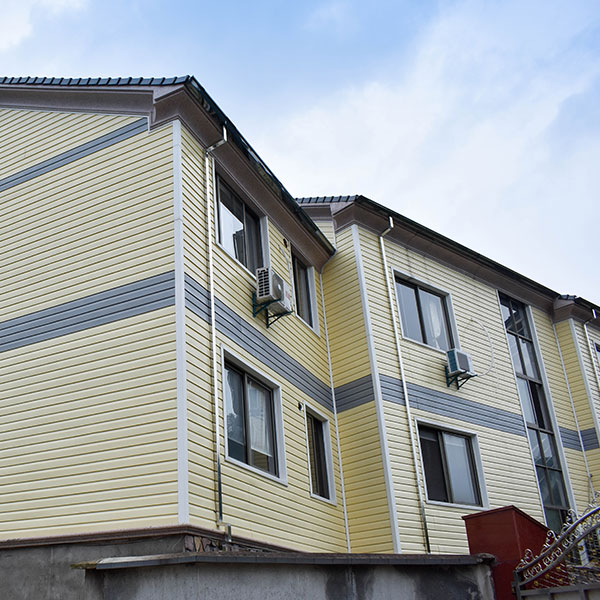
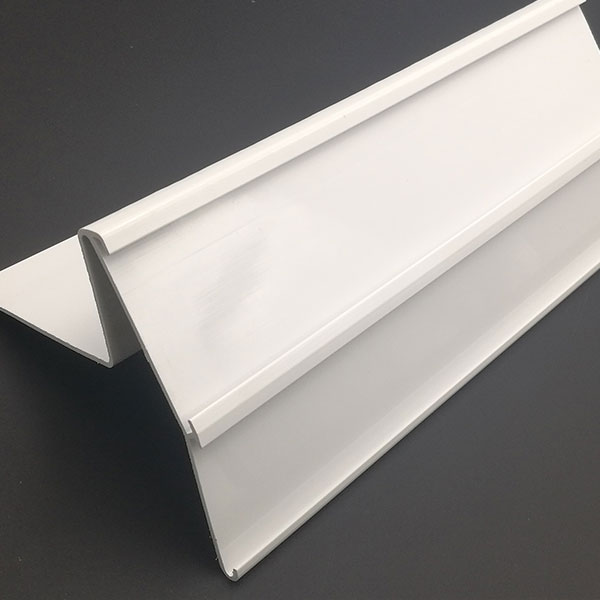
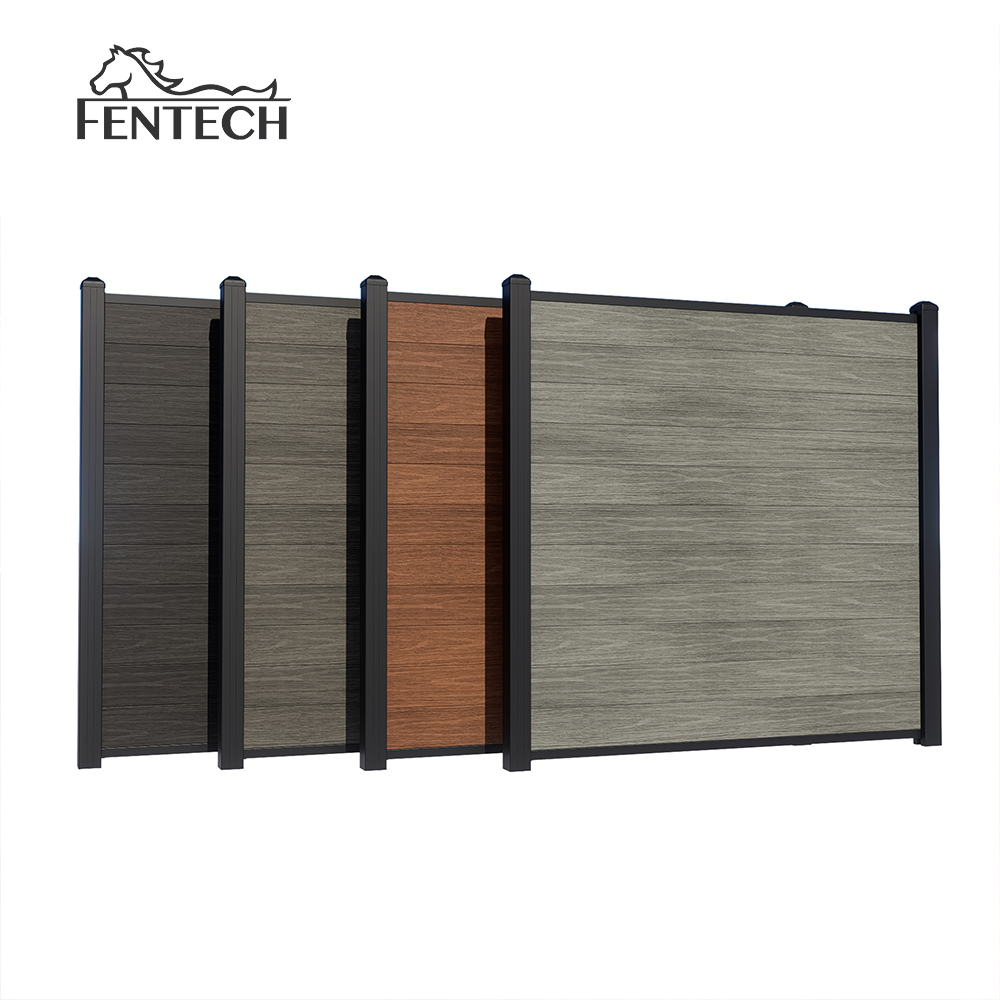
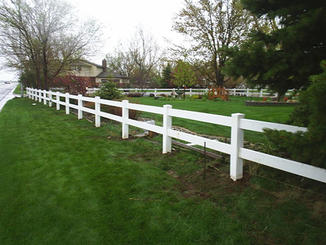
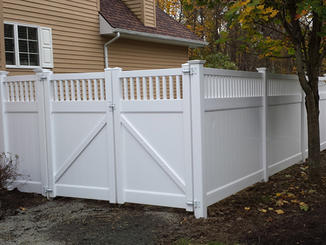
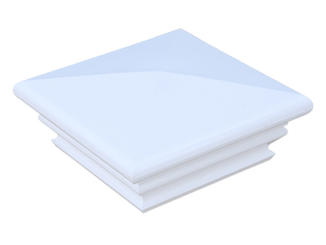
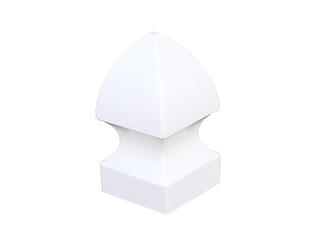
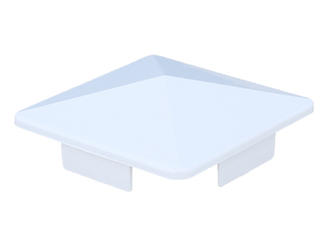
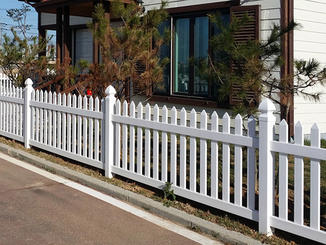

We are professional China Custom Vinyl Fence Manufacturers with fences virgin PVC/Vinyl material and UV Protected.
Content
- 1 How Color Is Built Into a Vinyl Fence Panel
- 2 The Six Color Families Buyers Actually Choose From
- 3 Light Versus Dark: Heat, Fade and Everyday Scuffs
- 4 Woodgrain, Two-Tone and Custom Color Matching
- 5 Matching Color to the Site, Not Just the House
- 6 Six Checks Before You Approve a Color Sample
- 7 Vinyl Fence Color Questions Buyers Ask Most
Two panels can leave the same extrusion line with identical profiles and look nothing alike after five summers, and color is almost always the reason. Vinyl fence color is not a coating that can be brushed on again later; pigment, filler and UV stabiliser are compounded into the PVC before the profile is formed, so the shade approved on a sample chip is the shade the whole run commits to.
How Color Is Built Into a Vinyl Fence Panel
Vinyl fence color comes from pigment dispersed in the PVC compound itself, delivered either through the full wall thickness or as a thin co-extruded cap over a cheaper core.
Both routes produce a panel that looks correct on the day of installation. They separate in year three, when a trimmer hits a post or a gate starts to swing against its latch. A through-color profile keeps the same shade under a scratch; a capstock profile exposes the core.
Through-color
- Pigment runs through the full wall thickness
- Scratches and cut ends stay close to the surface shade
- Best for posts, gates and rails that get handled
- Usually limited to solid shades and shorter color lists
Co-extruded capstock
- Thin ASA or PVC skin over a white or grey core
- Carries woodgrain, deep charcoal and metallic looks
- Deep scratches can expose the core underneath
- Fade resistance depends on the cap grade, not the shade
In a quotation, "colored vinyl" can mean either route. Ask for a cross-section sample rather than a surface chip, and confirm whether the cap is ASA or plain PVC before you compare prices line by line.
The Six Color Families Buyers Actually Choose From
Almost every vinyl fence program is built around six color families: white, almond or cream, tan or clay, grey, black, and woodgrain.
Each family carries its own maintenance profile, not just a different look. This is the short version we use when a buyer is narrowing a range for a project.
| Color family | Where it works | What to watch |
| White | Privacy, picket, pool and frontage fencing | Reflects heat best but shows dirt, pollen and irrigation stains first |
| Almond or cream | Traditional residential, HOAs that limit pure white | Softer against brick; slight yellow drift is the usual long-term complaint |
| Tan or clay | Rural properties, Mediterranean and southwestern styles | Hides dust well; mid tones warm up noticeably in full sun |
| Grey | Modern and coastal builds, commercial boundaries | Light grey is the most forgiving all-round shade; charcoal behaves like black |
| Black | Equestrian rails, modern frontage, sign and marker posts | Strong contrast and crisp lines, with the highest surface heat in the range |
| Woodgrain | Sites that want a timber look without timber maintenance | A patterned cap, not a stain; check grain direction on gates and corners |
Light Versus Dark: Heat, Fade and Everyday Scuffs
Light colors stay cooler and hold their shade longer, while dark colors absorb more solar heat and need a heavier stabiliser package to survive the same exposure.
Heat matters for two reasons. A dark profile expands and contracts across a wider range, so post spacing, rail engagement and gate clearance all need a little more tolerance. And a hot surface is a soft surface: an impact that bounces off a white panel can mark a black one on a 35 C afternoon.
Fade reads differently by shade. On a dark panel it appears as a chalky haze; on white it appears as yellowing near the top rail. Both are driven by pigment grade and stabiliser loading rather than by the color itself, which is why two charcoal fences from different suppliers can age in completely different ways. The mechanism is explained further in this note on color stability in vinyl fencing.
For a high-sun site in a mid or dark shade, specify a panel built around a UV-stabilised cap rather than a standard through-color compound.
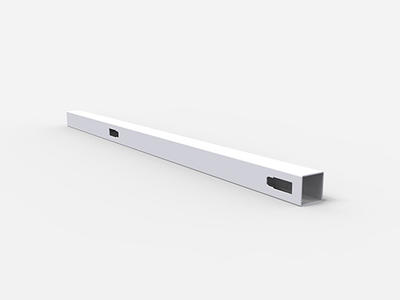 FT-F02 UV-Proof Vinyl Privacy Fence Panel KitA picket-top semi-privacy panel kit for residential yards, offered in several colors and positioned as UV-proof for high-sun fence projects.View Product →
A working rule: white and light grey can be specified almost anywhere without a conversation. Charcoal and black deserve a written heat and stabiliser spec, not just a swatch and a price.
Woodgrain, Two-Tone and Custom Color Matching
Woodgrain and non-standard shades are produced with a co-extruded ASA capstock or a printed film, and a true custom color requires a dedicated extrusion run.
ASA holds gloss and color better than plain PVC under UV, which is why most convincing timber-look profiles use it on the outer skin. A custom shade is a different exercise again: the compound is matched to a physical chip, then extruded, so a buyer should expect a color-match charge, a minimum order measured in tonnes of profile rather than panels, and a longer lead time than any catalogue shade.
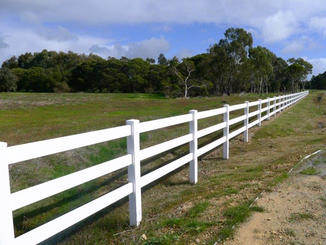 Custom 7/8" x 11.3" T&G Privacy Fence Panel ProfileAn OEM vinyl tongue-and-groove profile for privacy fences, relevant when a project needs a custom color route rather than a catalogue shade.View Product →
Profiles can also be run to a customer's own color standard instead of a catalogue shade, which is what the custom profiles route is for. It is the right path when a project has to sit against an existing facade or a brand palette.
Send a physical chip, never a phone photo. A photograph carries the camera white balance, the screen calibration and the light of the moment; a 50 mm offcut of the actual trim does not.
Matching Color to the Site, Not Just the House
Color should follow the setting: residential frontages suit white, cream and light grey; rural and equestrian boundaries carry tan, black and woodgrain better; commercial and temporary fencing benefits from high-visibility shades.
Residential frontage
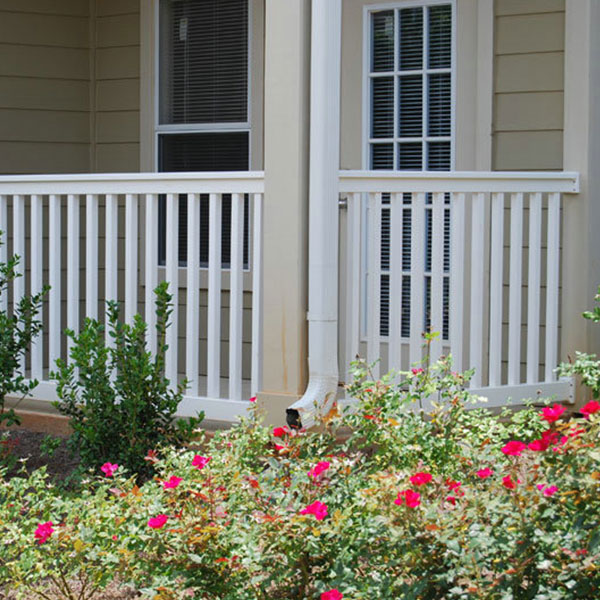
White, cream and light grey keep a street frontage bright and read cleanly against brick, render and planting.
Rural and equestrian
Tan and black rails disappear against grass and hedge lines, which is why they dominate pasture and arena fencing.
Commercial and temporary
Higher contrast shades and clean white panels keep site hoarding and event barriers legible from a distance.
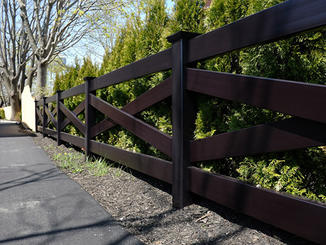
Black rail fencing is popular on horse properties for a practical reason: it reads as a clean line from the yard and does not glare in low winter light. The trade-off is heat, so rail geometry and gate hardware should be checked rather than assumed.
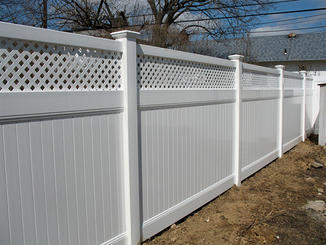 FT-H04 Black Cross Rail Vinyl Horse FenceA black vinyl post-and-rail horse fence that reads as a clean line; check rail geometry and gate hardware for heat.View Product →
A fence is read at 30 meters, not at arm's length. Judge a color from the road, against the roof and the planting, before you judge it on a sample board.
Six Checks Before You Approve a Color Sample
Approve a vinyl fence color only after you have seen the cut edge, the gloss level, and the same shade under two different lighting conditions.
- Cut a corner off the sample. A different core color means capstock, not through-color.
- View it in overcast light and in direct sun. Gloss differences between panel and trim only appear in raking light.
- Check the lot code on the carton against the sample. Color is matched per production run, not per year.
- Ask which stabiliser system is used, not whether the panel is "UV resistant". Every supplier says yes to the second question.
- Confirm gates, post caps, skirts and brackets come from the same run as the panels.
- Wipe the surface with a wet cloth and let it dry. A chalky film on a new sample points to heavy filler loading, which dulls the shade faster outdoors.
A color approval is a specification, not a preference. Put the shade name, gloss level and production run on the purchase order, because verbal approvals are the ones that end in disputes.
Vinyl Fence Color Questions Buyers Ask Most
Most color questions come down to three things: fading, surface heat, and whether a specific shade can be matched to existing trim.
Does the color of a vinyl fence fade over time?
All pigments shift slightly, and the rate depends on stabiliser loading, pigment grade, latitude and which face takes the afternoon sun. A well-stabilised white panel commonly holds its shade for a decade or more, while a cheap dark compound in a high-UV market can read chalky within three to four years. South and west-facing runs always age first.
Can a vinyl fence be painted a different color?
It can be painted, but adhesion on PVC is marginal and most manufacturers void the color warranty once a coating goes on. A bonding primer plus a flexible exterior coating buys a few years, not a decade. Ordering the shade you want costs more up front and less across the life of the fence.
Is black vinyl fencing too hot for horses?
The surface gets hot, and the rails are what horses actually touch. Black is still widely used on equestrian properties because it reads cleanly against grass and hides dust better than white, but on a high-sun site it should be paired with a UV-stabilised cap and checked against how animals move around gates and water points.
Can a specific color, such as a house trim color, be matched?
Yes, through a custom profile run: the compound is matched to a physical chip and then extruded to order. Expect a color-match charge, a minimum order in tonnes rather than panels, and a longer lead time than a catalogue shade. Send an offcut of the trim, not a photograph.
 No. 142 Xinxiqiao, Linan, Hangzhou City, Zhejiang Province, 311300, China
 0086-180 5608 2316
 sales@fentechfence.com
