 WELCOME TO HANGZHOU FANTAI PLASTIC CO., LTD.
 0086-180 5608 2316
 sales@fentechfence.com
 English
 中文简体


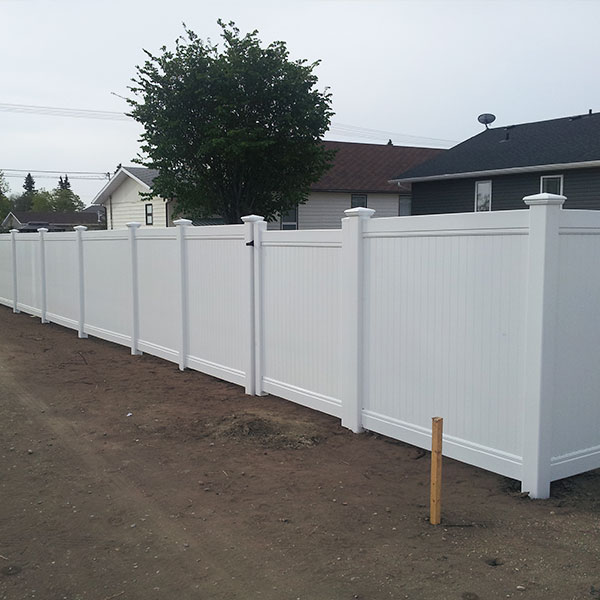
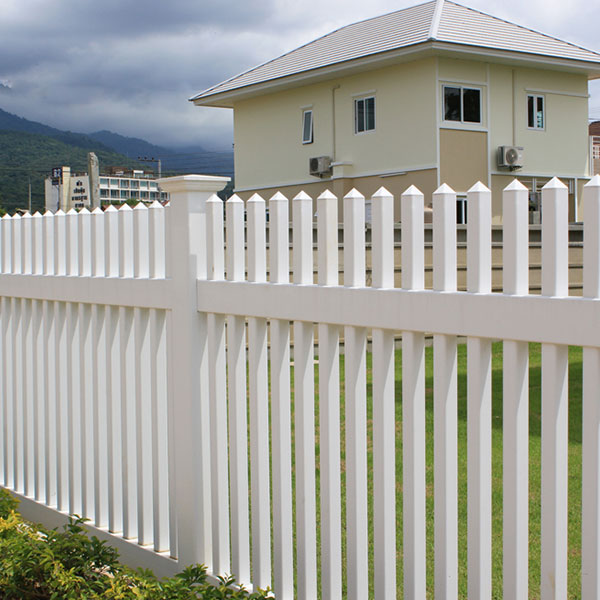
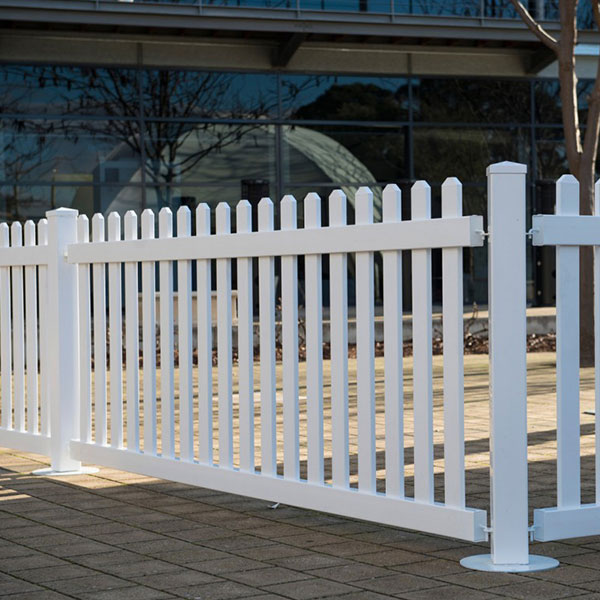
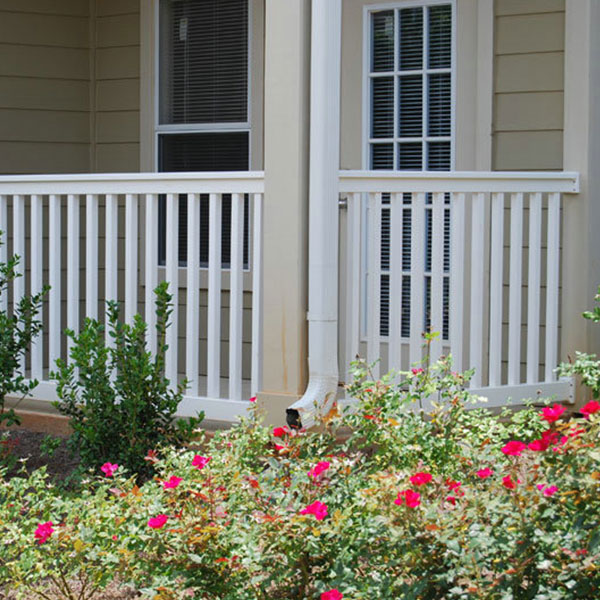
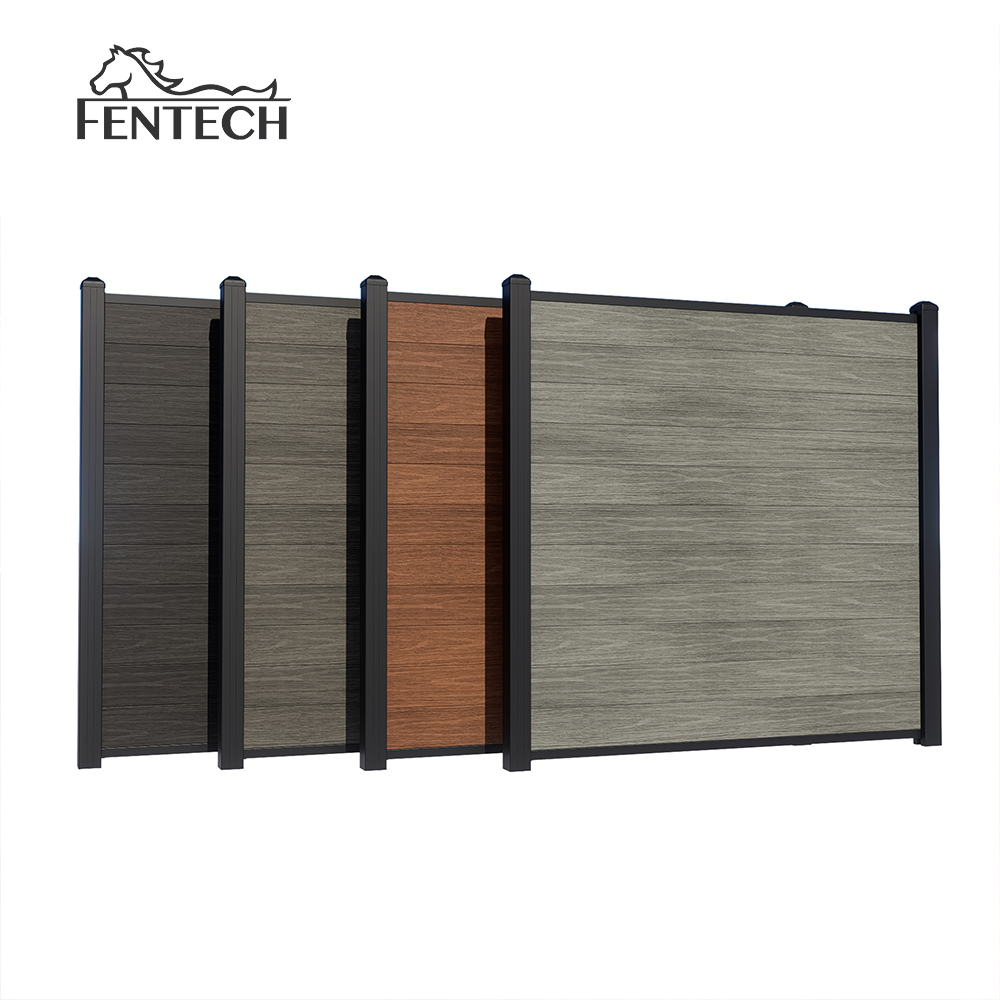
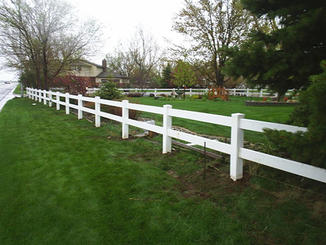
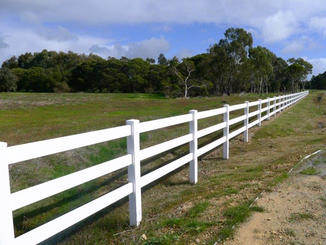
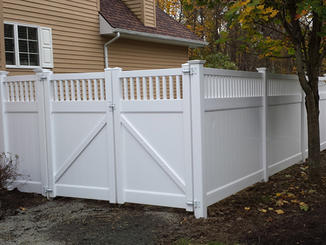
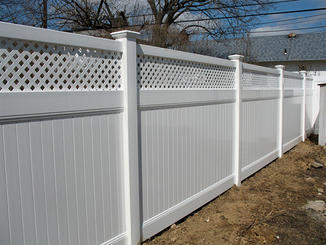
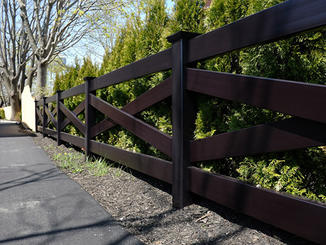
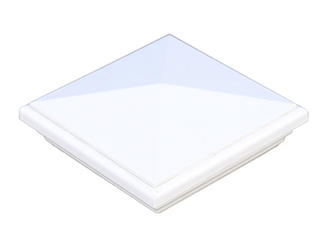
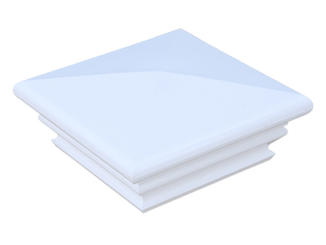
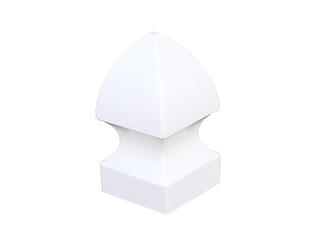
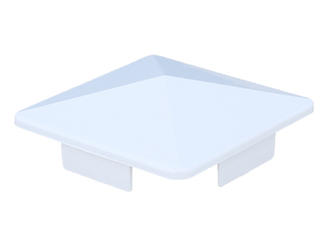
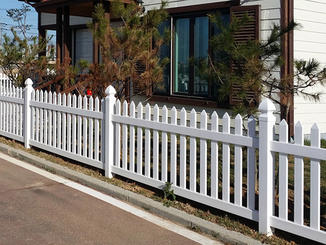

We are professional China Custom Vinyl Fence Manufacturers with fences virgin PVC/Vinyl material and UV Protected.
Content
A corral fence is a working pen, not a pasture boundary. The difference shows up the first time an animal hits a gate, a handler turns a horse in a tight corner, or a loader bumps a post. Most failures start below grade and at the gate, not in the rail color.
4 to 5 ft common visible rail height for horse pens
36 to 48 in typical post depth below grade, adjusted for frost and soil
8 to 10 ft common post spacing for post and rail corrals
Think in three zones: the animal zone, the handler zone, and the equipment zone. A corral that ignores the handler zone becomes a daily wrestling match, even when the rails look strong.
Design Around the Animal and the Job
Start with the job: a horse corral, a cattle working pen, and a round pen need different layouts even when they use similar rails. Cattle pens need a clear flow to an alley or chute. Horse pens need room to turn without trapping a leg. A round pen needs a consistent inside radius that keeps pressure predictable.
Horse Corral
- Prioritize visibility, safe corners, and gate swing clearance.
- Use rail spacing that discourages hoof or leg entry.
- Keep feed, water, and handler access outside the main travel path.
Cattle Working Pen
- Plan a straight run to the alley, chute, and loading area.
- Use stronger posts at corners and gate hang points.
- Allow for equipment turning space and solid crowd flow.
Write the animal type, average weight, number of animals, and handling method on the plan. A pen for weanlings and a pen for mature bulls may use the same footprint on paper but need very different post and rail specifications.
For horses, safe edges and predictable sight lines matter more than raw height. A 5 ft pen with sharp bolt ends and a dragging gate is less safe than a 4 ft pen with clean hardware and good footing.
Set Dimensions Before You Price Materials
Set post spacing, rail height, and gate width on paper before you request a quote. Corral pricing changes quickly when post count, rail count, and gate hardware are still undefined. Use planning ranges as a starting point, then adjust for local code, animal size, soil, and frost depth.
| Use | Typical height | Post spacing | Rail spacing | Notes |
| Horse corral | 4 to 5 ft | 8 to 10 ft | 8 to 12 in between rails | Watch gate swing and corner radius. |
| Cattle working pen | 5 to 6 ft | 6 to 8 ft at high-pressure areas | Closer spacing near crowding zones | Plan the alley and chute first. |
| Round pen | 4 to 5 ft | 8 to 10 ft on the curve | Consistent rail gaps | Keep the inside surface free of traps. |
| Foaling or recovery pen | 4 to 5 ft | 8 ft | Small gaps, no sharp edges | Use quiet gates and clean corners. |
Post depth matters more than rail count. A 3-rail corral on shallow posts will move before a 2-rail corral on properly set posts, especially in sandy soil or freeze-thaw ground.
Compare Rail Materials by Failure Mode
Vinyl, wood, and steel corral rails fail in different ways, so compare impact behavior, maintenance, and repairability before price per linear foot. Wood rots at the ground line and chews at the top rail. Steel dents, rusts, and can create hard impact points. Vinyl resists rot and insects, but it must be specified as a corral system rather than a decorative garden fence.
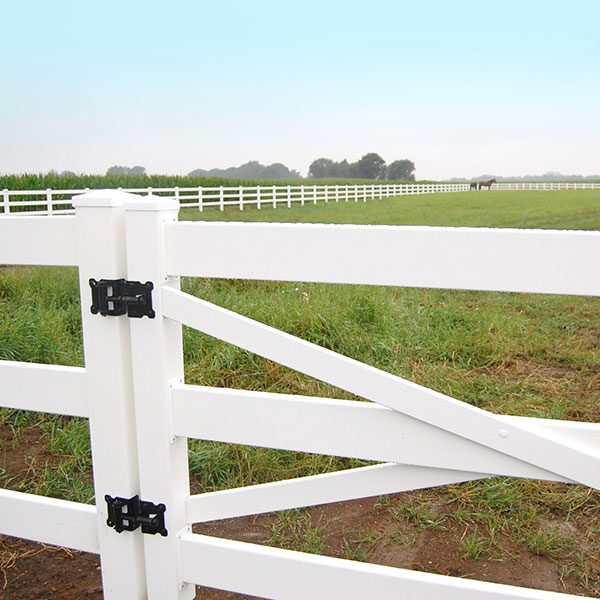
For a vinyl corral, check rail wall thickness, post dimensions, and reinforcement at gate hang points. Fentech supplies vinyl post and rail profiles, gates, and hardware for horse fence and corral projects, so buyers can match rails, posts, and fittings from one specification. The horse fence range shows the main product categories before you settle on a layout.
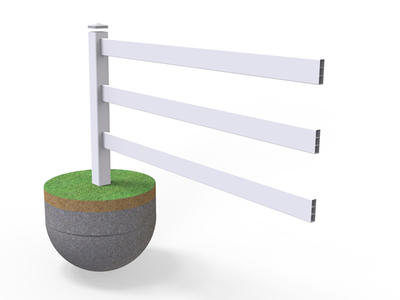 3-Rail Vinyl Horse Fence SystemA 5x5 post and 2x6 rail system with notched rails and optional caps, suited to low-maintenance vinyl corral layouts.View Product →
Vinyl
Low routine maintenance and no painting. Use heavy posts, reinforced rails, and clean caps for corral duty.
Wood
Easy to repair on site, but needs regular inspection for rot, chew damage, and loose fasteners.
Steel
Strong and rigid, but hard impacts and exposed edges need careful detailing around animals and handlers.
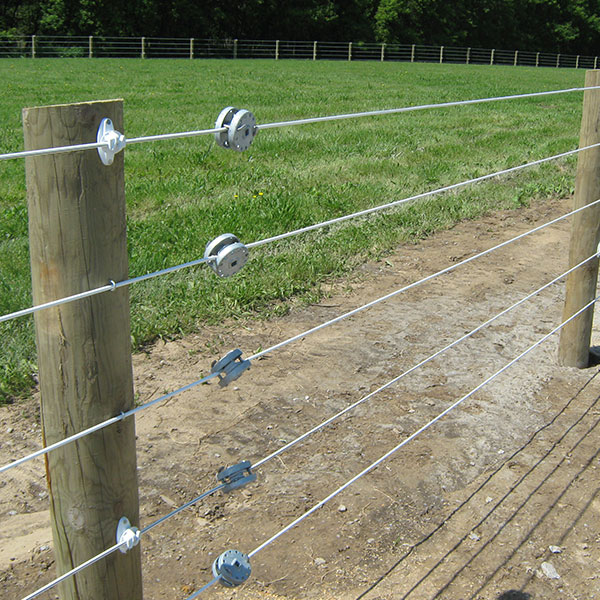
For young horses, training pens, or crowded handling areas, flexible rail systems can reduce the sharp impact of a rigid rail. A flexible fence is not a substitute for correct layout, but it can lower injury risk when an animal hits the fence line.
 FT-108R Flexible Horse Fence RollA flexible rail option for training pens and handling areas, supplied in 200 m rolls in brown, black, or white.View Product →
Do not spec a vinyl corral like a privacy fence. Privacy panels shed wind and hide animals. Corral rails need open sight lines, strong posts, and hardware that does not trap hooves or halters.
Gates, Hardware, and the Details That Prevent Injury
The gate is the highest-use part of a corral fence, so size it for the equipment and livestock that will pass through it, then choose hardware with no exposed sharp edges. An 8 ft gate may be fine for a small horse pen, while equipment access may require 10 to 12 ft. The latch should work with one hand, gloves on, without a handler stepping into the animal's path.
- Hang gates on posts that are deeper or larger than line posts, because the gate adds leverage and repeated load.
- Set the gate to swing away from the main crowding area when possible, and keep the swing clear of feed and water.
- Check hinges, latches, and caps for bolt ends, sharp corners, and gaps that can catch a halter or blanket.
- Use a drop rod, double latch, or chain where animals can push against a gate during handling.
 Vinyl Gate for 3-Rail Horse FenceA pre-assembled 3-rail gate with latch, hinges, and aluminum-reinforced hanging post; single 5–8 ft or double up to 16 ft.View Product →
A gate that drags, sags, or swings into the pen is a daily safety issue. Fix the post and hinge alignment before adding another latch or strap.
Build the Corral in the Right Sequence
Build in sequence: mark the layout, set the corner and gate posts, install rails, hang gates, then walk the pen with a handler and an animal in mind. Skipping the walk-through is how small details become daily problems, especially at corners, waterers, and gate latches.
- Mark the layout. Check square, gate swings, alley width, and equipment turning radius before digging.
- Set corner and gate posts first. These carry the highest loads and control the line for every other post.
- Install rails from the bottom up. Keep gaps consistent and check rail flex before final fastening.
- Hang gates and test hardware. Open and close each gate under load, then check for sharp edges and pinch points.
- Walk the pen. Look for gaps, projections, loose caps, and places where an animal can get a head or leg into the rail line.
Check every post for plumb and every rail for flex before backfilling. A corral looks finished when the last cap goes on, but it is only trustworthy after a loaded gate test and a full walk-through.
Buying and Maintenance Checklist
Buy the corral as a system: posts, rails, gate, hardware, and caps should come from one specification, not five unrelated purchases. Mixed components can work, but the buyer needs to confirm that post dimensions, rail profiles, and hinge spacing actually match.
- Write down animal type, mature weight, pen dimensions, gate locations, and expected animal count.
- Ask for rail wall thickness, post dimensions, UV package, and hardware finish in writing.
- Confirm gate width, gate swing direction, hinge type, latch type, and post reinforcement.
- Plan for footing, drainage, water access, and a clean route for feed and waste removal.
- Set a maintenance interval: inspect posts after freeze-thaw, check gate hardware monthly, and wash rails as needed.
Ask for a replacement-part list before delivery. Caps, brackets, hinges, and latches are small items that stop a corral build when one size is missing.
What is the best height for a corral fence?
For horses, 4 to 5 ft visible height is a common starting range. Cattle working pens often use 5 to 6 ft. Confirm local requirements and match the height to the animal and handling method.
How deep should corral posts be set?
Many corral posts are set 36 to 48 in below grade, with deeper settings in sandy soil or above the frost line. Gate posts usually need extra depth or concrete because they carry more load.
Are vinyl corral fences strong enough for horses?
Yes, when the vinyl system is specified for livestock rather than garden use. Check post size, rail wall thickness, gate reinforcement, and hardware quality instead of relying on the word vinyl alone.
How far apart should corral posts be?
For many post and rail corrals, 8 to 10 ft is common. High-pressure areas, corners, and gate posts are often set closer or built heavier. The rail profile and animal type should drive the final spacing.
A corral fence works when it fits the animal, the handler, and the equipment. Start with the job, set dimensions before price, and treat gates and posts as the critical load points rather than accessories.
If you are planning a vinyl corral for horses, cattle, or mixed use, contact our team with pen dimensions, animal type, and gate locations. We can review profiles, rails, and hardware before you order.
 No. 142 Xinxiqiao, Linan, Hangzhou City, Zhejiang Province, 311300, China
 0086-180 5608 2316
 sales@fentechfence.com
