 WELCOME TO HANGZHOU FANTAI PLASTIC CO., LTD.
 0086-180 5608 2316
 sales@fentechfence.com
 English
 中文简体



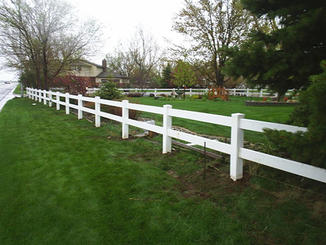
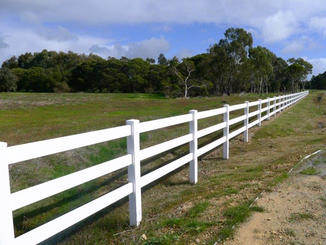
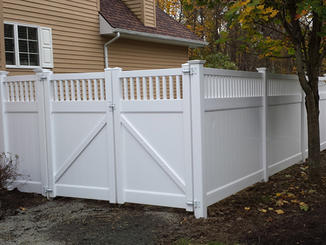
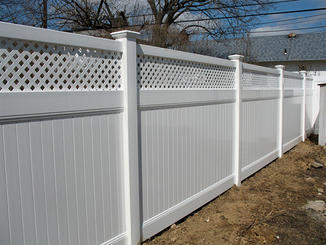

We are professional China Custom Vinyl Fence Manufacturers with fences virgin PVC/Vinyl material and UV Protected.
Content
- 1 How Vinyl Fence Color Is Actually Produced
- 2 The Standard Palette: White, Almond, Tan and Gray
- 3 Woodgrain, Black and Deep Gray
- 4 Two-Tone and Mixed-Color Builds
- 5 How Color Affects Heat, Fading and Cleaning
- 6 Sampling and Specifying Color Before You Order
- 7 Frequently Asked Questions About Vinyl Fence Colors
A white privacy panel and a black horse rail can leave the same plant on the same truck and behave like two different products. On a hot afternoon the black profile runs noticeably warmer to the touch, and the white one shows every splash of mud long before the season ends. Color is a line on the purchase order, not a brochure detail.
Vinyl fencing color is fixed during extrusion rather than applied afterwards. That single fact explains why some shades cost more per panel, why dark profiles often carry thicker walls, and why a replacement picket ordered two seasons later can arrive a shade off from the run you installed.
Route one Through-color Pigment is blended into the PVC compound before the profile leaves the die.
Route two Capped profile A thin ASA or acrylic layer is co-extruded over a base core, usually for woodgrain.
Route three Mixed assembly Posts, rails and infill are run separately and combined into a two-tone build.
Definition
Through-color vinyl fencing means pigment is dispersed through the full wall of the extruded profile, so the surface and the core share the same shade and a scratch does not expose a different material underneath.
How Vinyl Fence Color Is Actually Produced
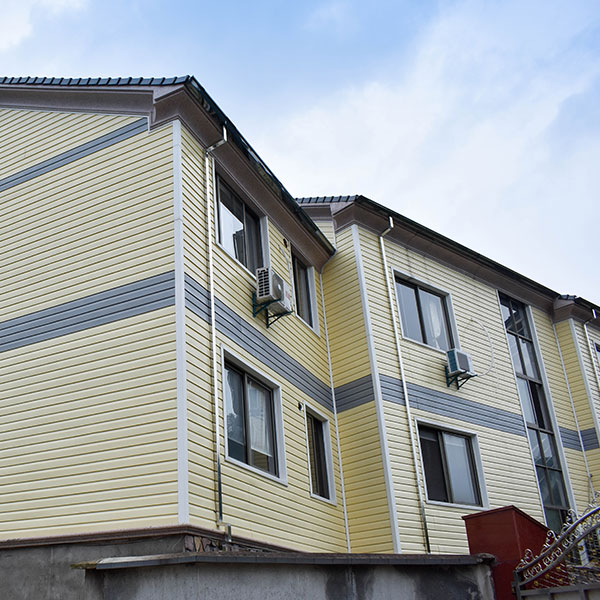
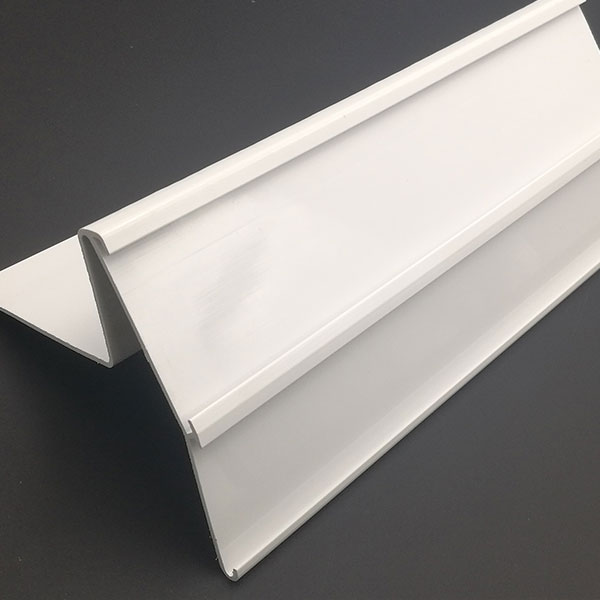
Vinyl fence color comes from one of three production routes: pigment blended through the entire PVC compound, a co-extruded cap layer bonded over a base profile, or a film applied after extrusion. The route determines price, scratch behavior and how the shade holds up in sun.
Through-color is the default for white, almond, tan and most light grays. Because the pigment runs wall to wall, a scuff from a wheelbarrow or a string trimmer is a surface mark rather than a color break. This is also the reason through-color profiles are the easiest to repair: there is nothing to repaint and no film to peel.
Woodgrain and very dark finishes are usually capped. The core carries the structural job, while a thin outer layer carries the color, the texture and most of the UV resistance. Capping costs more per meter and adds a process step, which is why a cedar-look panel typically prices above the same profile in flat white.
The Standard Palette: White, Almond, Tan and Gray
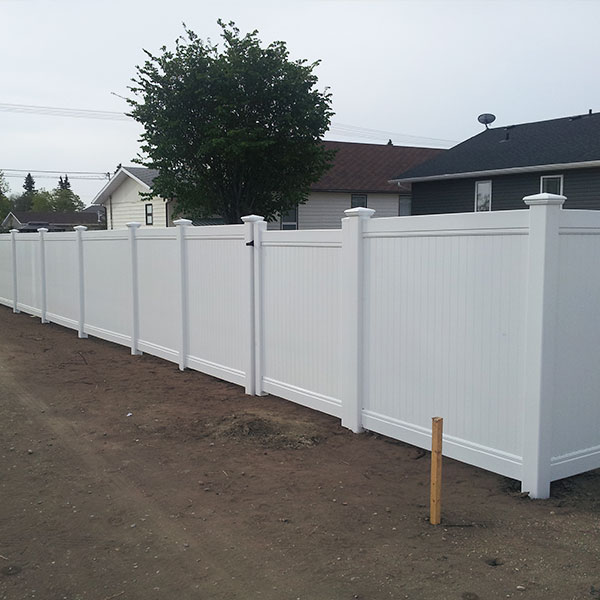
White, almond, tan and light gray cover the large majority of vinyl fence orders, and they are the shades most factories hold in stock for short lead times. They are also the shades with the lowest heat gain and the most predictable color matching from lot to lot.
White remains the highest-volume shade because it reflects the most sunlight and reads clean against brick, siding and lawn. It is also the least forgiving: pollen, red clay dust and irrigation splash show within weeks, so white suits buyers who accept one or two washes a year.
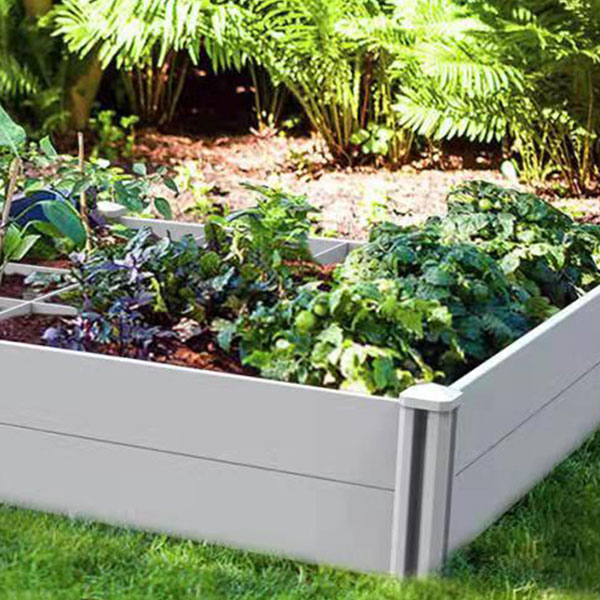
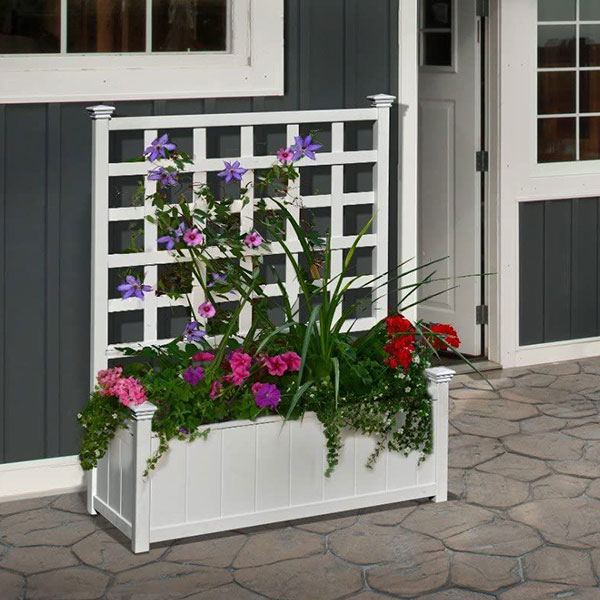
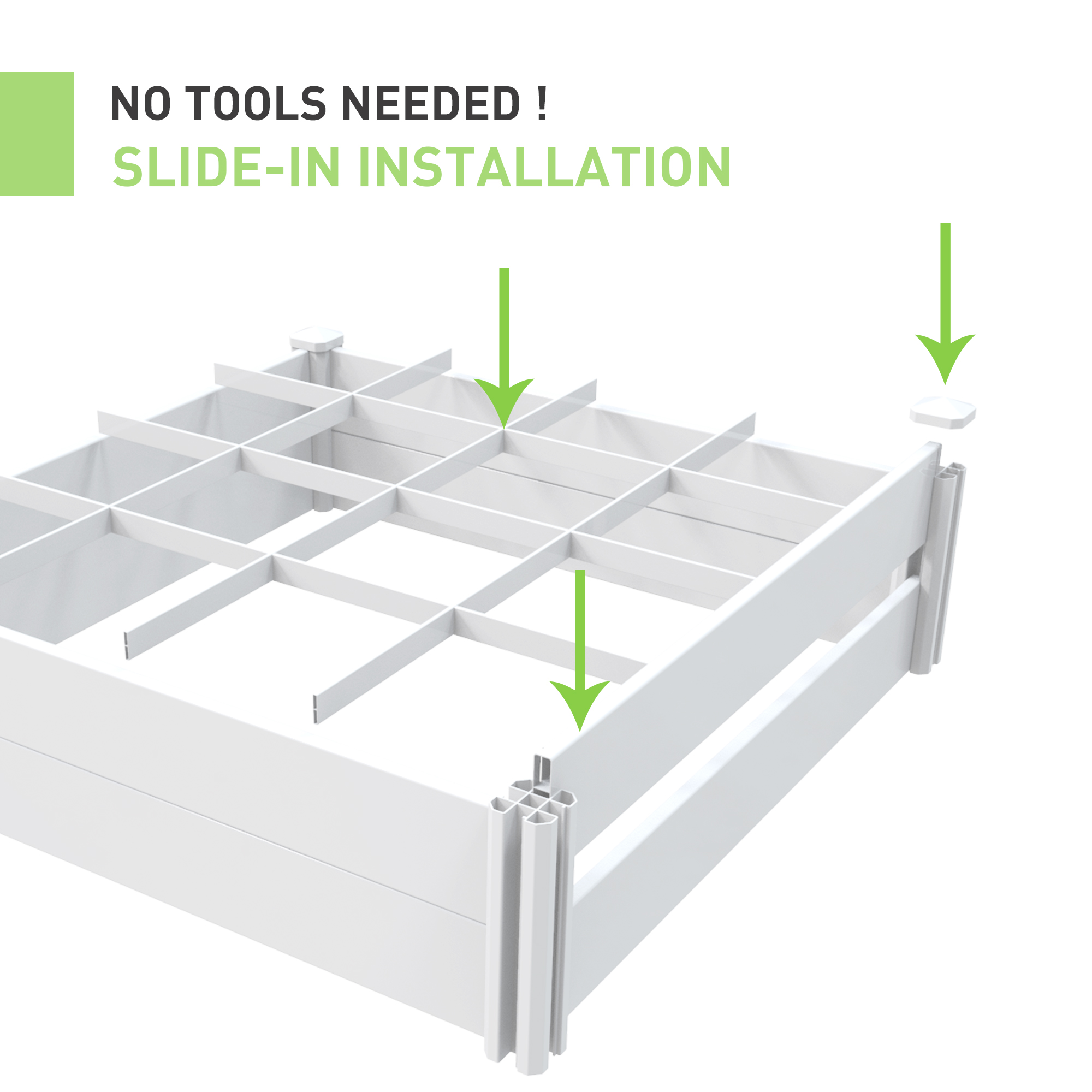 Fentech Customizable PVC Raised Garden BedA modular PVC raised bed for vegetables, flowers and herbs, with tool-free assembly, open-bottom drainage and a wipe-clean surface for low-maintenance planting.View Product →
| Color | Typical use | What to know before ordering |
| White | Privacy, picket and ranch rail | Brightest finish and lowest heat gain; shows pollen and clay dust fastest |
| Almond | Residential privacy, HOA projects | Warmer than white in shade, hides dust better, photographs as off-white |
| Tan, clay, khaki | Garden fence, brick and stone settings | Sits between soil and mulch tones; mid-level heat gain |
| Light gray | Modern residential, light commercial | Camouflages galvanized hardware and concrete footings |
| Slate, dark gray | Accent panels, gates, commercial runs | Higher surface temperature; specify thicker rails and posts |
Tan and clay are chosen for a different reason than heat: they sit between soil, mulch and stone, so a fence built close to planting beds looks settled rather than stark. On a resale-driven project, almond and light gray are usually the safest non-white options because they read as off-white rather than as a statement color.
Woodgrain, Black and Deep Gray
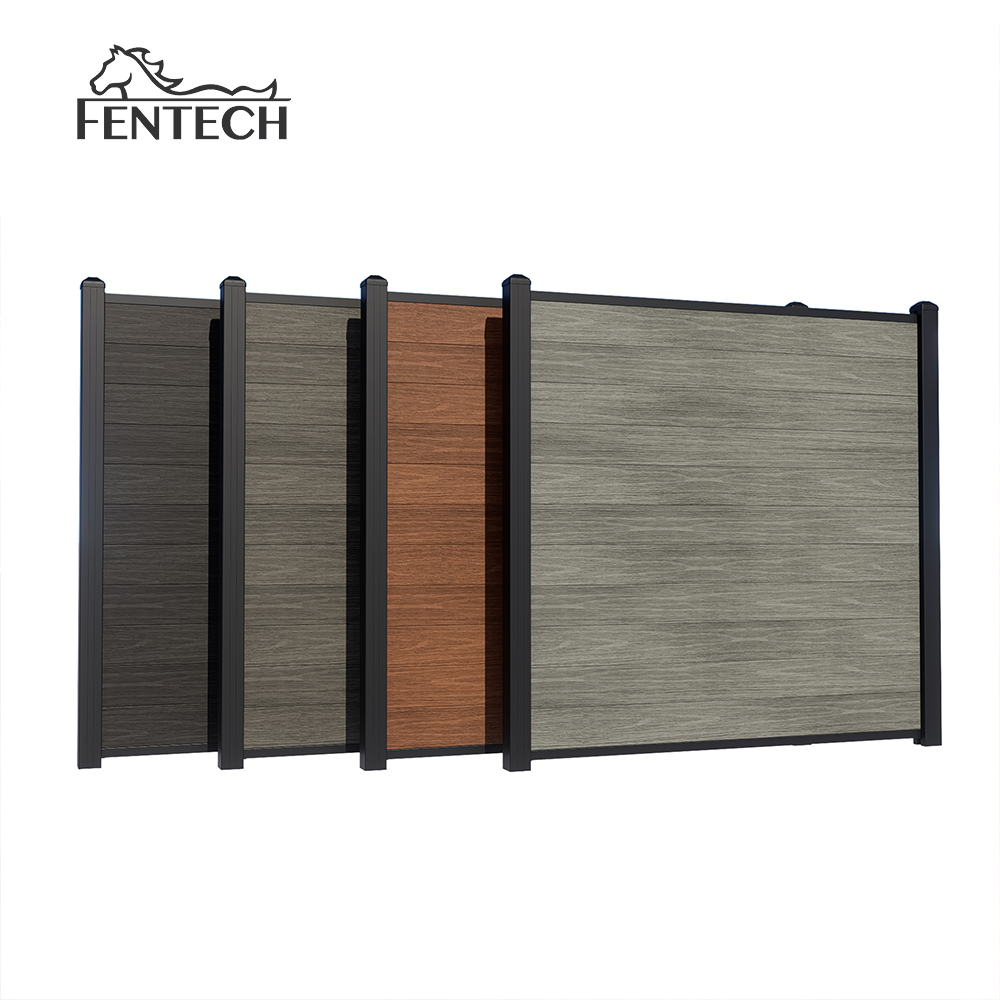
Woodgrain and deep colors such as black, walnut and dark gray depend on a protective cap and a stronger UV stabilizer package, because dark pigments absorb more solar energy and push the surface to higher temperatures. Color and weatherability are the same engineering problem in these shades.
- Cedar and light oak. Warmest of the woodgrains and the most forgiving on dirt; the grain texture hides light scuffs and irrigation marks.
- Walnut and mocha. Darkest woodgrains, with the highest contrast between surface and core; inspect capped samples for scratch repair options.
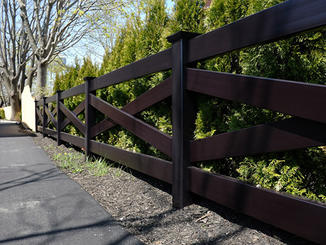
- Black. Maximum heat gain and maximum visual weight; common on equestrian properties where strong contrast against grass helps with visibility at speed.
- Gray woodgrain. Built to match composite decking and stone cladding, and the easier choice when a fence meets a deck on the same elevation.
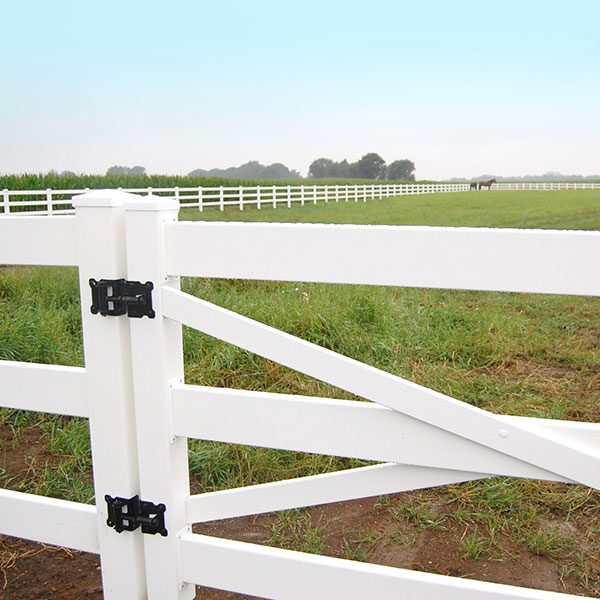
 FT-H04 Black Cross Rail Vinyl Horse FenceA customizable vinyl post-and-rail horse fence in a cross-rail design, using UV-protected virgin PVC for low-maintenance equestrian or general fencing projects.View Product →
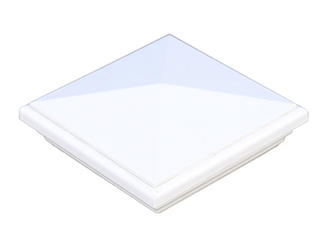
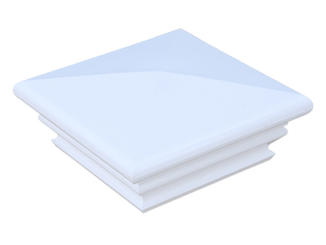
A dark panel in direct sun runs tens of degrees warmer than a white panel in the same run, and that heat drives more expansion at every post connection. It is the reason dark systems usually specify a wider fitting tolerance, thicker rails and a post cap that allows the rail to move instead of clamping it tight.
Two-Tone and Mixed-Color Builds
Two-tone vinyl fencing pairs a frame color with a contrasting infill, most often white posts and rails with tan, gray or black panels, and it has to be specified as a matched set when the order is placed. It cannot be retrofitted by swapping components later.
Two-tone works because the parts are separate extrusions. Posts, rails and pickets can each run in a different color and then assemble on site. The risk is not the color itself but the lot: a tan picket from one production run can sit noticeably warmer than a tan rail from another run, and the mismatch only appears once the panel is in the sun.
Specify the gate as part of the set. A white gate frame with tan infill ordered later is the most common two-tone mistake, because gate frames are heavier extrusions, often run on a separate line, and rarely share a lot with the fence panels they hang from.
How Color Affects Heat, Fading and Cleaning
Color is the strongest single influence on surface temperature, on how visible fading becomes, and on how often a fence needs washing. Two panels produced from the same compound can age differently depending on shade alone.
Light tones
- Lowest surface temperature in sun
- Fade shows as a slow, even lightening
- Dirt and pollen are most visible
- Scratches blend on white and almond
Dark tones
- Highest surface temperature in sun
- Fade shows as a chalky shift sooner
- Dirt is hidden, water spots are not
- Scratches need a matching touch-up
 FT-F02 UV-Proof Vinyl Semi-Privacy Fence PanelA 6 ft x 8 ft semi-privacy vinyl panel with closed-top pickets and multiple color options, suited to comparing shade choice and long-term color stability.View Product →
Color stability is a separate specification from color itself. The pigment loading and stabilizer package behind a shade decide how it holds up over a decade of exposure, and two fences in the same white can age very differently if one uses a lower grade of compound. Our notes on how vinyl fence color stability works break down which variables actually matter.
Fading on vinyl is a surface change rather than a color change. The pigment stays where it is; the top few microns of polymer chalk slightly under UV. A light wash with a mild detergent restores most of the original appearance, which is why a ten-year-old white fence can look close to new after one cleaning.
Sampling and Specifying Color Before You Order
Never approve a vinyl fence color from a screen image. Request a physical sample in the exact finish, view it outdoors on site, and write the shade onto the purchase order before production starts.
- Ask for a physical sample in the exact finish, flat or woodgrain, and confirm the profile it represents.
- Lay the sample against a white sheet of paper in the position where the fence will stand, not on a table indoors.
- Check it twice: once in morning shade and once in direct afternoon sun, because the same shade shifts by several tones between the two.
- Record the color name, finish and production lot on the order, and add spare pickets and one spare rail from the same run.
For shades outside the standard range, most factories can match a target color on a custom profile run, though minimum quantities rise and lead times extend because the line has to be cleaned down between colors.
One spare panel stored flat and out of the sun will save a color conversation five years from now. Fence repairs almost never fail because of structure; they fail because the replacement part is a visible shade off.
Frequently Asked Questions About Vinyl Fence Colors
Does vinyl fence color fade over time?
All exterior vinyl shifts slightly in the first two seasons as surface polymer chalks under UV, then stabilizes. Light colors shift least noticeably, and the change reads as a mild dulling that a wash largely reverses rather than a move to a different shade.
Is black vinyl fencing too hot for sunny climates?
Black and dark gray profiles reach higher surface temperatures than white in the same exposure. Manufacturers compensate with thicker walls and higher stabilizer loading, but on long solid privacy runs in hot regions a light tone remains the more conservative specification.
Can white posts be combined with tan or black panels?
Yes, and the combination is one of the most requested builds. Order posts, rails, panels, post caps and gate frames together on one purchase order so the components share a production lot and a color standard.
Will a replacement panel match the original color?
Only if it is produced to the same color standard or drawn from the same lot. Ask the supplier to record a color reference on the invoice and keep one spare panel, because even a correct shade from a later run can read differently against older, slightly chalked material.
The cheapest color decision is the one you can still live with after eight summers. Sample first, order spares with the panels, and put the shade, finish and lot on the contract instead of leaving them in an email thread.
 No. 142 Xinxiqiao, Linan, Hangzhou City, Zhejiang Province, 311300, China
 0086-180 5608 2316
 sales@fentechfence.com
