 WELCOME TO HANGZHOU FANTAI PLASTIC CO., LTD.
  0086-180 5608 2316
 sales@fentechfence.com
 English
  中文简体
中文简体

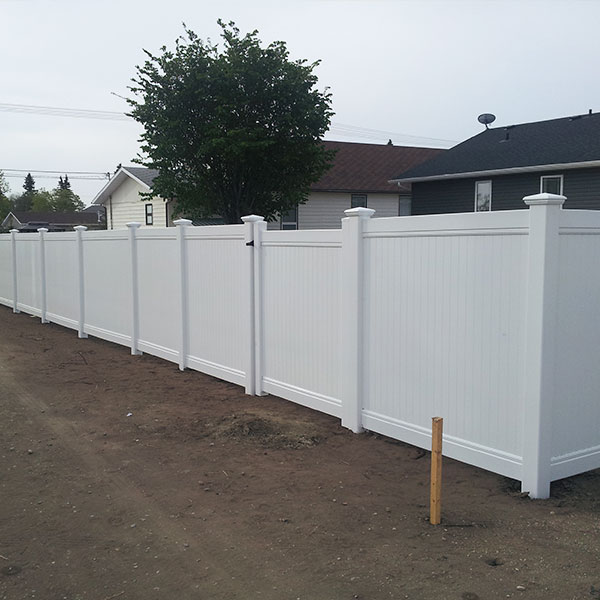
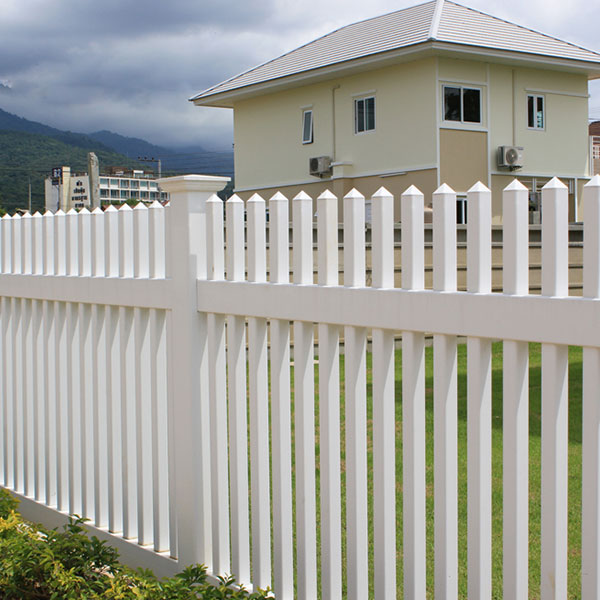
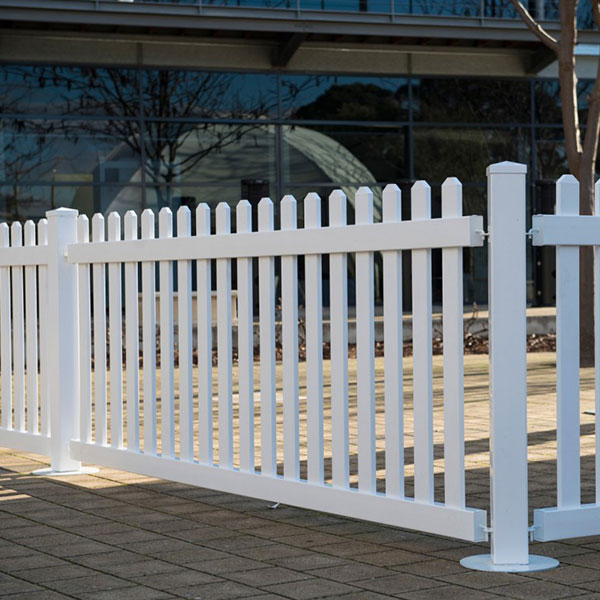

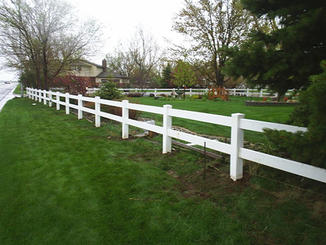
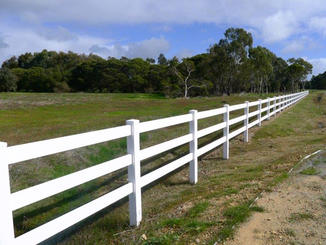
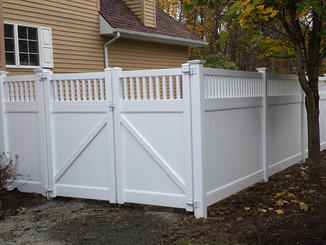
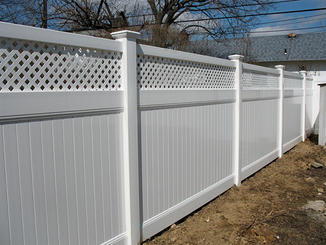

We are professional China Custom Vinyl Fence Manufacturers with fences virgin PVC/Vinyl material and UV Protected.
Content
- 1 Why Vinyl Fencing Is the Ideal Choice for Horse Properties
- 2 Planning Your Horse Property Layout
- 3 Choosing the Right Vinyl Fence Style for Each Zone
- 4 Safety Features That Protect Your Horses
- 5 Aesthetic Design Tips for a Beautiful Horse Property
- 6 Installation and Long-Term Maintenance
- 7 Building a Property That Works and Lasts
A well-designed horse property is more than a place to keep animals — it is a working environment where safety, efficiency, and visual appeal must coexist. The fencing you choose plays a central role in all three. Among the available options, vinyl fencing has become a preferred solution for equestrian properties of all sizes, from small private paddocks to large commercial boarding facilities. It combines long-term durability with a clean, classic aesthetic that holds up year after year without constant upkeep.
This guide walks through every stage of designing a beautiful and durable horse property using vinyl fencing — from understanding why the material excels to planning your layout, selecting the right fence style for each zone, and maintaining your investment over time.
Why Vinyl Fencing Is the Ideal Choice for Horse Properties
The decision to use vinyl fencing on a horse property is driven by a combination of practical and aesthetic factors. Vinyl fencing typically lasts 20 to 30 years or longer, significantly outlasting wood, which under typical conditions requires replacement or major repair within 10 to 20 years depending on climate and maintenance. This longevity translates directly into lower long-term cost, even when the upfront investment is higher.
From a maintenance standpoint, vinyl requires almost no regular intervention. Unlike wood, it does not rot, warp, absorb moisture, or attract insects. It never needs painting, staining, or sealing. Occasional rinsing with water is sufficient to keep the surface looking fresh. This is a meaningful advantage on large properties where fencing can extend for hundreds or thousands of linear feet.
Safety is another strong argument. Vinyl does not splinter or develop sharp edges over time. Its smooth, non-porous surface reduces the risk of cuts and abrasions if a horse rubs, leans, or makes contact at speed. High-quality vinyl formulations also incorporate UV stabilizers — including titanium dioxide — that prevent the material from becoming brittle or discolored under prolonged sun exposure. For open pastures where fencing faces constant sunlight, this protection is essential to maintaining both appearance and structural integrity.
Vinyl fencing is also naturally resistant to fire, unlike wood, which can accelerate a barn fire. Its non-toxic composition makes it safe in environments where horses may occasionally chew or lick the fence surface.
Planning Your Horse Property Layout
Before selecting fence styles or materials, a clear property layout plan is essential. The layout determines how fencing will be used across different zones — and different zones have different requirements. Walking your property and identifying the function of each area will help you make smarter fencing decisions and avoid costly changes later.
Most horse properties include several distinct zones that need to be separated and secured:
- Perimeter boundary: The outermost fence line defines your property and provides the first layer of containment. This is typically the longest run of fencing and benefits from a bold, visible style that is easy to inspect and maintain.
- Pasture divisions: Internal fencing separates grazing areas, allows for pasture rotation, and prevents horses from competing over resources. Rail spacing and height requirements may differ slightly from perimeter fencing.
- Paddocks and exercise areas: Smaller, high-traffic enclosures used for daily turnout and training. These areas typically require taller, more robust fencing due to the concentration of activity.
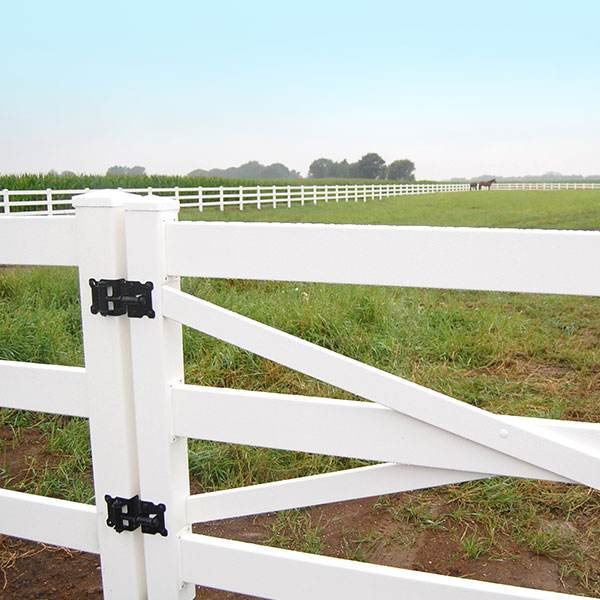
- Entry lanes and gateways: Access points between zones must be wide enough for equipment and vehicles, and gates must operate smoothly under daily use. A properly designed vinyl fence gate for horse fence should match the fence style and be fitted with heavy-duty hinges and latches rated for repeated operation.
Consider the movement of horses, people, and vehicles through your property as you map out zones. Efficient layout reduces the total amount of fencing needed and makes daily management significantly easier.
Choosing the Right Vinyl Fence Style for Each Zone
Vinyl horse fencing is available in several configurations, and the right choice depends on where and how the fence will be used. The primary variable is the number of horizontal rails, which affects both the level of containment and the visual weight of the fence.
2-Rail vinyl fencing is best suited for large perimeter boundaries and decorative applications where the primary purpose is to define the property line rather than provide strict containment. It offers a clean, open look that works well along road frontage or where sightlines are important. It is not recommended as the sole fencing for paddocks or areas where horses spend extended time.
3-Rail vinyl fencing is the most widely used configuration for horse properties. It provides a strong physical barrier suitable for pastures and general horse containment, with a traditional post-and-rail aesthetic that looks at home on any equestrian property. The 3-Rail Vinyl Horse Fence with 5"x5" posts and 2"x6" rails is a reliable standard for most applications, offering a finished height of approximately 4.5 feet above ground level.
4-Rail vinyl fencing provides the highest level of containment and is recommended for paddocks, exercise areas, stallion enclosures, and anywhere horses are more active or likely to test the fence. The additional rail increases both height and visual density, making it harder for horses to push through or reach over.
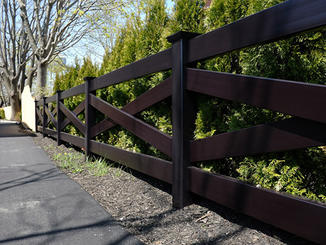
For specialized areas, crossbuck-style vinyl fencing offers a distinctive ranch aesthetic while maintaining functional strength — a good choice for property entrances or areas where visual impact matters as much as containment.
Safety Features That Protect Your Horses
Fencing safety on a horse property involves more than simply keeping horses inside the boundary. The fence itself must not become a source of injury under normal or emergency conditions. Vinyl fencing addresses this in several ways that traditional materials cannot.
Height is the first consideration. For most adult horses, fencing should stand between 54 and 60 inches tall. For stallions, jumpers, or particularly active animals, heights of 60 to 72 inches are advisable. Bottom rails should be set 12 to 18 inches above ground level to prevent hoof entanglement while still discouraging horses from reaching under the fence.
Rail spacing is equally important. Rails spaced approximately 12 inches apart for adult horses reduce the risk of a leg or head becoming trapped. For foals or miniature breeds, closer spacing or mesh backing may be necessary to provide an equivalent level of security.
High-quality vinyl fence systems incorporate internal reinforcement — galvanized steel or aluminum inserts inside the rails — which prevents collapse under sustained pressure while keeping the exterior surface smooth and safe. Flexible vinyl formulations absorb minor impacts without cracking, which matters in situations where a startled horse runs into the fence at speed.
Vinyl's natural color visibility is also a safety advantage. A clearly visible fence line helps horses recognize their boundaries before they reach them, reducing the risk of accidental impact. White vinyl remains the most visible option, though adding contrasting tape or reflective strips to the top rail can further improve visibility in low-light or dawn and dusk conditions.
Aesthetic Design Tips for a Beautiful Horse Property
The functional requirements of horse fencing do not have to come at the expense of visual appeal. Vinyl fencing offers considerable flexibility in color, style, and layout design that allows property owners to create a cohesive, polished look across the entire site.
Color is the most immediate design choice. White remains the most popular and classic option for equestrian properties, providing high contrast against green pastures and a timeless appearance that suits both traditional and modern settings. Black vinyl fencing has grown in popularity for a more contemporary or formal look, often used on premium estates or commercial equestrian facilities. Tan and gray options blend more naturally with certain landscapes and architectural styles.
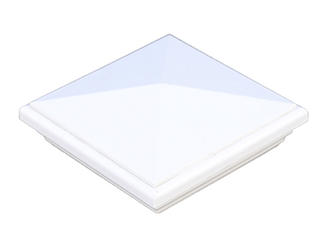
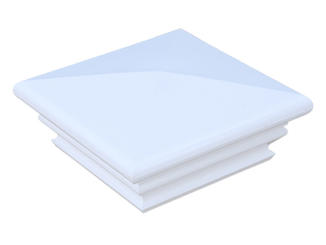
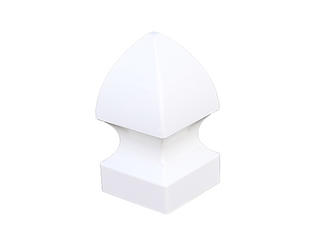
Consistency across the property creates a sense of order and intentionality. Using the same post cap style — flat caps, England caps, or gothic caps — across all fence lines ties the design together. Matching gate hardware to the fence color and post style reinforces this cohesion.
The entry approach to a horse property sets the tone for everything beyond it. A well-proportioned entry with a matching vinyl horse fence on both sides, a prominent gate, and flanking landscaping creates a strong first impression. This is an area where investing in 4-rail or crossbuck-style fencing pays visual dividends beyond its functional role.
Inside the property, varying fence heights between zones adds visual interest while also communicating the different functions of each area. Taller paddock fencing draws the eye and signals a more intensive use area, while lower perimeter fencing creates an open, expansive feel across the broader landscape.
Installation and Long-Term Maintenance
Proper installation is the foundation of long-term fence performance. Even the highest-quality vinyl will underperform if posts are not set correctly. Post depth should be determined based on soil type and fence height — sandy or loose soils require deeper post settings or additional stabilization to prevent leaning or shifting over time. As a general rule, posts should be set at a depth equal to one-third of the total post length.
Post spacing should follow manufacturer specifications. Wider-than-recommended spacing places excess stress on rails, which can lead to sagging or cracking under sustained pressure. Consistent spacing also ensures even load distribution and maintains the fence's structural alignment over years of use.
Once installed, vinyl fencing demands very little ongoing care. An annual cleaning with mild detergent and a soft brush is typically sufficient to remove surface dirt and maintain the fence's appearance. For heavier staining, specialized vinyl cleaning products are available. Avoid abrasive pads or harsh chemical solvents, which can scratch or degrade the surface finish.
Seasonal inspections — ideally in spring and fall — should cover post stability, rail integrity, gate operation, and latch function. In colder climates, frost heaving can shift post positions over winter; checking alignment in spring and making minor corrections prevents small issues from developing into structural problems. In hot climates, inspecting for any signs of UV degradation or color change helps confirm that the material is performing as expected.
Minor rail damage — surface scratches or small cracks from impact — can often be addressed without replacing entire sections. Most vinyl fence systems are designed so that individual rails can be removed and replaced independently, which keeps repair costs manageable throughout the fence's lifespan.
Building a Property That Works and Lasts
Designing a horse property with vinyl fencing is an investment in both safety and long-term value. The material's durability, low maintenance requirements, and design flexibility make it a practical choice for any equestrian application — from a two-horse private paddock to a large boarding or training facility.
The key is to approach the project as a whole-property design challenge rather than a series of individual fence purchases. Planning your layout carefully, matching fence styles to zone functions, and maintaining consistency in color and hardware will result in a property that performs reliably and looks the part for decades.
Whether you are starting from scratch or upgrading existing infrastructure, exploring the full range of vinyl horse fencing configurations available at Fentech is a sound first step toward a property that reflects the care and commitment you bring to your horses.
 No. 142 Xinxiqiao, Linan, Hangzhou City, Zhejiang Province, 311300, China
 0086-180 5608 2316
 sales@fentechfence.com