 WELCOME TO HANGZHOU FANTAI PLASTIC CO., LTD.
  0086-180 5608 2316
 sales@fentechfence.com
 English
  中文简体
中文简体

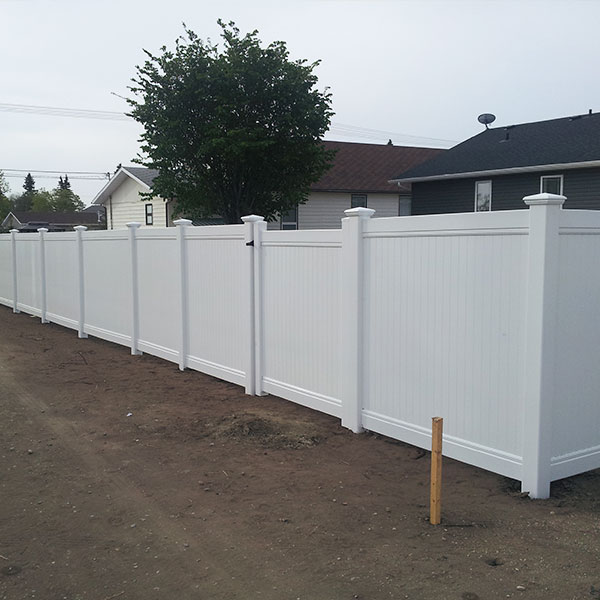
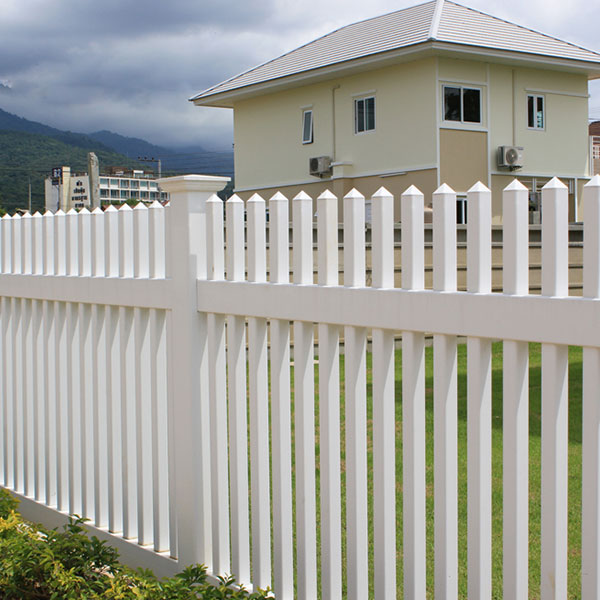
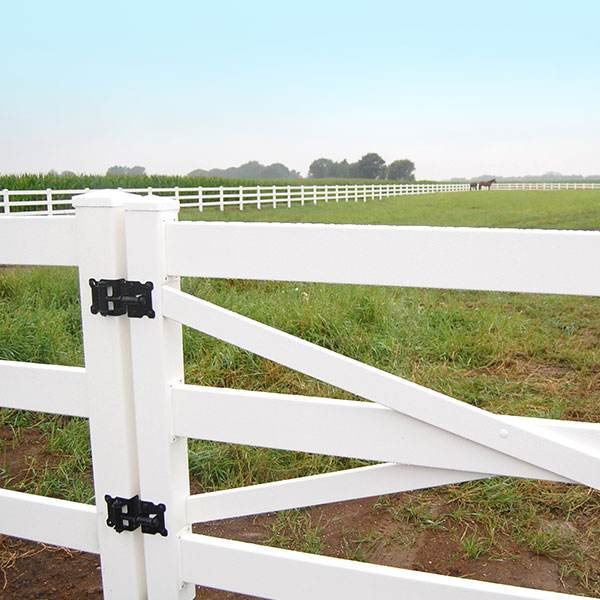





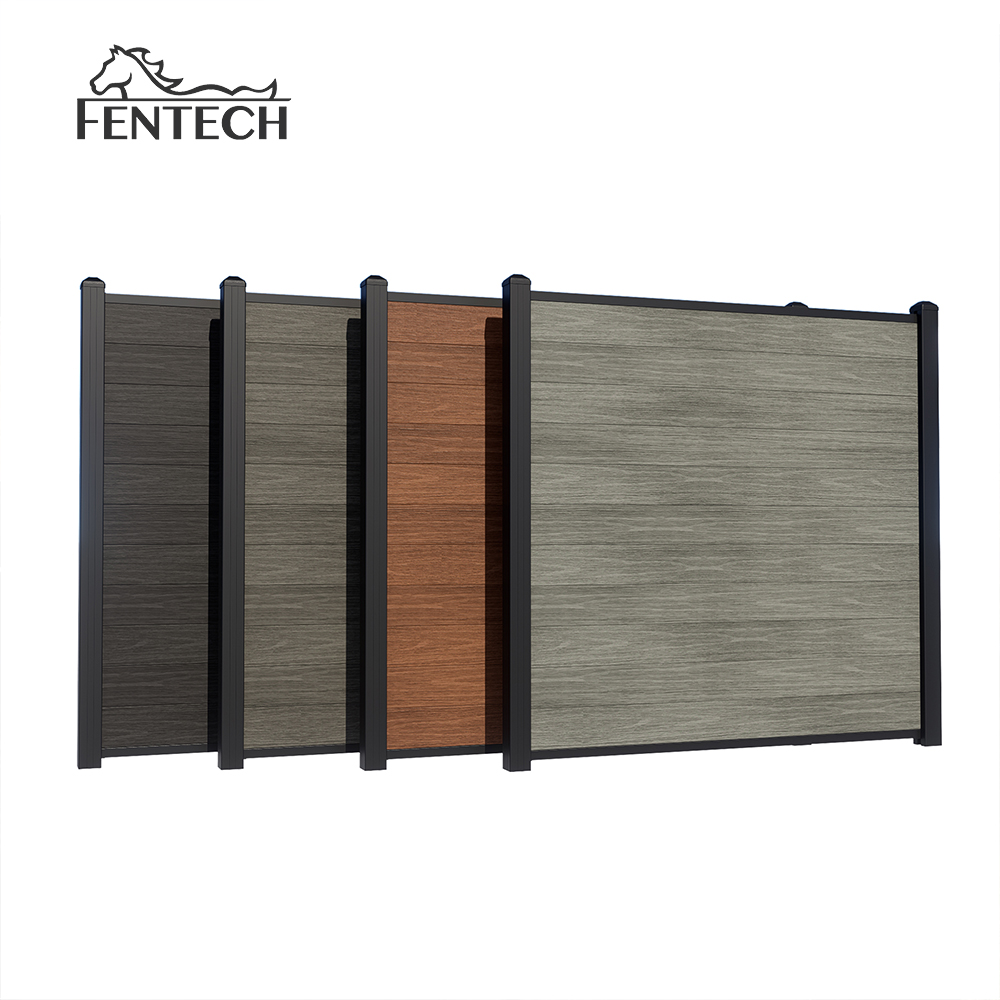
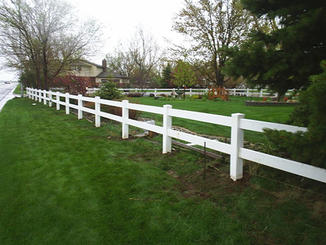
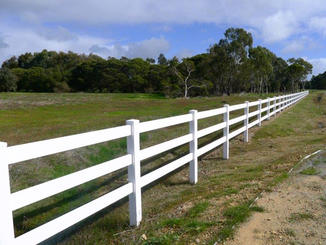
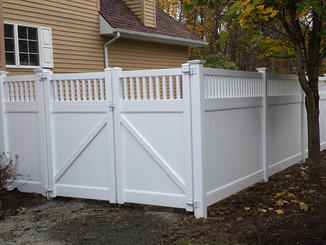
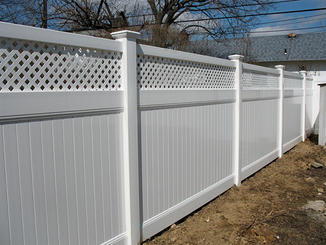
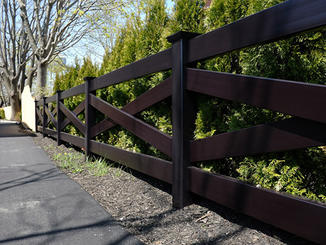




We are professional China Custom Vinyl Fence Manufacturers with fences virgin PVC/Vinyl material and UV Protected.
Content
How Electric Fence Wire Works
Electric fence wire operates on a straightforward but highly effective principle. A power energizer converts electricity into a brief, high-voltage pulse — typically lasting just 0.0003 seconds — and sends it along the wire approximately once per second. When an animal or person contacts the electrified wire while touching the ground, they complete the circuit and receive a sharp, momentary shock.
What makes electric fencing so versatile across so many applications is that it functions as a psychological deterrent rather than a purely physical barrier. Animals and people quickly learn to avoid the wire after one or two contacts, making it effective with far less material than traditional solid fencing. This behavioral conditioning is the key to its wide range of uses — from open pastures to high-security perimeters.
Livestock Containment
Livestock management is the most widespread application of electric fence wire, and for good reason. Compared to barbed wire or woven wire, electric fencing is inexpensive to install, far less likely to cause injury to animals, and easier to maintain over large areas.
Different livestock species require different voltage thresholds to be effectively deterred. To deliver a reliable shock, cattle and horses require a minimum of 1,000 volts on the fence line, sheep need at least 2,000 volts, and goats and deer require 2,500 to 3,000 volts. Getting these thresholds right is critical — an underpowered fence simply won't hold.
Wire configuration also varies by animal type:
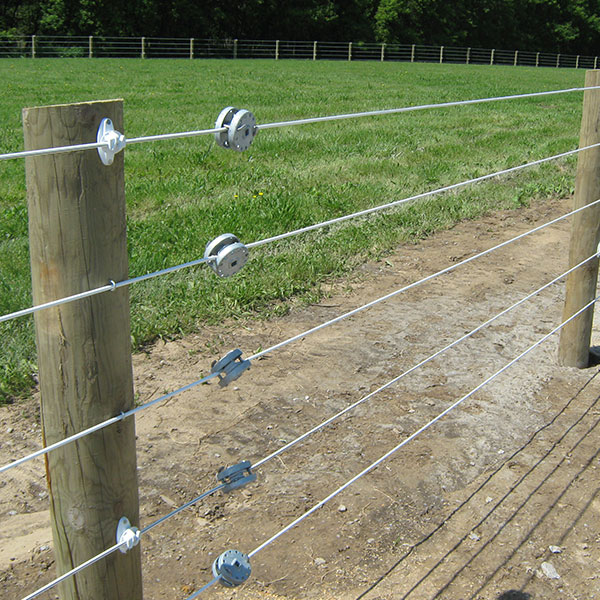
- Cattle: Typically 4 to 5 strands of high-tensile wire spaced roughly 10 inches apart, with a minimum fence height of 54 inches. At least 2 to 3 strands should be electrified. For feedlots, 5 strands with a bottom wire placed at least 12 inches above the ground is recommended.
- Horses: Because horses can panic and run through wire at speed, high-visibility poly tape or poly rope is strongly preferred over rigid high-tensile wire. A brief training period of 2 to 3 days helps horses learn to respect the fence line before full deployment.
- Sheep and goats: These animals are more persistent escape artists. Electric netting is often the most reliable option, as it combines a physical mesh with electrified strands to close off low gaps that determined animals exploit.
- Pigs: A simple 2-wire system at snout height is usually sufficient, as pigs are highly sensitive to electric shock and quickly learn boundaries.
Rotational Grazing and Temporary Fencing
One of the most practical advantages of electric fence wire is how easily it supports rotational grazing systems. Farmers can subdivide large pastures into smaller paddocks using lightweight temporary posts and polywire, allowing sections of land to rest and regenerate while livestock graze controlled areas.
Temporary electric fencing materials — including polywire, polytape, and electric netting — are designed to be rolled up, moved, and redeployed quickly. Polywire typically contains three to nine fine conductive strands woven into a plastic polymer braid, making it light enough to carry and flexible enough to navigate uneven terrain. Battery-operated or solar-powered energizers make it possible to electrify these temporary systems even in remote paddocks far from mains power.
It is important to note that temporary fencing is always used inside a solid perimeter fence — it is a management tool, not a boundary solution. Its value lies in the flexibility it gives producers to optimize land use without the cost of permanent infrastructure.
Predator Control and Crop Protection
Electric fence wire is widely used to reduce conflict between agriculture and wildlife. Common applications include deterring deer from vegetable gardens and orchards, protecting poultry from foxes and raccoons, keeping wild boar out of crop fields, and discouraging geese from occupying managed land near water.
For effective predator deterrence, voltage requirements are significantly higher than for standard livestock containment. A minimum of 5,000 volts is generally required to reliably deter predators such as coyotes, foxes, and raccoons. Electric netting and woven wire systems that combine a physical mesh with electrified strands provide the most reliable protection, as they eliminate the low gaps that ground-level predators probe.
Crop protection setups often use just one or two electrified strands positioned at the nose height of the target animal. For deer, a multi-strand fence of at least 7 to 8 wires — or a 3D baited fence design using attractants — significantly improves effectiveness, as deer will approach and be conditioned to avoid the boundary rather than leap over it from a distance.
Residential and Commercial Perimeter Security
Electric fence wire has become an increasingly common component of residential and commercial perimeter security systems. Unlike purely physical barriers, an electrified fence layer adds an active deterrent that discourages intrusion without permanent harm. For homes and businesses, it is typically installed as a topper on an existing wall or fence rather than as a standalone structure.
Modern security electric fencing systems are built to different standards than agricultural fencing. They are commonly paired with alarm integration, meaning any attempt to cut or short the wire triggers an alert. This combination of physical discomfort, audible deterrence, and monitoring makes the system effective as part of a layered security strategy.
Galvanized steel wire and aluminum wire are the two most common conductor materials used in perimeter security applications. Aluminum wire offers conductivity approximately four times greater than galvanized steel and generally comes with a longer service life due to its superior corrosion resistance — making it well suited for coastal or high-humidity environments where steel would degrade faster.
High-Security Installations
At the far end of the application spectrum, electric fences are deployed to protect military installations, correctional facilities, data centers, and critical infrastructure. In these contexts, the systems are built to far stricter specifications than agricultural or residential fencing, often incorporating lethal-voltage capability, multiple independent fence lines, CCTV integration, and real-time monitoring.
The wire used in high-security perimeter fencing is typically heavy-gauge, high-tensile galvanized steel — chosen for its structural strength, resistance to cutting or climbing, and ability to maintain consistent electrical conductivity over long fence runs. These installations are designed not only to shock but to detect, alert, and delay any breach long enough for a response team to intervene.
Regulatory standards such as IEC 60335-2-76 govern the design and output of electric security fencing in many markets, setting maximum pulse energy limits to ensure systems are deterrent without being indiscriminately lethal in civilian contexts.
Choosing the Right Wire for Your Application
Selecting the correct wire type is as important as any other part of the fence design. Using the wrong conductor — whether too thin, too resistive, or too rigid for the application — is one of the most common reasons electric fences underperform.
| Wire Type | Best For | Key Advantage | Limitation |
|---|---|---|---|
| High-Tensile Steel (12.5–14 AWG) | Permanent perimeter fencing, large livestock, long runs | High strength; minimal post spacing needed | Rigid; not suitable for fast-moving animals |
| Aluminum Wire | All-weather installations, coastal environments | 4× the conductivity of steel; corrosion-resistant | Higher cost than steel |
| Polywire (16–17 AWG equivalent) | Rotational grazing, temporary paddock division | Lightweight, portable, easy to reuse | Lower conductivity; not for permanent fencing |
| Poly Tape (40mm) | Horse perimeter fencing | Highly visible; flexible under impact | Poor performance in strong wind |
| Poly Rope | Horse fencing in windy conditions | Strong, visible, weather-resistant | More expensive than polywire |
| Electric Netting | Poultry, small ruminants, predator control | Closes ground-level gaps; best predator barrier | Higher setup time; not for large perimeters |
For wire gauge, thicker wire consistently outperforms thinner alternatives on long fence runs. A 12.5 to 14 AWG wire delivers low resistance and strong conductivity, making it the right choice for critical defense lines and large animals. Medium gauges of 16 to 17 AWG balance cost and performance well for most livestock applications, while anything above 18 AWG is only appropriate for short distances, small animals, or low-risk temporary areas.
Understanding the difference between high-tensile and low-tensile electric fence wire is essential before committing to a permanent installation. And once your fence is in place, knowing how to prevent electric fence wire from sagging will keep the system performing consistently through seasonal temperature changes and animal pressure over time.
 No. 142 Xinxiqiao, Linan, Hangzhou City, Zhejiang Province, 311300, China
 0086-180 5608 2316
 sales@fentechfence.com