 WELCOME TO HANGZHOU FANTAI PLASTIC CO., LTD.
  0086-180 5608 2316
 sales@fentechfence.com
 English
  中文简体
中文简体

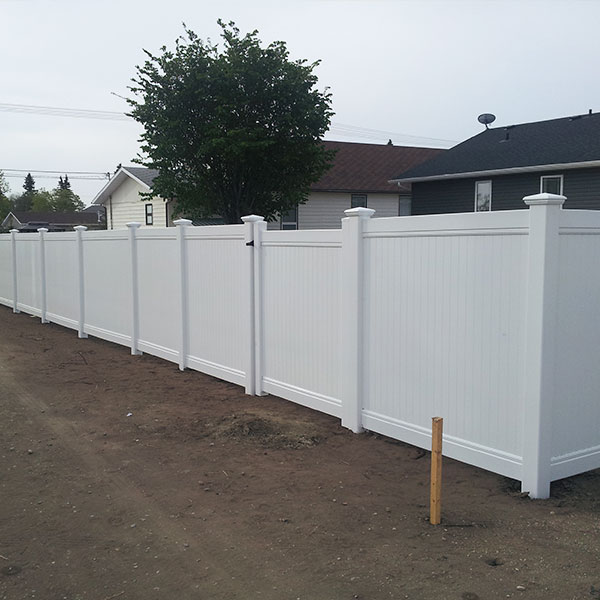
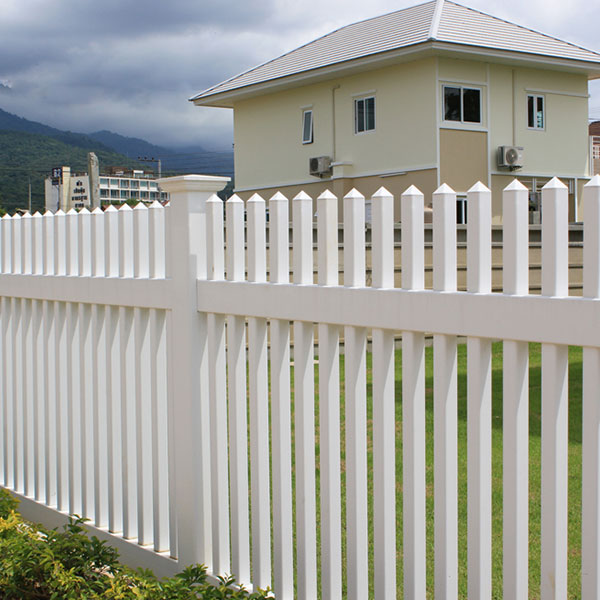
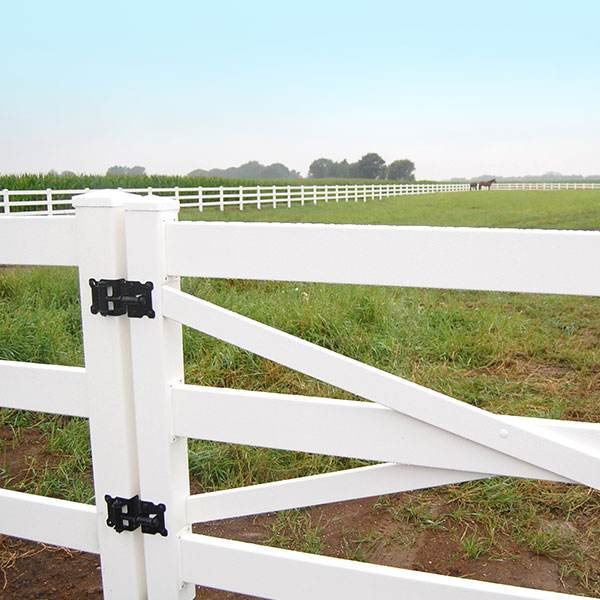
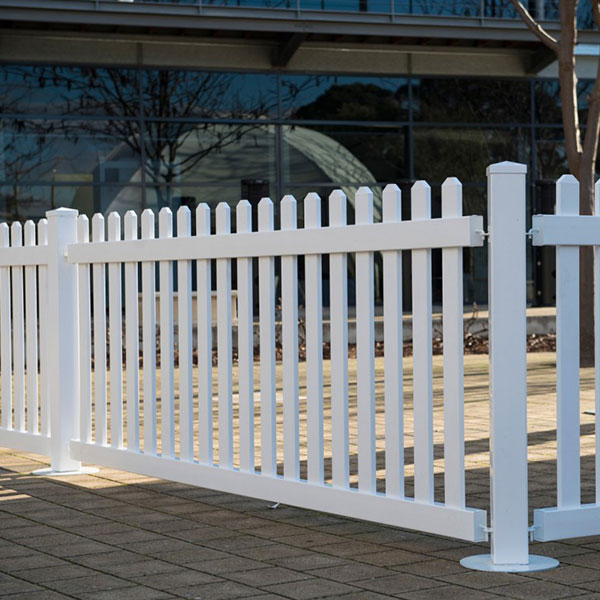
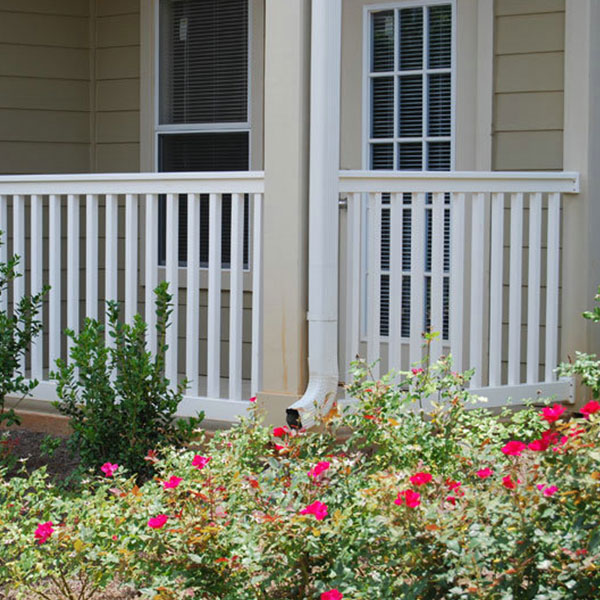
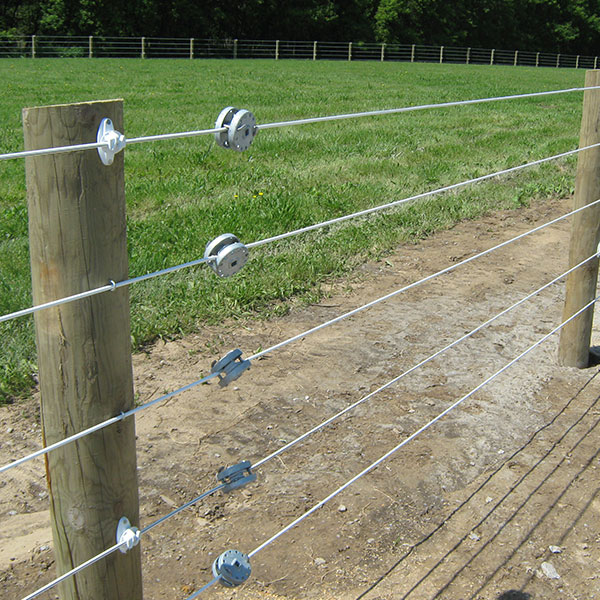
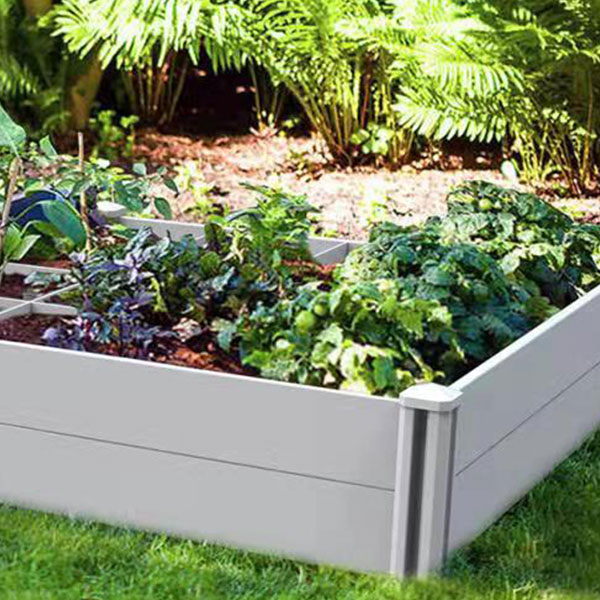

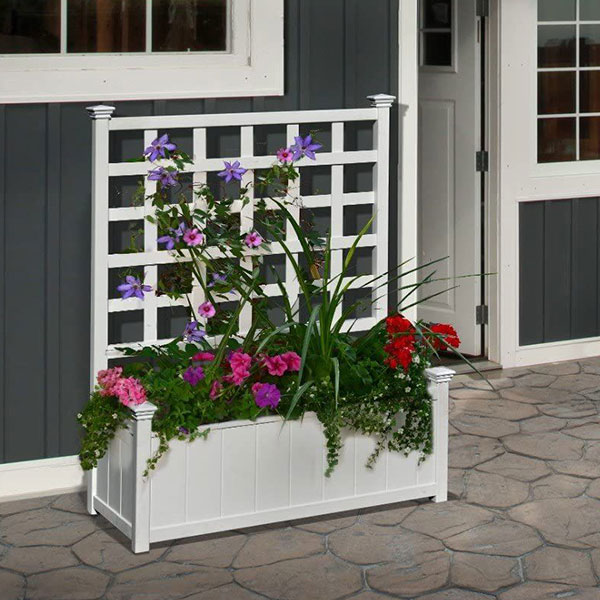
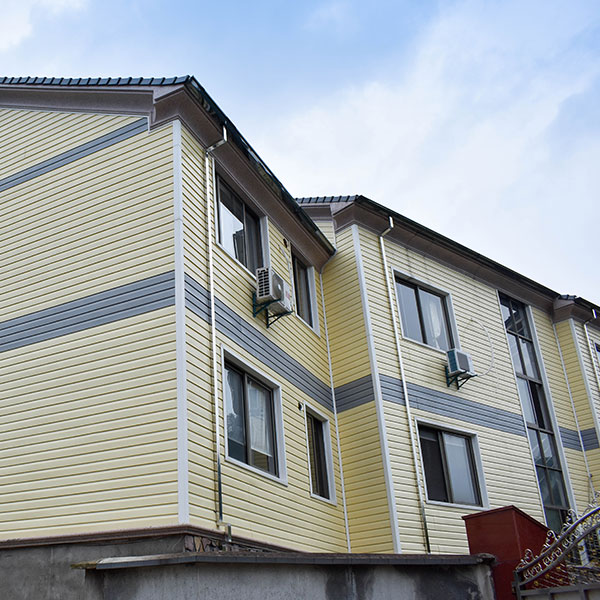
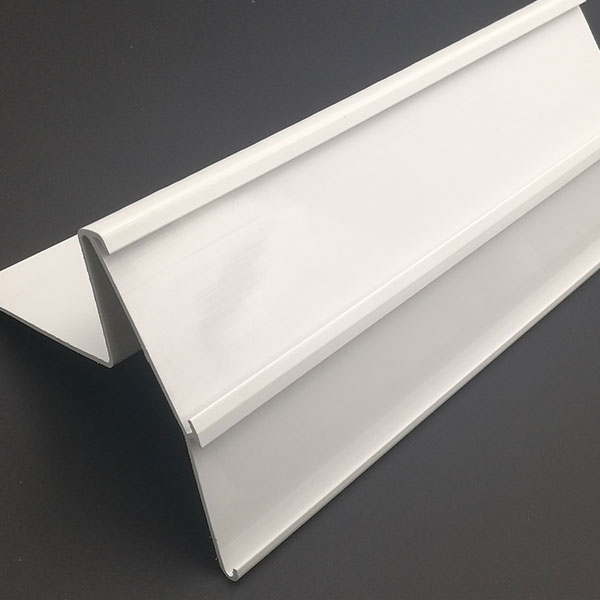
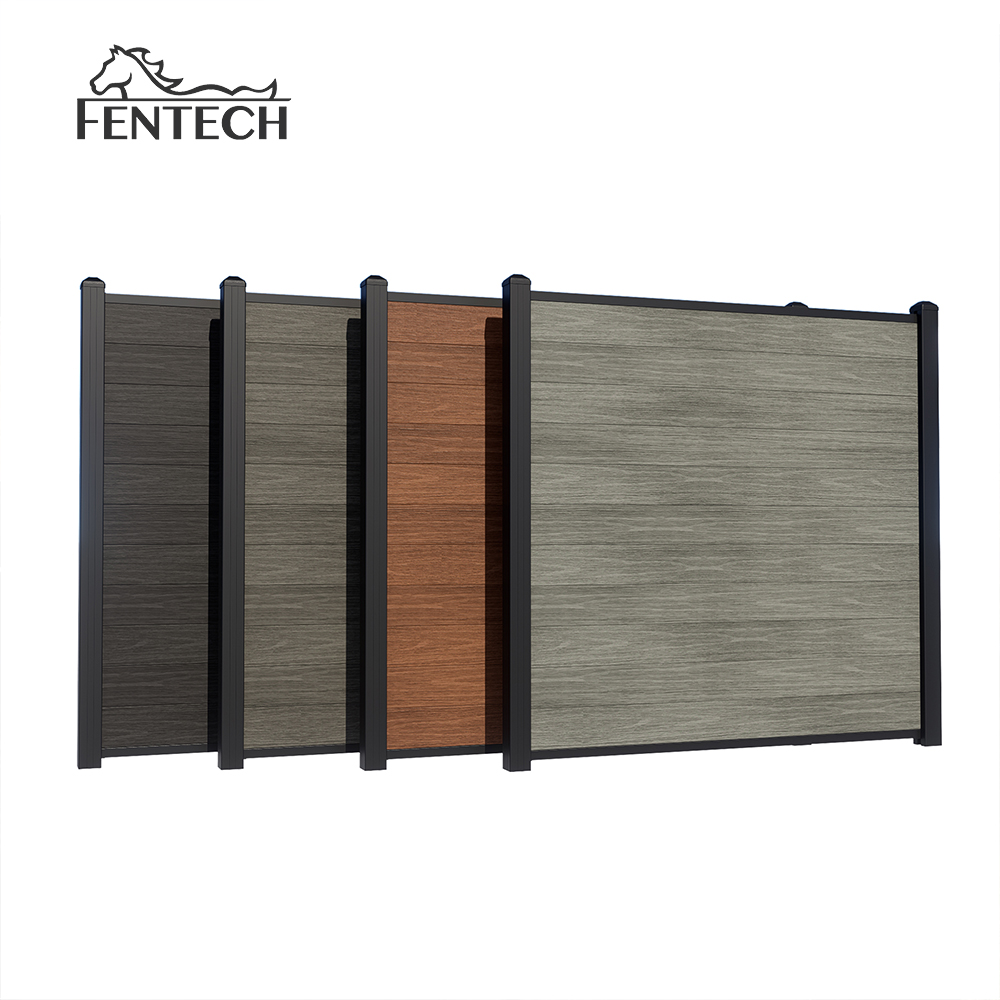
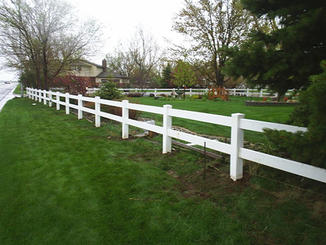
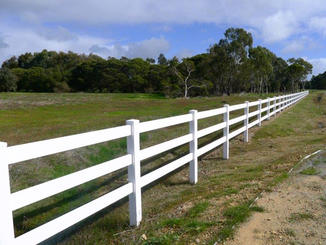
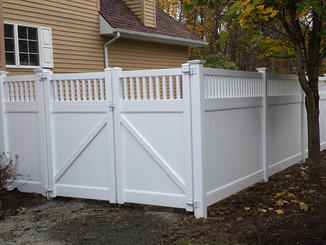
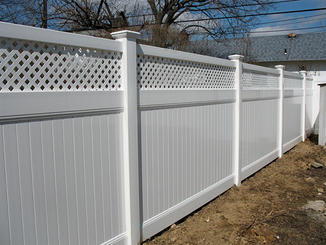
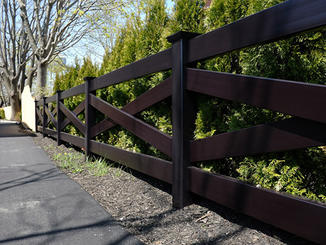
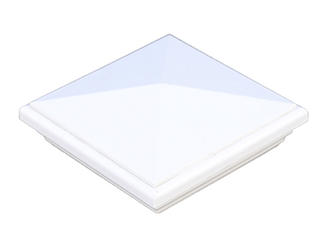
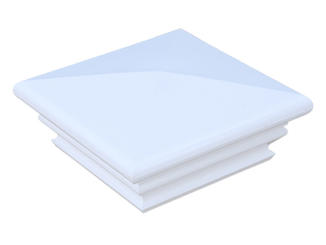
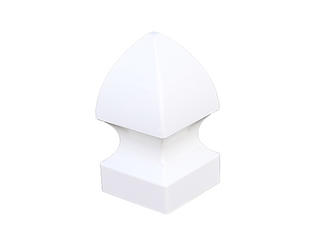
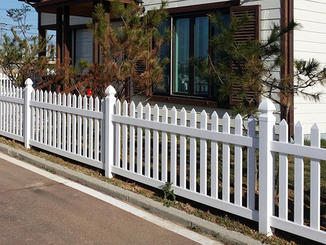

We are professional China Custom Vinyl Fence Manufacturers with fences virgin PVC/Vinyl material and UV Protected.
Content
How Long Does a Vinyl Fence Actually Last?
A properly installed vinyl fence typically lasts 20 to 30 years, and high-quality PVC products with UV inhibitors and thick wall construction can exceed that range — some lasting 40 years or more with minimal maintenance. This makes vinyl one of the longest-lasting residential fencing materials available today.
By contrast, untreated wood fences last 10–15 years on average, and even pressure-treated wood rarely exceeds 20 years before posts rot at the base. The lifespan advantage of vinyl is one of its most compelling selling points for homeowners calculating long-term value.
What Determines How Long a Vinyl Fence Lasts
Not all vinyl fences age the same way. Several factors determine whether your fence reaches the low or high end of its lifespan:
- Material thickness and grade: Commercial-grade vinyl with a wall thickness of 0.120 inches or more significantly outperforms builder-grade panels with walls of 0.080 inches or less. Thicker walls resist impact, wind, and thermal expansion much better.
- UV stabilizers in the PVC compound: Vinyl without adequate UV protection yellows, becomes brittle, and cracks within 10–15 years. Quality vinyl contains titanium dioxide and other UV inhibitors baked into the compound itself.
- Installation quality: Posts set too shallow — less than one-third of their total length — are far more likely to lean or heave over time, stressing panels and joints prematurely.
- Climate and sun exposure: Extreme UV environments (desert climates, full south-facing exposures) accelerate degradation in lower-grade vinyl. High-wind regions place repeated stress on posts and panel locks.
- Basic maintenance: Even low-maintenance vinyl lasts longer with periodic cleaning. Dirt and algae buildup trap moisture at joints and can slowly degrade connectors and post caps.
Vinyl Fence Lifespan vs. Other Common Fencing Materials
| Material | Typical Lifespan | Maintenance Required |
|---|---|---|
| Vinyl (PVC) | 20 – 30+ years | Very low |
| Wood (cedar) | 15 – 20 years | High (staining, sealing) |
| Wood (pressure-treated pine) | 10 – 15 years | Moderate to high |
| Aluminum | 20 – 30 years | Low |
| Composite (wood-plastic) | 25 – 30+ years | Very low |
| Chain link | 15 – 20 years | Low |
Signs That a Vinyl Fence Is Reaching the End of Its Life
Vinyl does not rot or corrode, but it does degrade over time in specific ways. Watch for these signs that replacement may be approaching:
- Yellowing that does not clean off: Surface yellowing from UV degradation is permanent once it penetrates the panel. If cleaning restores brightness, the fence still has usable life; if not, the material has oxidized beyond recovery.
- Brittleness and cracking: Older vinyl that cracks at the corners of panels or along stress lines has lost its flexibility and will continue to fail, especially in cold weather.
- Leaning posts: Posts that lean and no longer return to vertical after a strong storm indicate footing failure, usually from frost heave or soil erosion over many years.
- Panel locks that no longer hold: When fence rails and pickets no longer snap or lock securely into place, the plastic connectors have fatigued and panels can shift or fall in high wind.
How to Maximize the Lifespan of Your Vinyl Fence
Getting the most out of a vinyl fence does not require much effort, but a few consistent habits make a measurable difference:
- Clean annually. A yearly wash with soapy water removes the dirt and biological growth that gradually stresses surface integrity.
- Inspect post bases each spring. Catching a post that has shifted early prevents panel stress from accumulating season after season.
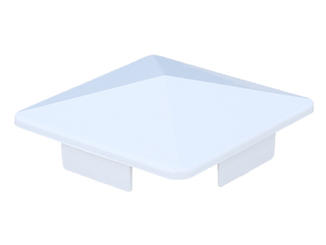
- Replace broken post caps promptly. Post caps seal the hollow interior of posts against water, debris, and insects. A missing cap allows interior corrosion of the metal reinforcement inside the post.
- Remove heavy snow loads carefully. Brush snow off the top rail and caps with a soft broom rather than scraping, which can crack cold-stiffened vinyl.
- Choose a manufacturer with a lifetime warranty. Reputable manufacturers back their vinyl with transferable lifetime warranties — a strong indicator of material quality and a useful benchmark when comparing products.
A vinyl fence that was properly specified, installed with adequate post depth, and cleaned periodically can realistically deliver 30 or more years of service with no painting, staining, or structural repairs.
 No. 142 Xinxiqiao, Linan, Hangzhou City, Zhejiang Province, 311300, China
 0086-180 5608 2316
 sales@fentechfence.com