 WELCOME TO HANGZHOU FANTAI PLASTIC CO., LTD.
 0086-180 5608 2316
 sales@fentechfence.com
 English
 中文简体


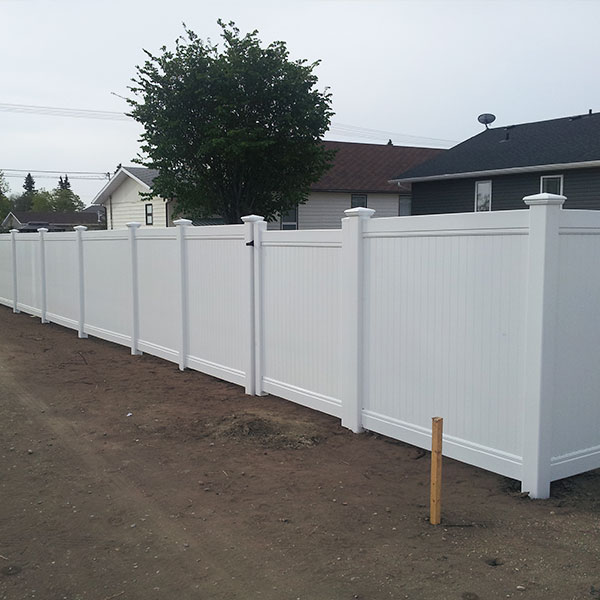
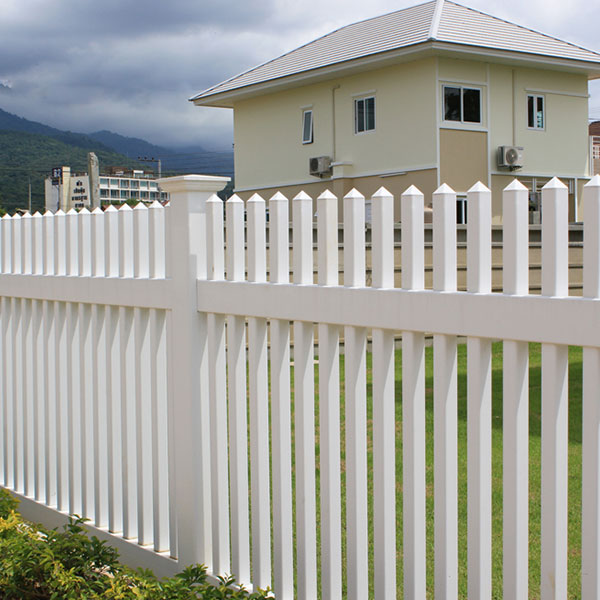
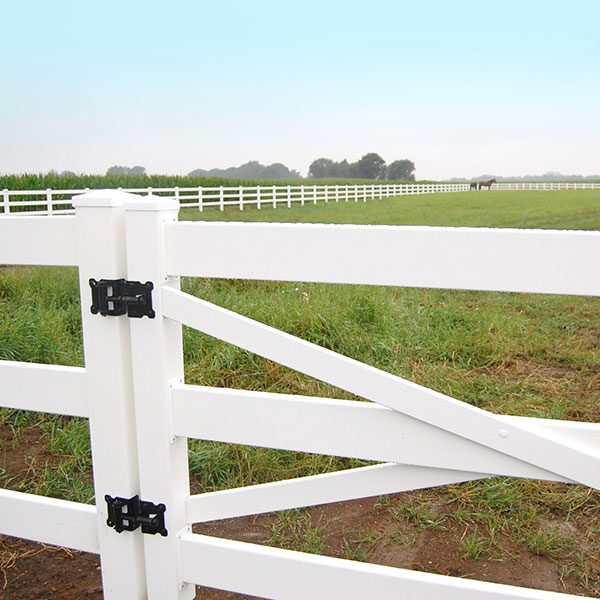
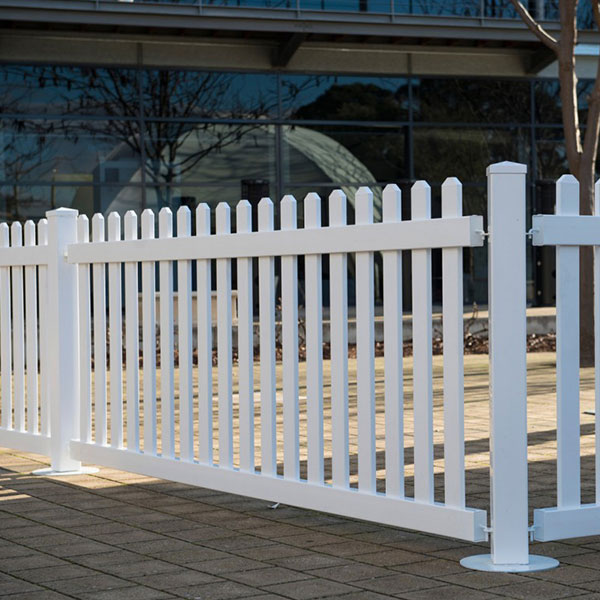

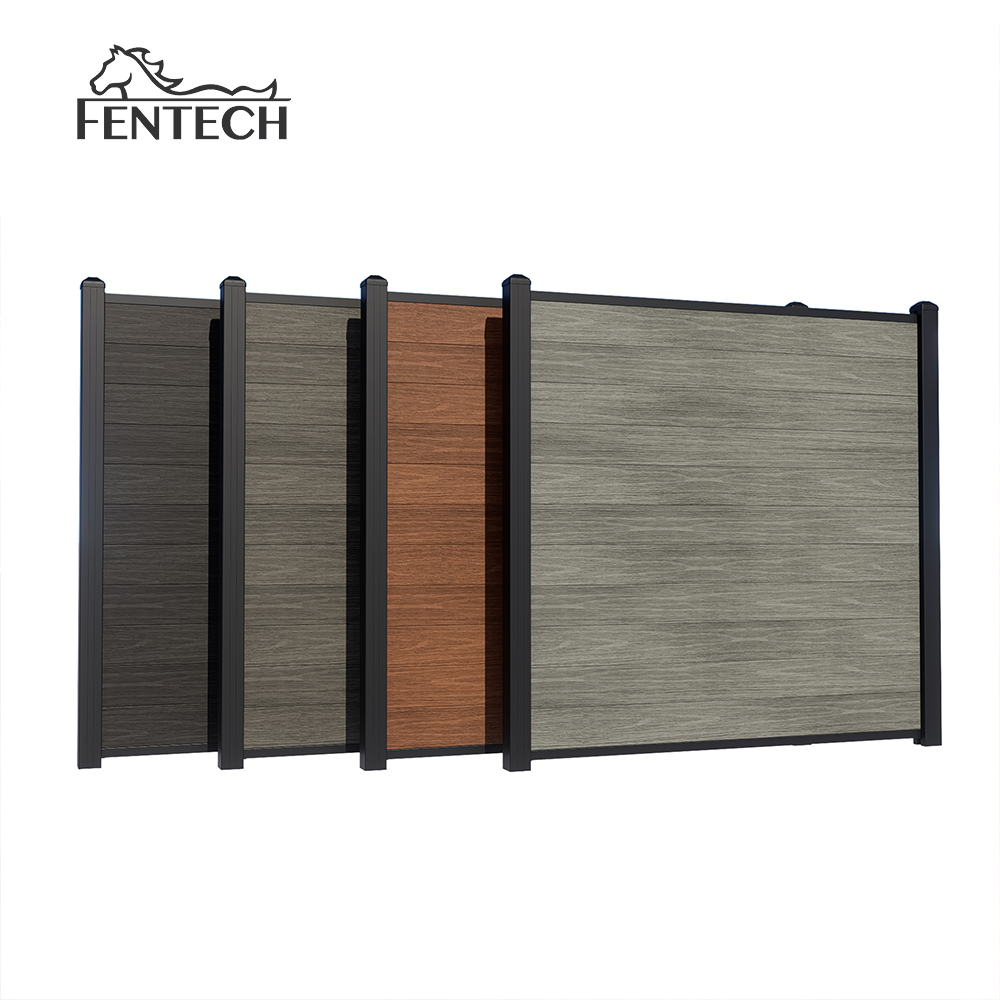
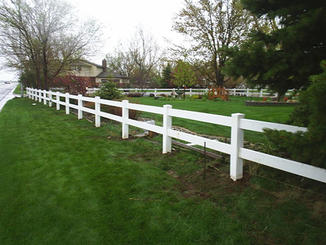
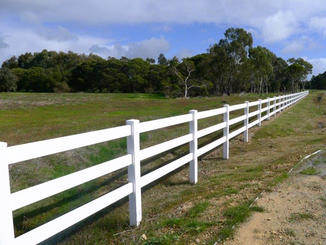
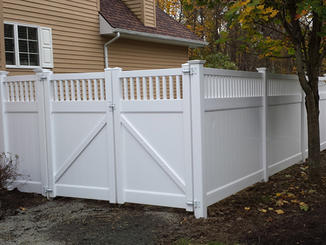
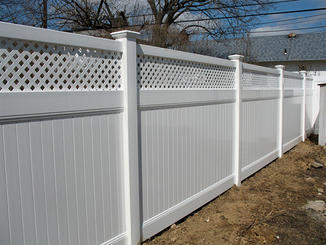
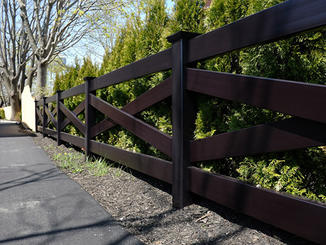

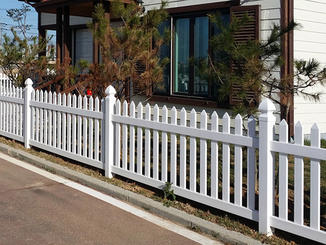

We are professional China Custom Vinyl Fence Manufacturers with fences virgin PVC/Vinyl material and UV Protected.
Content
- 1 The Four Details That Decide Whether You Need a Fence Permit
- 2 What Actually Triggers a Permit Review
- 3 Front Yard, Rear Yard, Corner Lot: Height Limits Are Not One Number
- 4 Replacing or Repairing a Fence: Where the 50 Percent Rule Bites
- 5 How the Application Works, From Plot Plan to Inspection
- 6 Fees, Timelines, and What an Unpermitted Fence Really Costs
- 7 HOA Approval and Property Lines: The Paperwork the City Does Not Handle
- 8 Frequently Asked Questions
A 6 ft vinyl privacy fence along a rear lot line usually clears the paperwork in most American cities. Move that exact panel to the front yard and the same project can turn into a zoning review with a plot plan, a setback check and a fee. Nothing about the fence changed. The location did.
The Four Details That Decide Whether You Need a Fence Permit
Four variables decide the answer: measured height above grade, distance from the property line, which yard the fence faces, and material. Everything else on the application form is bookkeeping.
6 ftCommon rear-yard height that triggers a permit
3 to 4 ftTypical front-yard ceiling before review
$50 to $500Usual residential fence permit fee range
Height is measured from finished grade, not from the bottom of the panel. On a sloped lot that single detail decides cases: a 6 ft panel set on a 10 in grade change can read as nearly 7 ft at the high corner, which pushes a compliant fence over the ceiling. Measure at the highest soil line under the run before you order anything.
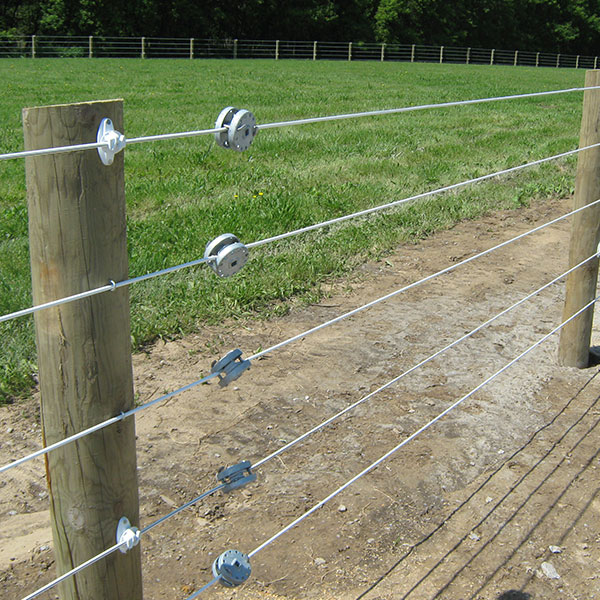
Material matters too. Barbed wire, electric strands, glass shards and spiked tops are restricted or banned in residential zones, and an electric fence on a residential lot may need an agricultural exemption even when the height is fine.
 6 ft x 8 ft Vinyl Semi-Privacy Fence Panel Kit72 in high vinyl panel kit with picket-top styling, multiple colors, assembly, pre-routed posts and coordinating gates; suited to common 6 ft residential height limits.View Product →
Standard 6 ft x 8 ft panels sit right on the threshold in many cities, so the panel you choose is already part of the permit decision rather than a separate step.
What Actually Triggers a Permit Review
A review is triggered by any one condition, not all of them, and a single mismatch is enough to put the project in front of a plans examiner.
- Height above the local ceiling, measured at the highest grade point under the fence line.
- Front or street-side placement, where a lower ceiling almost always applies.
- Corner lots, where the sight triangle near the intersection often caps fences at 3 ft so drivers and pedestrians can see.
- Restricted materials such as barbed wire, electric wire, glass or metal spikes.
- A pool barrier, which falls under a separate safety code with a minimum height, limited gap sizes and self-closing gate hardware.
- Easements, floodplains, historic districts or coastal zones, each adding its own review layer.
Setbacks can matter more than height. A fence placed on a drainage easement can be rejected at inspection even when the height is fully compliant, and moving it afterwards means new posts, new holes and a second fee.
Front Yard, Rear Yard, Corner Lot: Height Limits Are Not One Number
Most codes set a lower ceiling on the street-facing side, so the same panel can be legal behind the house and illegal in front of it.
Front yard3 to 4 ft
Sight triangle3 ft
Side yard4 to 6 ft
Rear yard6 ft
A front-yard fence is judged as a visibility and streetscape issue rather than a privacy issue, which is why the ceiling drops so sharply. A 4 ft picket or low privacy run sits under most front-yard limits and often clears with an over-the-counter check instead of a full review.
 Vinyl Picket Fence Panel Kit with 3-Inch PicketsStraight vinyl picket panel kit in 36–72 in heights, with 3 in pickets, cap options, pre-routed posts and gates for lower front-yard runs.View Product →
Rear-yard limits are usually where full-height privacy panels live, and that is also where inspectors measure most carefully, because a rear run is easy to see from a neighbouring second-storey window.
Replacing or Repairing a Fence: Where the 50 Percent Rule Bites
Replacing sections in the same footprint, at the same height and in the same material is the most common exemption. Rebuilding more than roughly half the structure usually pulls the project back into permitting.
Repair and like-for-like
- Same footprint and same finished height
- Fewer than half the panels or posts replaced
- Posts reset in the existing holes
- No change to layout, material or gate position
Replacement and rebuild
- New fence line, new height or new material
- More than half the panels replaced
- New post spacing or relocated gate
- Any run that changes the sight line at a corner
Keep the paper trail: dated photos of the old fence, the original invoice or the contractor receipt. When a code officer sees a fence that looks new, the burden of proof sits with the owner, not with the office.
How the Application Works, From Plot Plan to Inspection
Most fence permits are a two-document application: a plot plan showing where the fence sits, plus a form listing height, material and setback.
- Confirm the zoning rule for your address. Ask the planning desk for the maximum height in each yard, the setback from the property line and whether a sight triangle applies.
- Get a plot plan or boundary survey. The plan needs the house footprint, easements and the fence line with dimensions, not a hand sketch on a scrap of paper.
- Submit the site plan. Mark fence height, panel style, post spacing, gate location and the direction the gate swings.
- Pay the fee and wait. Straightforward residential reviews commonly run 3 to 15 business days, and historic or coastal districts take noticeably longer.
- Pass inspection. Some offices inspect after posts are set, others only at the end. Ask which applies before the first hole is dug.
Nearly every correction request traces back to three gaps: a missing setback dimension, a height measured from the wrong point, or a gate that swings across a sidewalk.
Fees, Timelines, and What an Unpermitted Fence Really Costs
The permit fee is the smallest number in the project. Removal, retroactive approval and sale-time disclosures are where unpermitted work gets expensive.
| Item | Typical range | What it covers |
|---|---|---|
| Permit fee | 50 to 500 USD | Application, plan review and one inspection |
| Plan review | 0 to 150 USD | Often bundled into the permit fee |
| Boundary survey | 300 to 800 USD | Confirms the fence line and setback distances |
| Review time | 3 to 15 business days | Longer in historic or coastal districts |
| Unpermitted work | Fines plus removal order | Retroactive approval often costs double the original fee |
There is a quieter risk too. An unpermitted fence that crosses a boundary line or blocks a drainage path tends to surface during a neighbour dispute or a property sale, and by then the original installer may be unreachable.
HOA Approval and Property Lines: The Paperwork the City Does Not Handle
A city permit approves a structure. It says nothing about HOA architectural rules, and nothing about who owns the ground under the posts.
HOA covenants commonly cap height at 4 to 6 ft, restrict colours and panel styles, require the finished side to face the neighbour and set a 30 day review window. Submit the same site plan you gave the city, plus a photo or rendering of the chosen panel style.
Boundary questions are separate again. If the new fence runs within about a foot of the line, order a survey instead of trusting the fence you are replacing, because encroachment discovered at resale can force removal. Cost-sharing rules vary by state, and low picket styles can complicate a boundary read more than expected, as covered in this look at picket fences and property boundaries.
Panel selection is where most of this paperwork starts, so shortlist vinyl privacy fence panels by height and style before you file, not after.
A permit approves the structure. It does not approve the boundary, and it does not overrule the HOA.
Frequently Asked Questions
Do I need a permit for a fence under 6 feet?
In many cities, no. A 5 ft or 6 ft rear-yard fence on an interior lot is often exempt, but front-yard limits run 3 to 4 ft, and a number of jurisdictions require a permit for any fence at all. Confirm the ceiling for every yard the fence touches, not only the tallest one.
Does HOA approval replace a city permit?
No. They are independent approvals. An HOA committee can approve a fence the city later rejects for height or setback, and a stamped city permit does not override a recorded covenant.
What happens if I build without a permit?
Outcomes range from a warning and a retroactive permit to fines, a stop-work order or removal at your own cost. Unpermitted fences also surface during a sale, when buyers and inspectors ask for the approval history.
Does a vinyl fence need a different permit than wood or metal?
Rarely. Permits are driven by height, location and material restrictions rather than the type of panel. Vinyl does face extra scrutiny in a few historic districts where smooth, bright panels are treated as out of character with the streetscape.
Before ordering panels, call the planning desk with three details: the address, the finished fence height and the yard it faces. That one call settles more than any general summary can.
The permit question resolves fastest before the panel order, not after the posts are set. Height first, yard second, paperwork third, and the fence goes in once.
 No. 142 Xinxiqiao, Linan, Hangzhou City, Zhejiang Province, 311300, China
 0086-180 5608 2316
 sales@fentechfence.com
