 WELCOME TO HANGZHOU FANTAI PLASTIC CO., LTD.
 0086-180 5608 2316
 sales@fentechfence.com
 English
 中文简体


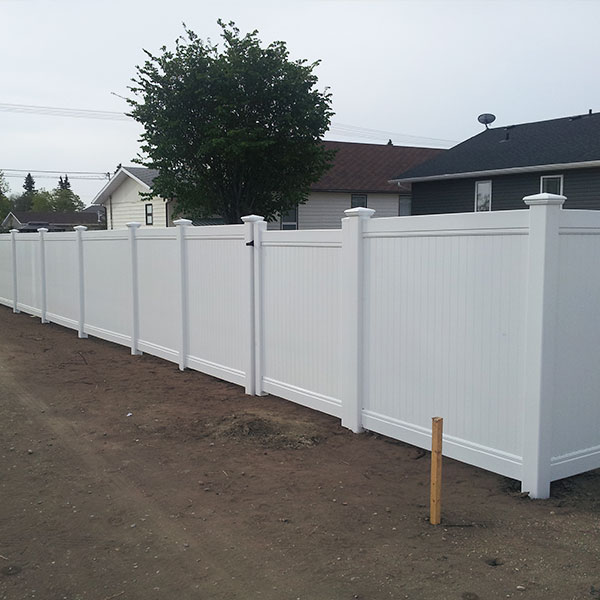
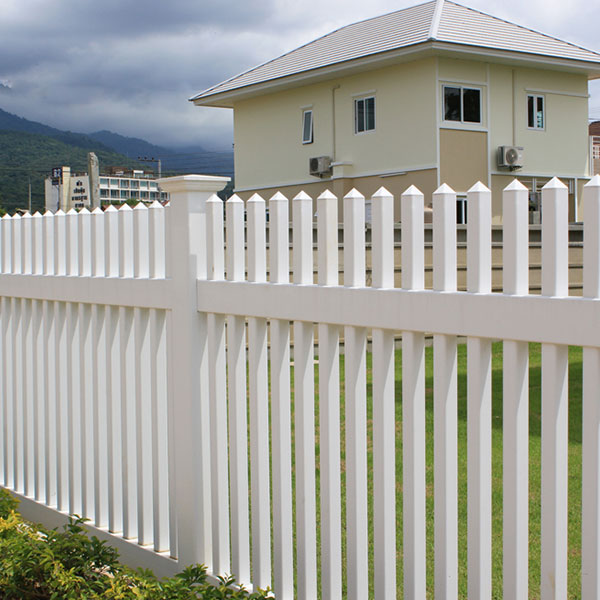
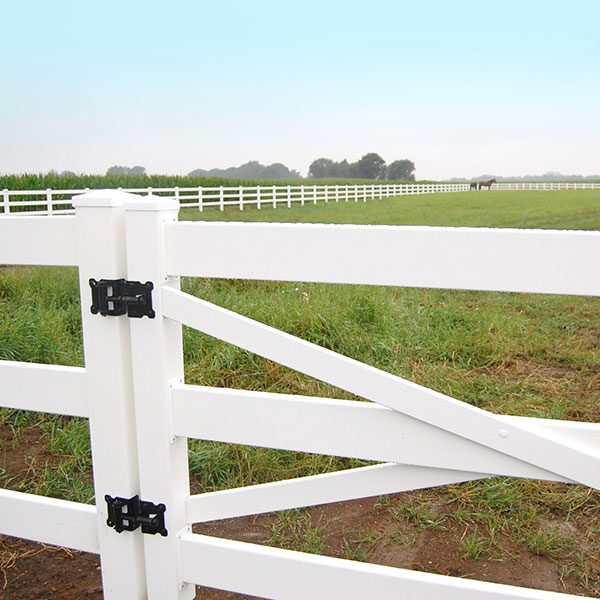
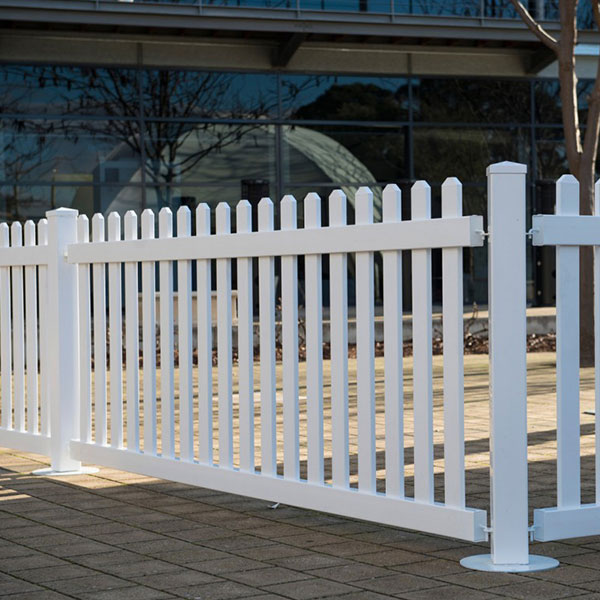


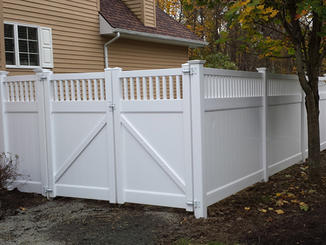
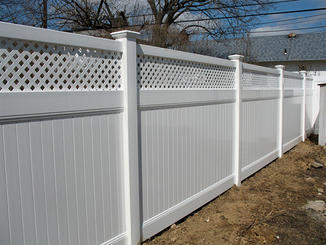
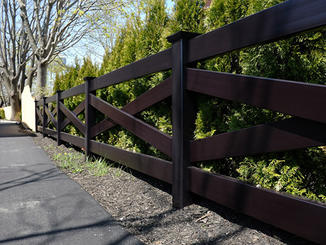



We are professional China Custom Vinyl Fence Manufacturers with fences virgin PVC/Vinyl material and UV Protected.
Content
- 1 What a vinyl fence calculator actually counts
- 2 Running the numbers on a 150 ft privacy fence
- 3 Benchmark rates per linear foot
- 4 Where estimates drift: the costs calculators skip
- 5 Adjusting the estimate for your site
- 6 Why sourcing panels from the factory changes the formula
- 7 Vinyl fence cost calculator questions
A 180 ft, six-foot vinyl privacy fence comes back at $14,400 from one contractor and $9,800 from another, and both quotes name the same panel style. The gap is rarely the panel. It sits in post counts, gate hardware, concrete, tear-out and labor hours that one estimator itemized and the other folded into a lump sum. A vinyl fence cost calculator exists to surface those lines before anyone signs.
What a vinyl fence calculator actually counts
A vinyl fence cost calculator converts a fence layout into a bill of materials, then multiplies each item by a local supply or labor rate.
Most web tools ask for four inputs and stay silent on the rest: total linear feet, fence height, style, and gate count. Those four answers drive the entire number, because they set both panel count and post count.
Definition: a vinyl fence estimate equals panel count multiplied by panel price, plus post count multiplied by post price, plus gates and hardware, plus concrete, plus labor per linear foot, plus site extras such as tear-out, permits and grading.
The four inputs that control the whole estimate
- Linear feet sets panel count, because vinyl panels are built on an 8 ft module.
- Height changes panel price and wind loading, and 6 ft remains the most common privacy height.
- Style separates privacy, semi-privacy, picket and post-and-rail pricing bands.
- Gate count adds a factory gate kit plus heavier posts and hinges on both sides of the opening.
Anything a calculator never asks about, it cannot price. That is the mechanical reason two tools can disagree by several thousand dollars on the very same 150 ft run.
Running the numbers on a 150 ft privacy fence
A 150 ft, six-foot-high vinyl privacy fence needs roughly 19 panels, 20 line posts, one gate and around 40 bags of concrete.
19panels on an 8 ft module
20posts including both ends
4050 lb concrete bags
150linear feet of fence
Total = (19 x panel price) + (20 x post price) + gate kit + hardware + (150 x labor rate) + tear-out
At typical US supply rates, a 6 ft x 8 ft privacy panel runs $95 to $145, a 5 x 5 line post $28 to $45, a gate kit $280 to $480, and gate hardware $40 to $90. Installation labor lands between $8 and $15 per linear foot on level ground.
| Component | Unit | Low | High | Notes |
| Privacy panel | 6 ft x 8 ft | $95 | $145 | Tongue and groove, UV stabilized |
| Line post | 5 x 5 x 8 ft | $28 | $45 | One per panel joint |
| Corner post | 5 x 5 x 8 ft | $36 | $58 | Needs two rail pockets |
| Post caps and brackets | Per post | $6 | $14 | Often bundled, sometimes not |
| Gate kit | Per opening | $280 | $480 | Frame, hinges, latch |
| Concrete | 50 lb bag | $6 | $9 | Two bags per post, three in soft soil |
| Installation labor | Per linear ft | $8 | $15 | Level site, easy access |
| Tear-out and haul away | Per linear ft | $3 | $7 | Concrete footings cost extra |
Benchmark rates per linear foot
Installed vinyl privacy fencing usually lands between $25 and $42 per linear foot, with material alone at roughly $12 to $22.
$3,750 is the midpoint material cost for 150 ft of privacy fence before a single hour of labor, which is why a $4,000 all-in quote deserves a second look.
Use these bands as a sanity check rather than a price list. If a calculator output falls well under the material band, the tool is probably counting panels without posts, or posts without concrete. Our worked walkthrough of material and installation pricing shows the same math step by step.
Where estimates drift: the costs calculators skip
The five lines most often missing from a vinyl fence estimate are tear-out, concrete, corner bracing, gate hardware and grade changes.
Material-only estimate
- Panels and posts only
- Gate priced as a panel
- No concrete, caps or brackets
- Assumes a flat, clear fence line
Installed estimate
- Panels, posts, caps and brackets
- Gate kit plus hinges and latch
- Two concrete bags per post
- Tear-out, haul-away and permit
A 150 ft project can differ by $1,800 purely on those four extra lines. Corner bracing matters too: a 90 degree turn needs a heavier post than a straight run, and calculators that treat every post as identical underprice each corner.
A quote that looks $2,000 cheaper is usually missing four line items, not offering a discount.
Adjusting the estimate for your site
Run the calculator once for the fence line you measured, then adjust it once for the site.
Measure the real run. Walk the line with a tape or wheel, then add 5 percent for cutting waste and odd angles.
Count corners and gates. Each corner takes a heavier post; each gate takes two gate posts plus hardware.
Check grade and soil. A slope over 6 in across one panel run usually means stepped panels and deeper footings.
Add contingency. Hold back 8 to 10 percent for rock, hidden footings and permit conditions.
Fixed quote versus allowance: ask the contractor whether concrete, caps, tear-out and permits are inside the number or billed later. On a 150 ft job those four allowances commonly total $900 to $2,200.
Why sourcing panels from the factory changes the formula
Buying panels, posts and gates from the extruder removes the distributor layer, which is often 25 to 40 percent of the material line.
Fentech extrudes its own vinyl profiles and ships matched sets, so the bill of materials a buyer assembles matches what arrives on the truck. That matters for a calculator, because every mismatched component becomes a second shipment.
 UV-Proof 6 ft x 8 ft Vinyl Privacy Fence Panel KitSemi-privacy vinyl panel with picket top, tongue-and-groove boards, reinforced bottom rail, and color options; coordinates with pre-routed posts and gates.View Product →
The 6 ft x 8 ft UV-proof privacy panel is the unit most US calculators assume, with a tongue-and-groove profile and color held through the capstock rather than painted on.
 Customizable PVC Raised Garden Bed KitCustomizable PVC raised garden bed with quick tool-free assembly, open-bottom drainage, and modular 45 x 45 x 13.3 in kits for vegetables, flowers, herbs, or pet use.View Product →
Flat-top privacy panels with 2 x 6 rails price differently from routed styles because rail pockets and post preparation change the labor rate per panel.
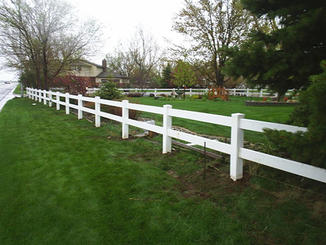 Pre-Assembled Vinyl Privacy Fence GatePre-assembled single or double vinyl gate with aluminum-reinforced posts, stainless steel hinges and latch, available in matched widths and colors for privacy fencing.View Product →
Gates are where estimates slip most, since a gate kit carries its own frame, hinges and latch on top of two reinforced posts. Buyers who order gates with the panel run usually pay less than buyers who add them later.
Custom profiles change the arithmetic: special widths, colors or rail spacing carry tooling and minimum order quantities, so always request a written bill of materials before comparing two suppliers on price alone.
For buyers vetting supply reliability alongside price, the factory and production background answers the questions a calculator never will.
Vinyl fence cost calculator questions
How accurate is a vinyl fence cost calculator?
A good calculator lands within 10 to 15 percent of a real installed price, provided it counts posts, concrete and gate hardware. Tools that quote purely per linear foot tend to run low on short runs and on sites with corners.
How many panels do I need for 200 feet of fence?
Divide 200 by 8 to get 25 panels, then add 5 percent for waste, so 26 panels. That same run needs 26 posts plus any gate posts, since post count is panel count plus one per straight run.
Is vinyl cheaper than wood over ten years?
Vinyl usually costs more on day one and less by year ten. Wood needs repainting or staining every two to four years, while vinyl needs a wash, so the crossover typically arrives between year six and year nine.
Do I need a permit for a vinyl privacy fence?
Most US jurisdictions require a permit above 6 ft in height, or for any fence on a property line or corner lot. Permit fees commonly run $50 to $350 and belong in the estimate as a separate line.
Run the calculator twice: once with material only, and once with posts, concrete, gate hardware, labor and tear-out included. The second number is the one you will actually pay, and it is the only one worth comparing across suppliers.
 No. 142 Xinxiqiao, Linan, Hangzhou City, Zhejiang Province, 311300, China
 0086-180 5608 2316
 sales@fentechfence.com
