 WELCOME TO HANGZHOU FANTAI PLASTIC CO., LTD.
  0086-180 5608 2316
 sales@fentechfence.com
 English
  中文简体
中文简体

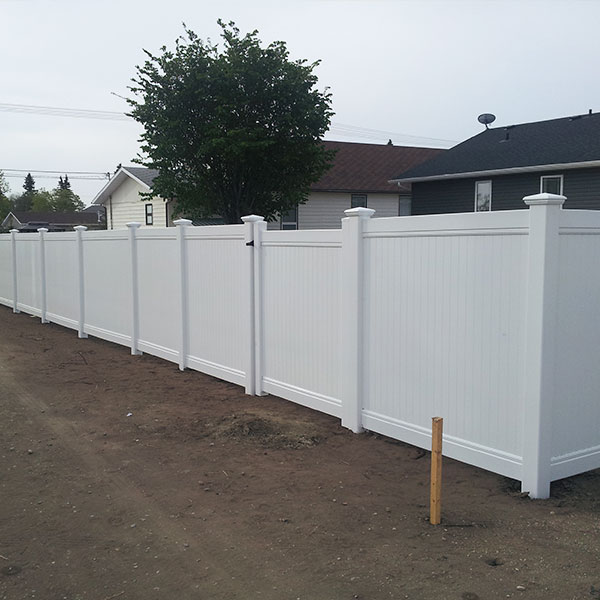
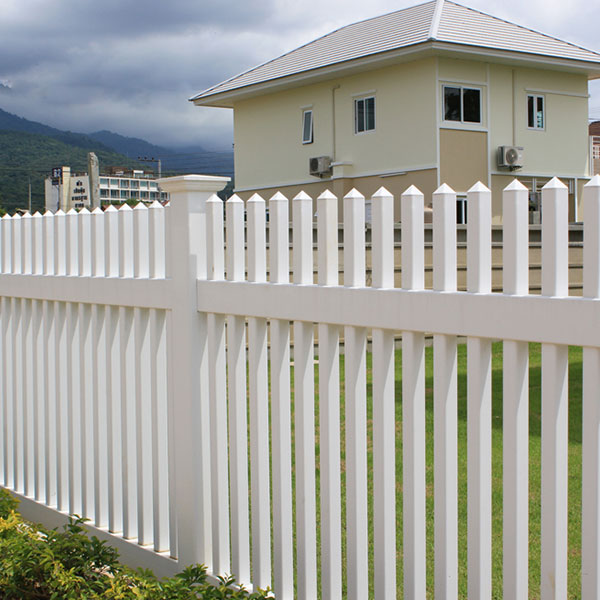
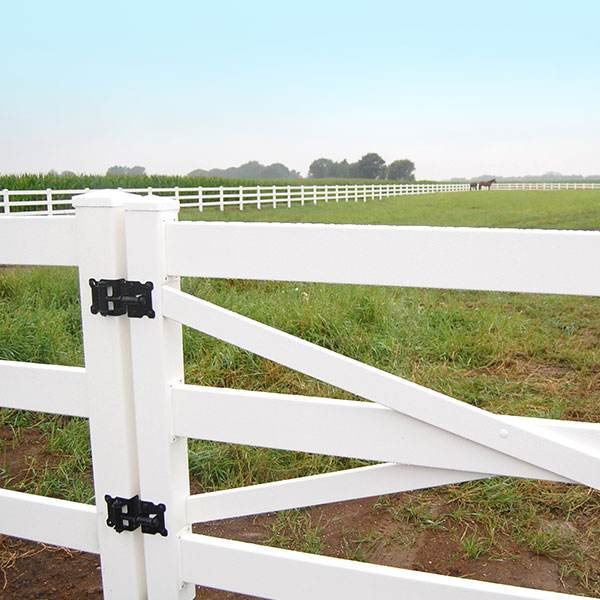
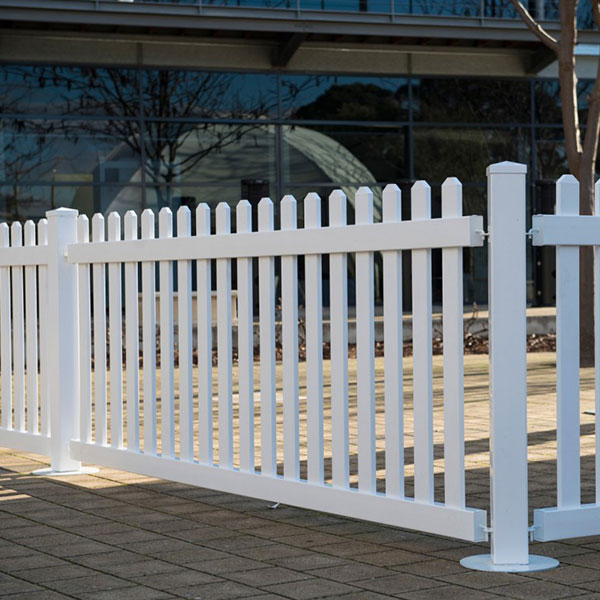

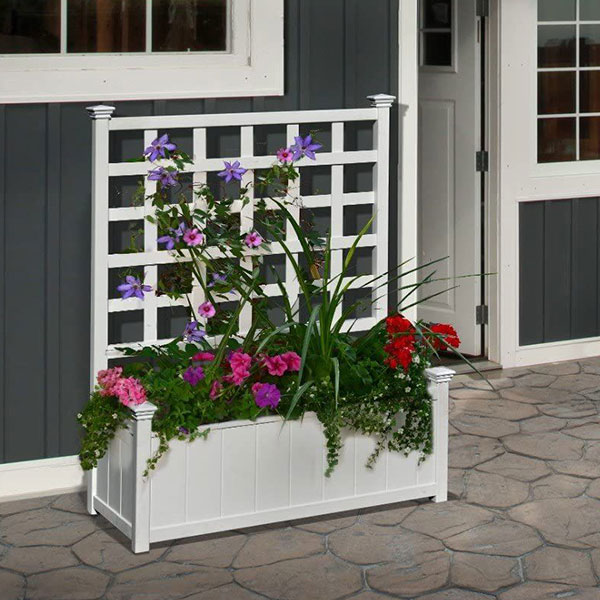
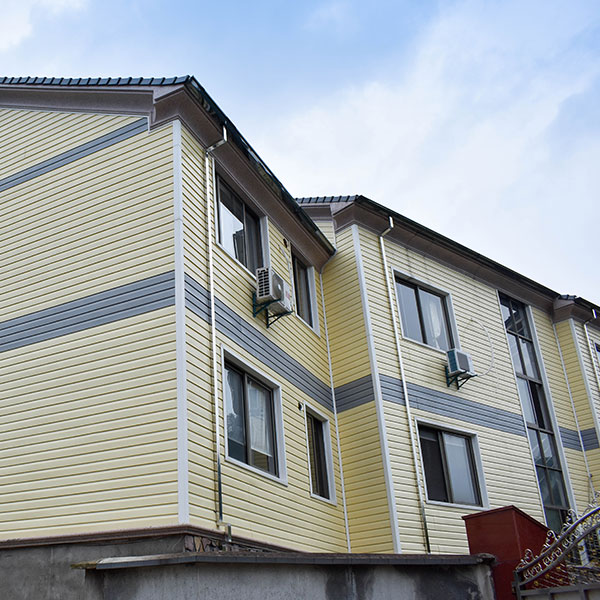
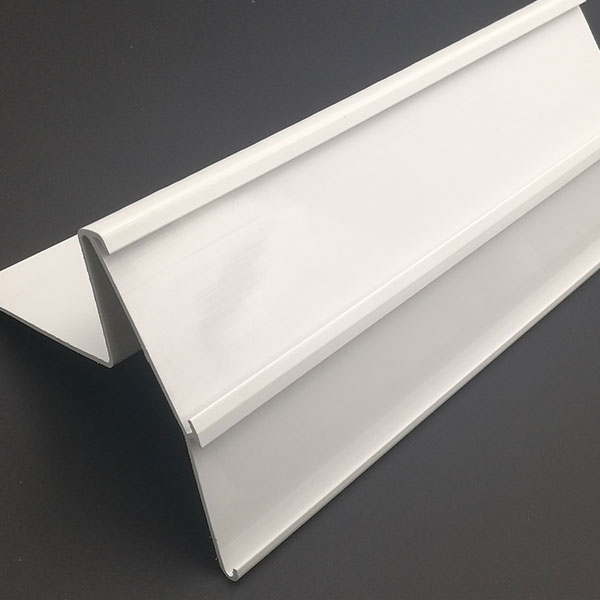
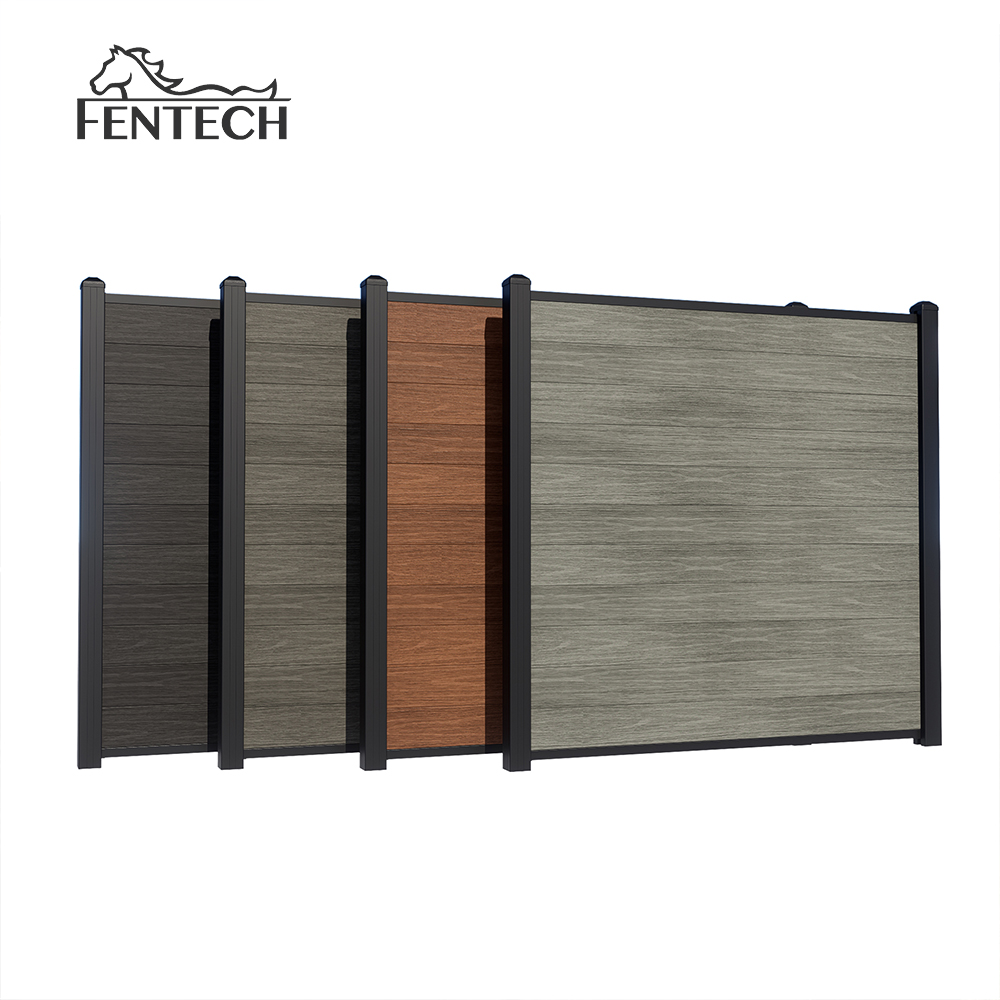
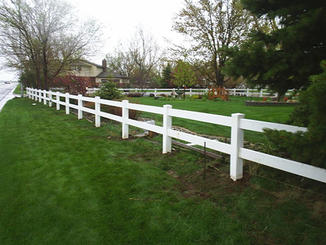
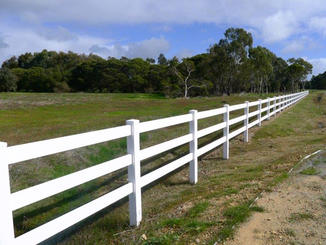
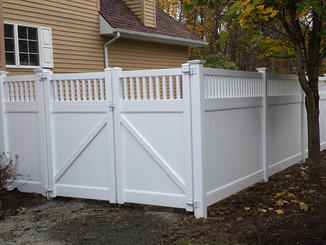
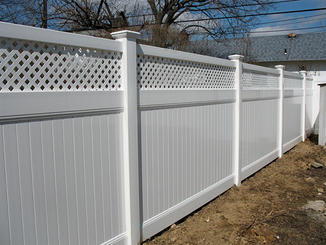
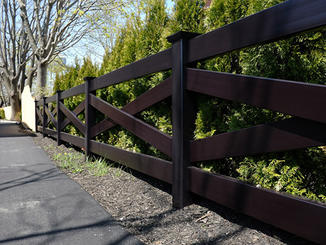

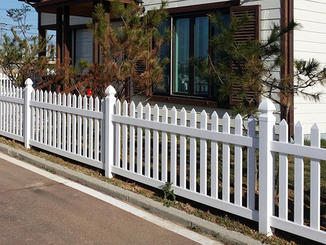

We are professional China Custom Vinyl Fence Manufacturers with fences virgin PVC/Vinyl material and UV Protected.
Content
What It Costs to Replace a Privacy Fence
Replacing a privacy fence costs most homeowners between $1,500 and $10,000, with the national average landing around $4,000 to $5,500 for a standard 150-linear-foot yard perimeter. That range includes demolition of the old fence, material costs for the new one, and professional installation.
Replacement tends to cost 15–25% more than a new installation because of the added demolition and disposal work — a step that cannot be skipped and that many homeowners underestimate when budgeting.
Demolition and Removal: The Cost Most People Forget
Before any new fence goes in, the old one has to come out. Removal and disposal typically adds $3 to $7 per linear foot to the total project cost, depending on material and condition.
- Wood fence removal: Easiest and cheapest to demo — panels detach quickly, though old posts set in concrete take more time.
- Vinyl fence removal: Panels come apart without tools in many cases, but concrete footings left in the ground must still be dug out or cut flush.
- Metal or chain link removal: More labor-intensive, especially for long continuous runs of tension wire and post anchors.
Some contractors recycle salvageable material, which can occasionally reduce removal fees. Ask directly when requesting quotes.
Replacement Cost Comparison by Material
The material you choose for the replacement fence is the largest cost driver after removal. These figures represent fully installed replacement costs (demolition + new installation) per linear foot:
| Material | Replacement Cost (per linear ft) | 150 ft Total Estimate |
|---|---|---|
| Wood (cedar/pine) | $18 – $35 | $2,700 – $5,250 |
| Vinyl (PVC) | $28 – $50 | $4,200 – $7,500 |
| Composite | $35 – $65 | $5,250 – $9,750 |
| Chain link (w/ slats) | $15 – $28 | $2,250 – $4,200 |
Partial vs. Full Fence Replacement: Which Makes More Sense?
If only a section of your fence is damaged or rotted, a partial replacement is worth considering — but it comes with trade-offs:
- Cost savings: Repairing 20–30 linear feet instead of 150 can save $1,500–$5,000 upfront.
- Matching issues: Older vinyl and wood often no longer matches available stock, leaving visible color or style differences.
- Structural integrity: If posts are rotting at the base or if the old fence is more than 15 years old, patching buys only a few more years before full replacement becomes unavoidable.
A useful rule of thumb: if more than 30% of the fence needs repair, a full replacement typically delivers better long-term value and a uniform appearance.
Factors That Increase Replacement Costs
Beyond material and linear footage, several site-specific conditions can push your total higher:
- Concrete post footings: Removing old concrete anchors adds time and may require a jackhammer or post puller — expect $5–$10 extra per post.
- Sloped terrain: Stepped or racked panels require more precision cutting and fitting, adding 10–20% to labor costs.
- Upgrading to a taller fence: Moving from a 6-foot to an 8-foot fence increases both material and structural requirements significantly.
- Adding gates: A single walk gate adds $150–$400; double drive gates run $400–$900 installed.
How to Reduce the Cost of Fence Replacement
There are practical ways to bring down the total without sacrificing quality:
- Handle your own demolition. Removing the old fence panels yourself (but leaving post pulling to pros) can save $200–$600 on a typical yard.
- Get multiple quotes. Prices vary by up to 40% between contractors in the same market — three competing bids is the minimum.
- Time it off-season. Scheduling installation in late fall or early winter, when demand is lower, often results in 10–15% discounts from installers looking to fill their calendars.
- Choose materials that last. Spending more upfront on vinyl or composite typically means no replacement for 25+ years, lowering the cost-per-year significantly.
 No. 142 Xinxiqiao, Linan, Hangzhou City, Zhejiang Province, 311300, China
 0086-180 5608 2316
 sales@fentechfence.com