 WELCOME TO HANGZHOU FANTAI PLASTIC CO., LTD.
  0086-180 5608 2316
 sales@fentechfence.com
 English
  中文简体
中文简体

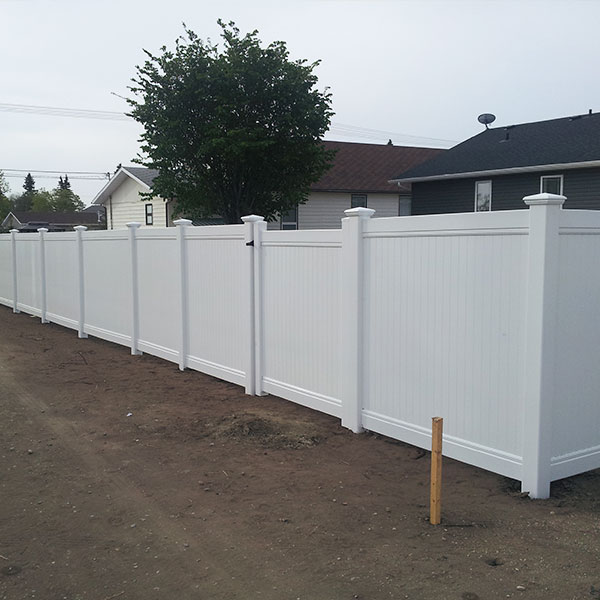
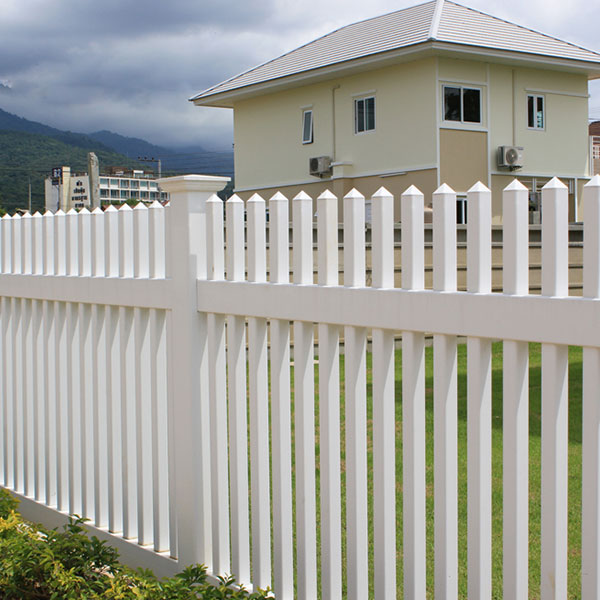
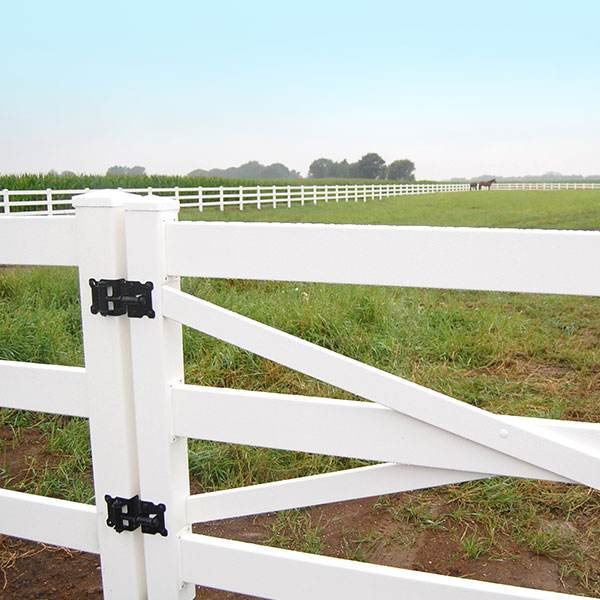
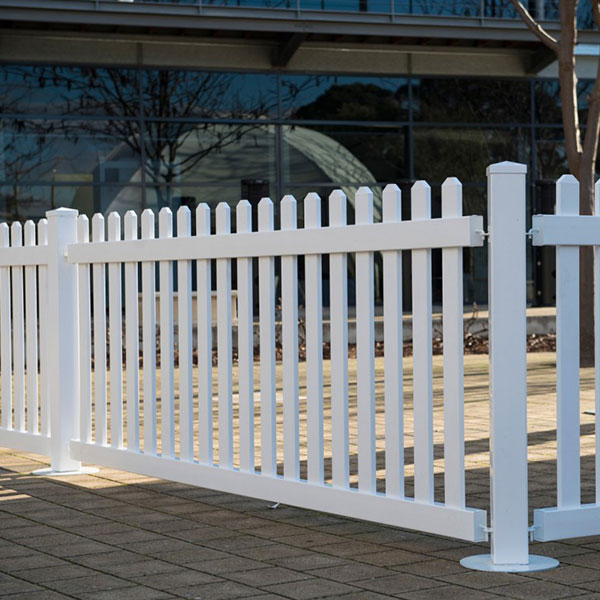

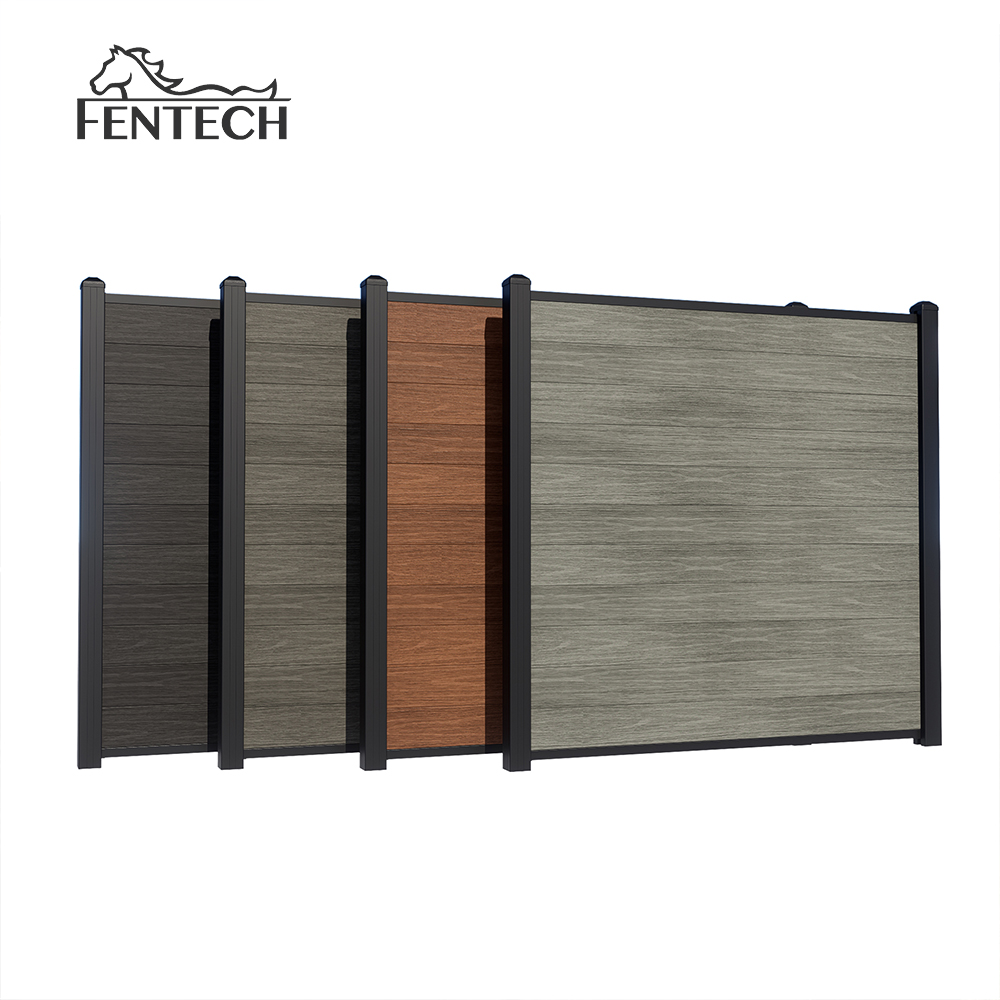
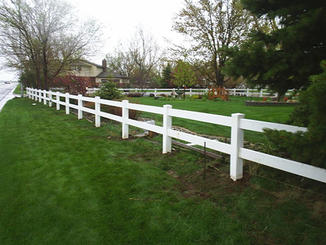
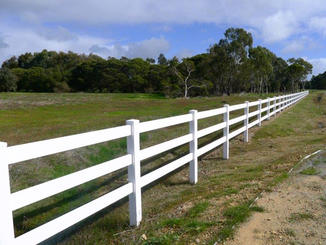
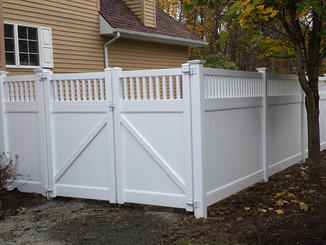
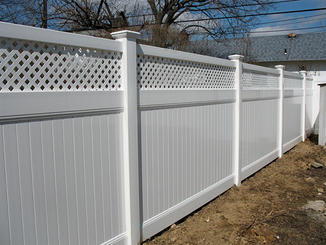
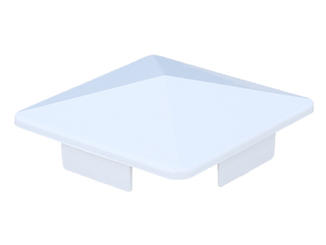
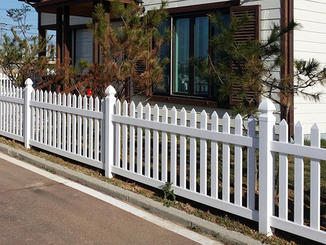

We are professional China Custom Vinyl Fence Manufacturers with fences virgin PVC/Vinyl material and UV Protected.
Content
- 1 Cleaning a White Vinyl Fence Without a Pressure Washer
- 2 What You Will Need Before You Start
- 3 Step-by-Step Cleaning Method for Everyday Dirt and Grime
- 4 How to Remove Mold, Mildew, and Green Algae
- 5 Tackling Stubborn Stains: Rust, Scuffs, and Yellowing
- 6 Tips to Keep Your White Vinyl Fence Cleaner for Longer
Cleaning a White Vinyl Fence Without a Pressure Washer
A white vinyl fence can be restored to near-original brightness using a bucket, a soft brush, and the right cleaning solution — no pressure washer needed. The key is matching your cleaning agent to the type of stain: general grime, mold and mildew, or stubborn oxidation all respond to different treatments.
Pressure washers, while effective, can force water behind panels, loosen post caps, and even crack aging vinyl at high settings. Hand cleaning is safer for the fence and easier to control.
What You Will Need Before You Start
Gather these supplies before you begin to make the process efficient:
- A garden hose with a spray nozzle
- A soft-bristle brush or non-scratch scrubbing pad
- A bucket (2–5 gallon)
- Dish soap or white vinegar for general cleaning
- Diluted bleach solution (1 part bleach to 10 parts water) for mold and mildew
- Rubber gloves and eye protection when using bleach
- A microfiber cloth or old towels for final wipe-down
Step-by-Step Cleaning Method for Everyday Dirt and Grime
For routine maintenance and general discoloration, this method works on most white vinyl fences:
- Rinse first. Use a garden hose to wet down the fence from top to bottom, loosening surface dirt and dust.
- Mix your solution. Combine a few drops of dish soap with warm water in a bucket, or use equal parts white vinegar and water for a chemical-free option.
- Scrub in sections. Work on one 3–5 foot section at a time, scrubbing with your brush in circular motions. Pay extra attention to rail tops and panel grooves where dirt accumulates.
- Rinse thoroughly. After scrubbing each section, rinse with the hose immediately so soap does not dry onto the surface and leave streaks.
- Repeat as needed. Move along the fence until the entire run is clean, then do a final full rinse.
This basic routine, done once or twice a year, prevents heavy buildup and keeps white vinyl looking bright for years.
How to Remove Mold, Mildew, and Green Algae
Green or black spots on white vinyl are almost always mold, mildew, or algae growth, especially on shaded fence sections that stay damp. A diluted bleach solution is the most effective way to kill and remove them without scrubbing for hours.
- Mix 1 part household bleach with 10 parts water in your bucket.
- Apply the solution to affected areas and let it sit for 5–10 minutes — this dwell time kills the organism at the root.
- Scrub gently with a soft brush; most growth lifts off easily after soaking.
- Rinse thoroughly and keep the runoff away from garden beds and plants — bleach harms vegetation.
For those who prefer a bleach-free alternative, undiluted white vinegar applied with a cloth is slower but effective on light mildew, typically requiring 15–20 minutes of dwell time before scrubbing.
Tackling Stubborn Stains: Rust, Scuffs, and Yellowing
Certain stains on white vinyl need targeted treatment beyond soap and water:
- Rust stains (from metal hardware or nearby irrigation): Apply a commercial rust remover or a paste of cream of tartar and water. Avoid steel wool, which scratches vinyl and accelerates future staining.
- Scuff marks (from lawnmowers or bikes): A small amount of WD-40 on a cloth removes most rubber scuffs, then clean the area with soapy water afterward.
- Yellowing and oxidation: This occurs on older vinyl after prolonged UV exposure. A vinyl-specific fence brightener or a paste of baking soda and water can help, though severe yellowing may indicate the material is reaching the end of its useful life.
Tips to Keep Your White Vinyl Fence Cleaner for Longer
Prevention reduces how often deep cleaning is necessary. A few habits make a significant difference:
- Trim back vegetation that touches the fence — shrubs and vines trap moisture and promote mildew growth.
- Redirect sprinkler heads so they do not spray directly onto fence panels, which accelerates mineral deposits and algae.
- Rinse the fence with a hose after storms or extended muddy periods rather than waiting for full buildup.
- Schedule a light cleaning each spring as part of regular yard maintenance to prevent staining from becoming ingrained.
White vinyl fence is one of the lowest-maintenance fencing options available, and with consistent basic care, it holds its color and structural integrity for 20 to 30 years without painting, staining, or sealing.
 No. 142 Xinxiqiao, Linan, Hangzhou City, Zhejiang Province, 311300, China
 0086-180 5608 2316
 sales@fentechfence.com