 WELCOME TO HANGZHOU FANTAI PLASTIC CO., LTD.
  0086-180 5608 2316
 sales@fentechfence.com
 English
  中文简体
中文简体

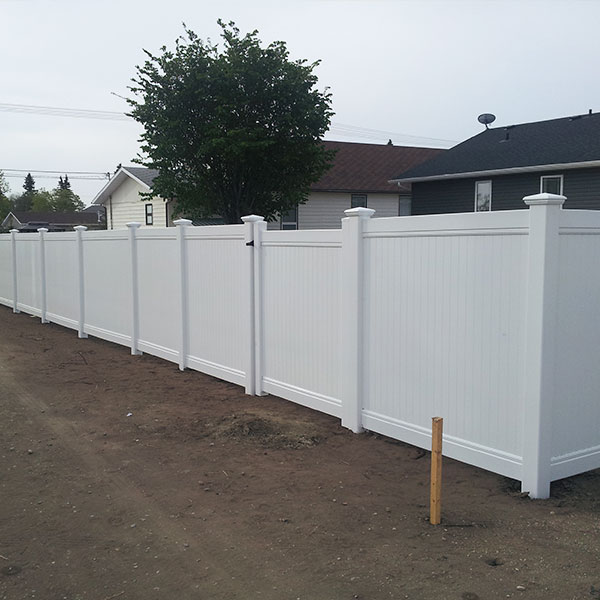
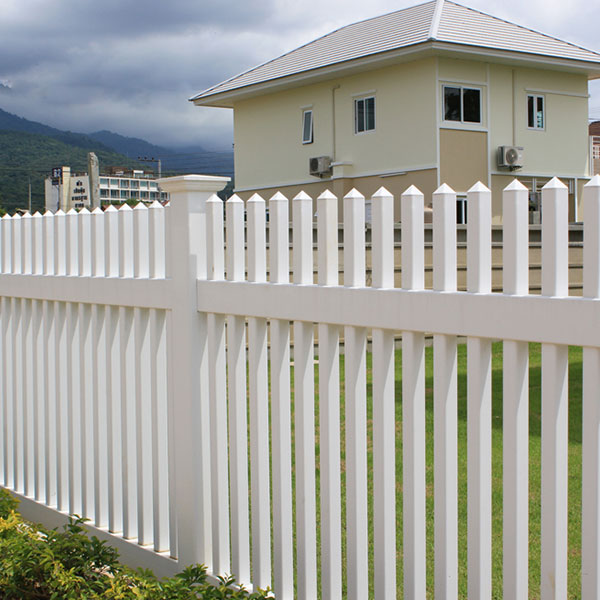
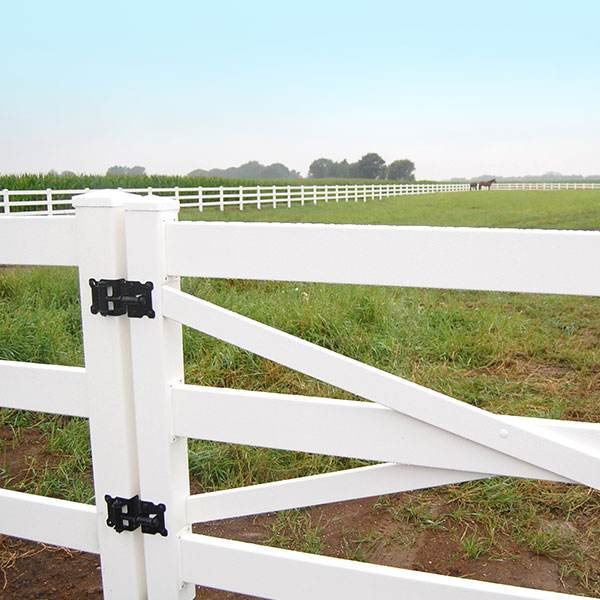
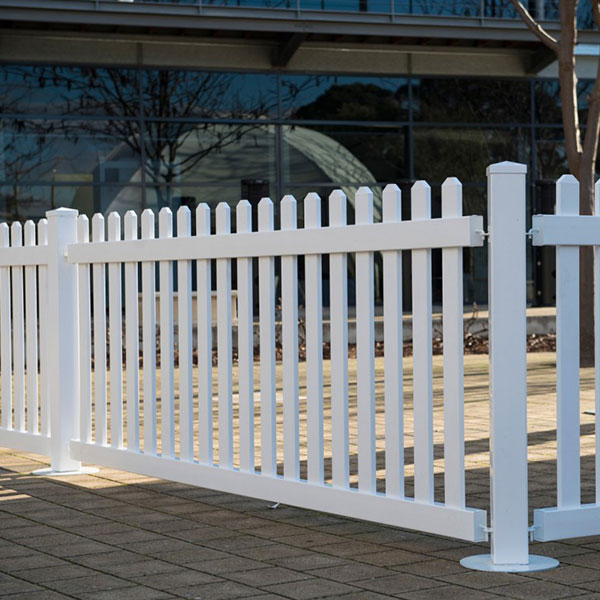
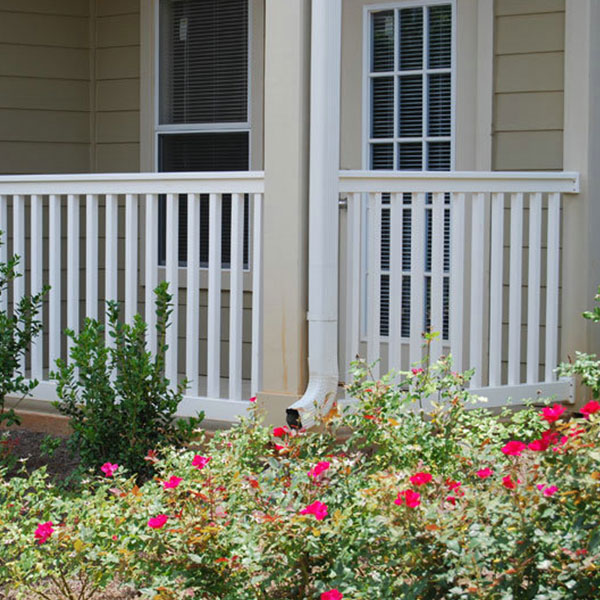


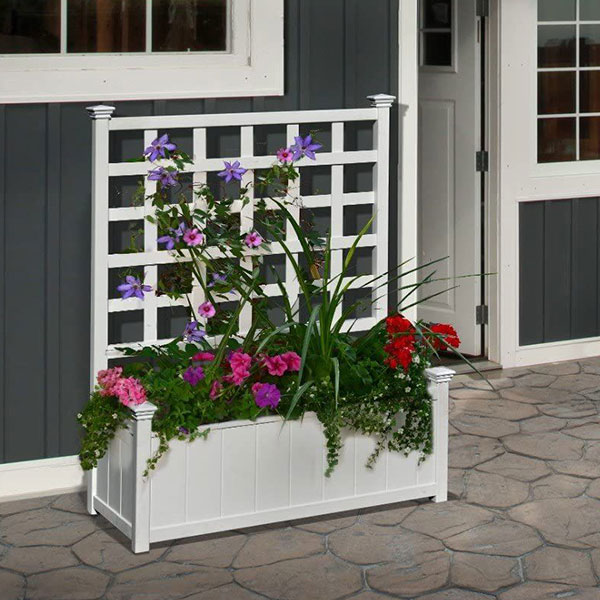
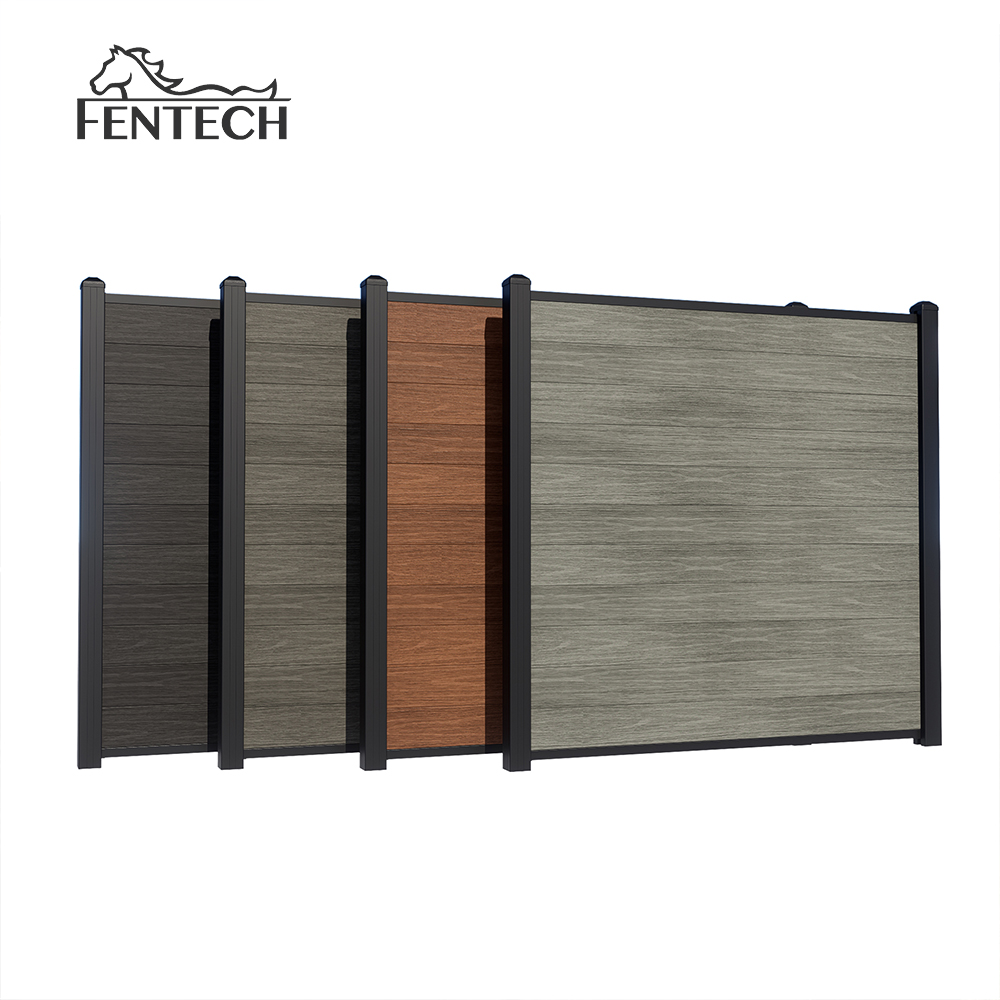
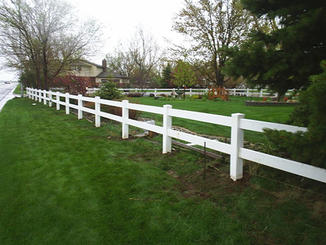
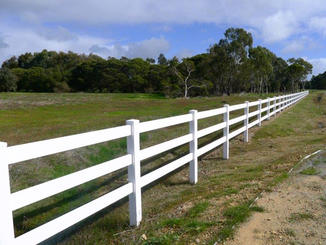
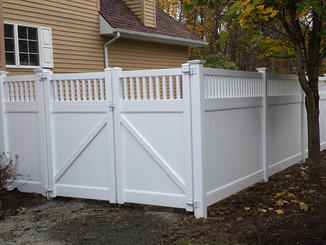
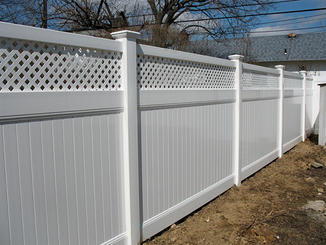
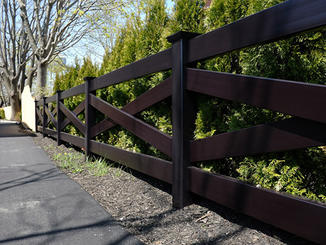
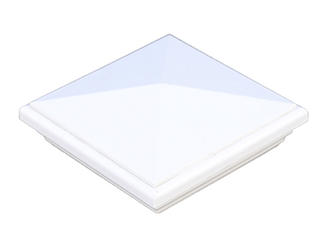
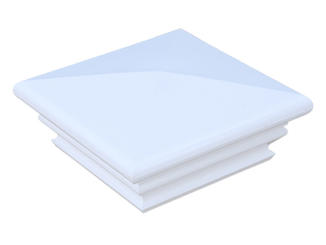
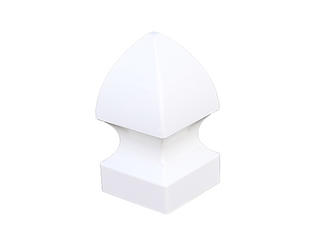
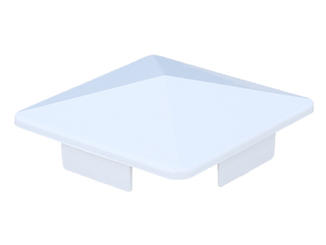
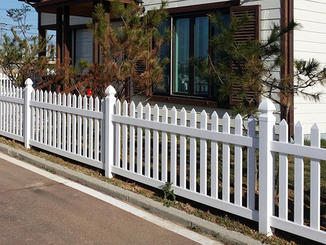

We are professional China Custom Vinyl Fence Manufacturers with fences virgin PVC/Vinyl material and UV Protected.
Content
Vinyl Privacy Fence Panels Deliver Lower Lifetime Cost Than Wood
Over a 25 year period, a vinyl privacy fence panel costs roughly 40 to 60 percent less to maintain than a cedar or pressure treated pine fence. While the initial material price for vinyl is often 30 percent higher than wood, you eliminate spending on stains sealers or replacement boards. A typical wood fence needs resealing every two to three years at USD 0.75 to USD 1.50 per square foot adding thousands of dollars in recurring labor and product costs. Vinyl panels only require an occasional wash with soap and water making them the more economical choice for homeowners who plan to stay on their property for more than seven years.
Conclusion: Vinyl privacy fence panels offer the best long term value for homeowners seeking minimal upkeep and reliable wind resistance. They do not rot warp or provide entry points for termites. For properties in humid or high insect regions vinyl significantly outperforms organic materials.
Wind Load and Structural Performance Data
A common concern about vinyl fences is strength during storms. Modern vinyl privacy panels are engineered with internal aluminum or galvanized steel reinforcement channels. Standard 6 foot by 8 foot panels without reinforcement withstand sustained winds of up to 80 miles per hour. When reinforced with a 1.25 inch steel insert in each post and a bottom rail stiffener the same panel system handles winds up to 110 miles per hour according to independent ASTM D790 flexural tests.
For comparison a non reinforced wood panel of similar picket thickness fails at roughly 70 to 75 miles per hour due to board flex and fastener pullout. Concrete embedded post depth matters more than material alone: both wood and vinyl posts set at 30 percent of the above ground height (for a 6 foot fence that is 24 inches deep) perform adequately. Vinyl posts with a 0.125 inch wall thickness filled with concrete achieve pullout resistance of 450 to 600 pounds which is comparable to a 4x4 treated wood post.
Comparative Cost Analysis Over 10 Years
The following table breaks down ownership costs for a 150 linear foot privacy fence assuming professional installation in a moderate climate. The data shows vinyl becoming more economical by year seven.
| Cost Category | Vinyl Panels (Reinforced) | Wood Panels (Cedar / PT) |
|---|---|---|
| Initial Material (150 ft) | USD 3,200 | USD 2,450 |
| Installation Labor | USD 1,800 | USD 1,800 |
| Stain / Sealant (Yearly average) | USD 0 | USD 720 (6 applications) |
| Board Replacement (rot/damage) | USD 0 | USD 350 |
| 10 Year Total | USD 5,000 | USD 5,320 |
After year ten wood fence owners typically face a full panel replacement due to ground contact rot while vinyl panels often last 25 to 30 years with minimal degradation. The break even point occurs at year eight meaning vinyl becomes cheaper to own from that point forward.
Step by Step Installation for Maximum Privacy
Proper installation prevents sagging and gap formation between panels. Follow this practical sequence for a durable vinyl privacy fence.
Setting Posts Below Frost Line
Dig post holes 10 inches in diameter and 30 inches deep for a 6 foot tall fence in frost prone zones. Add 4 inches of gravel drainage at the bottom. Place a 6x6 inch metal post anchor or directly set the vinyl post sleeve. Insert a 2.375 inch galvanized steel post inside the vinyl sleeve for reinforcement. Pour concrete to 4 inches below grade then backfill with soil to allow water runoff.
Rail and Panel Locking Technique
Slide bottom and middle rails into the routed channels of the posts. Use a rubber mallet to seat the vinyl privacy panel into the rail grooves. Install top rail last pressing down firmly until the locking tabs click. Apply a silicone lubricant to the inside of rail channels to reduce friction and allow for thermal expansion without cracking. Space posts exactly 95.5 inches on center for a nominal 96 inch panel leaving an eighth inch gap for movement.
- Check post alignment with a string line before concrete sets
- Install panel retainers or screws through the rail into the panel to prevent lifting in high winds
- Set bottom rail a minimum of 2 inches above grade to avoid moisture wicking
UV Stabilization and Color Longevity
Not all vinyl compounds resist sunlight equally. Quality privacy panels contain at least 8 to 12 percent titanium dioxide as a UV blocker. Lower grade panels made with calcium carbonate filler instead will chalk and fade within two to three years. A well formulated virgin vinyl panel changes color by less than 2 Delta E units according to ASTM G155 accelerated weathering tests after 5000 hours of UV exposure – that corresponds to roughly 10 to 12 years of outdoor sunlight in a southern US state.
Light colors such as white or almond reflect more UV radiation and maintain structural integrity longer than dark brown or slate tones. If you prefer a dark hue look for a co extruded panel with a separate UV resistant cap layer that is at least 0.010 inches thick. Dark vinyl without a cap layer can rise to 170 degrees Fahrenheit surface temperature leading to bowing between rails; always verify the manufacturer provides a thermal expansion allowance of 0.25 inches per 8 foot span.
Noise Reduction and Privacy Effectiveness
A solid vinyl privacy fence panel reduces perceived street noise by approximately 30 to 40 percent compared to an open picket fence. The Sound Transmission Class rating for a 0.070 inch thick solid vinyl panel is roughly STC 22 to 24. For comparison a 6 foot wood fence with board on board construction achieves STC 19 to 21. The slight advantage for vinyl comes from its non porous surface that does not absorb but rather deflects sound waves. To maximize acoustic privacy add a continuous landscape berm of mulch or gravel along the base on the noise source side. This disrupts sound waves that would otherwise pass under the bottom rail.
 No. 142 Xinxiqiao, Linan, Hangzhou City, Zhejiang Province, 311300, China
 0086-180 5608 2316
 sales@fentechfence.com