 WELCOME TO HANGZHOU FANTAI PLASTIC CO., LTD.
  0086-180 5608 2316
 sales@fentechfence.com
 English
  中文简体
中文简体

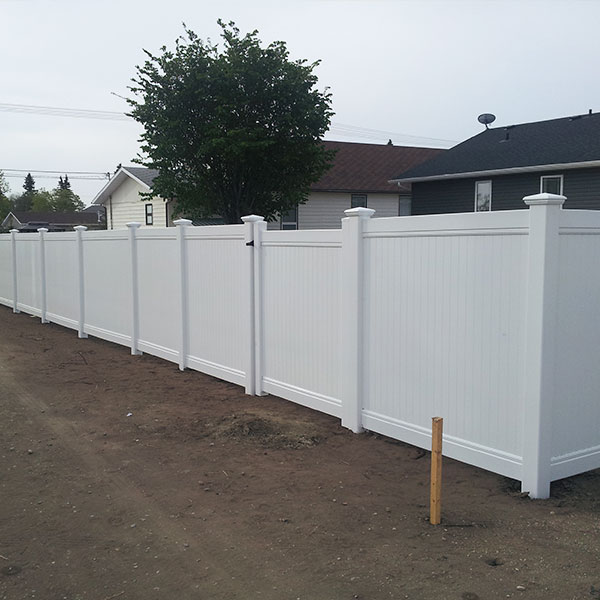
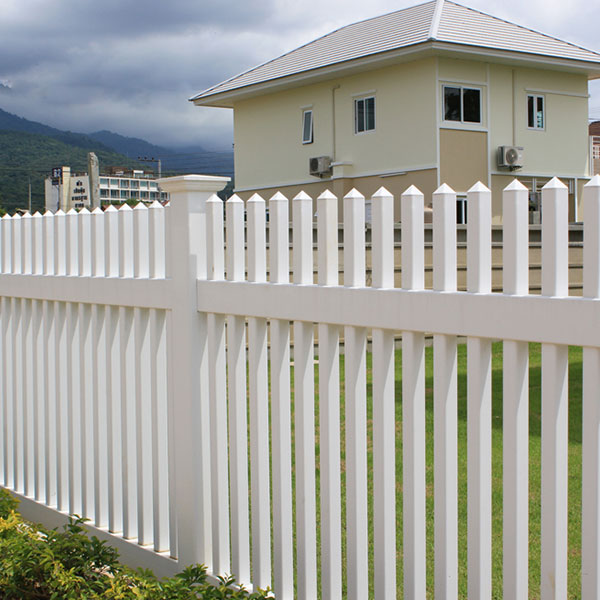
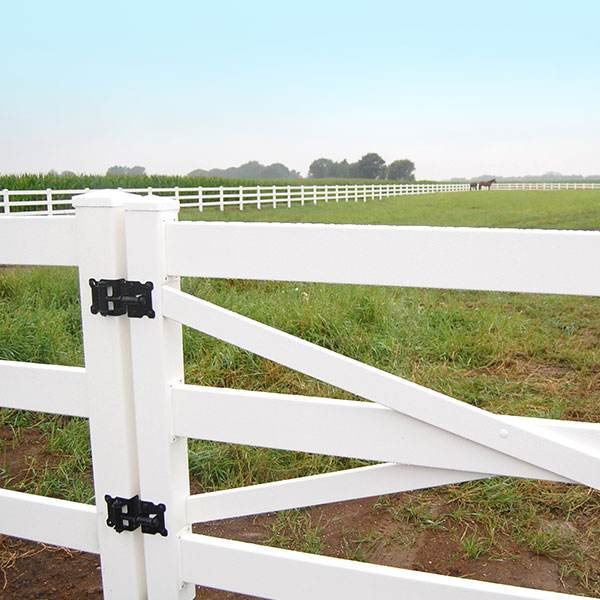
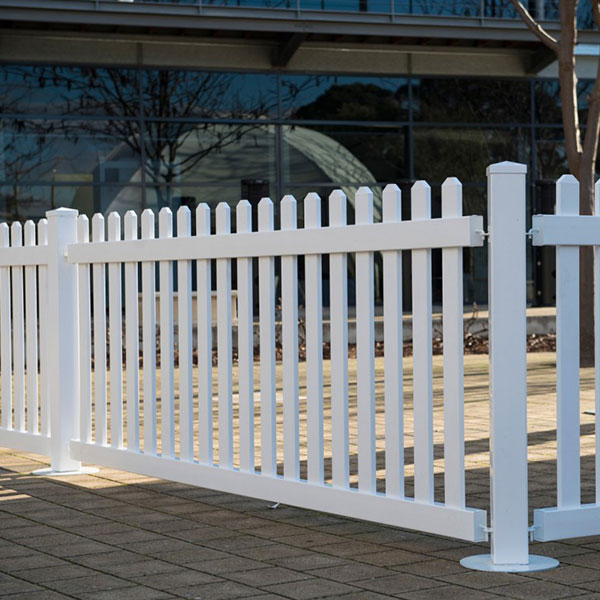
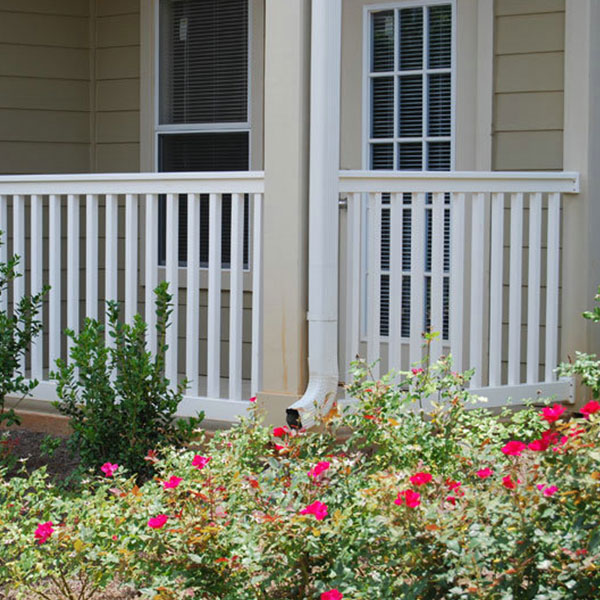

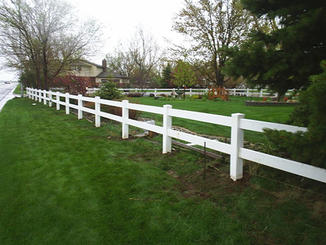
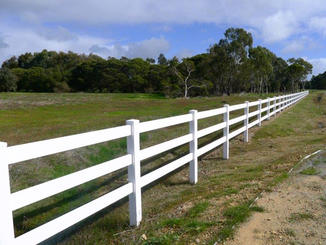
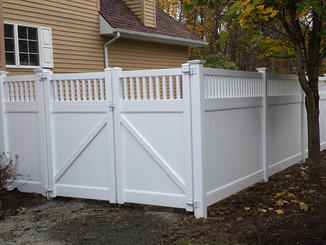
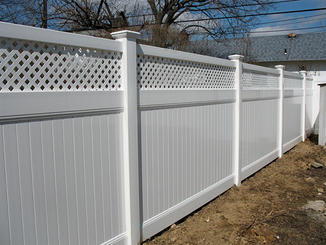
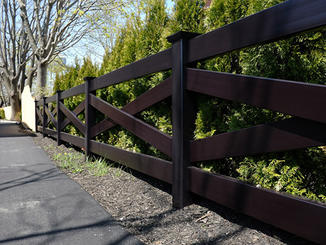
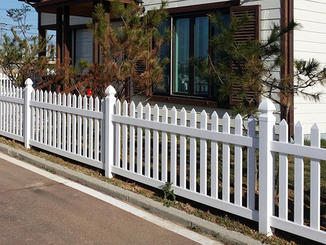

We are professional China Custom Vinyl Fence Manufacturers with fences virgin PVC/Vinyl material and UV Protected.
Content
Most vinyl fence problems are not structural; they are cosmetic. After a few seasons, the once-bright surface collects pollen, road dust, and a green or gray film that makes the fence look far older than it is. Homeowners often ask whether bleach will damage the PVC, whether a pressure washer is safe, or why the dirt keeps coming back. The practical answer is that vinyl responds well to routine washing, but the cleaning method must match the type of stain and the color of the fence.
This guide covers the tools, cleaning solutions, and techniques that work on real vinyl fences, including white, colored, and wood-grain finishes. It also explains when cleaning is no longer worth the effort and a replacement panel is the better option.
Why Regular Cleaning Matters
Vinyl fencing is non-porous, which means it does not absorb water the way wood does. But that does not make it immune to dirt, pollen, and organic growth. Dust and airborne particles settle on the surface, then get baked on by sunlight or glued down by morning dew. Over time, these layers turn into the chalky film or dull gray haze that many homeowners mistake for aging plastic.
Shaded panels and sections near sprinklers are especially prone to algae and mildew. Those dark green or black streaks are not just ugly; they can dry into a hard layer that requires scrubbing to remove. In areas with sandy or mineral-heavy soil, rusty brown spotting appears where irrigation water splashes onto the lower rails. Left unchecked, these stains become deeply embedded and are much harder to lift a year later.
Cleaning on a regular basis solves two problems at once: it removes the visible dirt before it bonds, and it gives you a chance to inspect the fence for loose hinges, cracked rails, and damaged caps while the surface is still wet.
Tools and Supplies You Will Need
You can clean a vinyl fence with ordinary household items; there is no need for specialized equipment in most cases. The most important rule is to keep everything non-abrasive. Steel wool, scouring pads, and stiff wire brushes will leave fine scratches in the PVC that trap dirt and make future cleaning even harder. The same applies to strong solvents such as acetone or petroleum-based degreasers; they can soften the vinyl and cause permanent discoloration.
- Soft sponge or two large microfiber cloths
- Soft-bristle brush with a long handle for upper panels
- Bucket of warm water
- Garden hose with a spray nozzle
- Mild liquid dish soap
- White vinegar for mineral marks
- Oxygen bleach for colored fences
- Chlorine bleach for stubborn organic stains on white fences
- Iron-stain cleaner containing oxalic acid for rust marks
- Rubber gloves and safety glasses
The right cleaning solution depends on what you are removing. The table below summarizes common mixes and their intended use.
| Solution | Typical Mix | Best For |
|---|---|---|
| Mild dish soap | 1 teaspoon per 2 liters of warm water | Dust, pollen, and everyday dirt |
| White vinegar | 1 part vinegar to 4 parts water | Mineral residue and light film |
| Oxygen bleach | Follow the label for dilution | Algae and mildew on colored or white vinyl |
| Chlorine bleach | 1 part bleach to 5 parts water | Persistent mold and algae on white vinyl only |
| Oxalic acid cleaner | Follow the label for dilution | Rust or iron staining |
How to Clean a Vinyl Fence: Step by Step
Start with the gentlest approach and increase strength only if the first pass does not remove the stain. This protects the color and finish, especially on pigmented fencing that has a protective cap layer.
- Rinse the fence with the garden hose from top to bottom. This removes loose dust and tells you which areas need more attention.
- Prepare a soap solution in a bucket and dip your sponge or soft brush.
- Wipe from top to bottom in overlapping strokes. Cleaning downward prevents dirty water from running over sections you have already washed.
- For stubborn spots, scrub with short back-and-forth strokes using a soft-bristle brush. Do not press harder; instead, let the cleaning solution work for a few minutes.
- Rinse thoroughly before the soap dries. Dried soap leaves streaks that are harder to see until sunlight hits the fence.
- Inspect the fence while it is wet and repeat only the sections that still show staining.
A useful habit is to clean the fence on a cloudy day or early in the morning. In direct sun, the solution dries fast and leaves residue streaks that look exactly like the dirt you were trying to remove.
Removing Algae, Mildew, and Rust Stains
Some stains require more than soap and water. Algae and mildew are the most common issue on vinyl fences that get afternoon shade or that sit close to trees and shrubs. A chlorine bleach solution of 1 part household bleach to 5 parts water is effective on white fences. Apply it with a soft brush, let it sit for five to ten minutes, then rinse with the hose. If the fence is colored or has a wood-grain print, use oxygen bleach instead. Chlorine can lighten those pigments and create patchy areas that are difficult to repair.
Iron stains are a different problem. They usually appear as orange-brown streaks near the bottom of the fence, caused by irrigation water, metal particles from lawn equipment, or rusted screws and brackets. An oxalic acid-based cleaner or a dedicated rust remover rated for PVC works best. Carefully follow the mixing instructions, wet the stain, and scrub with a soft brush. Rinse thoroughly with clean water afterward. Do not use a metal scraper or abrasive pad, because scratched vinyl not only looks worse, it collects even more dirt later.
When you are facing unusual staining that does not match the patterns above, or when you want a more complete maintenance schedule for your climate, a vinyl fence care guide with different scenarios can be a useful reference.
Can You Pressure Wash a Vinyl Fence?
Pressure washing is an option, but only with the right settings. A narrow high-pressure jet can cut through the PVC surface, especially along the edges of panels where the material is thinner. Water can also be forced into the joints between rails and pickets, which may cause the hollow posts to fill with moisture. That does not ruin the fence, but it can encourage internal mold growth and make the fence heavier to handle during future disassembly.
If you decide to use a pressure washer, follow these practical limits:
- Fit a wide fan nozzle of at least 40 degrees. A 25-degree surface cleaner attached to a short wand is also acceptable if used at moderate power.
- Keep the nozzle at least 30 to 45 centimeters (12 to 18 inches) from the fence.
- Hold the wand so the spray hits the panel at a slight angle, not straight into the seams.
- Keep the pressure below 1800 psi for most residential machines. If your unit only shows an engine power rating, use the lowest pressure setting and test on a hidden section.
- Never use the zero-degree tip; it acts like a knife on vinyl.
- Move the wand continuously rather than stopping over one spot.
Many homeowners find that a light rinse with the hose plus a quick wipe with a soft cloth is all their fence needs in normal weather. The pressure washer can be reserved for spring cleaning or for the area near the ground where soil splashes gather.
Reducing Dirt Build-Up and Cutting Maintenance Time
The easiest way to keep cleaning fast is to slow down the dirt that reaches the fence in the first place. Pollen and dust will always be a factor, but you can prevent the heavy deposits that turn an afternoon chore into a full-day project.
Start with simple changes around the yard. Trim grass and shrubbery so they do not press against the fence; vegetation holds moisture against the vinyl and creates a habitat for algae. Adjust sprinkler heads so they spray the lawn, not the panels. Along the bottom of the fence, consider a strip of gravel or mulch; it stops soil from splashing onto the lower rail during rain or irrigation.
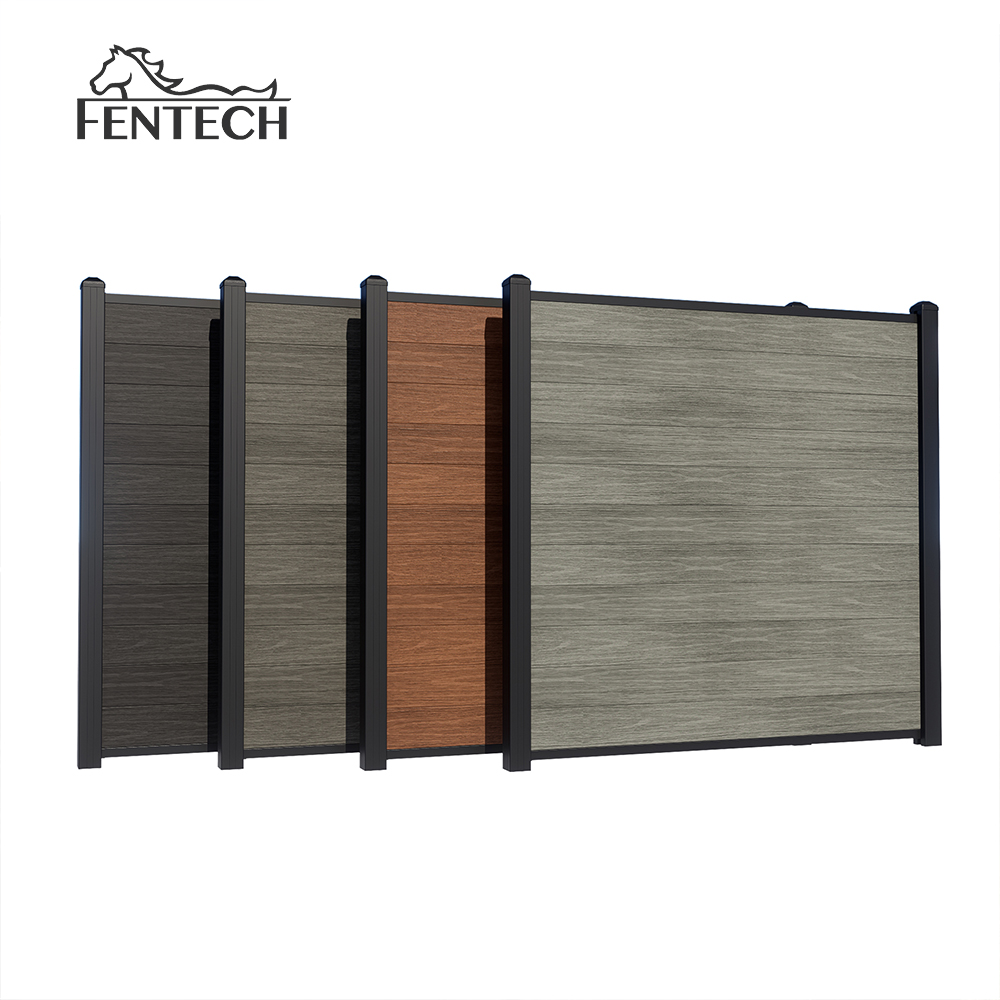
The quality of the fence itself also plays a role. Panels made with UV-stabilized formulations and a protective co-extruded surface resist chalking, fading, and dirt bonding better than basic single-layer extrusions. When a property needs low-maintenance performance and reliable color retention, UV-proof vinyl privacy fence panels are designed to reduce the surface degradation that leads to frequent cleaning.
 Custom FT-F02 UV proof 6ftx8ft Vinyl Privacy Fence Suppliers, OEM Factory - HANHANGZHOU FANTAI PLASTIC CO. LTD is China Custom FT-F02 UV proof 6ftx8ft Vinyl Privacy Fence Suppliers and OEM Factory, Many homeowners p...View Product →
When to Replace a Vinyl Fence Instead of Cleaning It
Cleaning is not a permanent solution for a fence that has aged past a certain point. If the panels show deep cracks, if sections crumble when you press on them, or if the surface stays chalky and gray even after a full cleaning with bleach and degreaser, the PVC is breaking down. These signs usually appear after many years of strong sunlight, especially on inexpensive fences without UV protection.
Another clear signal is when stains return within a few days of cleaning. That usually means the outer surface has become micro-porous from weathering, so dirt and mildew are penetrating below the top layer. No cleaner can restore that kind of damage permanently; it can only delay the moment when replacement becomes necessary.
If you are in this position, replacing the fence is more cost-effective than repeated deep cleaning. New panels give you a clean starting point and a surface that will respond well to simple washing for another decade or longer. A standard panel design with solid faces and a flat top rail is particularly easy to maintain because it has fewer pockets where dirt can hide. The FTF01 flat-top vinyl privacy fence panels follow this approach with smooth faces and a 2 x 6 rail structure.
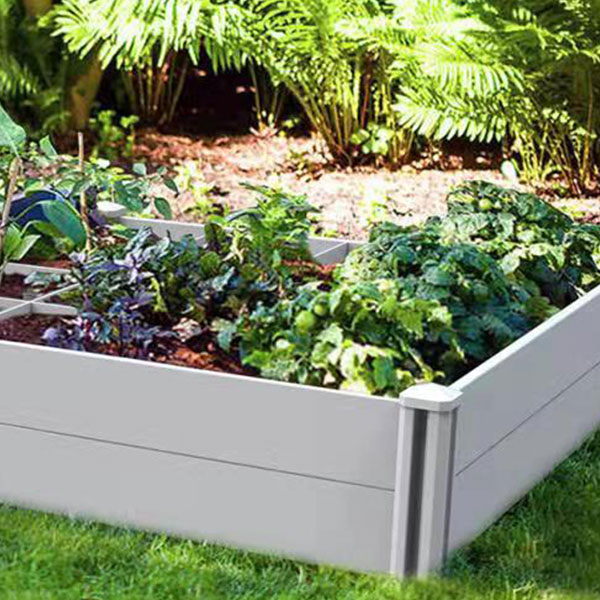
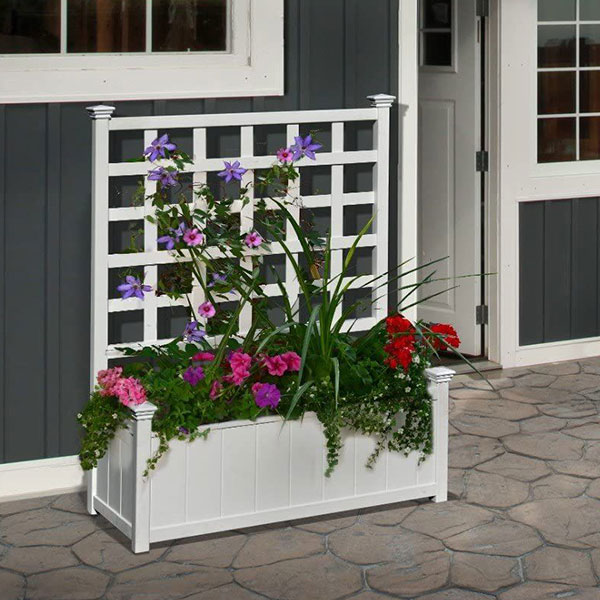
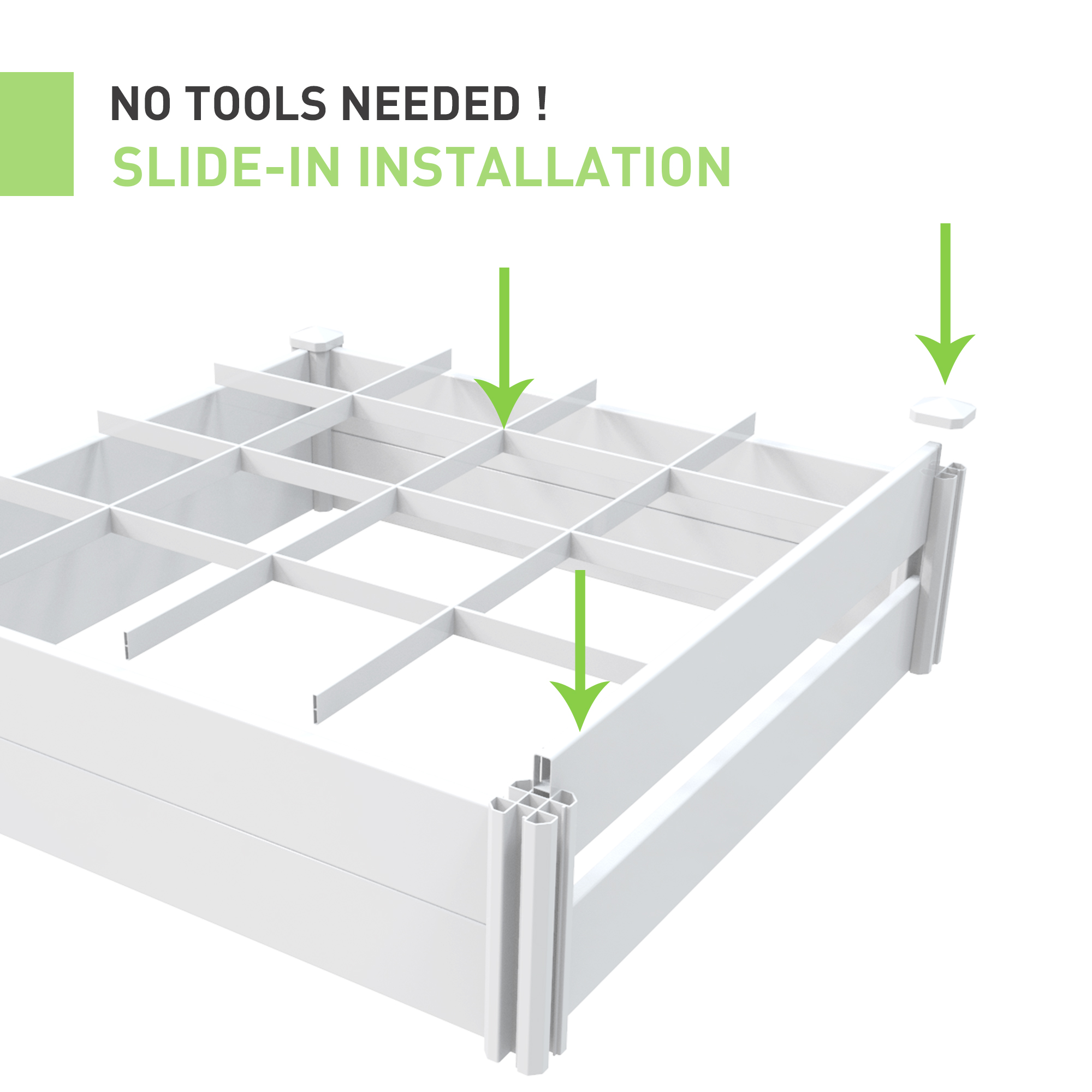 Custom Fentech Plastic Pvc Vinyl Raised Garden Bed Suppliers, OEM Factory - HANGHANGZHOU FANTAI PLASTIC CO. LTD is China Custom Fentech Plastic Pvc Vinyl Raised Garden Bed Suppliers and OEM Factory, [HIGH QUALITY MAT...View Product →
Not every fence needs that kind of commitment though. If your current fence is structurally sound and only requires a bit of extra attention each season, the cleaning tips in this guide are enough. Before you replace anything, compare the available panel heights, rail layouts, and cap styles in our privacy fence collection to confirm what fits your boundary.
Vinyl fencing rarely needs more than a regular rinse, a gentle scrub with mild soap, and an occasional targeted treatment for algae or rust. The key is to stay consistent: a quick thirty-minute wash a few times a year will always beat a full day of scrubbing after a year of neglect. And when the fence itself has reached the end of its life, a new panel installation is the more honest solution than continuing to fight stains that will never fully disappear.
 No. 142 Xinxiqiao, Linan, Hangzhou City, Zhejiang Province, 311300, China
 0086-180 5608 2316
 sales@fentechfence.com