 WELCOME TO HANGZHOU FANTAI PLASTIC CO., LTD.
  0086-180 5608 2316
 sales@fentechfence.com
 English
  中文简体
中文简体

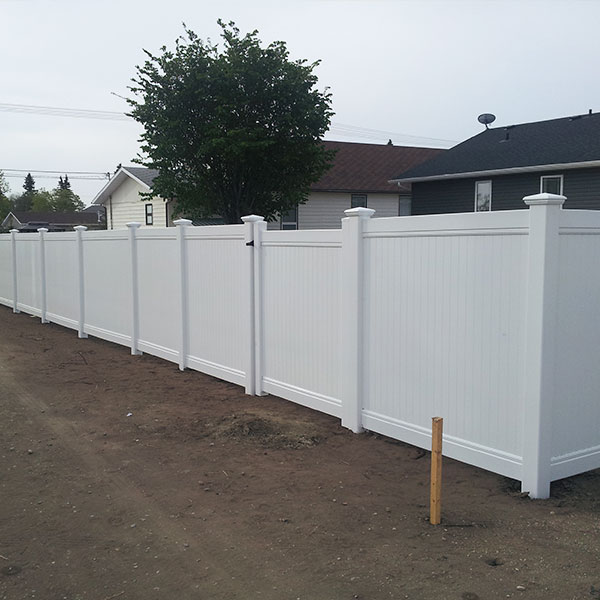
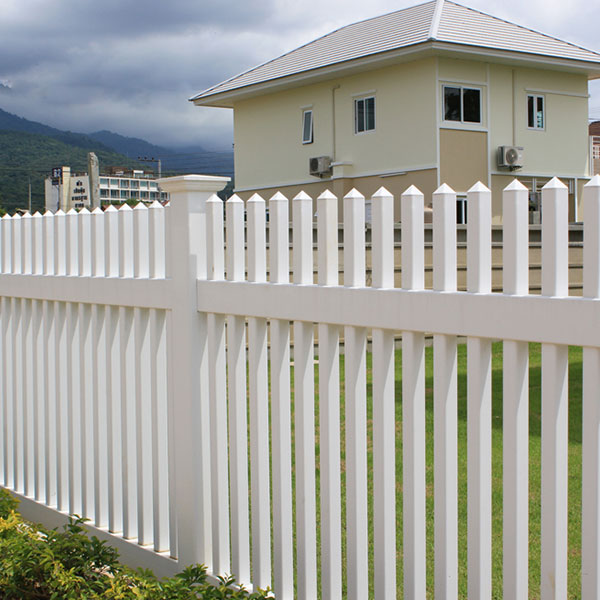
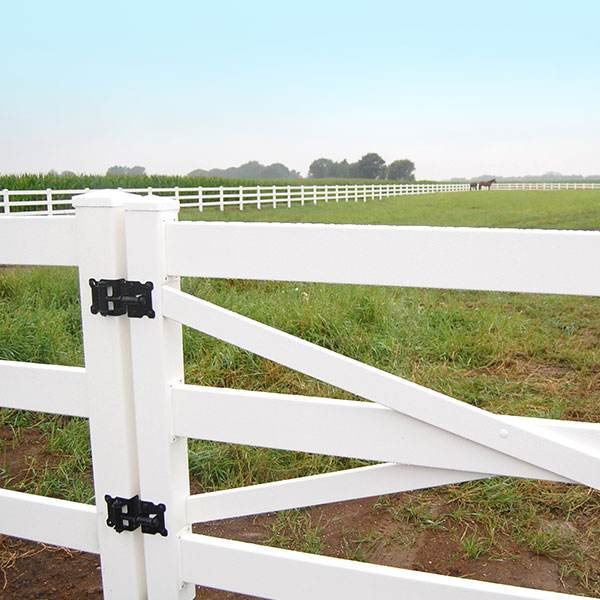
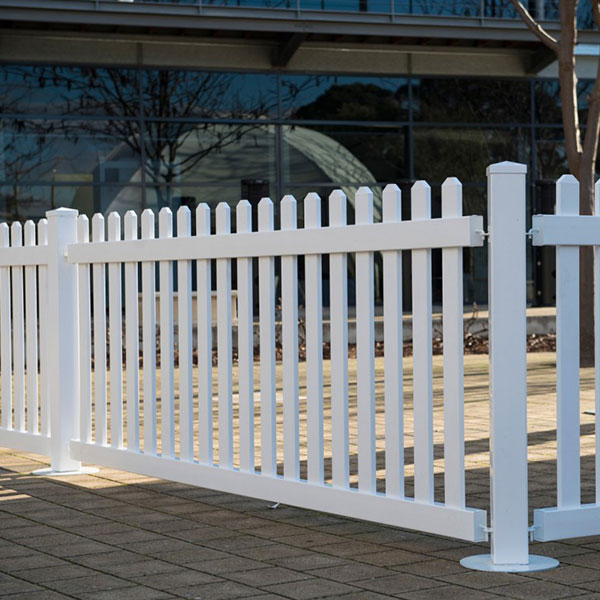
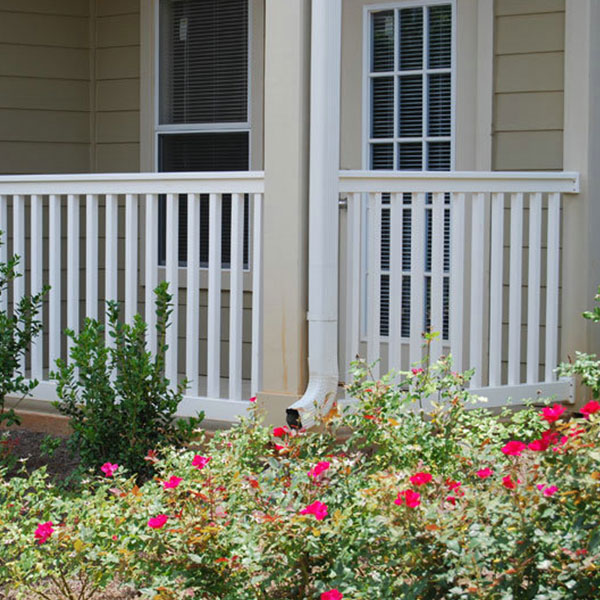
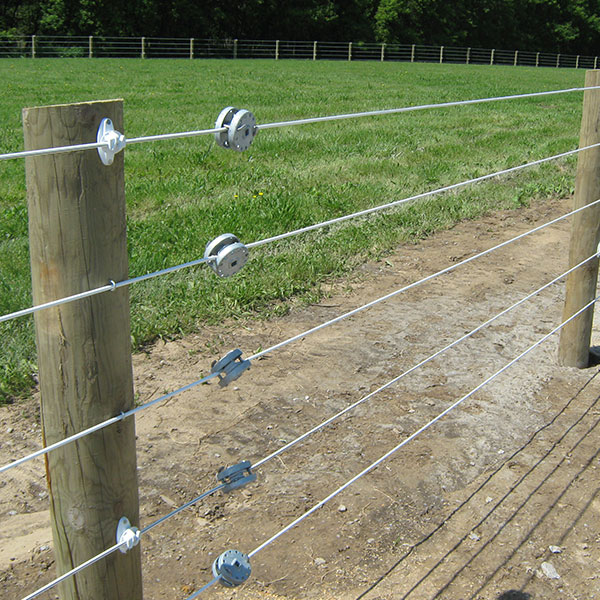
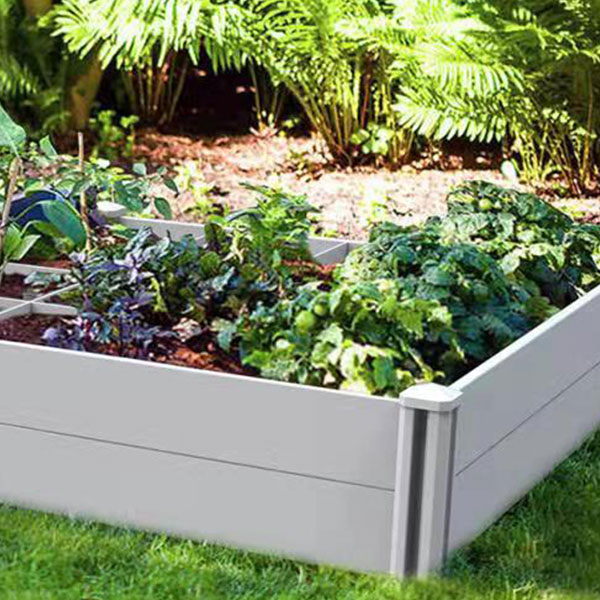

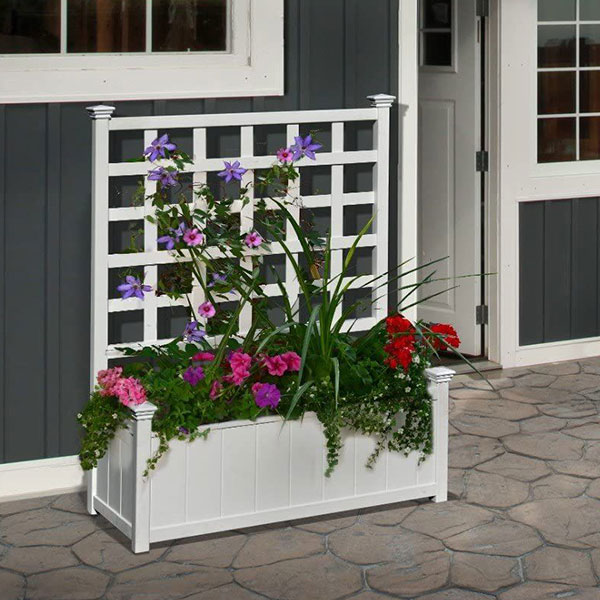
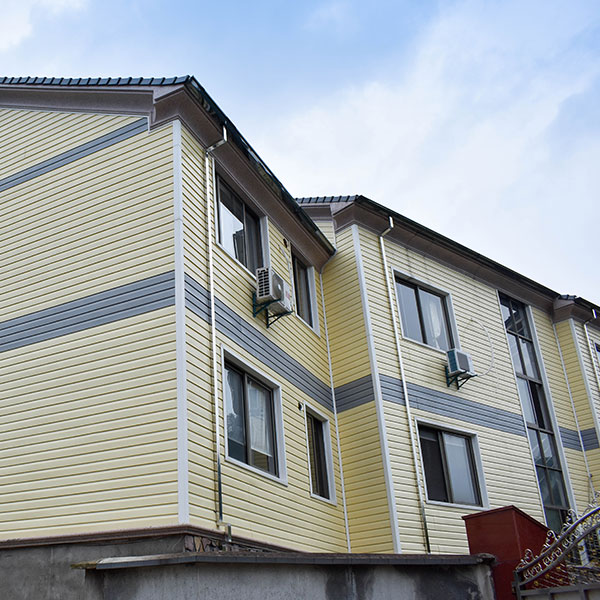
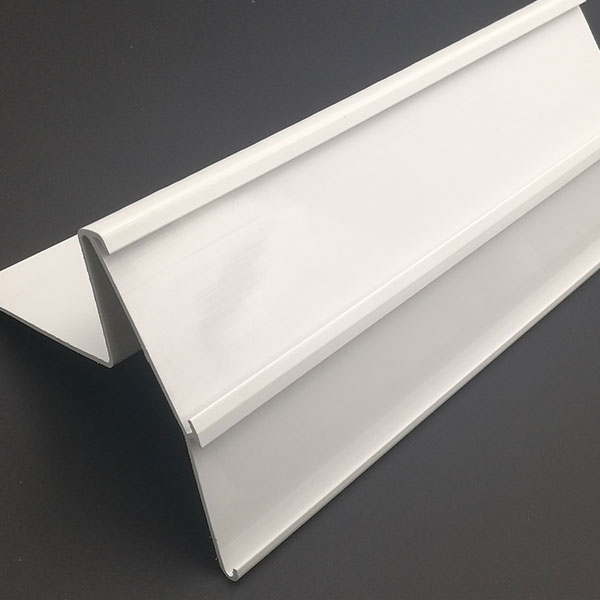
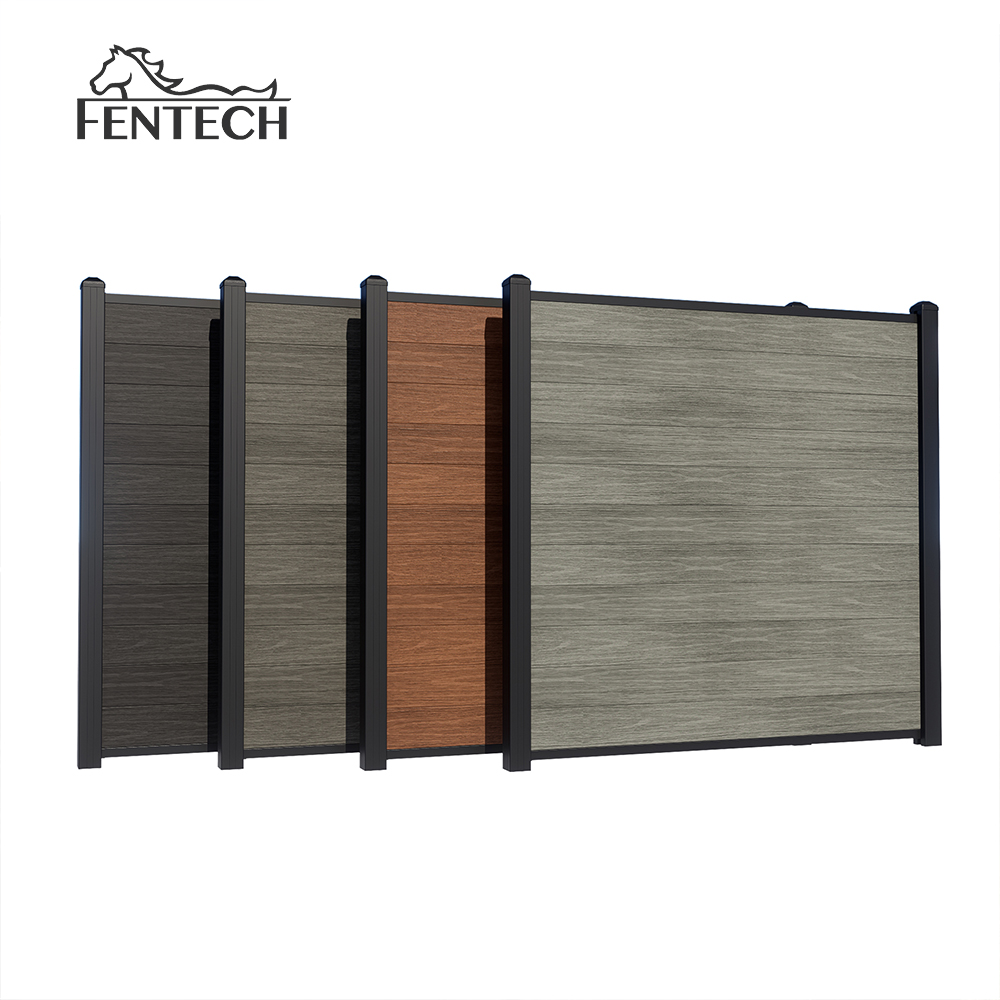
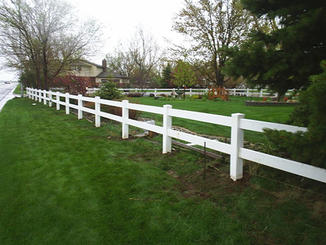
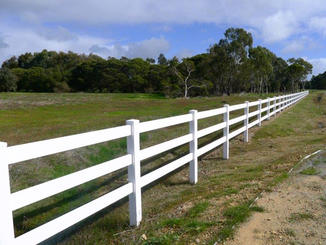
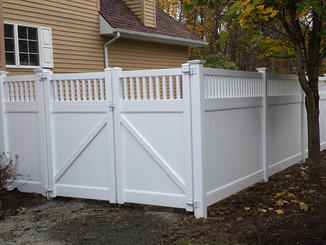
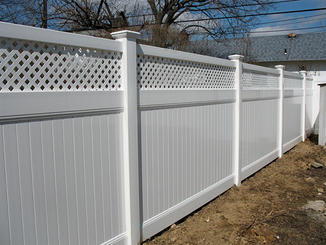
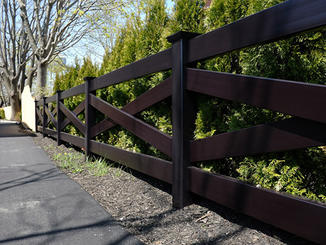
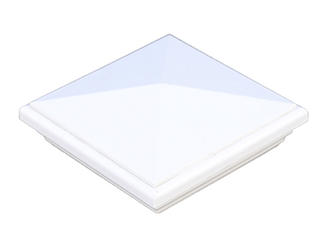

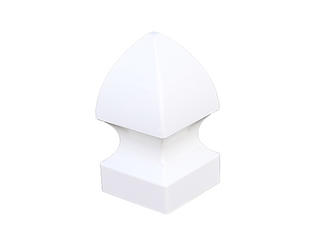
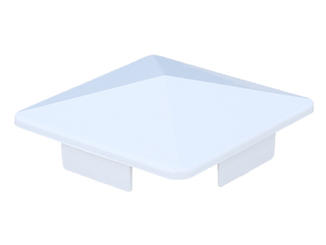
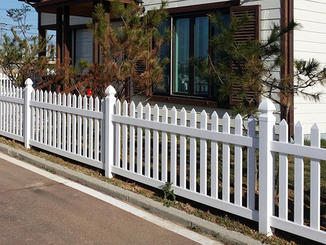

We are professional China Custom Vinyl Fence Manufacturers with fences virgin PVC/Vinyl material and UV Protected.
Content
- 1 Why Choose Plastic Fence Panels: Practical Benefits and Use Cases
- 2 Selecting the Right Plastic Fence Panels for Your Project
- 3 Preparing for Installation: Tools and Pre‑Planning
- 4 Step‑by‑Step Installation of Plastic Fence Panels
- 5 Securing and Reinforcing Large Plastic Fence Panels
- 6 Maintenance Tips to Extend the Life of Plastic Fence Panels
- 7 Cost Considerations and Budgeting for Plastic Fence Panels
Why Choose Plastic Fence Panels: Practical Benefits and Use Cases
Plastic fence panels have become increasingly popular in residential and commercial settings due to their low maintenance, resistance to rot and corrosion, and adaptability to different environments. Unlike wood or metal options, plastic panels—often made from high‑density polyethylene (HDPE) or PVC—do not warp, splinter, or rust, making them ideal for properties near coastal areas, high humidity regions, or busy urban zones. Understanding how these panels perform in real scenarios helps you select the right product for your specific needs.
For homeowners, plastic fence panels are used to define property lines, enhance privacy, and improve curb appeal. In commercial or industrial contexts, they serve as perimeter barriers, screening unsightly equipment, or providing safety enclosures around machinery or waste areas. Their adaptability also makes them suitable for farms, schools, parks, and playgrounds.
Selecting the Right Plastic Fence Panels for Your Project
Choosing quality materials is the first step toward a successful installation. When selecting plastic fence panels, consider panel height, thickness, UV resistance, color retention, and compatibility with posts and mounting hardware. Panels that are reinforced with internal ribs or combined with metal inserts offer improved rigidity and wind load resistance.
Material Specifications to Evaluate
| Specification | Why It Matters |
| Panel Thickness | Thicker panels resist flexing and improve durability. |
| UV Stabilization | Prevents fading and brittleness in sunny climates. |
| Post Compatibility | Ensures a secure, seamless fit with the support structure. |
Evaluate the ratings from manufacturers and ask for product datasheets or reviews from similar projects. Well‑rated products often include lifetime warranties or strong UV protection guarantees.
Preparing for Installation: Tools and Pre‑Planning
Thorough preparation reduces errors and ensures a smooth installation process. Before you begin, plan your fence layout, obtain any necessary permits, and mark underground utilities to prevent damage during post installation. Use string lines and stakes to visualize panel alignment and maintain straight lines.
Essential Tools and Materials
- Post hole digger or auger for setting posts at proper depths.
- Level and tape measure to ensure correct panel spacing and alignment.
- Concrete mix for securing posts in place.
- Fasteners, brackets, and caps designed for plastic panels.
Before digging, contact local utility location services to mark underground lines. Start by marking your fence line with stakes and a taut string so you can clearly visualize the boundaries and ensure straightness throughout the project.
Step‑by‑Step Installation of Plastic Fence Panels
Installing plastic fence panels systematically minimizes mistakes and ensures a durable result. While specific products may have unique instructions, the general process follows a set sequence that applies to most systems on the market.
Post Setting and Alignment
Start by digging post holes at consistent intervals—typically 6 to 8 feet apart depending on panel length and wind exposure. The depth should be at least one‑third of the post height plus an extra 6 inches for gravel base. Place gravel at the bottom of each hole for drainage, then insert the post and ensure vertical alignment using a level. Pour concrete around the post and slope the surface away to shed water. Allow the concrete to cure as recommended, usually 24 to 48 hours.
Panel Installation and Adjustment
Once posts are secure, slide or attach each plastic fence panel according to the manufacturer’s system. For tongue‑and‑groove style panels, align the grooves with the adjacent panel edges and tap gently with a rubber mallet until seated. For bracket or clip systems, position the panel, secure the clips to the posts, and tighten fasteners without over‑torquing to avoid cracking the plastic.
Check alignment after every two or three panels to maintain consistent level and plumb. Adjust as needed before all panels are in place, as corrections are easier early in the process.
Securing and Reinforcing Large Plastic Fence Panels
Large panels are more susceptible to wind loads and sagging over time. To mitigate this, consider adding horizontal rails between posts, installing additional intermediate posts, or using metal reinforcement inserts within the panel grooves when available.
If your site faces prevailing winds, stagger the posts slightly or add wind‑resistant brackets to reduce strain. For long runs without natural breaks, plan expansion joints or sections that allow slight movement to prevent buckling during extreme temperatures.
Maintenance Tips to Extend the Life of Plastic Fence Panels
Plastic fence panels are low‑maintenance compared to wood, but they still benefit from routine care to preserve appearance and performance. Regular cleaning, prompt repairs, and seasonal checks keep the fence functioning for years.
Cleaning and Inspection Routine
- Wash panels with mild soap and water every six months to remove dirt and prevent staining.
- Inspect fasteners and connection points annually to ensure secure attachment.
- Trim vegetation that grows against the fence to prevent moisture buildup and abrasion.
Immediately address cracks or loose sections. Small cracks can be repaired with plastic welding or compatible adhesive, while severely damaged panels should be replaced to maintain structural integrity.
Cost Considerations and Budgeting for Plastic Fence Panels
Budgeting accurately helps ensure you do not compromise quality for short‑term savings. Costs vary based on panel height, thickness, reinforcement, and installation complexity. Include the price of posts, concrete, hardware, and tools if you lack them. While DIY installation can save labor costs, professional installation may be worth the investment for complex terrains or long spans.
Obtain multiple quotes from suppliers and installers to compare options. Factor in warranty coverage and long‑term maintenance costs to identify the best value. In many cases, slightly higher upfront investment in quality plastic fence panels pays off through years of trouble‑free performance.
 No. 142 Xinxiqiao, Linan, Hangzhou City, Zhejiang Province, 311300, China
 0086-180 5608 2316
 sales@fentechfence.com