 WELCOME TO HANGZHOU FANTAI PLASTIC CO., LTD.
  0086-180 5608 2316
 sales@fentechfence.com
 English
  中文简体
中文简体

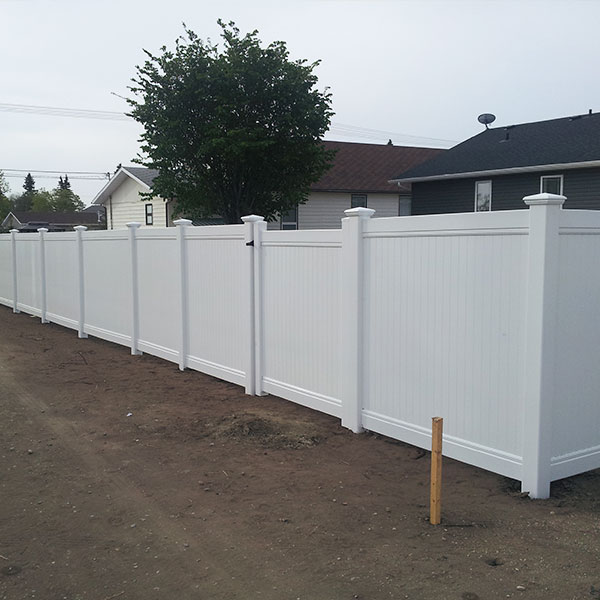
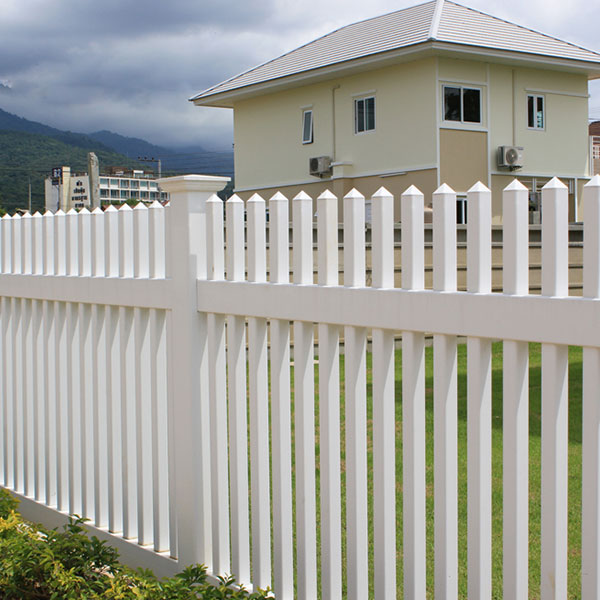
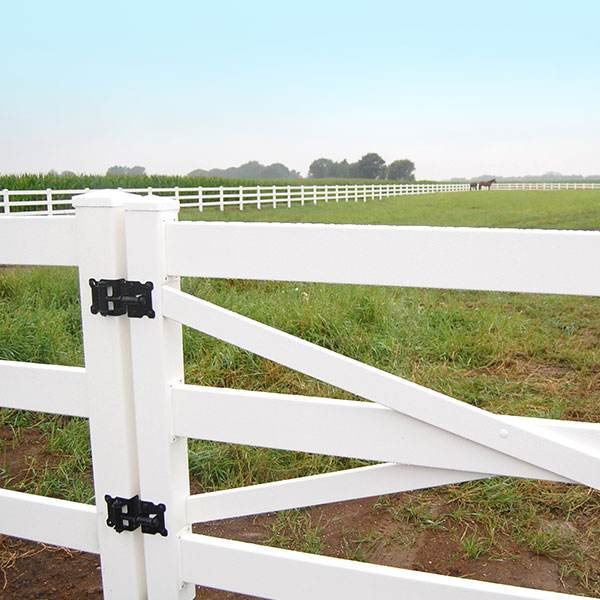
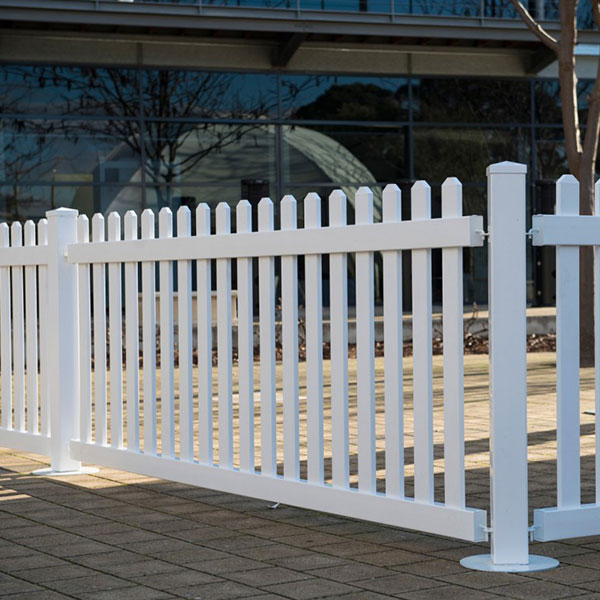

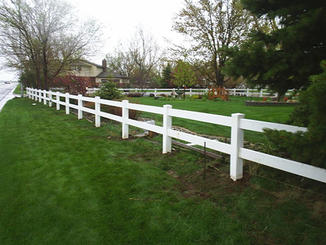
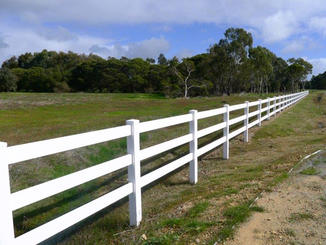
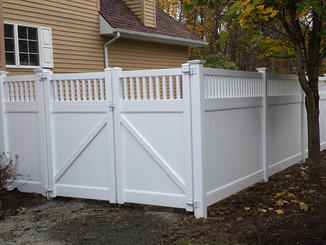
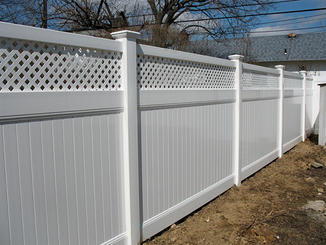
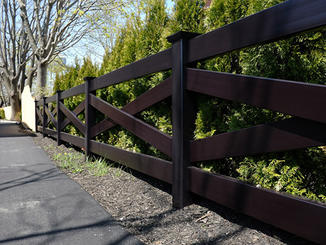

We are professional China Custom Vinyl Fence Manufacturers with fences virgin PVC/Vinyl material and UV Protected.
Content
- 1 Understanding the Real-World Purpose of a Vinyl Horse Fence
- 2 Key Safety Considerations When Selecting Vinyl Horse Fence Systems
- 3 Material Composition and Durability in Daily Use
- 4 Installation Practices That Influence Fence Longevity
- 5 Maintenance Requirements Compared to Other Fence Types
- 6 Cost Planning and Long-Term Value Assessment
- 7 Matching Fence Design to Horse Behavior and Property Layout
- 8 Practical Takeaways for Informed Decision-Making
Understanding the Real-World Purpose of a Vinyl Horse Fence
A Vinyl Horse Fence is designed to balance safety, durability, and long-term ease of use for horse owners who need reliable perimeter control without constant maintenance. Unlike temporary fencing or purely decorative solutions, vinyl fencing serves as a functional barrier that helps manage horse movement, protect pasture integrity, and reduce injury risks. Its smooth surface, consistent rail spacing, and predictable performance make it a practical choice for farms, boarding facilities, and private equestrian properties.
The intent behind choosing vinyl over wood or wire is rarely aesthetic alone. Owners often prioritize predictable behavior under pressure, resistance to weather-related decay, and reduced upkeep over the lifespan of the fence. Understanding these practical motivations helps ensure the fence selected is suitable for daily equine management rather than short-term appearance.
Key Safety Considerations When Selecting Vinyl Horse Fence Systems
Horse safety is central to any fencing decision. Vinyl fencing is valued for its smooth, splinter-free surface, which minimizes cuts and abrasions if a horse leans, rubs, or makes contact at speed. However, not all vinyl fence systems offer the same level of protection. Rail thickness, internal reinforcement, and post spacing directly affect how the fence responds to impact.
Flexible vinyl formulations can absorb minor impacts without cracking, while reinforced rails help prevent collapse if a horse pushes against the fence. Spacing between rails is equally important, as overly wide gaps may encourage a horse to test the boundary, increasing the risk of entanglement or escape.
Common Safety Features to Evaluate
- Rounded or smooth-edged rails to reduce skin injuries
- Reinforced inner cores to resist cracking under pressure
- Consistent rail spacing to discourage climbing or leaning
- Secure post anchoring to maintain alignment over time
Material Composition and Durability in Daily Use
The durability of a Vinyl Horse Fence largely depends on the quality of the PVC compound and any internal reinforcement. High-grade vinyl resists ultraviolet degradation, which helps prevent brittleness, fading, and surface chalking. This is particularly important in open pastures where fences are exposed to sun, wind, and seasonal temperature changes.
Some vinyl fence systems incorporate galvanized steel or aluminum inserts inside the rails. These inserts increase structural strength without sacrificing the smooth exterior that protects horses. While reinforced systems may cost more initially, they often reduce the likelihood of rail replacement after accidental impacts or long-term stress.
Environmental Factors That Affect Performance
Climate plays a significant role in how vinyl fencing performs. In colder regions, low-quality vinyl may become rigid and more prone to cracking. In hot climates, insufficient UV stabilization can lead to warping or discoloration. Matching the fence specification to the local environment helps extend its functional lifespan and maintain consistent safety.
Installation Practices That Influence Fence Longevity
Proper installation is essential to the performance of a Vinyl Horse Fence. Even high-quality materials can fail prematurely if posts are not set to the correct depth or spacing. Soil conditions, drainage, and expected load all influence how the fence should be installed. For example, sandy soils may require deeper post settings or additional stabilization to prevent leaning.
Post spacing should follow manufacturer recommendations, as wider spacing can place excess stress on rails. Accurate alignment during installation also ensures even load distribution, which helps the fence maintain its shape and function over time.
Installation Checklist for Practical Results
- Confirm post depth based on soil type and fence height
- Maintain consistent post spacing to reduce rail stress
- Ensure proper drainage around posts to avoid frost heave
- Verify rail locking mechanisms are fully engaged
Maintenance Requirements Compared to Other Fence Types
One of the main reasons owners choose vinyl is reduced maintenance. A Vinyl Horse Fence does not require painting, staining, or sealing, and it resists rot and insect damage. Routine care typically involves visual inspections and occasional cleaning to remove dirt, algae, or manure splatter.
While vinyl minimizes routine labor, it is not maintenance-free. Checking for loose rails, damaged posts, or impact marks after storms or herd changes helps prevent minor issues from becoming larger repairs.
Maintenance Comparison Table
| Fence Type | Typical Maintenance | Long-Term Effort |
| Vinyl Horse Fence | Cleaning, inspections | Low |
| Wood Fence | Painting, repairs | High |
| Wire Fence | Tensioning, replacements | Moderate |
Cost Planning and Long-Term Value Assessment
Initial pricing for a Vinyl Horse Fence is often higher than basic wire or untreated wood options. However, cost evaluation should consider the full lifecycle of the fence. Reduced maintenance, fewer repairs, and consistent appearance contribute to long-term value that may offset the upfront expense.
For boarding facilities or properties where visual consistency matters, vinyl can also support perceived professionalism and property value. While this should not be the sole decision factor, it can be relevant for commercial operations.
Factors That Influence Overall Cost
- Rail thickness and reinforcement
- Post spacing and installation method
- Local climate and soil conditions
- Future expansion or layout changes
Matching Fence Design to Horse Behavior and Property Layout
Different horses interact with fencing in different ways. Young or energetic horses may test boundaries more aggressively, while older horses may lean or rub. A Vinyl Horse Fence can be adapted through rail height, spacing, and reinforcement choices to accommodate these behaviors.
Property layout also affects design decisions. Straight runs with good visibility reduce stress on fencing, while corners, gates, and high-traffic areas may require additional reinforcement. Thoughtful planning helps ensure the fence works with daily routines rather than against them.
Practical Takeaways for Informed Decision-Making
Choosing a Vinyl Horse Fence is a practical decision that benefits from careful evaluation rather than assumptions. By focusing on safety features, material quality, installation practices, and long-term maintenance, owners can select a system that supports both horse welfare and operational efficiency.
A well-chosen vinyl fence does not eliminate responsibility, but it can simplify daily management and reduce avoidable risks. When aligned with the specific needs of the horses and property, it becomes a reliable component of a well-managed equestrian environment.
 No. 142 Xinxiqiao, Linan, Hangzhou City, Zhejiang Province, 311300, China
 0086-180 5608 2316
 sales@fentechfence.com