 WELCOME TO HANGZHOU FANTAI PLASTIC CO., LTD.
  0086-180 5608 2316
 sales@fentechfence.com
 English
  中文简体
中文简体

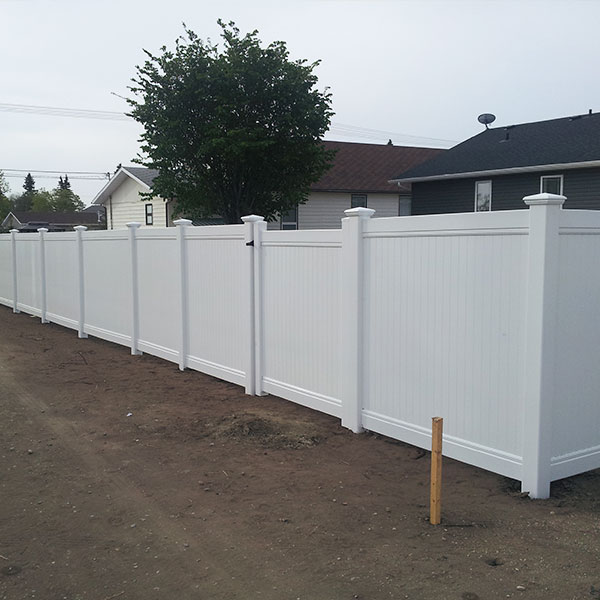
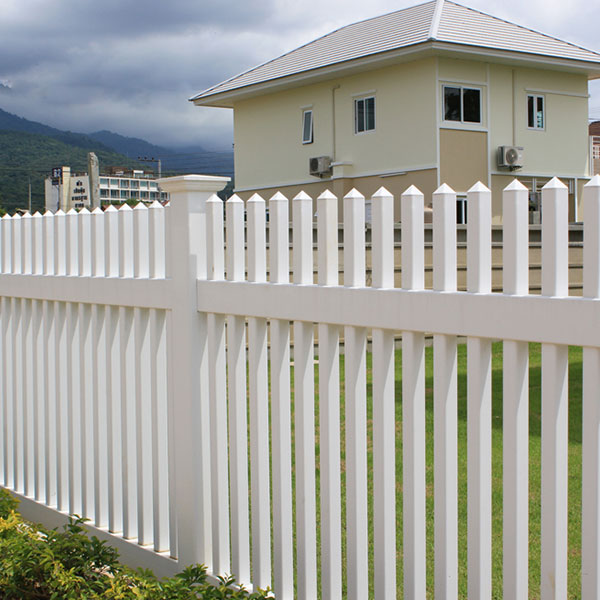
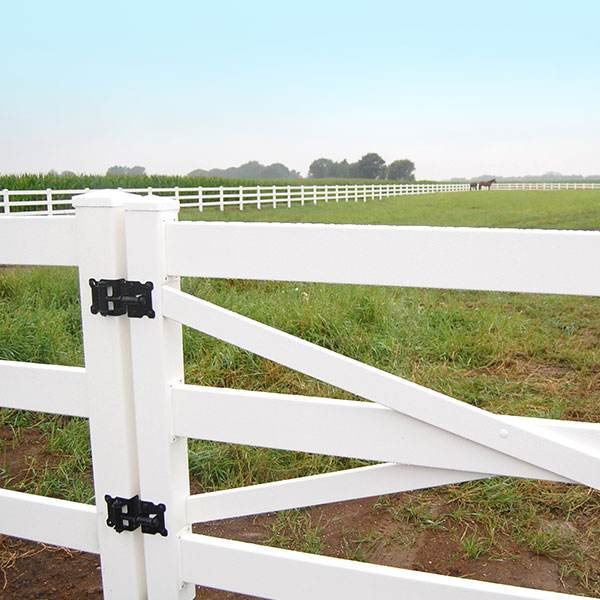
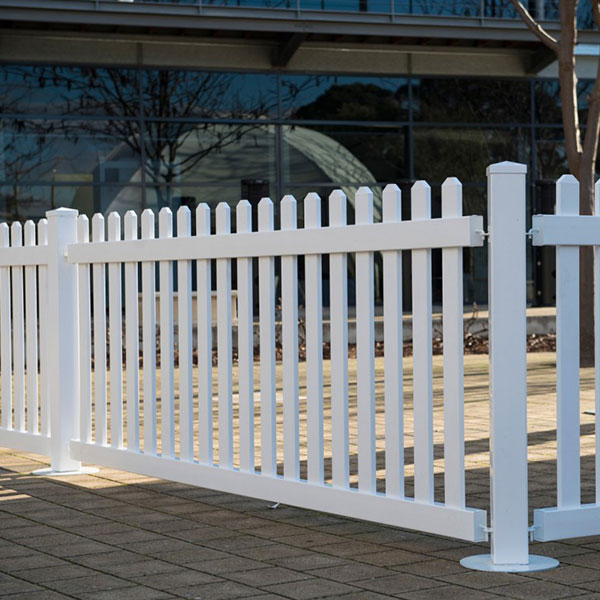
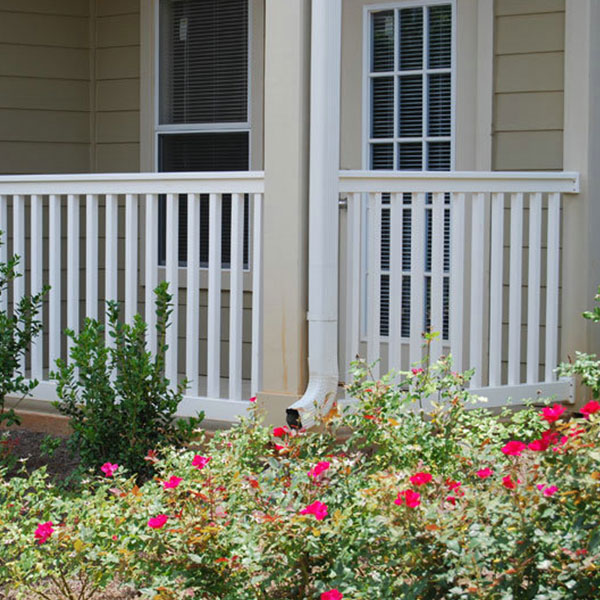


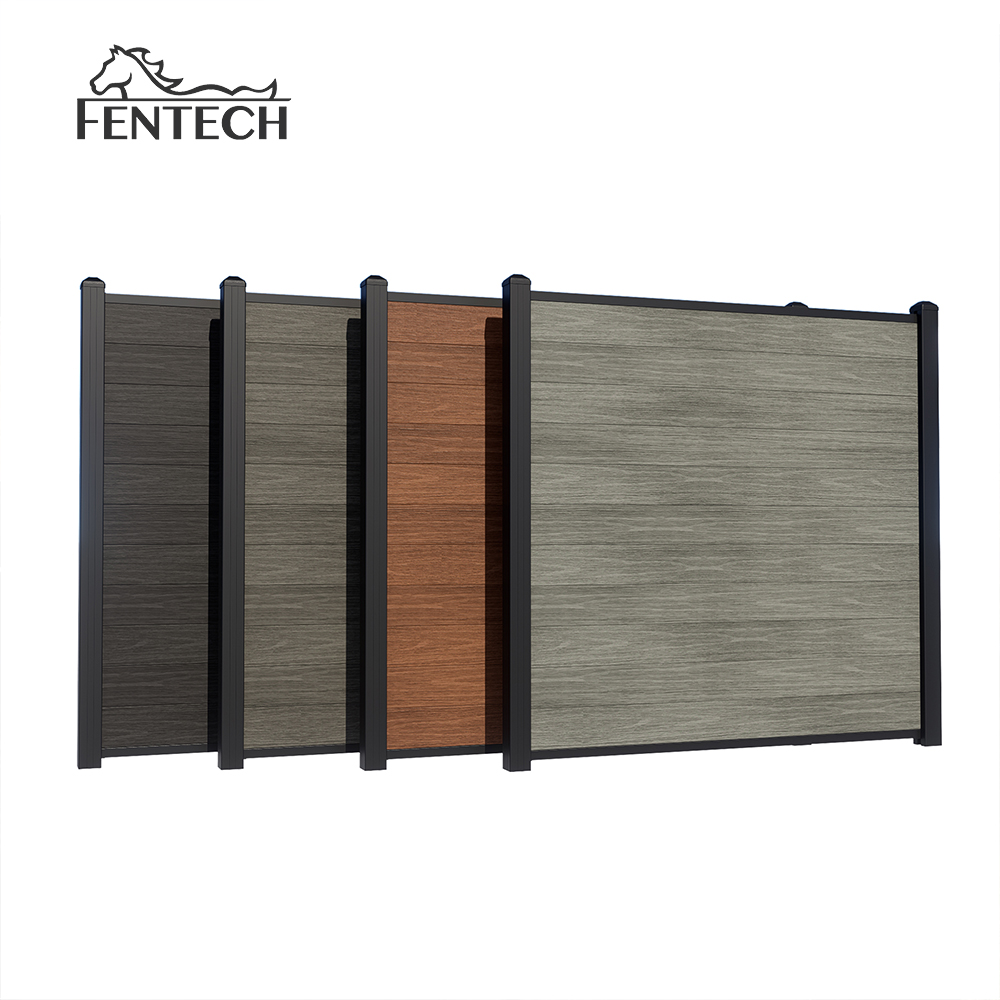
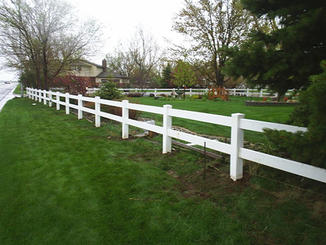
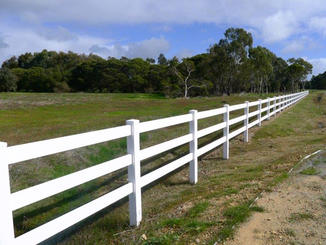
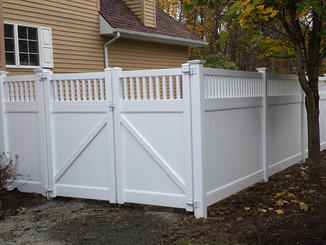
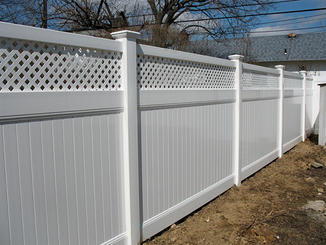
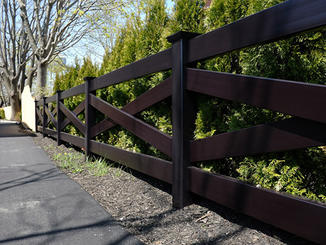
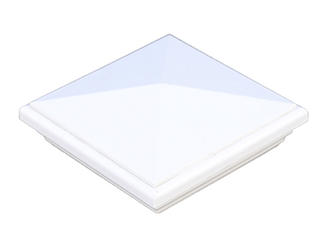
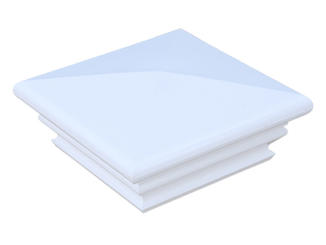
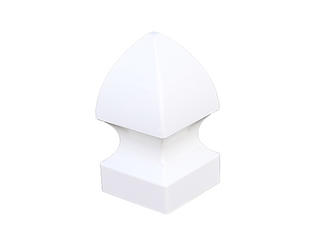
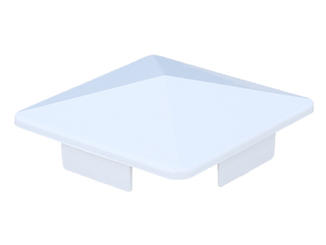
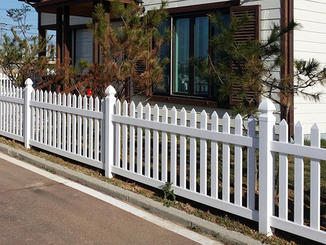

We are professional China Custom Vinyl Fence Manufacturers with fences virgin PVC/Vinyl material and UV Protected.
Content
- 1 What You'll Need Before You Start
- 2 Step-by-Step: The Standard Cleaning Method
- 3 How to Remove Mold, Algae, and Green Stains
- 4 Tackling Yellowing and Stubborn Discoloration
- 5 Can You Use a Pressure Washer on a PVC Fence?
- 6 Cleaning Frequency and Preventive Maintenance Tips
- 7 Common Mistakes to Avoid When Cleaning PVC Fencing
The best way to clean a PVC fence is to scrub it with a mixture of warm water and dish soap using a soft-bristle brush, then rinse with a garden hose. For tougher stains like mold, algae, or yellowing, a diluted white vinegar solution or an oxygen-based bleach cleaner works exceptionally well without damaging the material. Most PVC fences can be restored to near-original brightness in under an hour with the right approach.
PVC (polyvinyl chloride) fencing is prized for its low maintenance, but that doesn't mean it's maintenance-free. Over time, exposure to rain, humidity, and organic debris causes dirt, green algae, black mold, and chalky discoloration to build up on the surface. Cleaning it regularly — ideally twice a year — keeps it looking sharp and extends its lifespan well beyond its typical 20–30 year durability range.
What You'll Need Before You Start
Gathering the right supplies beforehand makes the cleaning process faster and prevents accidental damage to the fence surface. PVC is durable but can scratch under abrasive materials or degrade with certain harsh chemicals like acetone or undiluted chlorine bleach.
- Soft-bristle brush or non-abrasive scrubbing sponge
- Garden hose with a spray nozzle (or a pressure washer on low setting)
- Bucket of warm water
- Dish soap, white vinegar, or oxygen bleach cleaner
- Rubber gloves
- Microfiber cloth or old towels for drying
Avoid steel wool, scouring pads, or any abrasive powder cleaner. These will micro-scratch the PVC surface, making it more susceptible to dirt accumulation in the future.
Step-by-Step: The Standard Cleaning Method
This method handles everyday dirt, dust, and light grime. It's the go-to routine for regular maintenance cleaning.
- Rinse the entire fence with a garden hose to remove loose surface dirt and debris.
- Mix 2–3 tablespoons of dish soap into a bucket of warm water.
- Dip your soft-bristle brush into the solution and scrub sections of the fence in a circular motion.
- Work from top to bottom to avoid dirty water dripping onto already-cleaned areas.
- Rinse each section thoroughly with clean water before moving to the next.
- Allow the fence to air dry, or wipe down with a microfiber cloth to prevent water spots.
This method alone is enough for most seasonal cleanings. A fence cleaned this way twice a year will resist biological growth and stay visibly bright much longer.
How to Remove Mold, Algae, and Green Stains
Green or black patches on a PVC fence are almost always caused by algae, mildew, or mold — particularly common on fence sections that stay damp or sit in the shade. Standard soap won't kill these organisms; you need a cleaning agent with antimicrobial properties.
White Vinegar Solution
Mix equal parts white vinegar and water in a spray bottle. Spray directly onto the affected areas and let it sit for 10–15 minutes. The acetic acid in vinegar breaks down mold and algae at the root. Scrub with a soft brush and rinse clean. This method is non-toxic and safe around pets and plants.
Oxygen Bleach Cleaner
For heavier mold growth, dissolve an oxygen bleach powder (such as OxiClean) in warm water according to package directions. Apply with a sponge or brush, allow to dwell for 5–10 minutes, then scrub and rinse. Unlike chlorine bleach, oxygen bleach won't discolor the PVC or harm surrounding vegetation when properly diluted.
Avoid Chlorine Bleach
While some homeowners use diluted chlorine bleach, it carries risks: it can accelerate UV degradation of PVC, harm nearby plants, and leave a chalky residue over time. Reserve it only as a last resort and never exceed a 1:10 bleach-to-water ratio.
Tackling Yellowing and Stubborn Discoloration
Yellowing on white PVC fencing is usually caused by prolonged UV exposure or oxidation. This is one of the trickier problems to address, since the discoloration is chemical rather than surface-level dirt.
- Magic Eraser (melamine foam): Works surprisingly well on localized yellowing and scuff marks. Dampen and rub gently — it acts as an ultra-fine abrasive.
- Specialty PVC fence cleaners: Products like Simple Green Oxy Solve or 30 Seconds Outdoor Cleaner are formulated for vinyl and PVC surfaces and can lift yellowing more effectively than DIY solutions.
- Car polish or vinyl restorer: After cleaning, applying a UV-resistant vinyl polish can brighten the appearance and slow future yellowing by up to 50% over a season.
Severe yellowing from deep UV damage may not be fully reversible through cleaning alone. In these cases, a vinyl fence paint or restorer product applied after thorough cleaning can refresh the look significantly.
Can You Use a Pressure Washer on a PVC Fence?
Yes — but with caution. A pressure washer can clean a PVC fence quickly and effectively, but the wrong settings can crack panels, force water into post caps, or strip out caulk from joints.
| Setting | Recommended Value | Notes |
|---|---|---|
| Pressure (PSI) | 1,200–1,500 PSI | Do not exceed 2,000 PSI |
| Nozzle Type | 25° or 40° fan tip | Avoid 0° or 15° (too concentrated) |
| Distance from surface | 12–18 inches | Closer distances increase damage risk |
| Spray direction | Horizontal, with grain | Prevents water intrusion into seams |
Always test on a small, hidden section first. For older or brittle PVC fences, stick to manual scrubbing to avoid cracking.
Cleaning Frequency and Preventive Maintenance Tips
Staying ahead of buildup is far easier than trying to reverse heavy staining. The following schedule and habits keep PVC fences looking their best year-round.
Recommended Cleaning Schedule
- Every 6 months: Full soap-and-water scrub to remove general grime
- After storms: Quick rinse to remove mud and organic debris
- Annually: Inspect for mold spots and treat proactively with vinegar spray
- Every 2–3 years: Apply a UV-protective vinyl polish or conditioner
Prevention Strategies
- Trim back overhanging tree branches and dense shrubs touching the fence — organic debris is the leading cause of mold growth on PVC surfaces.
- Adjust sprinkler systems so they don't repeatedly spray the fence; constant moisture accelerates algae development.
- Apply a thin coat of car wax or vinyl protectant after cleaning — this creates a slick surface that makes future dirt harder to adhere to.
- Check and reseal post caps and rail joints annually to prevent moisture from pooling inside hollow sections.
Common Mistakes to Avoid When Cleaning PVC Fencing
Even with the right intentions, a few common errors can damage PVC fencing or reduce the effectiveness of your cleaning effort.
- Using solvent-based cleaners: Acetone, paint thinner, or turpentine will dissolve or cloud PVC's surface — never use these products.
- Cleaning in direct hot sun: Cleaning solution dries too quickly, leaving streaks and residue. Clean in the early morning or on overcast days.
- Ignoring the bottom rails: Dirt accumulates fastest at ground level. Neglecting lower sections leads to mold spreading upward.
- Not rinsing completely: Soap residue left on PVC actually attracts more dirt, making the fence dirty faster after cleaning.
- High-pressure washing from above: Angling the spray downward at steep angles can force water under panel overlaps and into hollow posts, causing internal rust on metal hardware.
 No. 142 Xinxiqiao, Linan, Hangzhou City, Zhejiang Province, 311300, China
 0086-180 5608 2316
 sales@fentechfence.com