 WELCOME TO HANGZHOU FANTAI PLASTIC CO., LTD.
  0086-180 5608 2316
 sales@fentechfence.com
 English
  中文简体
中文简体

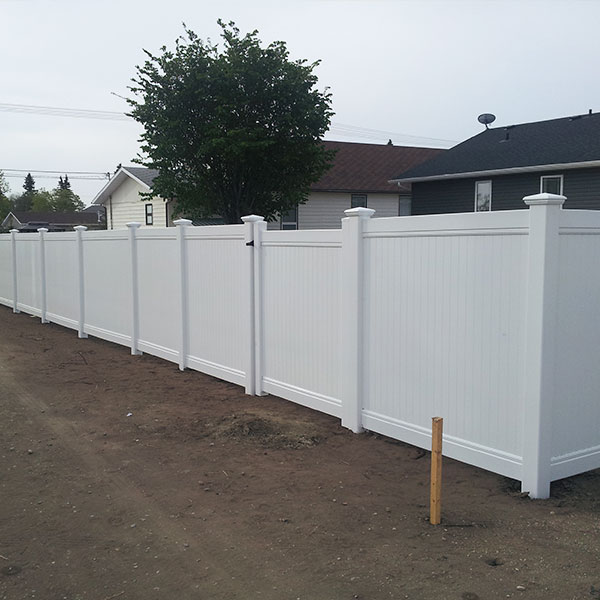
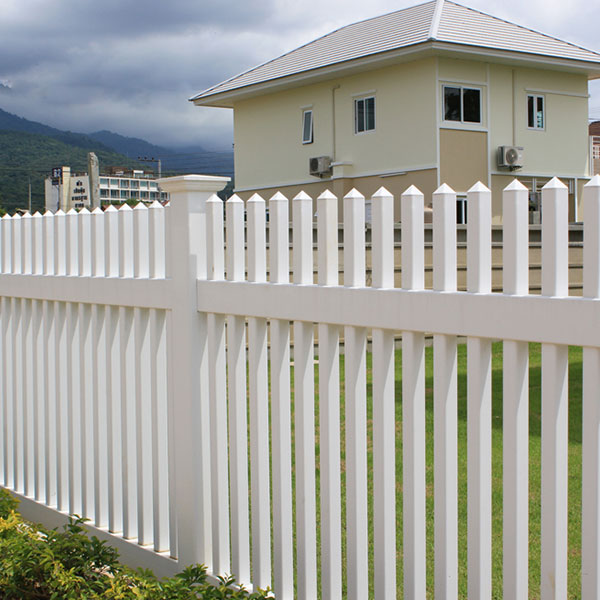
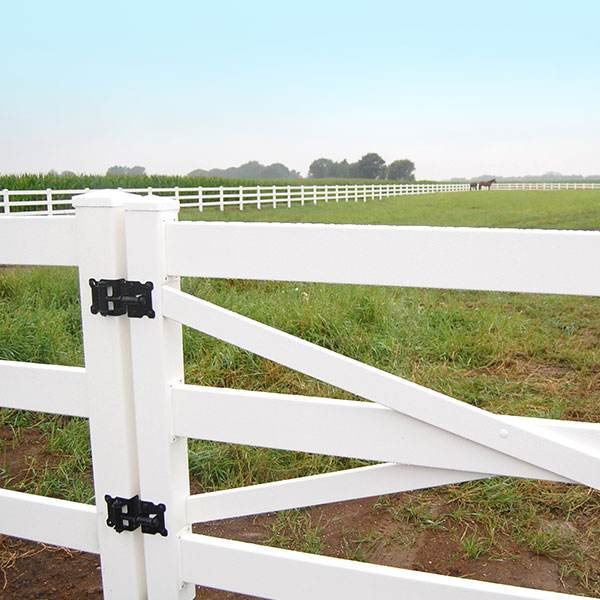
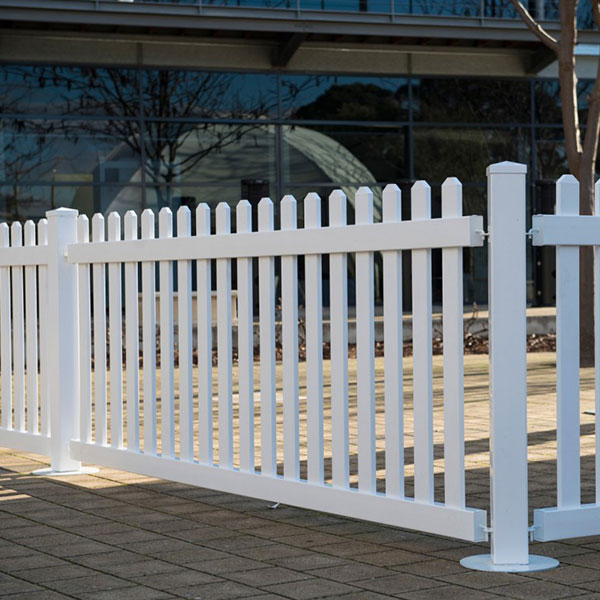
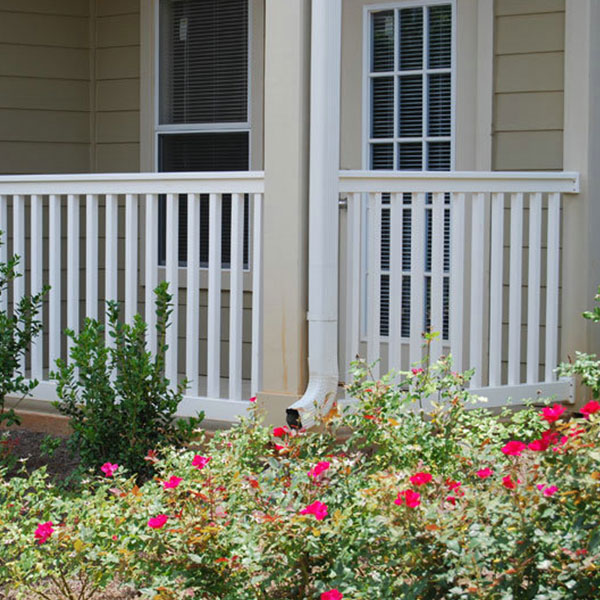
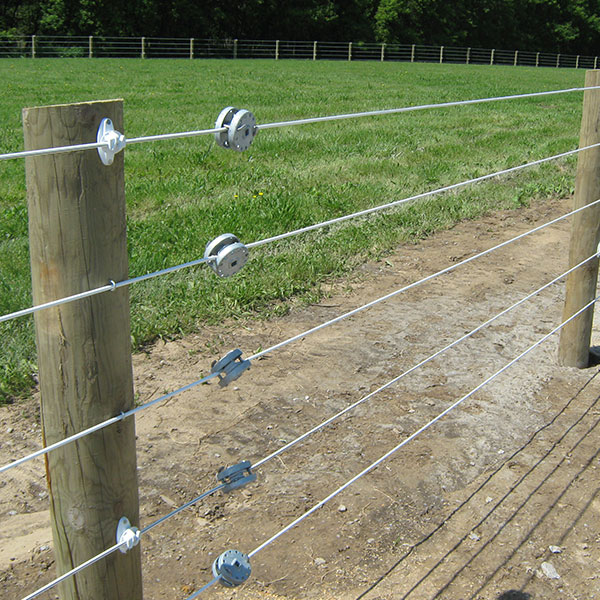
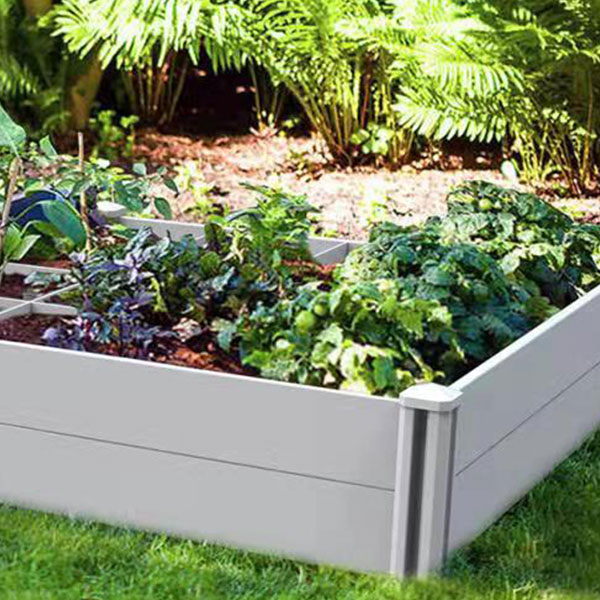

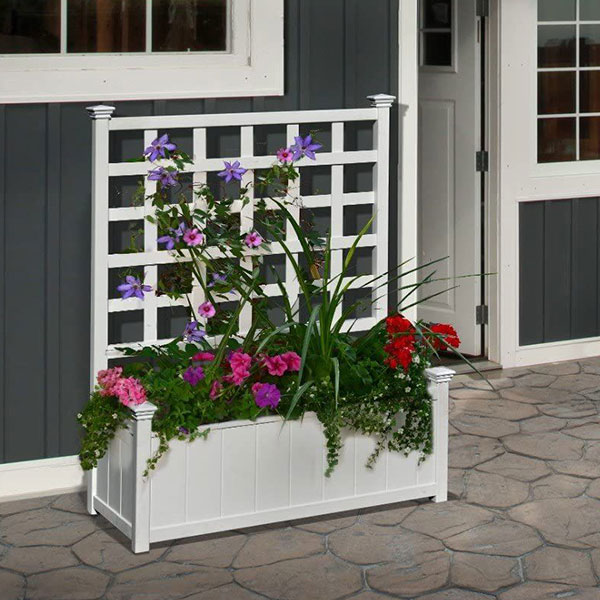
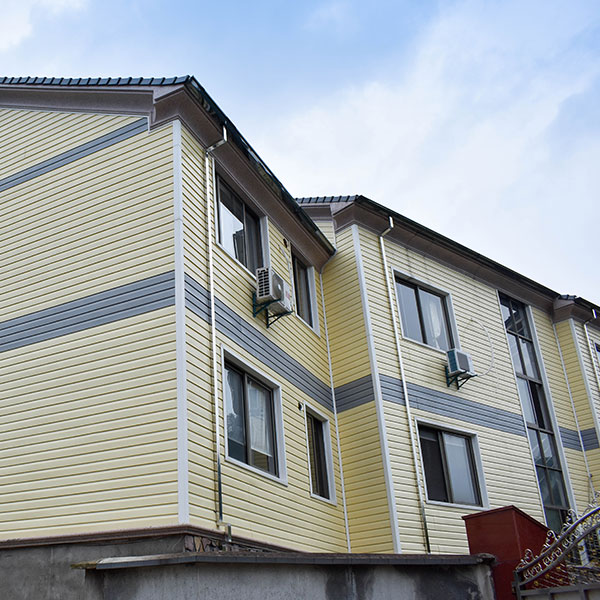
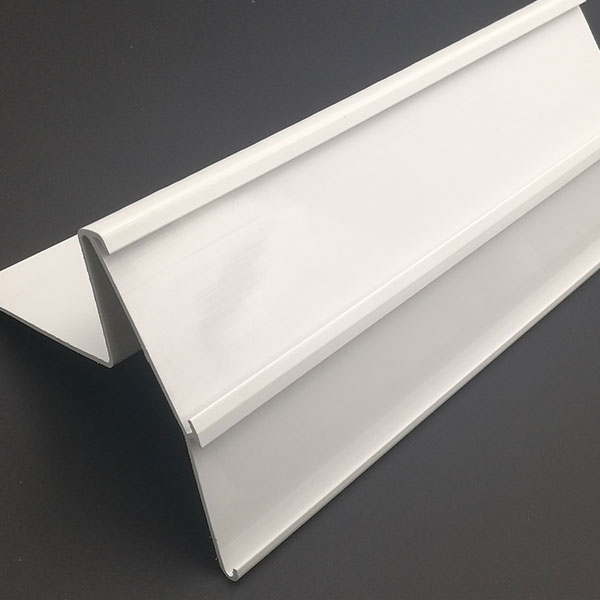
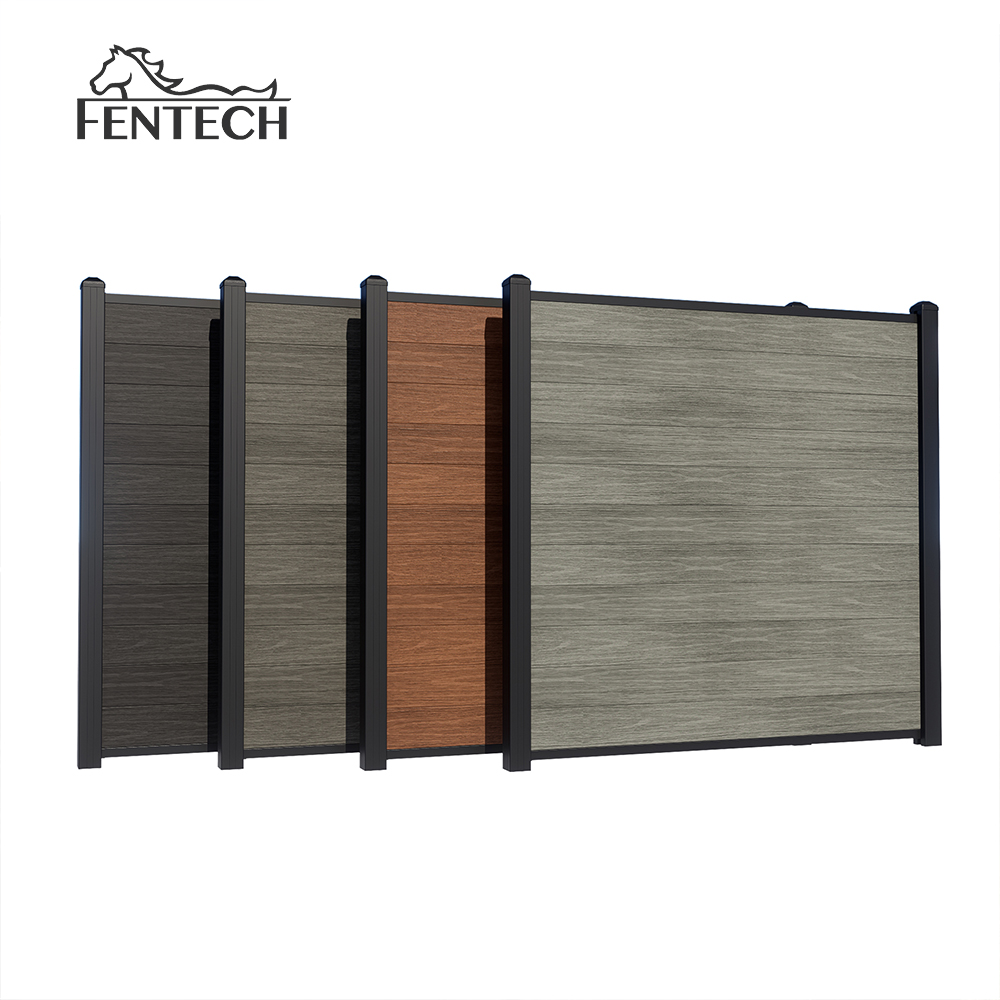
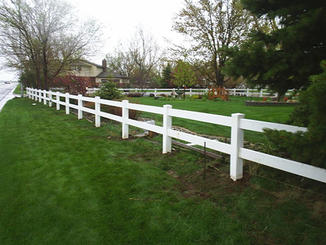
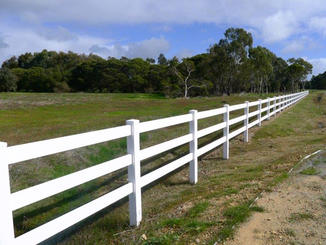
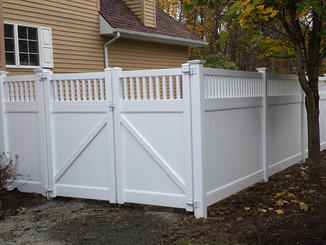
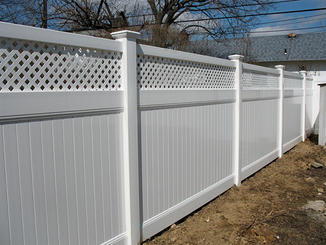
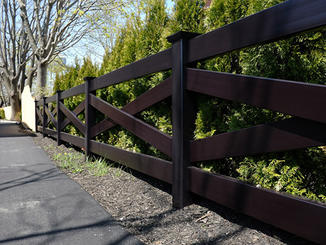
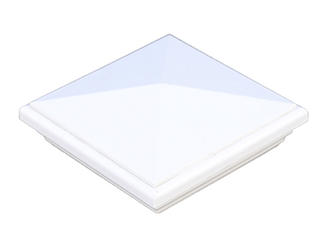
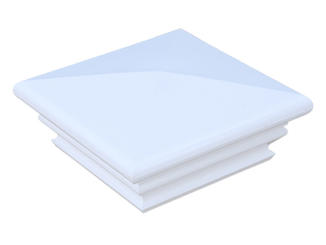
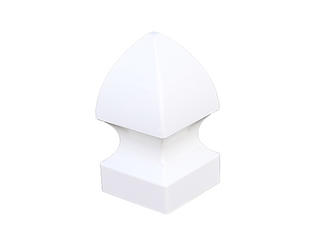
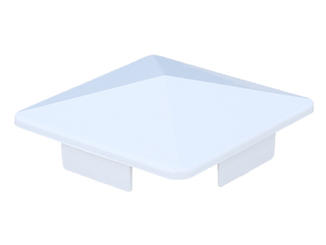
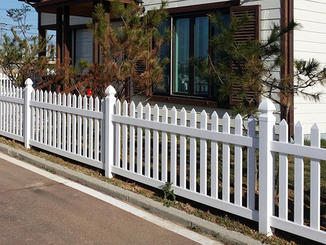

We are professional China Custom Vinyl Fence Manufacturers with fences virgin PVC/Vinyl material and UV Protected.
Content
- 1 Why People Think Vinyl and PVC Are Different
- 2 What PVC Vinyl Fencing Actually Is
- 3 Vinyl PVC Fence vs. Other Fencing Materials
- 4 Strengths of Vinyl PVC Fencing
- 5 Limitations to Consider
- 6 How to Evaluate Vinyl PVC Fence Quality Before Buying
- 7 Installation Factors That Affect Long-Term Performance
- 8 Is Vinyl PVC Fencing Worth the Cost
Vinyl fencing and PVC fencing are the same thing. The terms are used interchangeably across the fencing industry. Both refer to a fence material made from polyvinyl chloride, a synthetic plastic polymer known for its durability, low maintenance, and weather resistance. If you have seen these two labels on product listings or contractor quotes, there is no meaningful difference between them in terms of what you are buying.
That said, understanding why the confusion exists, and what actually matters when shopping for this type of fence, will help you make a much smarter purchase decision. Quality, thickness, UV stabilizers, and installation all vary significantly between products even within the same material category.
Why People Think Vinyl and PVC Are Different
The confusion between vinyl and PVC fencing stems from how different industries have adopted the same material under different names. In home improvement retail, the word vinyl became popular because it sounds softer and more consumer-friendly. In construction and manufacturing contexts, PVC is the technical designation.
Some marketers have tried to position vinyl as a premium or composite upgrade over PVC, but this is purely a branding distinction, not a material one. When you strip away the labels, the chemical compound is the same: polyvinyl chloride, often mixed with additives that affect color stability, impact resistance, and flexibility.
The real variables that matter are not vinyl versus PVC, but rather:
- Wall thickness of the fence panels and posts
- Percentage of virgin versus recycled PVC content
- UV inhibitors and titanium dioxide concentration
- Impact modifiers like ASA or acrylic capstock
- Warranty length and manufacturer reputation
What PVC Vinyl Fencing Actually Is
Polyvinyl chloride is one of the most widely produced synthetic plastic materials in the world. For fencing applications, it is extruded into rails, pickets, posts, and caps. The base resin is mixed with a range of additives that determine performance characteristics:
Titanium Dioxide for UV Resistance
High-quality vinyl fence products contain at least 2 parts per hundred of titanium dioxide. This additive reflects ultraviolet radiation and prevents the yellowing and brittleness that affects lower-grade products. A fence with insufficient titanium dioxide content may start to yellow noticeably within 3 to 5 years in high-sun climates like the American Southwest.
Wall Thickness and Structural Integrity
Budget-grade vinyl fence posts may have a wall thickness as thin as 0.060 inches, while commercial-grade or premium residential posts can reach 0.150 inches or more. A thicker wall means more resistance to impact, warping under heat, and cracking in cold temperatures. When comparing products, always ask for the specification sheet rather than relying on visual inspection alone.
Virgin vs. Recycled Content
Some manufacturers use a high proportion of recycled PVC content to reduce material costs. Virgin PVC produces a more consistent, stable product with predictable performance. Recycled content can introduce impurities that affect color consistency and long-term durability. Premium fence lines typically advertise 100 percent virgin PVC compound.
Vinyl PVC Fence vs. Other Fencing Materials
While vinyl and PVC are the same within their own category, it is genuinely useful to compare this material against alternatives like wood, aluminum, and composite fencing.
| Material | Average Cost per Linear Foot | Maintenance Level | Typical Lifespan | Eco Considerations |
|---|---|---|---|---|
| Vinyl / PVC | $20 to $40 | Very Low | 20 to 30+ years | Not biodegradable |
| Pressure-Treated Wood | $10 to $22 | High | 10 to 15 years | Renewable but needs treatment |
| Aluminum | $25 to $50 | Very Low | 30 to 50 years | Highly recyclable |
| Wood Composite | $30 to $55 | Low | 15 to 25 years | Uses recycled wood fiber |
| Chain Link | $8 to $18 | Very Low | 20 to 30 years | Recyclable steel |
Vinyl PVC fencing sits in a strong middle position. It costs more upfront than wood but significantly less in lifetime maintenance, since it never needs painting, staining, or rot treatment. Compared to aluminum, vinyl provides better privacy since it can be manufactured as a solid panel rather than a picket style.
Strengths of Vinyl PVC Fencing
Zero Rot and Rust
Unlike wood, PVC does not absorb moisture. This makes it ideal for areas with heavy rainfall, high humidity, or ground contact situations. You will never deal with wood rot, fungal growth, or the rust that affects metal fasteners when they are exposed to wet conditions over time.
Minimal Upkeep
A vinyl fence requires nothing more than an occasional rinse with a garden hose to remove dirt and mildew. Wood fences, by contrast, typically need sanding and resealing or repainting every 2 to 3 years to prevent deterioration. Over a 20-year period, that maintenance cost can exceed the original installation cost of the fence itself.
Wide Style Range
Vinyl fencing is available in privacy, picket, ranch rail, shadowbox, and decorative panel configurations. Color options have expanded well beyond the traditional white, with woodgrain textures, tan, gray, and clay tones now widely available. These finishes are extruded into the material rather than applied as a surface coating, so they do not peel or chip.
Child and Pet Safe Surface
Because vinyl does not splinter and carries no chemical preservatives like pressure-treated wood, it is a safer option for properties where children and pets interact with the fence regularly.
Limitations to Consider
Thermal Expansion
PVC expands and contracts with temperature changes. In climates with wide seasonal temperature swings, improperly installed vinyl panels can warp or pop out of brackets. A properly installed vinyl fence includes expansion gaps of roughly 1/4 inch per 8-foot panel to accommodate this movement. Contractors who skip this step create problems that show up two or three summers later.
Impact Brittleness in Cold Climates
Lower-quality vinyl becomes brittle in temperatures below 10 degrees Fahrenheit. A hard impact from a fallen branch or vehicle at those temperatures can crack a panel that would flex and recover in warmer weather. Premium grades use rubber or acrylic impact modifiers to reduce cold-weather brittleness. If you live in a northern climate, ask specifically about the low-temperature impact rating of the product.
Limited Structural Height for Tall Applications
Vinyl is not ideal for very tall privacy fences exceeding 8 feet without additional internal reinforcement such as aluminum inserts in the posts. Unsupported taller installations may deflect in high winds and can fail structurally in storm conditions that a reinforced wood or metal fence would survive.
Color Limitations for Dark Tones
Dark-colored vinyl fences absorb more solar heat than lighter ones. This accelerates thermal expansion and can shorten the lifespan of the material over time. Most manufacturers limit their darkest fence colors to woodgrain textures that use a capstock layer with better heat tolerance. Solid dark colors in vinyl are less common and generally carry shorter warranties.
How to Evaluate Vinyl PVC Fence Quality Before Buying
Since all vinyl fences look similar to the untrained eye, you need to dig into specifications before committing. Here is a practical checklist to use when comparing products or contractor quotes:
- Ask for the wall thickness specification for posts, rails, and pickets in writing
- Confirm whether the compound uses virgin PVC or recycled content
- Ask for the titanium dioxide concentration or UV stability rating
- Check whether aluminum reinforcement inserts are included or recommended for your post height
- Review the warranty duration and what conditions void it
- Ask about the cold-temperature impact rating if you are in a climate that regularly drops below freezing
- Request a sample panel and try to flex it with moderate hand pressure to gauge rigidity
A reputable supplier will be able to answer all of these questions directly. Vague or evasive answers about specifications are a clear signal to look elsewhere.
Installation Factors That Affect Long-Term Performance
Even the best vinyl fence product will underperform if it is installed incorrectly. The most common installation errors involve post depth, concrete footings, and expansion allowances.
Post Depth and Footing Size
The standard rule for vinyl fence posts is to bury them at least one-third of their total length in concrete. For a 6-foot privacy fence, posts are typically 9 feet long with at least 3 feet set in concrete below grade. Shallow footings allow posts to shift, heave in freeze-thaw cycles, and eventually lean, which puts stress on the entire panel system.
Aluminum Post Inserts
For any fence over 5 feet tall, inserting a steel or aluminum channel inside the PVC post significantly improves lateral rigidity. Without this reinforcement, tall posts can flex noticeably in sustained winds, putting cyclic stress on the panel connections over time.
Expansion Gaps in Rails
Rails and pickets need to slide freely inside their brackets to accommodate thermal movement. If a contractor glues all connections or installs panels too tightly, summer heat will cause buckling and winter cold will cause stress fractures at the connection points. Expansion gaps are not optional; they are structural requirements.
Is Vinyl PVC Fencing Worth the Cost
For most residential applications, high-quality vinyl PVC fencing delivers strong value over a 20-plus-year ownership period. The higher upfront cost compared to wood is typically offset within 8 to 12 years through eliminated maintenance expenses. After that point, you continue saving while a wood fence owner continues spending on upkeep.
It is the right choice for homeowners who want a durable, clean-looking fence that requires almost no attention once installed. It is less suited to buyers who prioritize natural materials, need very tall structural fencing, or are working with a tight upfront budget where wood remains the more accessible entry point.
The key takeaway: do not get distracted by the vinyl versus PVC label debate. Focus your research on wall thickness, compound quality, UV protection, and installation standards. Those variables are what separates a fence that looks great after 25 years from one that needs replacing in 10.
 No. 142 Xinxiqiao, Linan, Hangzhou City, Zhejiang Province, 311300, China
 0086-180 5608 2316
 sales@fentechfence.com