 WELCOME TO HANGZHOU FANTAI PLASTIC CO., LTD.
  0086-180 5608 2316
 sales@fentechfence.com
 English
  中文简体
中文简体

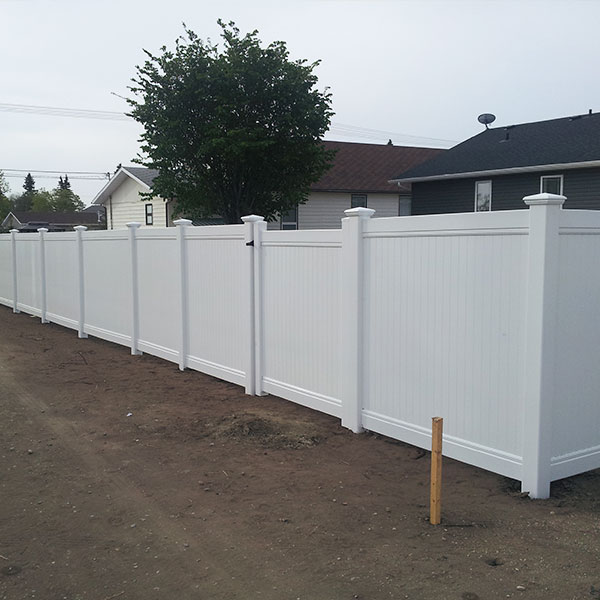
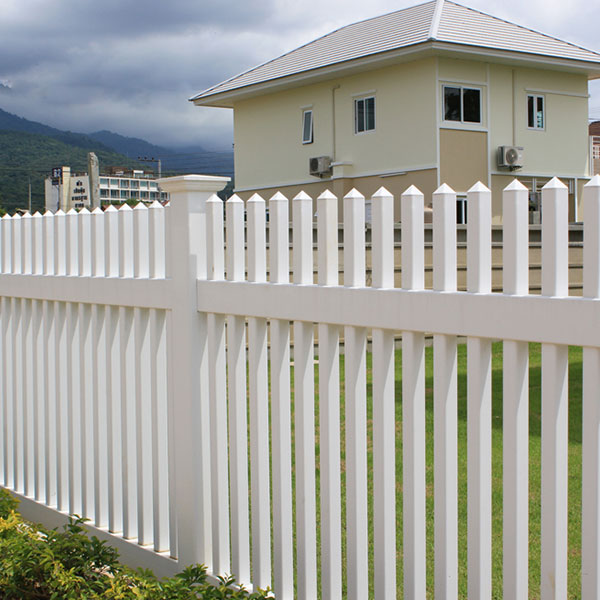
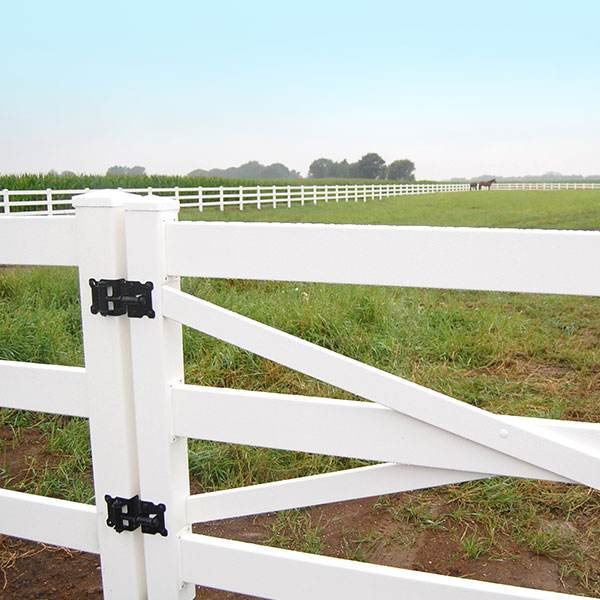
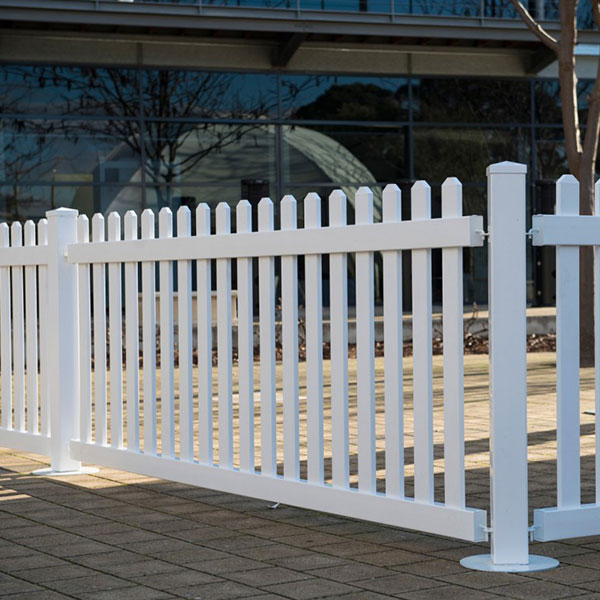
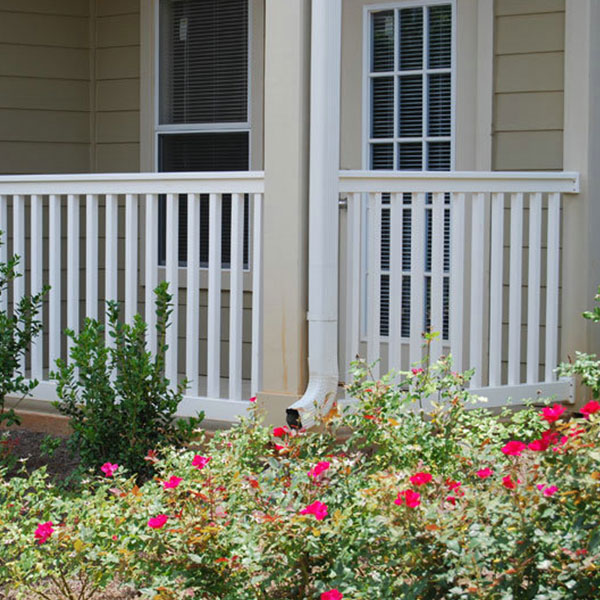
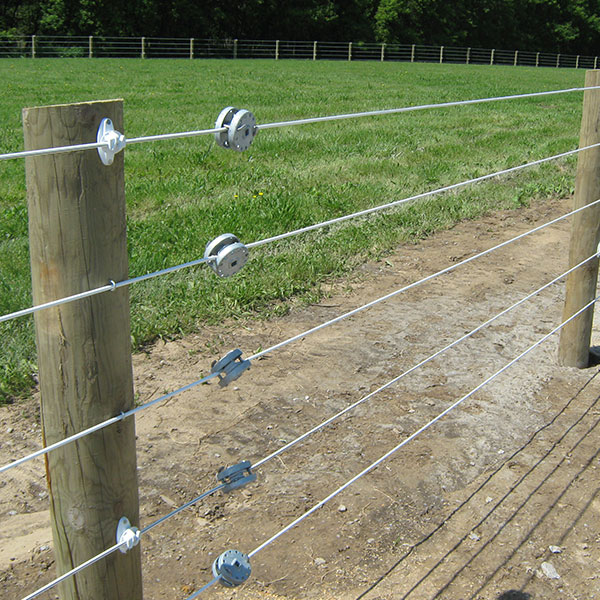
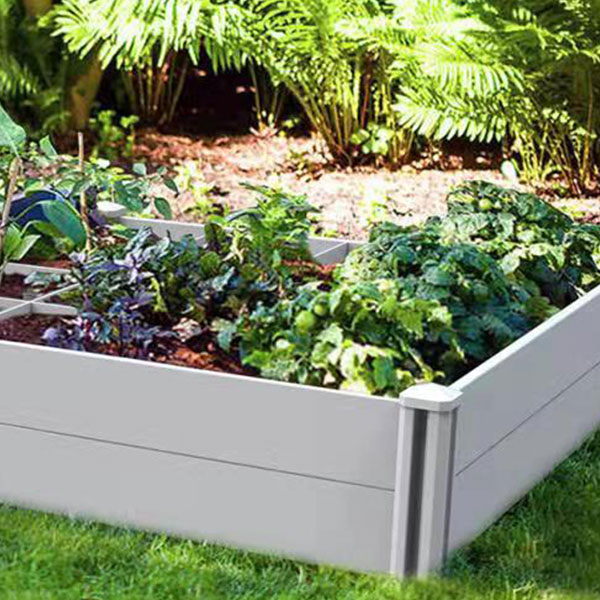

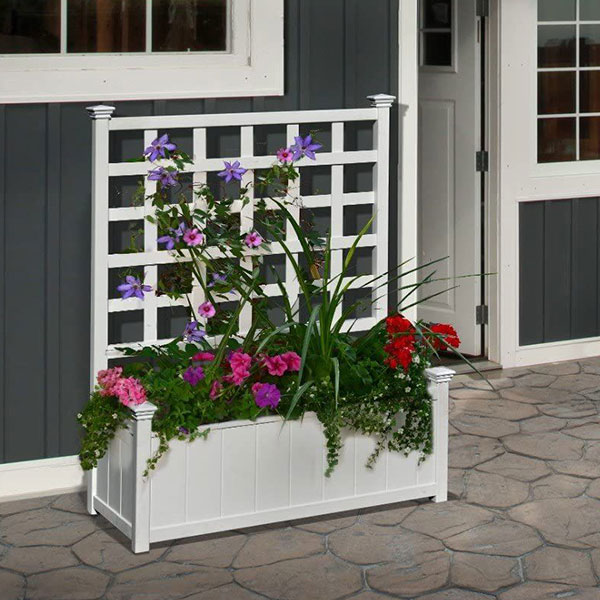
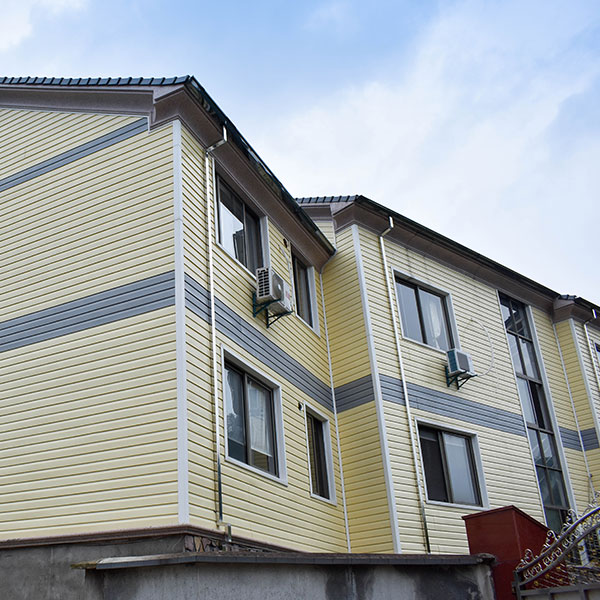
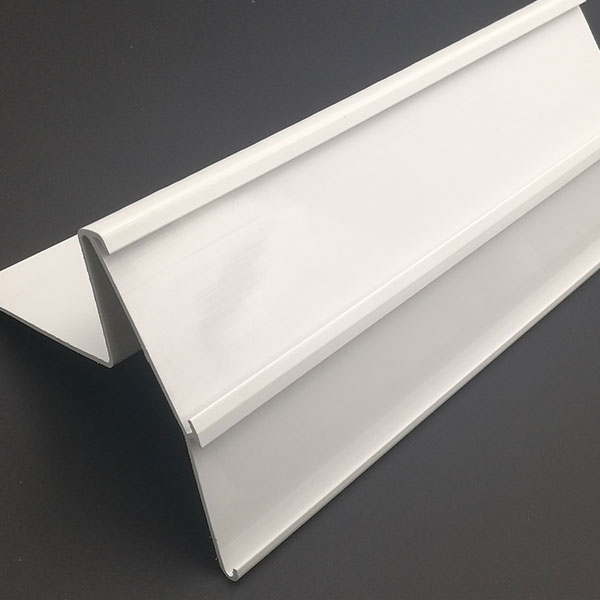
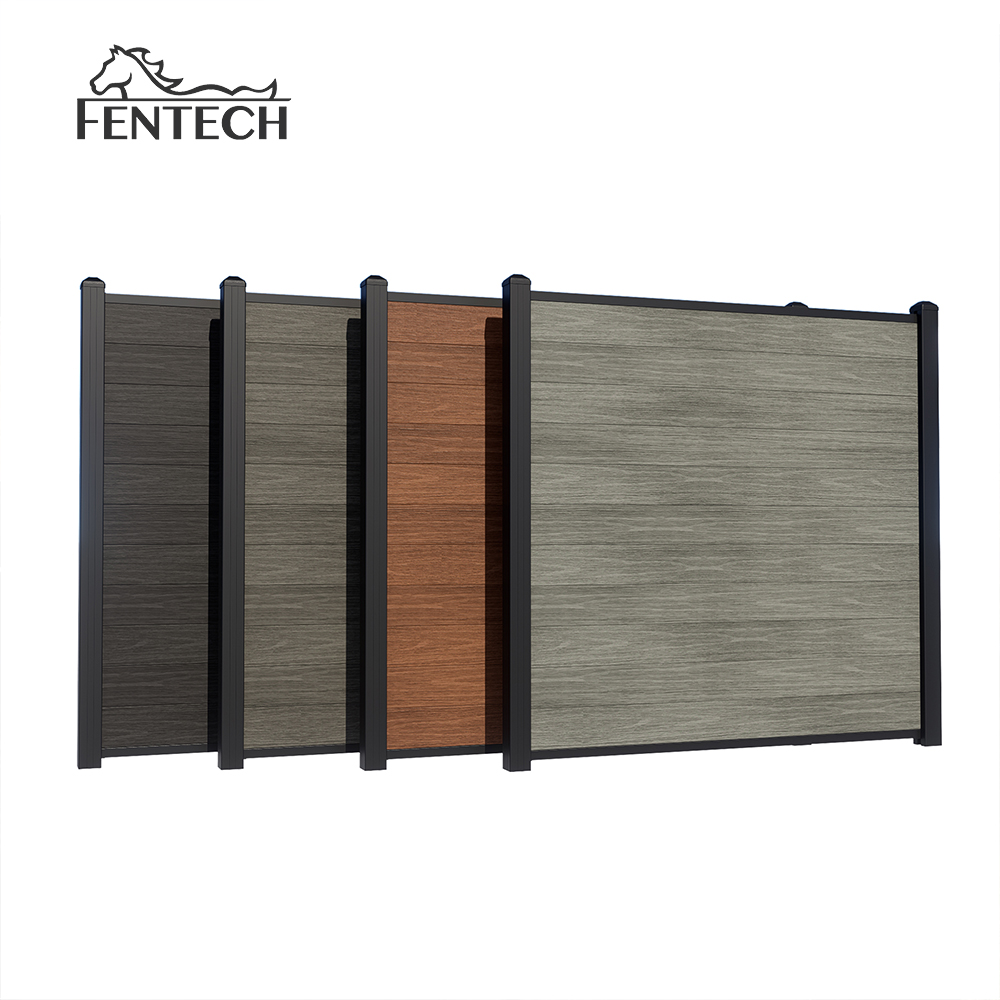
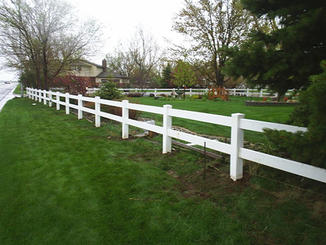
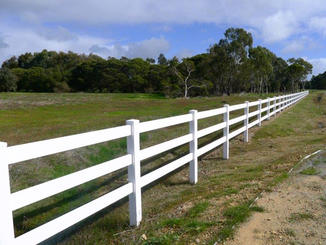
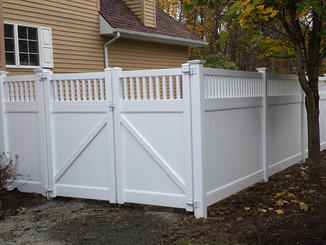
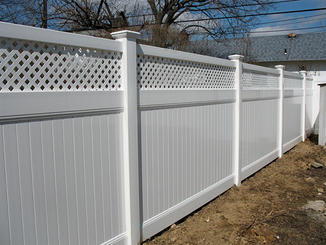
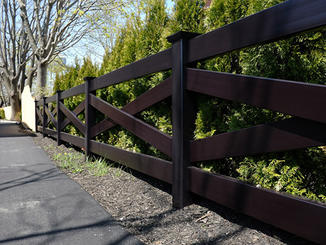
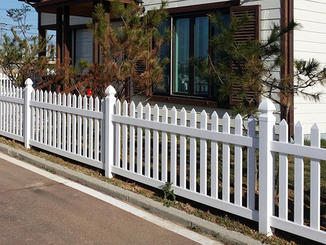

We are professional China Custom Vinyl Fence Manufacturers with fences virgin PVC/Vinyl material and UV Protected.
Content
Why Vinyl Privacy Fence Panels Outperform Other Materials
A wood privacy fence looks great on day one. By year eight, you're sanding, staining, and patching splits — and by year twelve, you're replacing whole sections. Vinyl takes a different path entirely. A well-built vinyl privacy fence typically lasts 20 to 30 years with nothing more than occasional soap-and-water cleaning, compared to wood's 10 to 15-year lifespan under regular maintenance. That gap represents thousands of dollars in avoided upkeep costs over the life of the fence.
The material itself explains why. Virgin PVC (polyvinyl chloride) won't absorb moisture, rot, rust, or attract termites. UV stabilizers built into the compound prevent the chalky yellowing common in lower-grade plastic. Because the color is integral to the material rather than painted on, there's no peeling and no repainting — ever.
Panel Sizes, Styles, and Construction Details That Actually Matter
The standard residential vinyl privacy fence panel is 6 ft tall × 8 ft wide (approximately 72" × 94"). This is the most widely installed size for backyard privacy and matches the pre-routed spacing on most 5×5 vinyl posts. Some manufacturers also offer 8×8 panels for applications where extra height is required, but always confirm local permit height limits before going above 6 ft.
Panel construction centers on the tongue-and-groove (T&G) picket system. Interlocking pickets create zero-gap coverage — no sightlines between boards. A standard T&G picket is typically 7/8" thick × 6" or 11.3" wide, with 7–8 pickets per panel. full-privacy vinyl fence panels with tongue-and-groove pickets built this way hold their shape through temperature swings without the warping or gap-opening that plagues wood.
Beyond the solid flat-top panel, there are two other popular top styles worth considering:
- Picket Top (Semi-Privacy): Solid T&G boards fill the lower section; a row of pickets sits above the top rail. This softens the look and matches homes that already have picket fencing elsewhere in the yard. It's a practical choice when you want privacy at eye level without a completely blank wall appearance.
- Lattice Top: A diamond or square lattice cap sits above the solid panel. The lattice adds airflow and light without compromising the solid privacy below. The lattice-top vinyl privacy fence works especially well for garden borders where a little visual openness is desirable.
Color availability typically covers white, tan, grey, khaki, and woodgrain finishes. White remains the most popular for its clean curb appeal; woodgrain and tan options suit properties where a natural look is preferred without the maintenance burden of actual wood.
What Separates a Quality Vinyl Panel from a Budget One
Not all vinyl panels are equal. The three things worth checking before you buy:
- Virgin PVC vs. regrind: Panels made from 100% virgin PVC resin are denser, more UV-stable, and won't discolor over time. Regrind (recycled PVC) is cheaper but inconsistent — look for manufacturers who specify virgin material.
- Aluminum bottom rail reinforcement: A quality panel includes an aluminum insert in the bottom rail to prevent bowing and sagging across an 8-foot span. Without it, wide panels can visibly flex, especially in warmer climates. A standard panel weight of around 38 kg (84 lbs) for a 6×8 panel is a reasonable reference — lightweight panels often signal thinner walls.
- Rail dimensions and wall thickness: Look for top rails around 2"×3.5" and bottom rails 2"×6", with wall thickness of at least 0.085" on pocket rails. Thinner-walled rails transfer load poorly and deflect under wind pressure.
UV protection is non-negotiable. Quality panels incorporate UV inhibitors throughout the compound, not just as a surface coating. The difference is most visible after five to ten years — UV-protected panels retain their original color; unprotected ones go chalky and brittle.
Getting the Installation Right
A high-quality panel installed on poor posts won't stay straight for long. Posts are the structural anchor of every fence run. Standard practice is to set 5×5 line posts at 8-foot intervals (matching the panel width), sinking them 2 to 3 feet into the ground with concrete. Corner posts are routed on two adjacent faces; end posts and gate posts are routed on only one side and are typically built heavier to handle lateral load.
Gates deserve more attention than they usually get. A gate that sags or doesn't latch properly is both a nuisance and a security issue. matching vinyl fence gate options are available in 4-ft single and 10-ft double configurations — sizing the gate to actual traffic needs (a 4-ft walk gate vs. a double drive gate) prevents premature hinge wear. Heavy-duty stainless steel hinges resist corrosion in wet climates and hold alignment year after year.
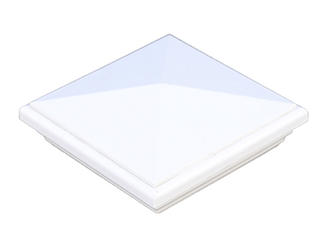
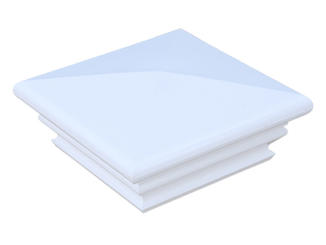
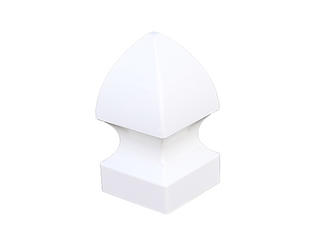
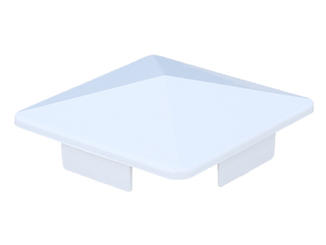
Finish the installation with post caps. Beyond aesthetics, caps seal the hollow post top against water accumulation, which in freezing climates can cause internal cracking over time. vinyl fence caps and post accessories come in flat, Gothic, Federation, and New England styles — a small detail that visibly elevates the finished look of the entire fence line.
One last note on slopes: most vinyl privacy panel systems can rack up to about 4 inches over an 8-foot span by trimming the T&G board ends at an angle. For steeper grades, stepped installation (dropping the panel height at each post) is the cleaner solution and avoids stressing the rail joints.
 No. 142 Xinxiqiao, Linan, Hangzhou City, Zhejiang Province, 311300, China
 0086-180 5608 2316
 sales@fentechfence.com