 WELCOME TO HANGZHOU FANTAI PLASTIC CO., LTD.
  0086-180 5608 2316
 sales@fentechfence.com
 English
  中文简体
中文简体

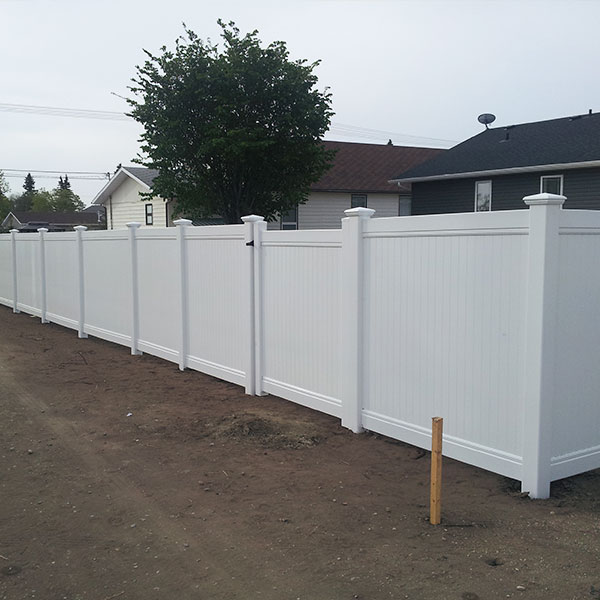
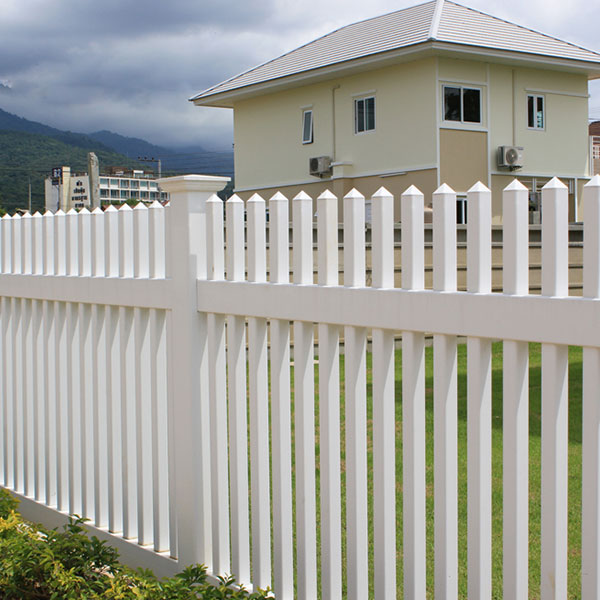
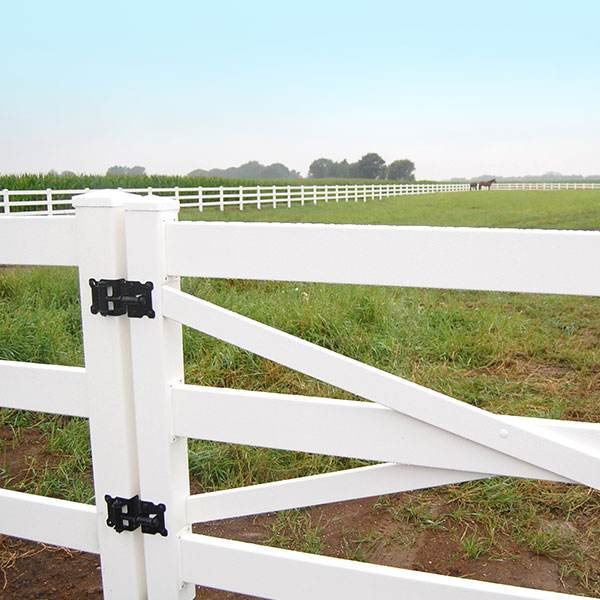
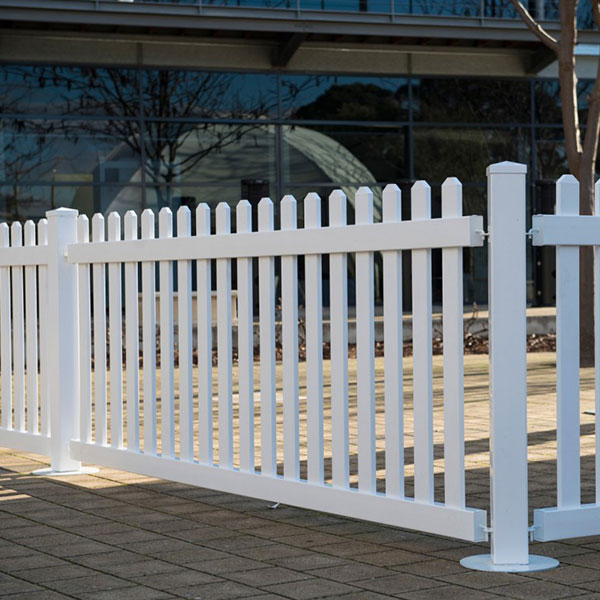
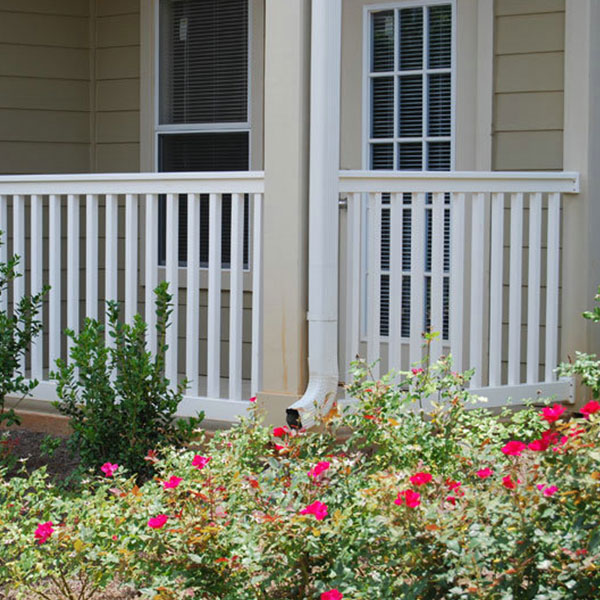
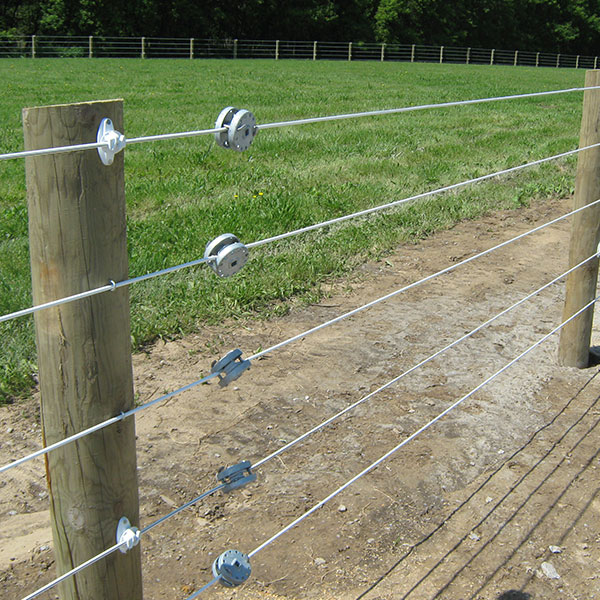

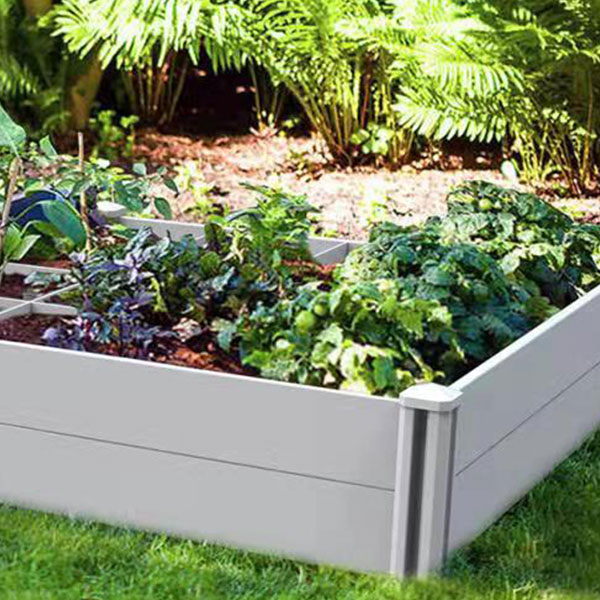

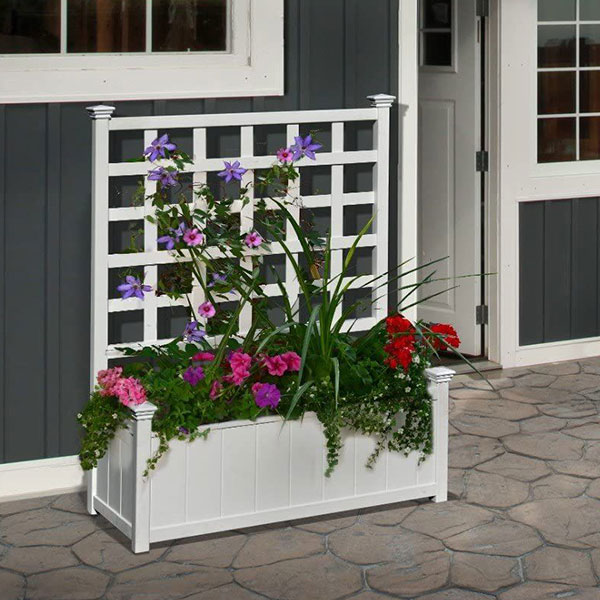

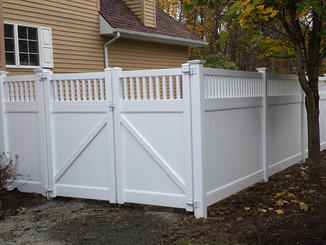
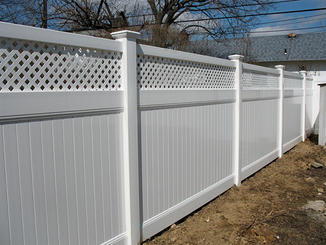
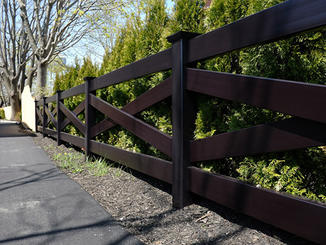
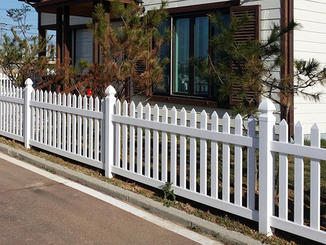

We are professional China Custom Vinyl Fence Manufacturers with fences virgin PVC/Vinyl material and UV Protected.
Content
PVC Decking has become a popular choice in modern outdoor construction, especially for homeowners seeking long-lasting and low-maintenance alternatives to natural wood. Its synthetic composition, resistance to moisture, and overall durability make it attractive in a variety of climates. Yet one question frequently arises among homeowners living in colder regions: How does PVC Decking perform in freezing temperatures?
Understanding PVC Decking Materials
To evaluate how PVC Decking performs in freezing temperatures, it helps to begin with its material composition. PVC Decking is made entirely from polyvinyl chloride, without the wood fibers found in traditional composite decking. This 100% synthetic structure eliminates many of the moisture-related problems associated with wood, such as rotting, warping, and mold development. PVC’s chemical stability and water resistance give it natural advantages in cold-weather environments, where freeze-thaw cycles can damage wood-based materials.
However, like most plastics, PVC is subject to thermal expansion and contraction. This does not make PVC Decking unsuitable for cold climates, but it does mean that proper installation and expectations play a key role in long-term performance.
How Freezing Temperatures Affect PVC Decking
1. Expansion and Contraction
One of the most notable characteristics of PVC Decking in freezing temperatures is its tendency to contract when exposed to cold. All materials shift to some degree with temperature changes, but PVC’s thermal movement is more pronounced than that of wood. During freezing weather, deck boards may slightly shrink, causing the gaps between planks to appear wider than they do in summer.
This is not a defect but a normal behavior based on temperature fluctuations. The key to preventing problems is correct installation, including:
- Following manufacturer-recommended spacing guidelines
- Allowing proper acclimation before installation
- Using the correct fasteners or hidden fastening systems
When PVC Decking is installed with appropriate spacing to accommodate seasonal changes, expansion and contraction rarely lead to long-term issues.
2. Structural Integrity in Freezing Weather
PVC remains structurally stable in freezing temperatures. Its synthetic composition does not absorb water, preventing the freeze-thaw damage that often affects wood. Moisture trapped inside natural wood expands when frozen, causing cracks, splits, and warping. PVC Decking avoids this because water cannot penetrate its structure.
Although PVC Decking becomes slightly less flexible in cold weather—a common characteristic of plastic materials—it does not typically become brittle under normal winter conditions. Manufacturers perform cold-temperature testing to ensure boards maintain load-bearing capability even during prolonged exposure to freezing temperatures.
However, extreme cold well beyond the typical winter range may slightly increase susceptibility to surface scratching or impact damage. This does not mean the boards crack easily, but rather that homeowners should be mindful when moving heavy objects, shoveling ice, or using metal tools on the deck surface.
3. Surface Traction on Ice and Snow
Freezing temperatures often bring snow and ice, and traction is a common concern for any outdoor surface. PVC Decking usually has textured, wood-grain, or embossed surfaces designed to improve grip, even when wet. In freezing conditions, the friction level remains generally stable, but like any material, PVC Decking can become slippery when covered with ice.
The advantage of PVC is that its smooth, non-porous surface makes ice easier to remove compared with rougher wood planks that trap moisture. Homeowners often find that ice melts faster on PVC than on wood because PVC generally retains less moisture on its surface.
Still, proper winter care—such as clearing snow promptly and avoiding the buildup of ice layers—plays a crucial role in winter safety.
4. Moisture Resistance in Freeze-Thaw Cycles
One major benefit of PVC Decking in freezing temperatures is its complete resistance to moisture absorption. This property prevents:
- Warping
- Splitting
- Rotting
- Mold growth
In climates where freeze-thaw cycles are frequent, traditional wood decking may swell, shrink, or crack as water enters the grain and expands when frozen. PVC Decking’s solid plastic composition avoids this process entirely.
Furthermore, because PVC Decking does not hold moisture, it is less likely to suffer from winter-related structural degradation. Even when covered in snow for extended periods, the boards remain unaffected once temperatures rise and the snow melts.
5. Color Stability and Surface Appearance
Winter conditions introduce more than cold—they bring overcast days, frost, and abrasive elements. Fortunately, PVC Decking is engineered with UV inhibitors and color stabilization additives, helping maintain consistent appearance even when exposed to harsh weather.
In freezing temperatures, the deck’s color does not fade or change due to temperature alone. Surface frost or snow may temporarily alter the deck’s appearance, but once the deck is cleared, the finish returns to normal. In some climates, salt used to melt ice can leave residue on surfaces; however, PVC Decking typically resists staining from salt, and any residue can be washed off with mild soap and water.
Advantages of PVC Decking in Freezing Climates
Homeowners living in colder regions may find PVC Decking especially beneficial due to several key advantages:
1. Exceptional Moisture Resistance
PVC Decking’s complete lack of wood fibers makes it impervious to water. Even prolonged snow coverage does not compromise the material. This resistance helps the deck maintain structural stability and appearance year after year.
2. No Risk of Rot, Mold, or Mildew
With wood-based decking, moisture in winter encourages fungal growth once temperatures rise. PVC Decking avoids this issue entirely, reducing the need for spring maintenance.
3. Reduced Winter Maintenance
Because PVC Decking does not absorb moisture or degrade with freezing temperatures, homeowners often find winter upkeep simpler. Snow removal is more efficient, and the deck is less prone to damage from freeze-thaw cycles.
4. Long-Term Durability in Variable Climates
PVC Decking is engineered to withstand temperature extremes, making it suitable for regions with long, cold winters and short summers. Its resilience against environmental changes helps extend its lifespan.
5. Stable Surface Texture
The embossed textures on many PVC Decking lines remain consistent even in winter conditions. While any surface can be slippery when icy, PVC Decking often provides better consistency compared to some sealed wood surfaces.
Potential Limitations of PVC Decking in Freezing Temperatures
While PVC Decking performs well in cold climates, it is helpful to acknowledge a few realistic limitations to set proper expectations:
1. Increased Contraction in Cold Weather
As temperatures drop, PVC boards contract slightly. If the deck was not installed with proper spacing, this may lead to visible gaps or stress at fastener points. Ensuring correct installation eliminates most problems.
2. Slightly Reduced Flexibility
PVC can become firmer in cold temperatures. This does not typically affect normal use, but it may make the deck more susceptible to scratches from heavy objects or metal tools during winter.
3. Icy Conditions Still Require Attention
PVC Decking minimizes slipperiness through its textured finish, but no material is slip-proof when covered in ice. Homeowners must still follow winter safety practices.
4. Limited Compatibility With Certain De-Icing Materials
Some manufacturers advise against using harsh chemical de-icers or metal shovels on PVC Decking. Gentle tools and mild ice-melting products are recommended to protect the surface finish.
Winter Maintenance Tips for PVC Decking
To keep PVC Decking in excellent condition throughout the winter, homeowners can follow these practical maintenance guidelines:
1. Remove Snow Promptly
Using a plastic shovel or a broom helps prevent the buildup of thick ice layers. Always shovel parallel to the deck boards to avoid scratching the surface.
2. Avoid Metal Shovels
Metal tools may gouge or scratch the surface, especially in freezing temperatures when PVC is slightly less flexible.
3. Use Mild Ice Melt Products
Many manufacturers recommend calcium chloride as a safer option for melting ice. Harsh chemicals should be avoided unless approved by the deck’s manufacturer.
4. Clean Residue During Thaw
After winter storms, it is helpful to clean any remaining salt or debris once temperatures rise above freezing.
5. Inspect Fasteners and Board Gaps
Seasonal changes may slightly shift board spacing. A quick check in spring ensures that the deck remains properly aligned.
These steps are simple but effective, and they contribute significantly to the long-term performance of PVC Decking in cold climates.
Is PVC Decking a Good Choice for Cold Regions?
When evaluating the overall performance of PVC Decking in freezing temperatures, the material proves to be highly suitable for cold climates. Its resistance to moisture, ability to withstand freeze-thaw cycles, stable surface texture, and minimal maintenance requirements make it a reliable option for regions with harsh winters.
Although PVC Decking does expand and contract more than wood, this characteristic is manageable with correct installation practices. When installed according to manufacturer guidelines, homeowners typically enjoy many years of stable performance, even in climates where winter stretches over several months.
Ultimately, PVC Decking offers a combination of durability, weather resistance, and low maintenance that aligns well with the needs of homeowners in cold regions.
Conclusion
PVC Decking performs well in freezing temperatures due to its moisture-resistant, fully synthetic nature. It does not absorb water, making it immune to freeze-thaw damage that often compromises natural wood decks. While the material does contract in cold weather and may become slightly more rigid, these characteristics do not diminish its structural integrity or long-term durability when properly installed.
For homeowners living in regions with harsh winters, PVC Decking offers a dependable, low-maintenance, and weather-resilient solution. With appropriate installation and basic winter care, PVC Decking maintains its appearance and functionality year after year, even under repeated exposure to freezing temperatures.
 No. 142 Xinxiqiao, Linan, Hangzhou City, Zhejiang Province, 311300, China
 0086-180 5608 2316
 sales@fentechfence.com