 WELCOME TO HANGZHOU FANTAI PLASTIC CO., LTD.
  0086-180 5608 2316
 sales@fentechfence.com
 English
  中文简体
中文简体

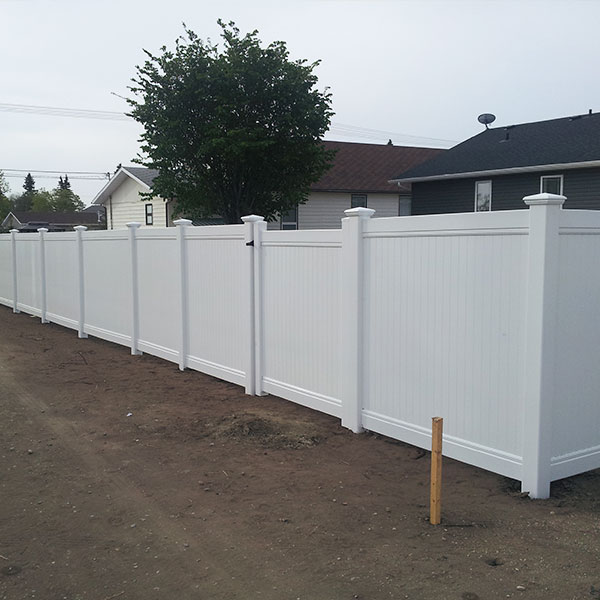
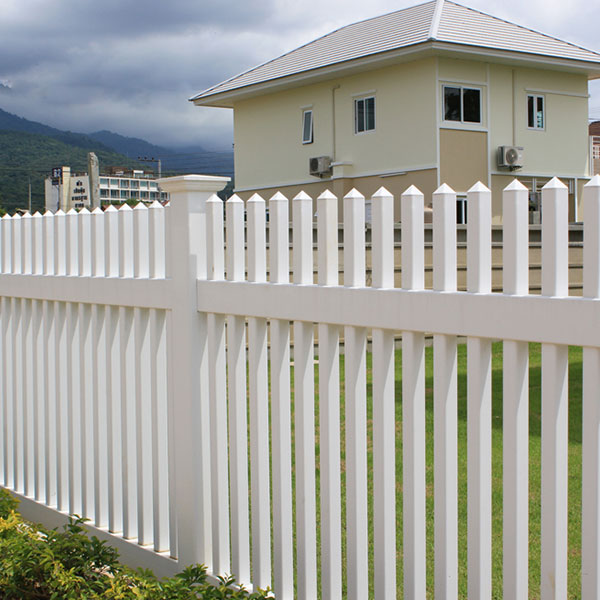
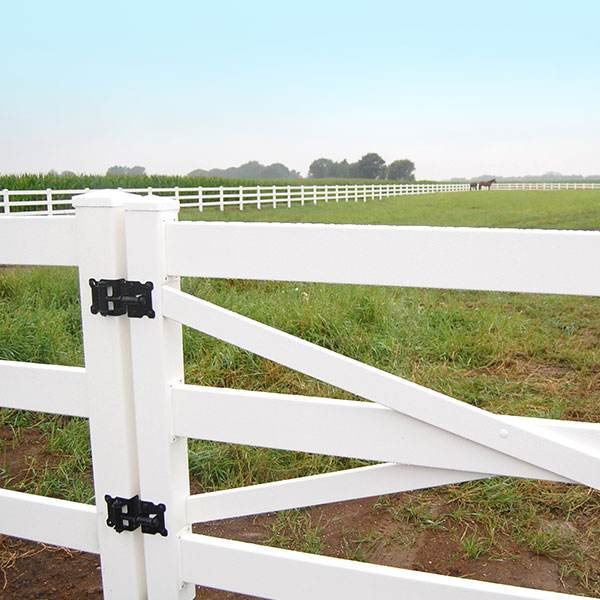
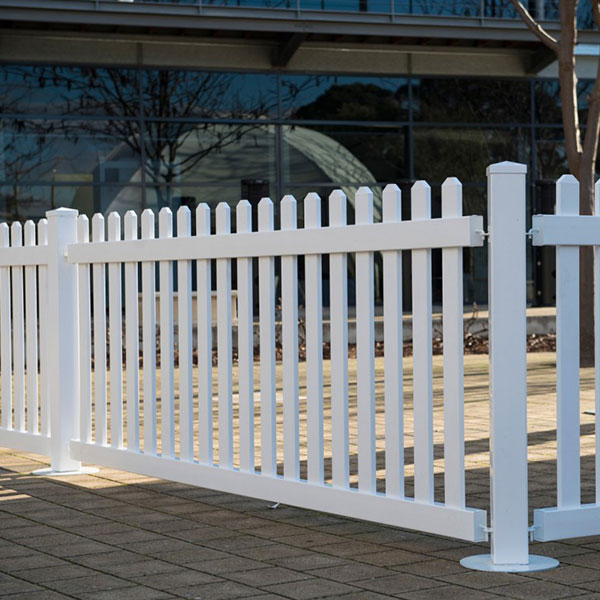
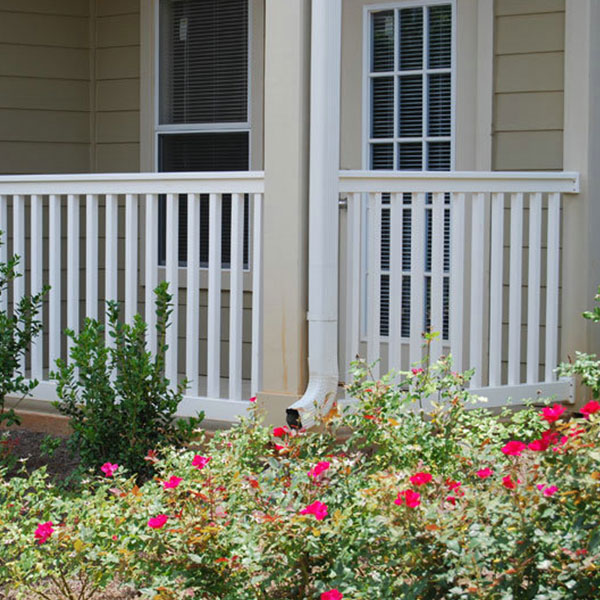
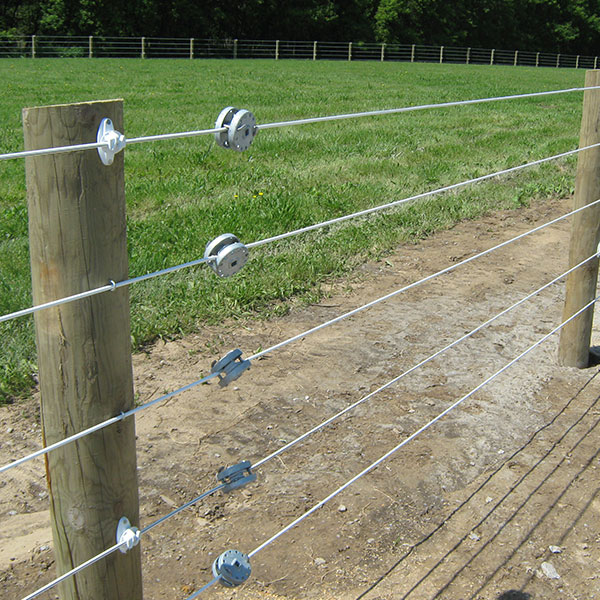
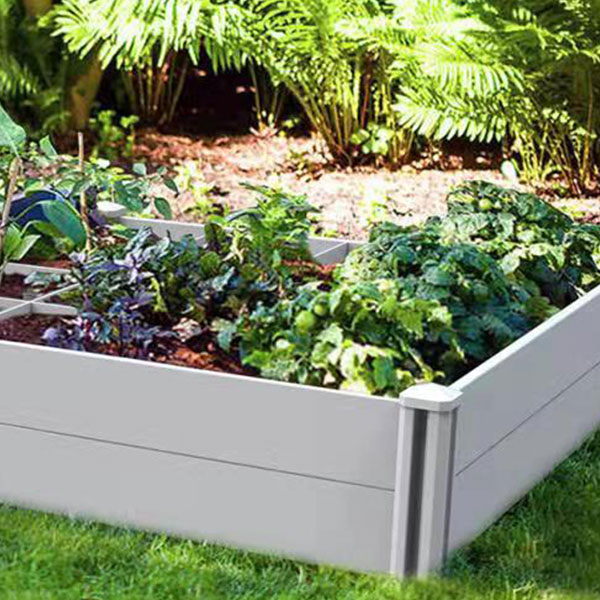

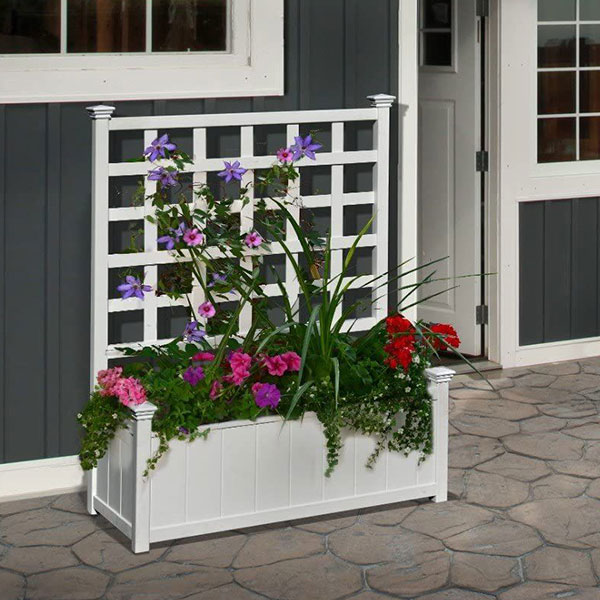
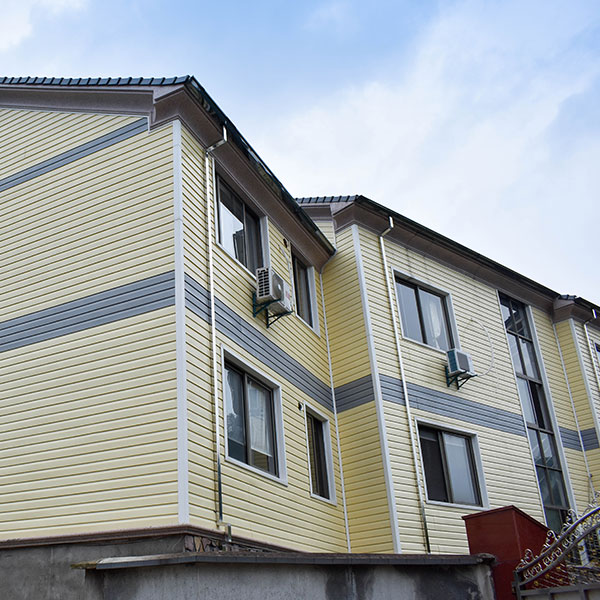
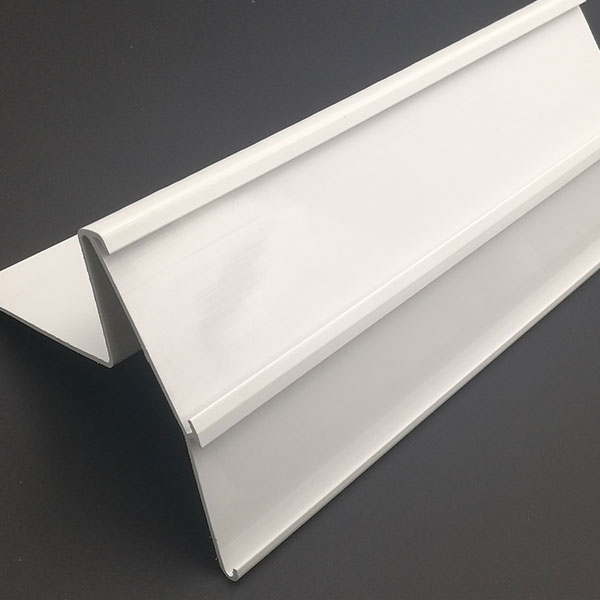
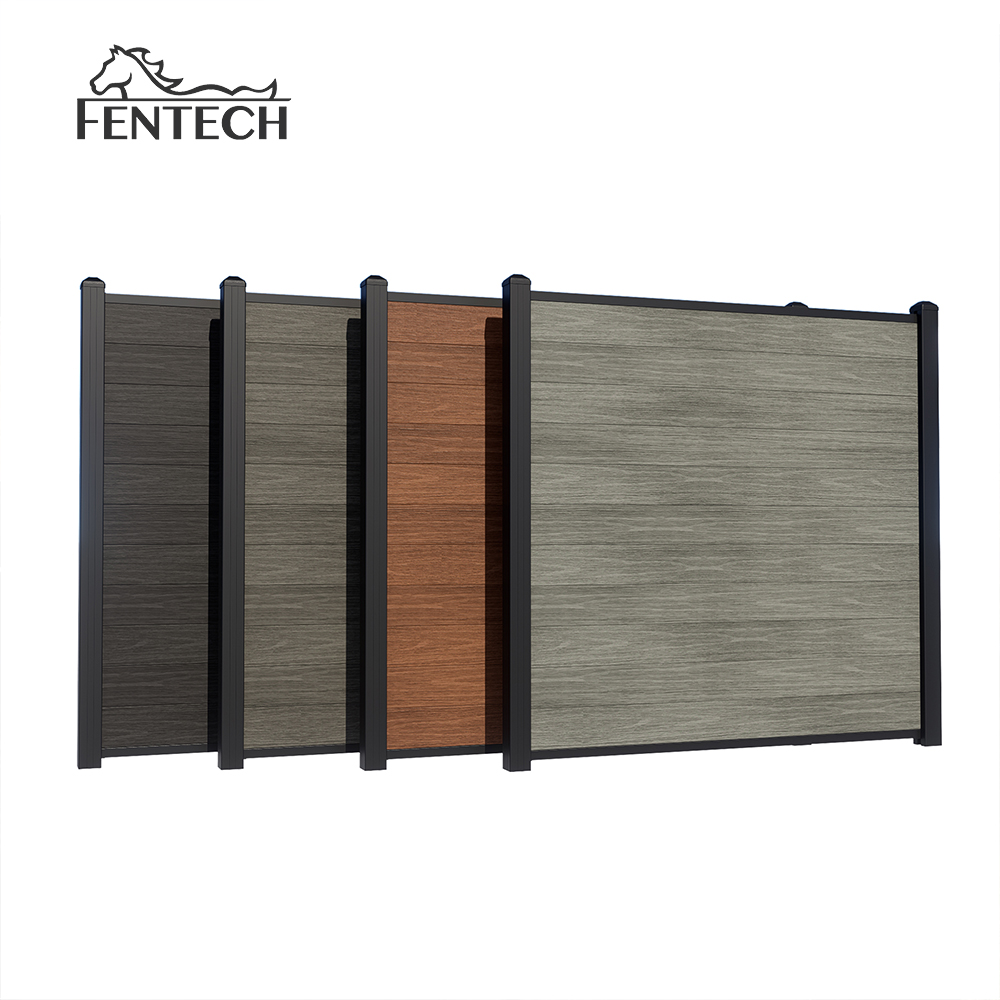
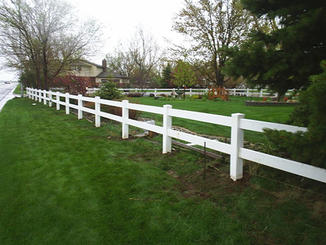
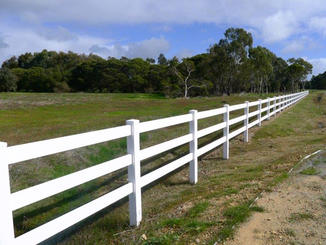
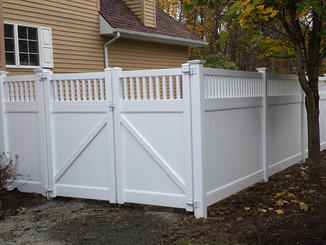
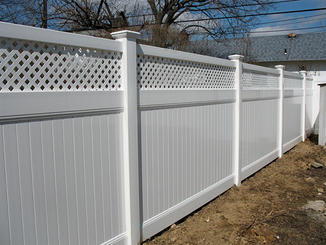
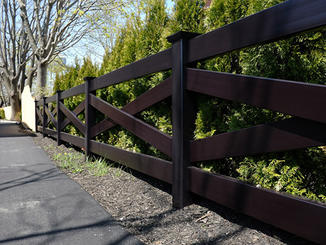
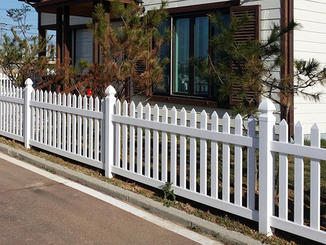

We are professional China Custom Vinyl Fence Manufacturers with fences virgin PVC/Vinyl material and UV Protected.
Content
- 1 What Goes Into the Cost of 100 Feet of Privacy Fence
- 2 Average Cost of 100 ft of Privacy Fence by Material
- 3 How Fence Height Affects the Total Price
- 4 Labor Costs: What Contractors Charge for 100 Feet
- 5 Breaking Down a Realistic 100 ft Vinyl Privacy Fence Budget
- 6 Why Vinyl PVC Beats Wood on Total Cost of Ownership
- 7 Style Choices That Affect Your Price Per Foot
- 8 Hidden Costs Buyers Often Overlook
- 9 How to Get the Best Price on 100 Feet of Privacy Fence
- 10 Sourcing Privacy Fence at the Factory Level
What Goes Into the Cost of 100 Feet of Privacy Fence
Budgeting for a privacy fence project starts with understanding that the price is never just about the panels. For a 100-foot run, your total cost is shaped by three main components: materials, labor, and site preparation. Each one can shift your budget significantly, and knowing what drives each category helps you make smarter decisions before you commit to a product or contractor.
As a manufacturer who has supplied privacy fencing to homeowners, contractors, and distributors across North America and beyond, we see these cost questions every day. This guide walks you through realistic numbers, the key variables that influence them, and what you can do to keep your project on budget without cutting corners on quality.
Average Cost of 100 ft of Privacy Fence by Material
Material choice is the single biggest cost driver in any privacy fence project. Below is a realistic cost comparison for 100 linear feet of installed privacy fence, including materials and professional installation, based on current market averages in the United States:
| Material | Material Cost (per linear ft) | Installed Cost (100 ft) | Lifespan |
|---|---|---|---|
| Wood (Pine/Cedar) | $10 – $20 | $1,500 – $3,500 | 10 – 15 years |
| Vinyl / PVC | $18 – $35 | $2,500 – $5,500 | 25 – 40+ years |
| Aluminum | $25 – $40 | $3,500 – $6,000 | 20 – 30 years |
| Composite | $20 – $45 | $3,000 – $6,500 | 20 – 30 years |
| Steel / Iron | $30 – $60+ | $5,000 – $9,000+ | 30 – 50 years |
Wood comes in at the lowest upfront price, but recurring maintenance costs — staining, sealing, and eventual board replacement — add up quickly over a decade. Vinyl (PVC) consistently offers the best long-term value for residential privacy fencing: no painting, no rot, and a lifespan that often exceeds 30 years with minimal upkeep.
How Fence Height Affects the Total Price
Most privacy fences are installed at either 6 feet or 8 feet tall. The height you choose directly affects both material volume and post depth requirements, both of which raise your costs.
- 6-foot fence: The most common residential choice. For 100 linear feet in vinyl, budget approximately $2,500 – $4,000 installed.
- 8-foot fence: Adds roughly 20 – 30% to your total material cost and may require deeper post holes and concrete footings, increasing labor as well.
- 4-foot fence: Suitable for semi-private applications; considerably cheaper but provides limited visual screening.
Before settling on a height, check your local zoning ordinances. Many municipalities cap backyard fence height at 6 feet and front yard height at 4 feet — a variance permit can add both time and cost to your project.
Labor Costs: What Contractors Charge for 100 Feet
Labor typically accounts for 30 – 50% of the total installed cost of a privacy fence. For a 100-foot project, professional installation generally runs between $800 and $2,500, depending on your region, the complexity of the terrain, and the fence style.
Factors That Drive Labor Costs Up
- Rocky or uneven ground: Post holes become difficult to dig, often requiring power augers or hand digging — both increase time on-site.
- Existing fence removal: Demo and disposal of an old fence adds $3 – $8 per linear foot, which means $300 – $800 for a 100-foot run.
- Gates and corners: Each gate or directional change adds complexity. Expect $100 – $400 per gate depending on size and style.
- Regional labor rates: Contractors in the Northeast and West Coast charge significantly more than those in the Midwest or South — sometimes 2× the rate.
DIY Installation: Is It Realistic?
For a competent DIYer, self-installation of vinyl privacy fence panels is entirely feasible. Vinyl systems are designed for relatively straightforward assembly — posts, rails, and pickets click or slide together without specialized tools. On a 100-foot run, DIY installation can save you $1,000 – $2,000 in labor, though you should budget for a post-hole digger rental ($50 – $100/day), concrete, and a full weekend of work.
Breaking Down a Realistic 100 ft Vinyl Privacy Fence Budget
To give you a concrete example, here is what a 100-foot, 6-foot-tall vinyl privacy fence project might realistically look like in total:
| Cost Item | Estimated Cost |
|---|---|
| Fence panels (100 linear ft) | $1,200 – $2,200 |
| Posts (approx. 13–17 posts) | $300 – $700 |
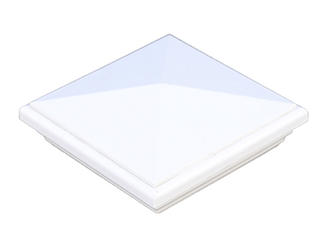
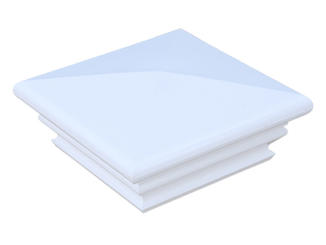
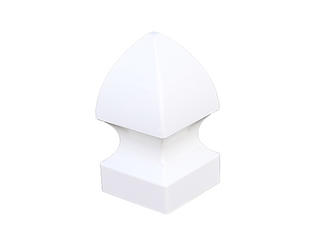
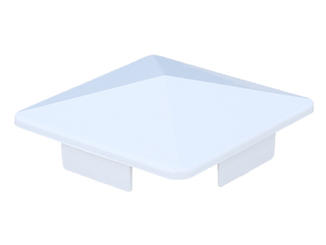
| Post caps & hardware | $100 – $250 |
| Concrete for footings | $100 – $200 |
| 1 walk-through gate | $150 – $400 |
| Professional labor | $900 – $2,000 |
| Total Estimated Range | $2,750 – $5,750 |
Buying directly from a manufacturer rather than through a retail chain or distributor can meaningfully reduce your materials cost — often by 15 – 30% on volume orders. This is especially relevant if you are a contractor or developer managing multiple properties. We offer our vinyl privacy fence products to buyers globally with factory-direct pricing, custom sizing, and OEM options.
Why Vinyl PVC Beats Wood on Total Cost of Ownership
The upfront price of vinyl is higher than wood, but this comparison tells only part of the story. Over a 20-year period, a wood privacy fence requires regular maintenance that accumulates into a substantial expense:
- Staining or painting: Required every 2–3 years, at roughly $1 – $3 per linear foot per treatment. Over 20 years on 100 linear feet, that is $700 – $3,000 in maintenance alone.
- Board replacement: Rot, insect damage, and warping typically require partial replacement within 7 – 10 years, adding another $200 – $800.
- Post rot: Even pressure-treated posts degrade at ground level; replacement costs $50 – $150 per post.
A quality vinyl fence, by contrast, requires nothing more than an occasional rinse with a garden hose. No painting, no staining, no rot, no rust. For most homeowners, the 20-year total cost of a vinyl fence is equal to or lower than that of a wood fence, while delivering a consistently cleaner appearance throughout.
Our vinyl PVC privacy fence panels are manufactured with 10% TiO₂ UV stabilizer formulated to ASTM standards — a specification that matters for long-term color retention and resistance to weathering in harsh climates.
Style Choices That Affect Your Price Per Foot
Not all privacy fence styles cost the same per linear foot, even within the same material category. Within vinyl fencing, the following design variations carry different price points:
Flat-Top vs. Scalloped vs. Lattice-Top
A standard flat-top privacy panel is the most cost-efficient option. Scalloped tops add a modest decorative touch without significantly affecting price. Lattice-top panels — which feature an open lattice accent above a solid privacy section — add approximately $2 – $6 per linear foot to material cost but deliver a notably more elegant finished look. Many homeowners find the visual upgrade well worth the incremental spend.
Picket-Top vs. Full Privacy Panels
Some buyers opt for a semi-private style where the top 12 – 18 inches feature spaced pickets rather than solid boards. This reduces total material cost slightly while allowing airflow and a less visually imposing structure. For solid, full-height privacy, expect to pay a small premium per panel relative to semi-private styles. You can explore the range of available styles on our vinyl privacy fence product page.
Color Options
Standard white is the most affordable option. Tan, gray, and other colors require pigmented compounds that can add $1 – $3 per linear foot to material cost. That said, colored vinyl eliminates the need for painting entirely — so for non-white aesthetics, vinyl still outperforms painted wood on lifetime maintenance cost.
Hidden Costs Buyers Often Overlook
Several cost items frequently catch buyers off guard after they have already committed to a project. Factor these into your budget from the start:
- Permit fees: Many municipalities require a building permit for fence installation. Permit costs typically range from $20 to $200 depending on location and fence length.
- Property survey: If your boundary line is unclear, a land survey ($300 – $700) prevents expensive disputes with neighbors after installation.
- Utility marking: Always call 811 (in the U.S.) before digging. Utility marking is free, but hitting a line is not — repairs can run into thousands of dollars.
- Grading or clearing: If your yard slope exceeds 6 inches per 8-foot panel, stepped or racked installation is required, which adds labor time and may require extra materials.
- Shipping costs: When ordering factory direct — especially for larger volumes — freight charges can add $200 – $600 for a 100-foot order. Always confirm total landed cost before comparing quotes.
How to Get the Best Price on 100 Feet of Privacy Fence
Reducing your cost per linear foot without sacrificing quality comes down to a few practical strategies:
- Buy direct from the manufacturer. Retail markups on fencing materials can reach 40 – 60%. Factory-direct purchasing eliminates that margin entirely. This makes the most difference on orders of 100 linear feet and above.
- Order complete panels, not piecemeal components. Pre-assembled or panel-based systems reduce on-site labor time and minimize waste. Systems where rails, pickets, and posts are engineered to fit together also reduce measuring errors during installation.
- Get at least three contractor quotes. Labor rates vary by 30 – 50% between contractors even in the same metro area. Always ask for an itemized quote so you can compare materials and labor separately.
- Time your purchase strategically. Fence installation demand peaks in spring and early summer. Scheduling installation in late summer or fall often yields better contractor availability and, in some cases, lower quotes.
- Minimize gate and corner count. Each additional gate or 90-degree corner adds labor and materials. Where design allows, simplifying your fence run can meaningfully reduce overall cost.
Sourcing Privacy Fence at the Factory Level
For buyers who want to stretch their budget on a 100-foot or larger project, sourcing directly from a factory is the most effective lever available. At Fentech, we manufacture vinyl PVC privacy fencing across a range of styles — flat top, lattice top, picket top, and more — and supply directly to homeowners, contractors, and distributors worldwide. Our products are built to ASTM standards with virgin PVC material and UV-stabilized formulations designed for long-term performance in demanding climates.
If you are planning a privacy fence project and want to explore factory-direct pricing, custom sizing, or OEM options, we welcome you to browse our vinyl privacy fence collection or reach out to our team directly for a quote tailored to your project specifications.
 No. 142 Xinxiqiao, Linan, Hangzhou City, Zhejiang Province, 311300, China
 0086-180 5608 2316
 sales@fentechfence.com