 WELCOME TO HANGZHOU FANTAI PLASTIC CO., LTD.
  0086-180 5608 2316
 sales@fentechfence.com
 English
  中文简体
中文简体


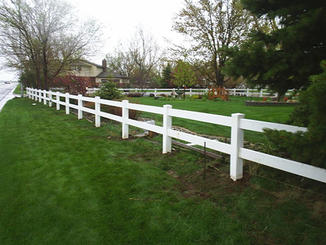
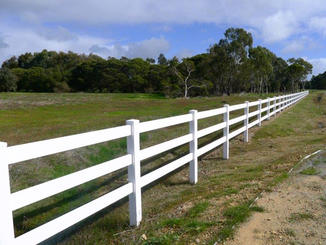
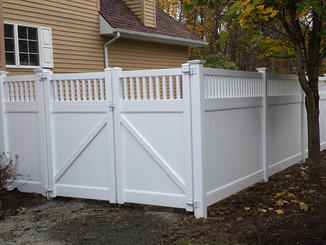
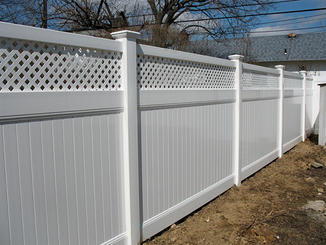
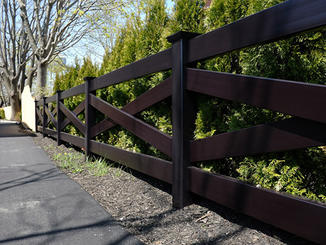

We are professional China Custom Vinyl Fence Manufacturers with fences virgin PVC/Vinyl material and UV Protected.
Content
- 1 Why Vinyl Consistently Outperforms Wood for Privacy Fencing
- 2 Privacy Fence Panel Styles: Full Privacy, Semi-Privacy, and Lattice-Top
- 3 Panel Sizes, Costs, and What the Price Difference Actually Means
- 4 Four Installation Mistakes That Are Expensive to Fix
- 5 How to Match the Right Panel to Your Property
A neighbor's second-story deck. A sidewalk that feels three feet from your patio. A yard that never really feels private. A 6-foot vinyl privacy fence panel solves all three — but choosing the wrong product means paying twice. Here's what you actually need to know before buying.
Why Vinyl Consistently Outperforms Wood for Privacy Fencing
Wood looks great on install day. By year five, it's warping. By year ten, you're repainting. By year fifteen, whole sections are rotting out. The ongoing cost of a cedar privacy fence — staining every two to three years — adds up to $1,500–$4,000 over a 20-year period on top of the original install price.
Vinyl takes a different path. A quality vinyl privacy fence needs nothing beyond an occasional hose-down. It won't warp, rot, or splinter. The color is locked into the material — not painted on — so there's no peeling and no fading. For homeowners who want privacy without a maintenance schedule, vinyl is the clear choice.
The material standard that separates quality vinyl from budget imports is ASTM F964, the international specification for rigid PVC exterior profiles used in fencing. It tests impact resistance, dimensional stability, weatherability, and UV performance. Any panel worth buying should meet it.
Privacy Fence Panel Styles: Full Privacy, Semi-Privacy, and Lattice-Top
Not every "privacy" fence delivers the same result. The three main panel configurations have meaningfully different use cases.
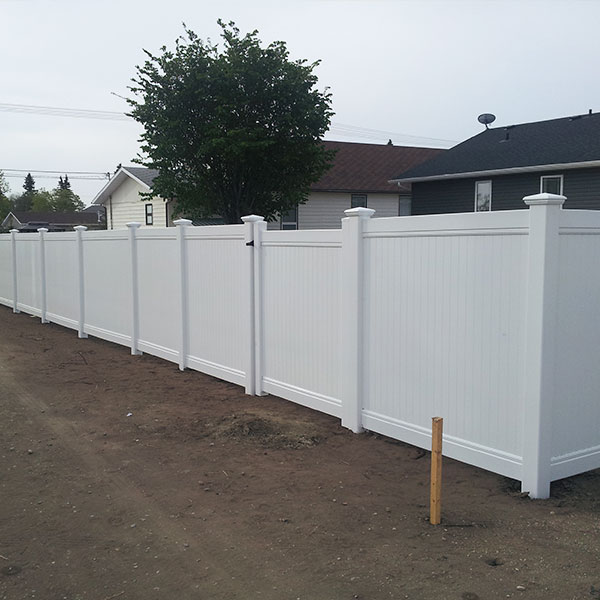
Full privacy panels — like the flat-top FTF01 and UV-proof FTF02 — use tongue-and-groove pickets locked tightly together with no gaps. From any angle, visibility is zero. These are the right choice for backyards, poolside areas, and any situation where you want a complete visual barrier.
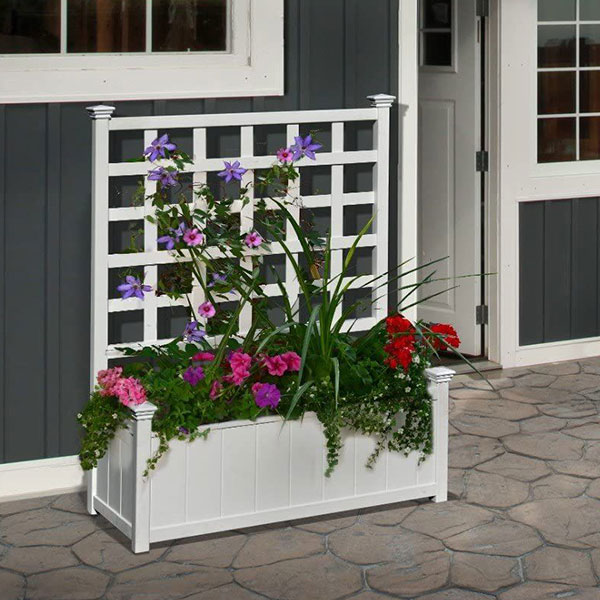
Lattice-top panels such as the FT-F03 keep the solid lower section while adding an open lattice accent at the top. The lattice breaks up the wall-like appearance, allows some airflow, and works well as a trellis for climbing plants. Many homeowners find this style easier to get approved by HOAs, since it looks less imposing from the street.
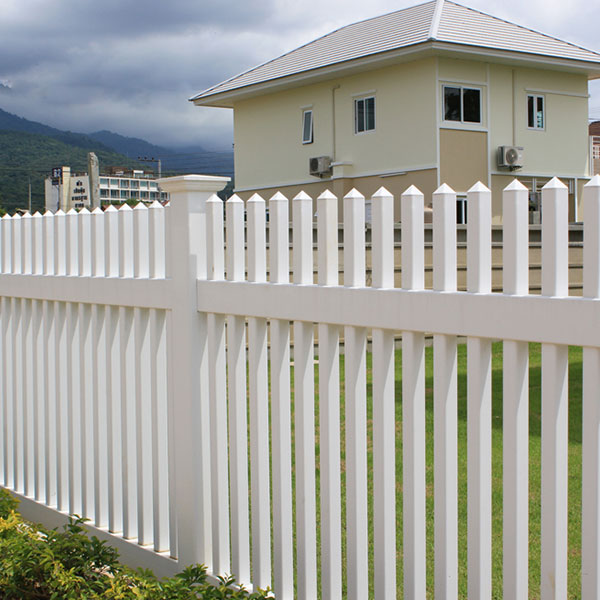
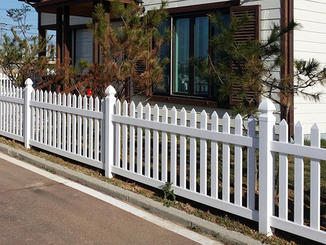
Semi-privacy panels (FT-S02, FT-S03) use spaced pickets that block most sightlines at typical standing height while allowing light and air to pass through. They're a practical choice for front yards, side boundaries, or anywhere a full wall would feel too enclosed. Browse the full range of privacy fence panel options to compare configurations side by side.
Panel Sizes, Costs, and What the Price Difference Actually Means
Standard vinyl fence panels come in widths of 6 and 8 feet, with heights of 4, 5, 6, and 8 feet. The 6ft × 8ft panel is the most common for residential privacy fencing — it covers ground efficiently and aligns with standard post spacing. The 8-foot height is increasingly popular in urban backyards where second-story sightlines are a concern.
| Scope | Cost Estimate |
|---|---|
| Materials only (per linear foot) | $15 – $40 |
| Professionally installed (per linear foot) | $47 – $92 |
| Typical residential project (150–200 ft) | $3,000 – $8,000 |
The price gap between cheap and quality vinyl is not cosmetic — it's structural. Budget vinyl made with recycled PVC content often lacks adequate UV stabilizers, which means it yellows within 10–15 years. Virgin PVC with UV inhibitors maintains color for 20+ years. If a quote seems significantly below market, ask what grade of PVC is used. It matters more than panel style.
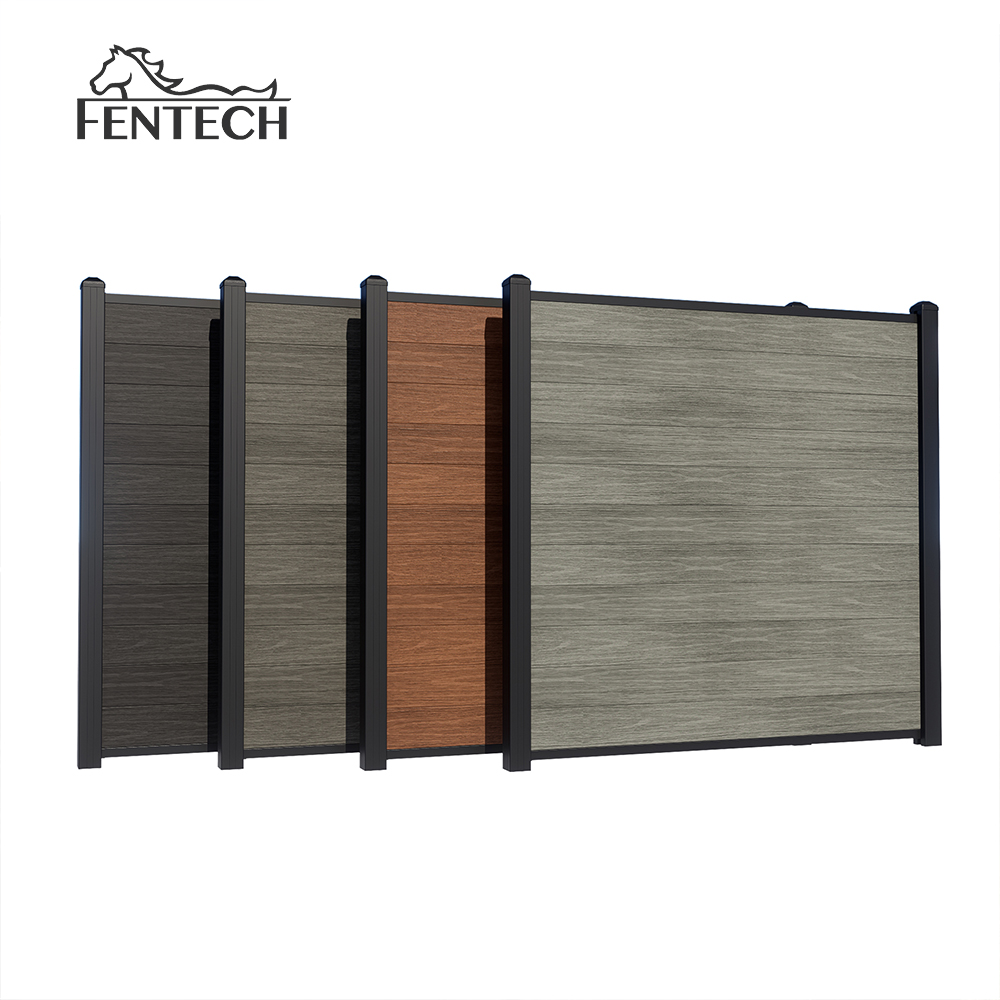
Colors available in most commercial-grade lines — white, grey, and tan — are consistent across the full product range. White remains the most UV-stable of the three. Grey and tan are popular where the fence needs to blend with stone or brick exteriors.
Four Installation Mistakes That Are Expensive to Fix
Vinyl is less forgiving than wood on install. Mistakes can't be sanded away or patched with filler — they're permanent. These are the four errors that account for most callbacks and re-dos.
- Posts set even slightly out of plumb. A half-degree off at the post means visible panel sag at the middle rail. Use a quality level on all four faces of every post before the concrete sets.
- No rebar in post footings. In areas with freeze-thaw cycles or high clay content, posts without rebar reinforcement shift over time. The concrete itself moves — rebar keeps it from doing so.
- Skipping expansion gaps. Vinyl expands and contracts more than wood. Rail ends should sit loose inside routed post holes, not glued tight. A glued rail will crack in the first hard freeze.
- No permit pull. Many municipalities require permits for privacy fences over 4 feet. Building without one can trigger forced removal. Check local setback rules and height limits before a single post goes in the ground.
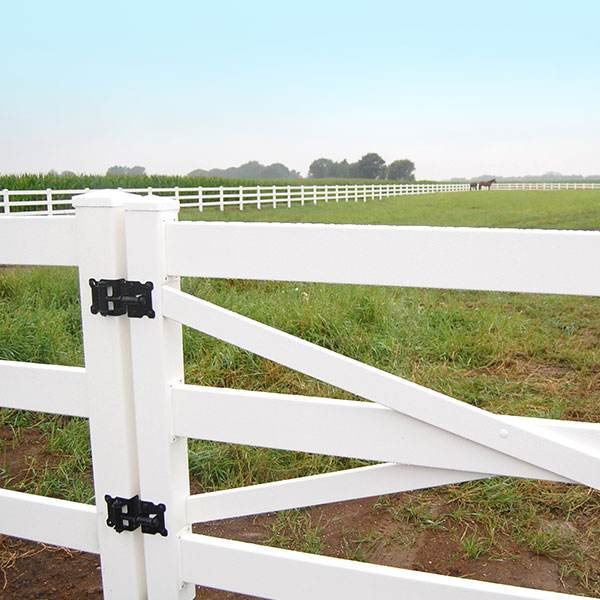
For gates — which take the most mechanical stress of any fence component — use heavy-duty hinges rated for the gate weight, and always add a diagonal brace to prevent sagging. See the available vinyl fence gate configurations and match the gate width to your post spacing before ordering.
How to Match the Right Panel to Your Property
The right panel comes down to three questions: What are you blocking? What does your property's architecture look like? And what's your local HOA or zoning situation?
For full backyard privacy from neighbors or a busy street, a 6-foot full-privacy panel is the standard answer. If you need height — above a deck railing or second-floor line of sight — step up to 8 feet and confirm your local height limit first. For front yards where a solid wall would feel heavy, a lattice-top panel gives you 80% of the privacy with significantly better curb appeal.
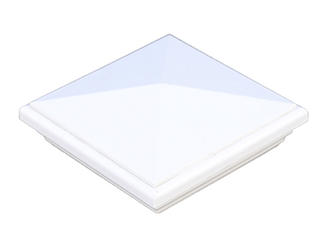
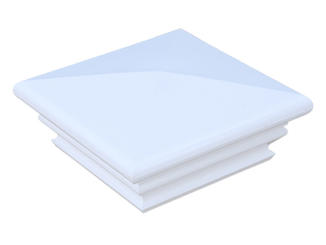
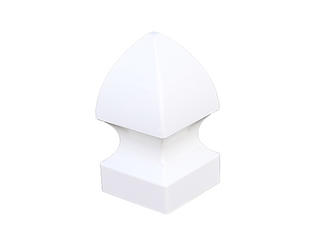
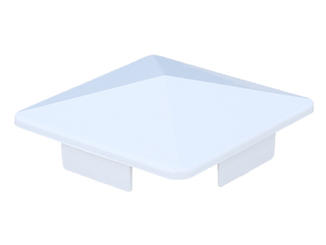
Don't overlook accessories. Post caps, brackets, and rail connectors affect both the finished look and the structural integrity of the fence. Matching vinyl fence caps and brackets keep water out of hollow posts and prevent the stress fractures that open up around rail connections over time.
Buy panels rated for your climate. A fence in coastal Florida faces UV and salt air. A fence in Minnesota faces sub-zero temperature swings and heavy snow loads. Neither challenge is unusual — both are manageable with the right material specification and post reinforcement strategy. The fence you install this year should still be standing in 25 years without a repair call.
 No. 142 Xinxiqiao, Linan, Hangzhou City, Zhejiang Province, 311300, China
 0086-180 5608 2316
 sales@fentechfence.com