 WELCOME TO HANGZHOU FANTAI PLASTIC CO., LTD.
  0086-180 5608 2316
 sales@fentechfence.com
 English
  中文简体
中文简体

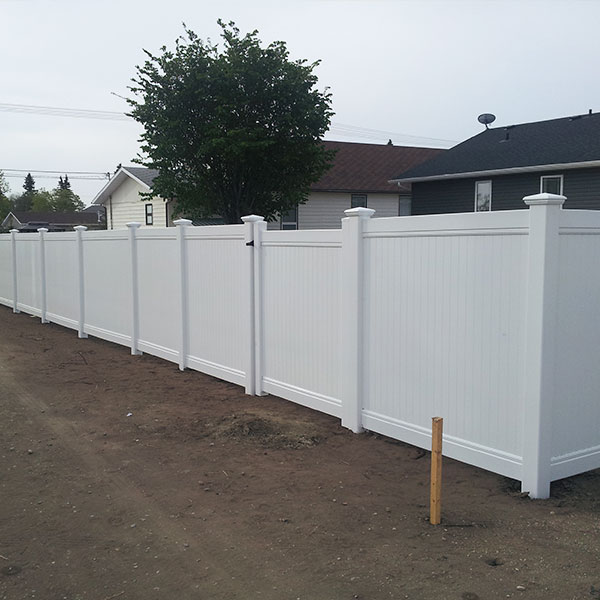
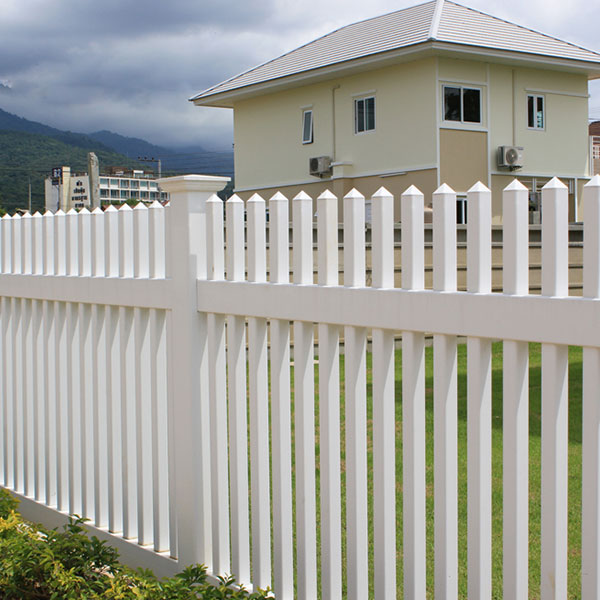
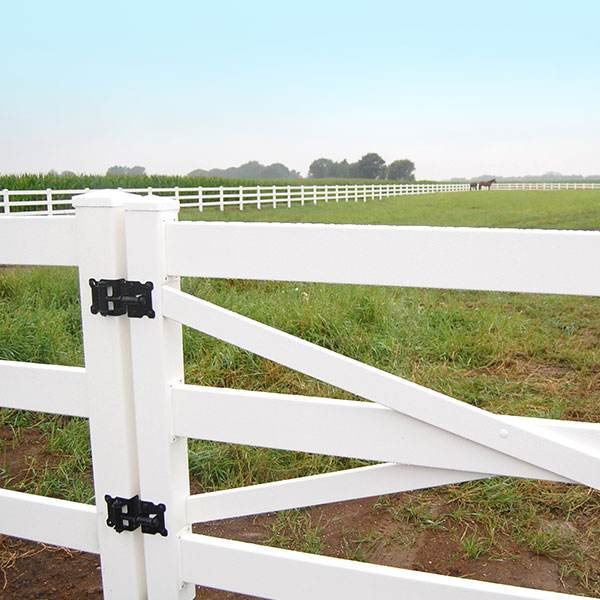
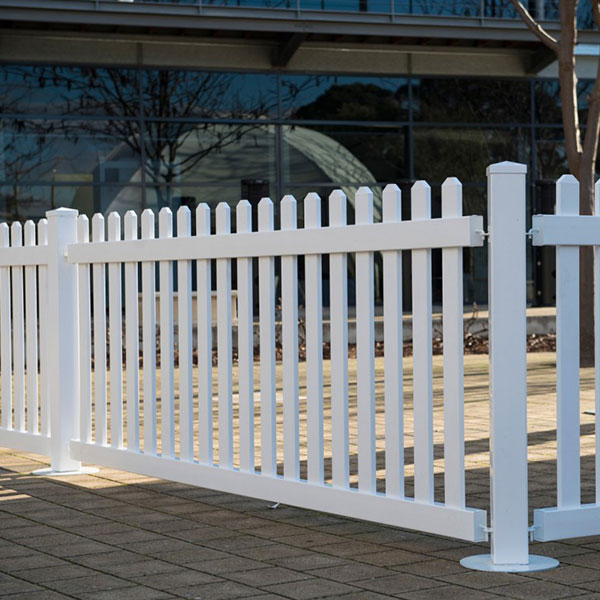
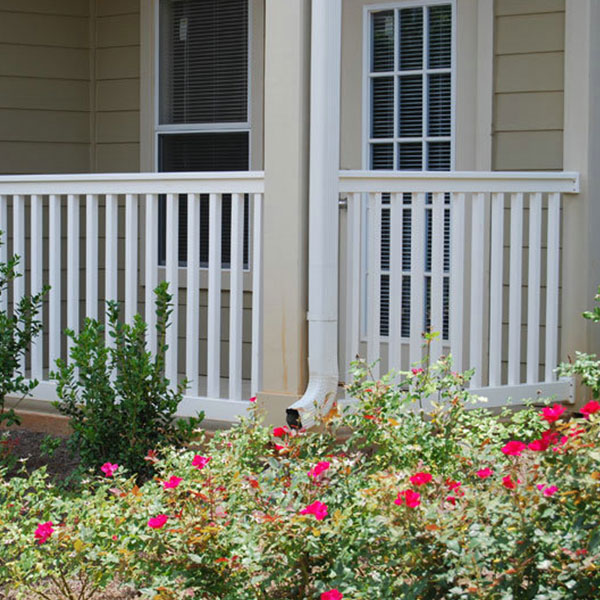
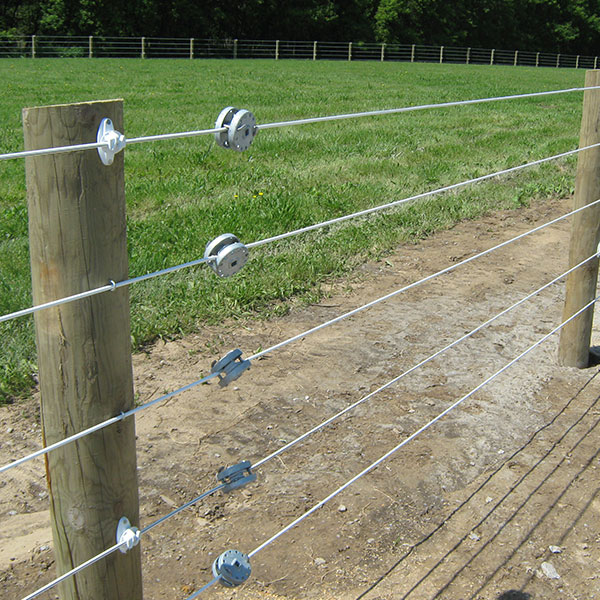
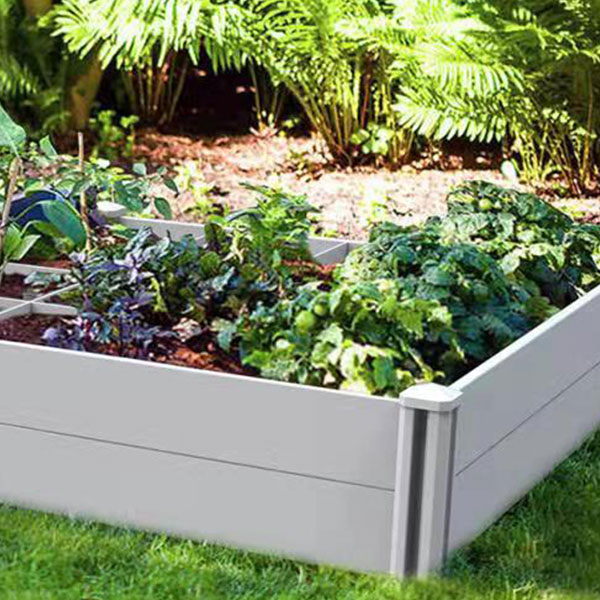

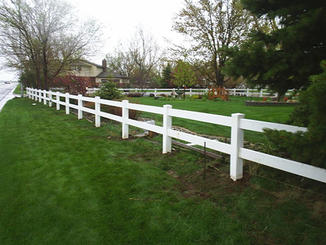
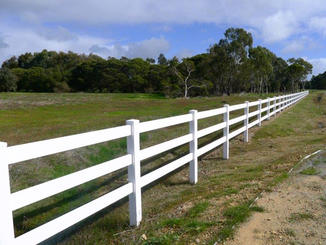
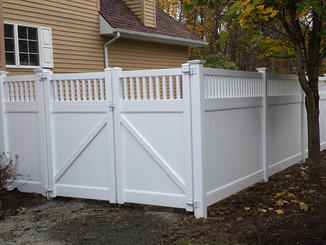
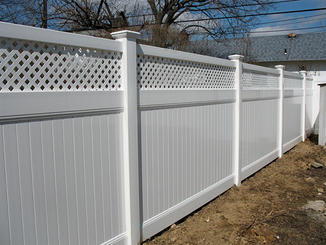
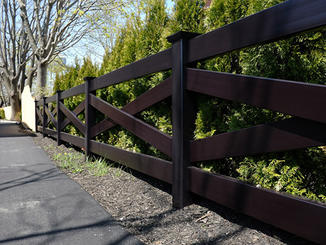
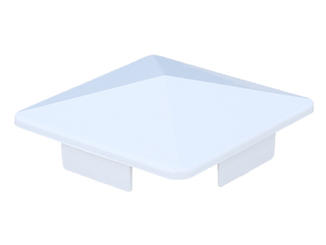
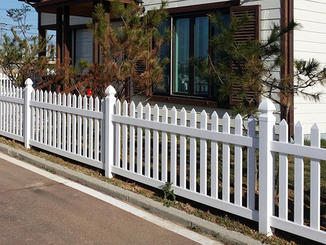

We are professional China Custom Vinyl Fence Manufacturers with fences virgin PVC/Vinyl material and UV Protected.
Content
- 1 What Most Homeowners Get Wrong When Choosing a Privacy Fence
- 2 Why Vinyl Outperforms Wood Over Time
- 3 The 3 Specs That Actually Separate Quality Fence Panels
- 4 Standard Sizes and What They Mean for Your Project
- 5 Tongue-and-Groove vs. Routed Rail: Which Assembly Style is Right for You?
- 6 Color and Style: More Options Than You Think
- 7 A Short Maintenance Checklist That Extends Fence Life Significantly
- 8 The Bottom Line Before You Buy
What Most Homeowners Get Wrong When Choosing a Privacy Fence
They focus on price per panel. Then, five years later, they're dealing with warped boards, faded color, and a fence that looks ten years older than it is. Choosing the right vinyl privacy fence panels isn't complicated — but it does require knowing which three or four factors actually determine long-term performance.
This guide cuts straight to those factors so you can buy once and be done.
Why Vinyl Outperforms Wood Over Time
Wood fencing typically lasts 15 to 20 years — and only with regular staining, sealing, and pest treatment. A quality vinyl privacy fence, by contrast, lasts 25 to 30 years or more with almost zero maintenance. Premium grades with UV inhibitors can push past 50 years.
The reason is the material itself. PVC doesn't rot, warp, splinter, or attract termites. It holds its shape in humid summers and freezing winters alike. While vinyl costs more upfront — typically $13–$22 per linear foot versus $7–$15 for wood — the elimination of annual maintenance alone makes it 20–40% less expensive over a decade.
For most homeowners, that math is straightforward. You're not buying a fence. You're buying years of not thinking about your fence.
The 3 Specs That Actually Separate Quality Fence Panels
Not all fence panels are created equal. Here's what to check before ordering:
- Wall thickness. Budget panels from big-box stores often use thin walls that crack under impact and flex in wind. Professional-grade panels use thicker walls with impact modifiers that keep the material flexible under stress rather than brittle.
- UV stabilizers. Titanium dioxide is the additive that prevents fading and yellowing under direct sunlight. Without it, white panels turn cream, then yellow, within a few years. Always confirm the product uses UV-inhibited PVC.
- Rail reinforcement. On wider panels (94 inches and above), rails should include an internal metal insert to prevent sagging over time. A panel that looks fine on day one can bow noticeably mid-span after a few summers without this feature.
Panels that hit all three specs cost more — but they're the ones still standing straight 20 years from now.
Standard Sizes and What They Mean for Your Project
PVC fence panels come in widths from 70 to 96 inches, with heights ranging from 4 to 8 feet. The most common residential choice is 6×8 feet — tall enough for true backyard privacy, wide enough to cover ground efficiently.
If your yard has a slope, you have two installation options: racking (angling the panel to follow the grade) or stepping (keeping panels level with ground gaps filled beneath). Standard panels can rack about 4 inches over an 8-foot span. For steeper slopes, the picket ends need to be trimmed at an angle before installation. Both methods work well when planned ahead — the mistake is discovering the slope only after the posts are set.
Always check local codes before purchasing. Heights above 6 feet often require a permit, and pool enclosures in many jurisdictions must meet ICC safety standards.
Tongue-and-Groove vs. Routed Rail: Which Assembly Style is Right for You?
Most privacy fence panels use one of two construction approaches. Tongue-and-groove pickets lock together edge-to-edge, creating a solid surface with no visible gaps. Routed rails have individual pickets inserted into slots — cleaner-looking from the outside, but slightly more variable in tightness over time.
For true privacy (no sight lines), tongue-and-groove is the better choice. The interlocking design also handles wind better because the load distributes across the full panel rather than individual pickets.
Side channels on both ends of a panel matter too. They conceal any cuts made during installation — useful when fitting panels against a gate post or wall where the full 8-foot width won't fit.
Color and Style: More Options Than You Think
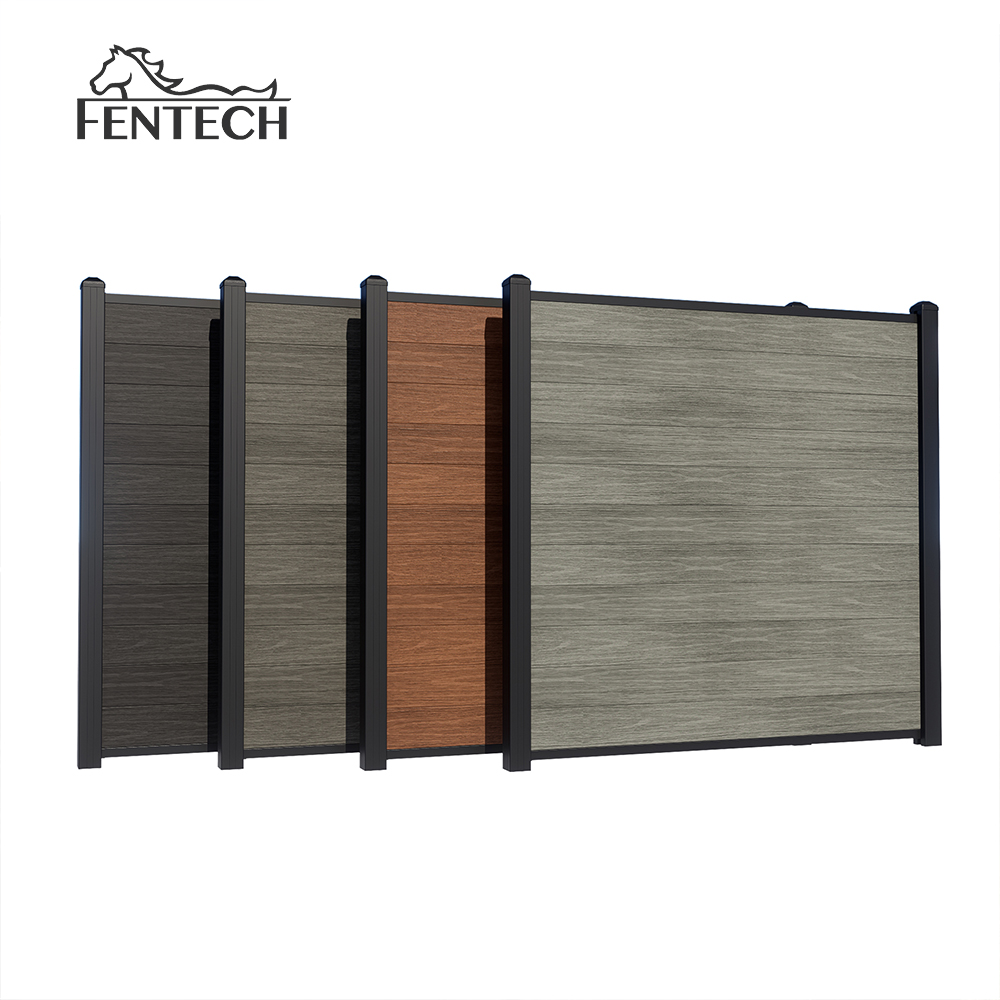
The days of white-only vinyl are long gone. Today's vinyl fence panels come in white, tan, beige, clay, gray, and wood-grain textures that convincingly mimic cedar or redwood — without any of the upkeep. Dark colors absorb more heat, which can cause minor expansion in extreme climates, so lighter shades remain the most stable choice in hot regions.
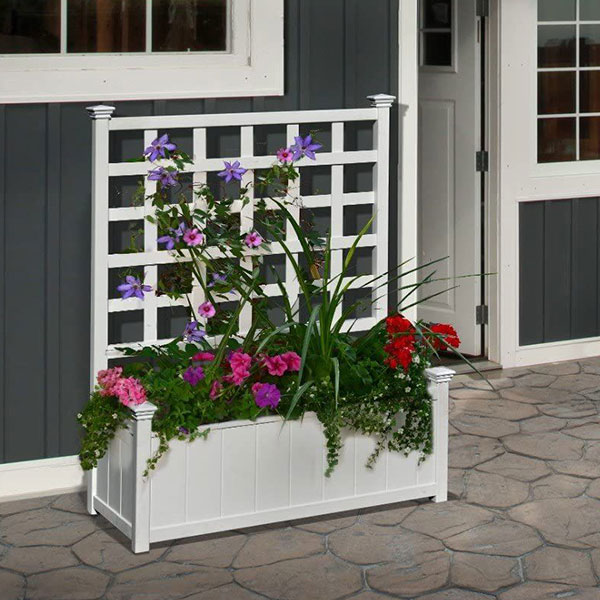
Style variations include flat-top privacy, decorative lattice toppers for added airflow and visual interest, and scalloped profiles for a softer aesthetic. Lattice tops are especially popular where complete visual blocking isn't required and where plants might climb the fence over time.
Whatever you choose, ensure the color runs through the full thickness of the material — not just a surface coat. Surface-only color chips and scratches; through-body color doesn't.
A Short Maintenance Checklist That Extends Fence Life Significantly
Vinyl is low-maintenance, not zero-maintenance. Two rinses per year with a garden hose removes dirt, mildew, and airborne residue before they stain permanently. For stubborn spots, a diluted bleach solution (1:10 ratio) handles mildew without damaging the material.
Check post bases annually. The panel surface may look perfect while a post has shifted due to freeze-thaw soil movement — catching that early prevents a section from leaning into a full lean. If a single picket cracks from impact, most tongue-and-groove panels allow individual replacement without tearing out the whole section.
For anything structural — a leaning post, a panel that's pulled away from the rail, or visible post-base deterioration — get a professional assessment before it compounds into a larger repair.
The Bottom Line Before You Buy
A privacy fence is a 25-year decision. The homeowners who regret it almost always cut corners on wall thickness or UV protection to save a few dollars per panel. The ones who are satisfied almost always say they wish they'd done it sooner.
Match the height to your actual privacy needs, confirm the panel specs (wall thickness, UV inhibitors, rail reinforcement), check local permit requirements, and buy from a supplier who stands behind the product with a real warranty. Do those four things and you're unlikely to go wrong.
 No. 142 Xinxiqiao, Linan, Hangzhou City, Zhejiang Province, 311300, China
 0086-180 5608 2316
 sales@fentechfence.com