 WELCOME TO HANGZHOU FANTAI PLASTIC CO., LTD.
  0086-180 5608 2316
 sales@fentechfence.com
 English
  中文简体
中文简体

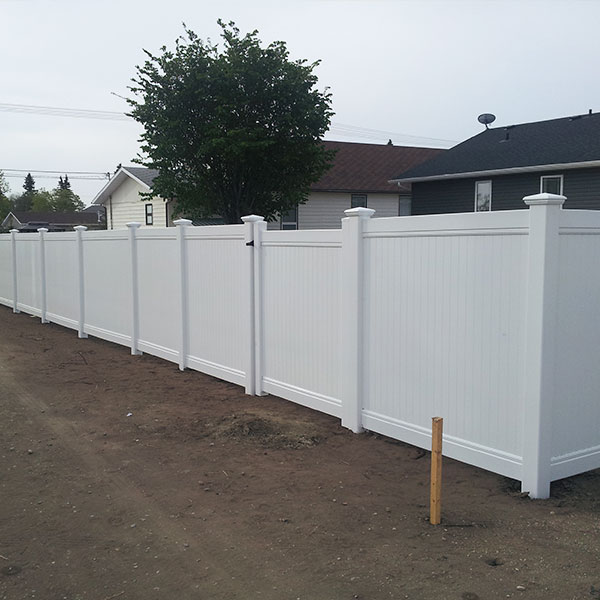
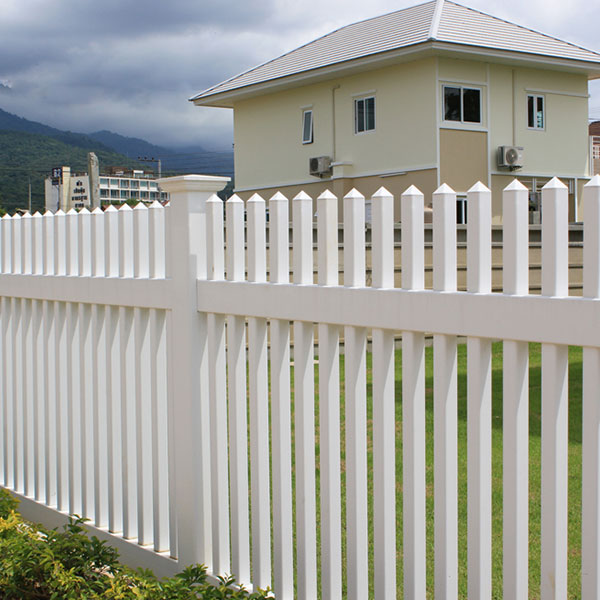
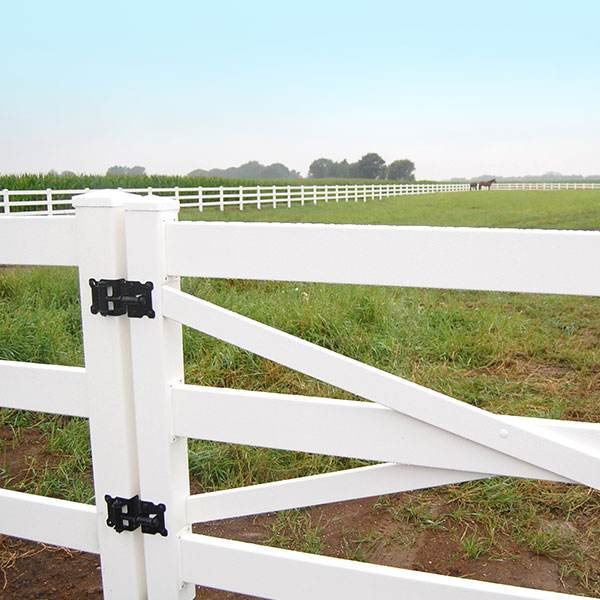
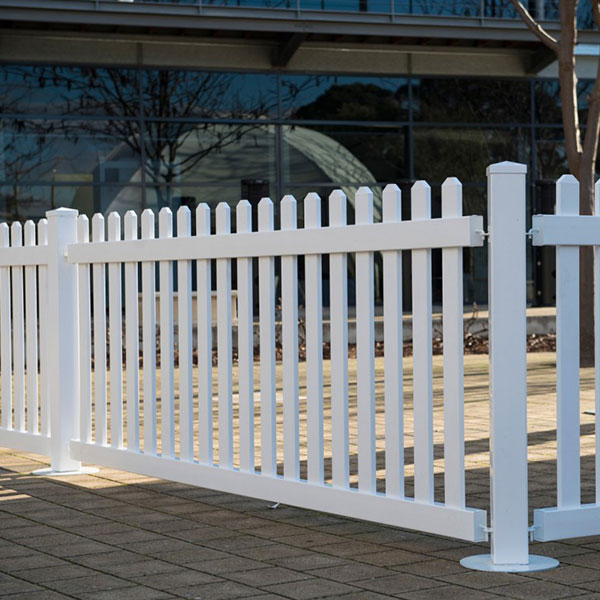
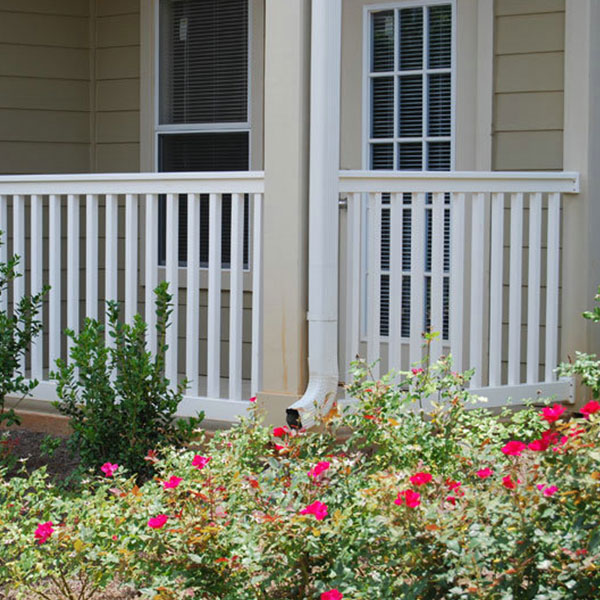
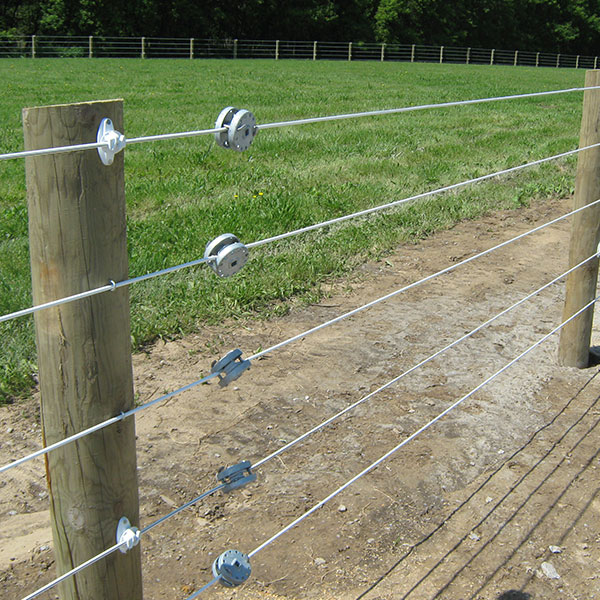

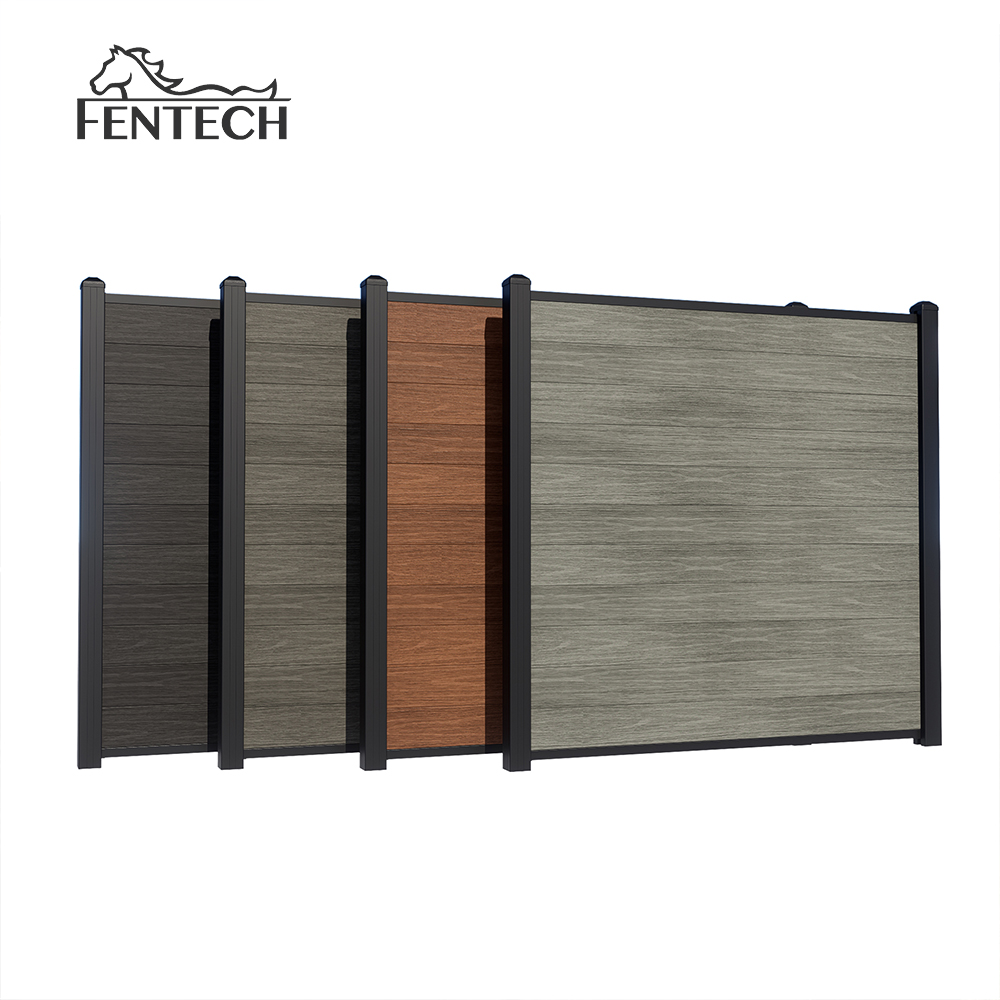
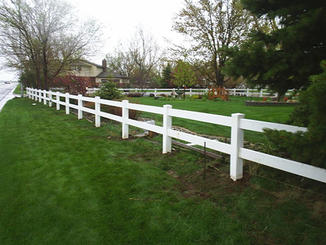
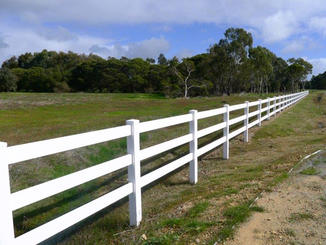
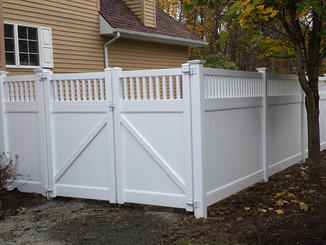
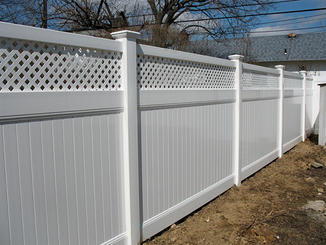
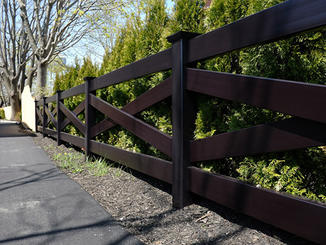
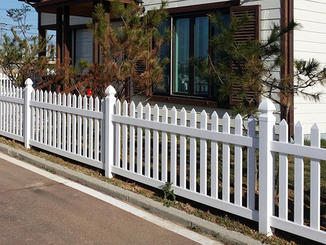

We are professional China Custom Vinyl Fence Manufacturers with fences virgin PVC/Vinyl material and UV Protected.
Content
Cost Comparison: Upfront Price vs. Long-Term Value
Most homeowners start with the sticker price and end with regret when they ignore what happens after the fence is installed. The decision between plastic and wood fencing is rarely won by the lower upfront number alone. Understanding total cost of ownership (TCO) over 10, 20, and 30 years makes the trade-off clear.
Wood fences usually cost less to buy, but plastic fences cost far less to own. A pressure-treated pine privacy fence may run $12‒$22 per linear foot installed in many U.S. markets, while a vinyl (plastic) privacy fence typically lands between $17‒$35 per linear foot. The gap vanishes when maintenance enters the equation.
| Factor | Wood Fence | Plastic (Vinyl) Fence |
|---|---|---|
| Installed cost (per lin. ft.) | $12‒$22 | $17‒$35 |
| Typical maintenance cycle | Stain/seal every 2‒4 years | Occasional wash only |
| 20-year maintenance cost (est.) | $4,000‒$8,000+ | Less than $200 |
| Expected service life | 15‒20 years | 30+ years |
These averages shift by region and labor, but the pattern holds: when you include staining, sealing, and replacing rotted boards, wood fencing often surpasses plastic in cumulative cost well before year 15. For buyers planning to stay in a home longer than a typical mortgage cycle, the vinyl fence establishes a measurable financial advantage.
Durability & Lifespan: How Long Will They Last?
Fence failure rarely announces itself until a post leans or a panel splinters. That’s when the hidden weaknesses of each material become expensive problems. The biological war wood fights underground and the chemical resilience built into modern plastics define the long-term outcome.
Resistance to Rot, Insects, and Moisture
Wood absorbs water, even when pressure-treated. Ground contact invites fungal decay and termites. In humid climates, a cedar or pine fence can show structural damage within five to seven years unless meticulously maintained. Plastic PVC and ASA-capped vinyl do not absorb moisture, so they are immune to rot and completely unappealing to wood-boring insects. which is more durable: wood or vinyl fence becomes a simple question when you examine what causes fences to fail—water infiltration is the root cause, and vinyl eliminates it.
UV Stability and Temperature Tolerance
Modern plastic fences are engineered for decades of full sun without cracking or yellowing. Early vinyl got a bad reputation for becoming brittle in cold climates, but co-extruded layers with ASA acrylic or advanced titanium dioxide UV inhibitors now keep the material stable from -40°F to over 120°F. Wood, on the other hand, expands and contracts with moisture fluctuations, leading to warping and splitting. UV-stabilized formulations, like those used in a flat-top vinyl privacy fence, prevent surface degradation that would otherwise weaken a fence over time.
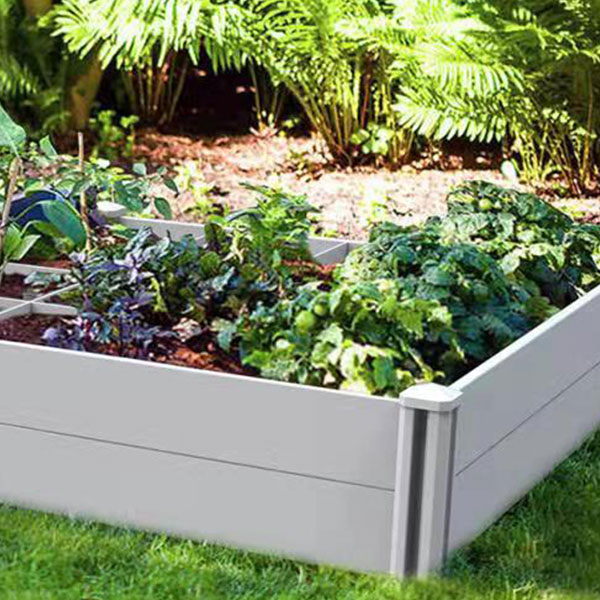
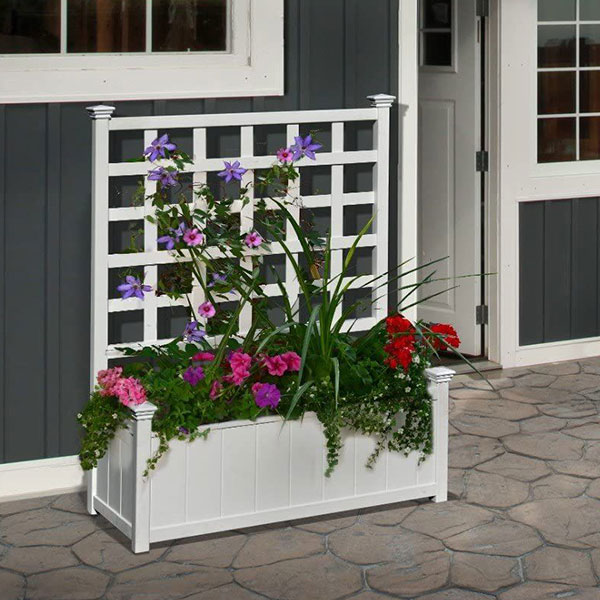
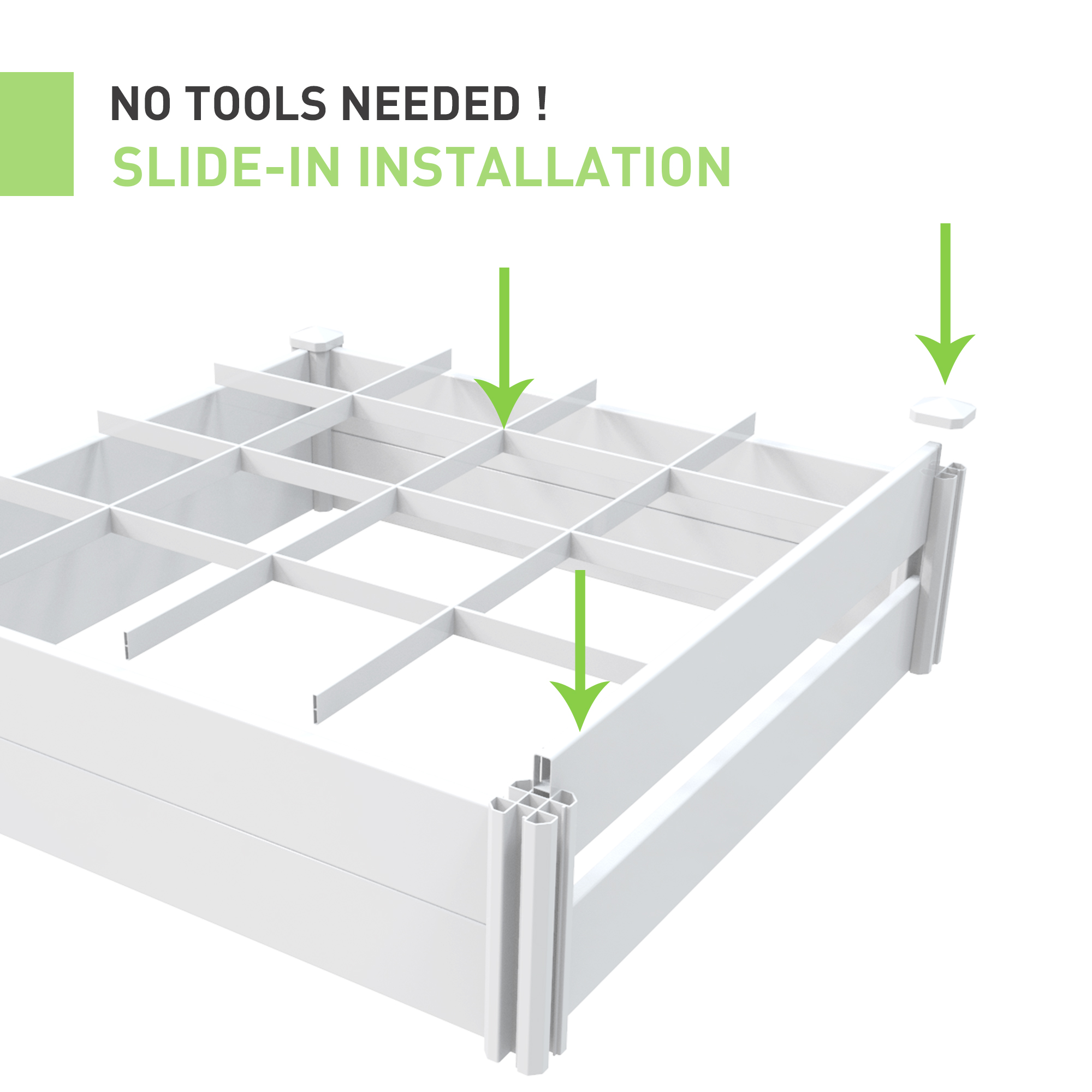 Custom Fentech Plastic Pvc Vinyl Raised Garden Bed Suppliers, OEM Factory - HANGHANGZHOU FANTAI PLASTIC CO. LTD is China Custom Fentech Plastic Pvc Vinyl Raised Garden Bed Suppliers and OEM Factory, [HIGH QUALITY MAT...View Product →
Maintenance Requirements: Time & Effort
Weekends spent power-washing, sanding, and staining are a hidden cost many buyers underestimate. Plastic eliminates that calendar obligation almost entirely, and that difference alone sways a growing number of homeowners.
A wood fence demands an inspection every spring, replacement of splintered pickets, and a full stain or seal application every two to four years depending on exposure. In dry, sunny regions that interval shortens. Vinyl fence maintenance rarely goes beyond rinsing with a garden hose and mild soap to remove pollen and grime. No sanding, no chemicals. For details on keeping PVC looking new, how to clean a vinyl fence outlines the minimal steps required.
Aesthetics & Customization
Wood’s Natural Appeal
Wood offers warmth and traditional charm that many homeowners find irreplaceable. It can be painted or stained to match any palette, and premium species like red cedar deliver a rich grain that feels authentic. However, color renewal is mandatory, and unless you commit to ongoing upkeep, the fence will weather to a gray patina within a few years.
Vinyl’s Design Flexibility
Plastic fencing comes in a broader range of built-in colors—bright white, almond, tan, clay, and even wood-grain textures that approximate the look of painted lumber. The color runs through the capstock or the entire profile, so scratches remain nearly invisible. The trade-off is clear: you pick a color once and live with it for decades. While you cannot re-stain vinyl, the consistent appearance year after year without fading often appeals to buyers who value low-maintenance esthetics.
Environmental Impact: Which Is Greener?
This debate often centers on raw material sourcing, but the full lifecycle tells a different story. Wood is renewable and can carry FSC certification, yet frequent replacement cycles mean a wooden fence may be discarded and rebuilt two or three times within the lifespan of a single plastic fence. That repetition magnifies harvesting pressure and landfill volume.
Vinyl fencing, when manufactured with lead-free stabilizers and recycled content, can be the more resource-efficient choice on a 50-year timeline. Many modern PVC formulas are 100% recyclable at the end of their useful life, and industry take-back programs are growing. Additionally, the absence of stain, sealant, and chemical wood preservatives reduces the ongoing environmental load compared to wood fence maintenance routines.
Installation Complexity
Wood fencing has the advantage of easily modified lengths—you can cut a picket with a circular saw on site and adjust to uneven terrain. That makes it a favorite for experienced DIYers. Vinyl requires more careful initial layout because post spacing and panel dimensions are fixed; cutting vinyl usually calls for a fine-tooth blade and attention to thermal expansion gaps.
Professional crews often prefer vinyl installations after initial training because pre-routed rails and snap-together brackets reduce on-site time. The real financial risk in a wood install is the callbacks: posts that warp or panels that pull away from fasteners within the first two seasons eat into contractor margins and home-maintenance budgets alike.
Conclusion: Which Should You Choose?
The right answer depends on your time horizon and tolerance for weekend chores. If upfront budget dictates every decision and you plan to sell within five years, a quality wood fence installed with proper gravel footing and stainless fasteners still makes sense. For anyone who wants to build once and devote their Saturdays to something other than stain brushes, plastic fencing is the superior long-term investment.
Advantages and disadvantages of vinyl fencing can help you evaluate specific features, but the core trade-off remains straightforward: wood wins on initial price, plastic wins on total cost, durability, and freedom from maintenance. Choose the material that aligns with the way you want to live with your fence, not just the day you install it.
 No. 142 Xinxiqiao, Linan, Hangzhou City, Zhejiang Province, 311300, China
 0086-180 5608 2316
 sales@fentechfence.com