 WELCOME TO HANGZHOU FANTAI PLASTIC CO., LTD.
  0086-180 5608 2316
 sales@fentechfence.com
 English
  中文简体
中文简体


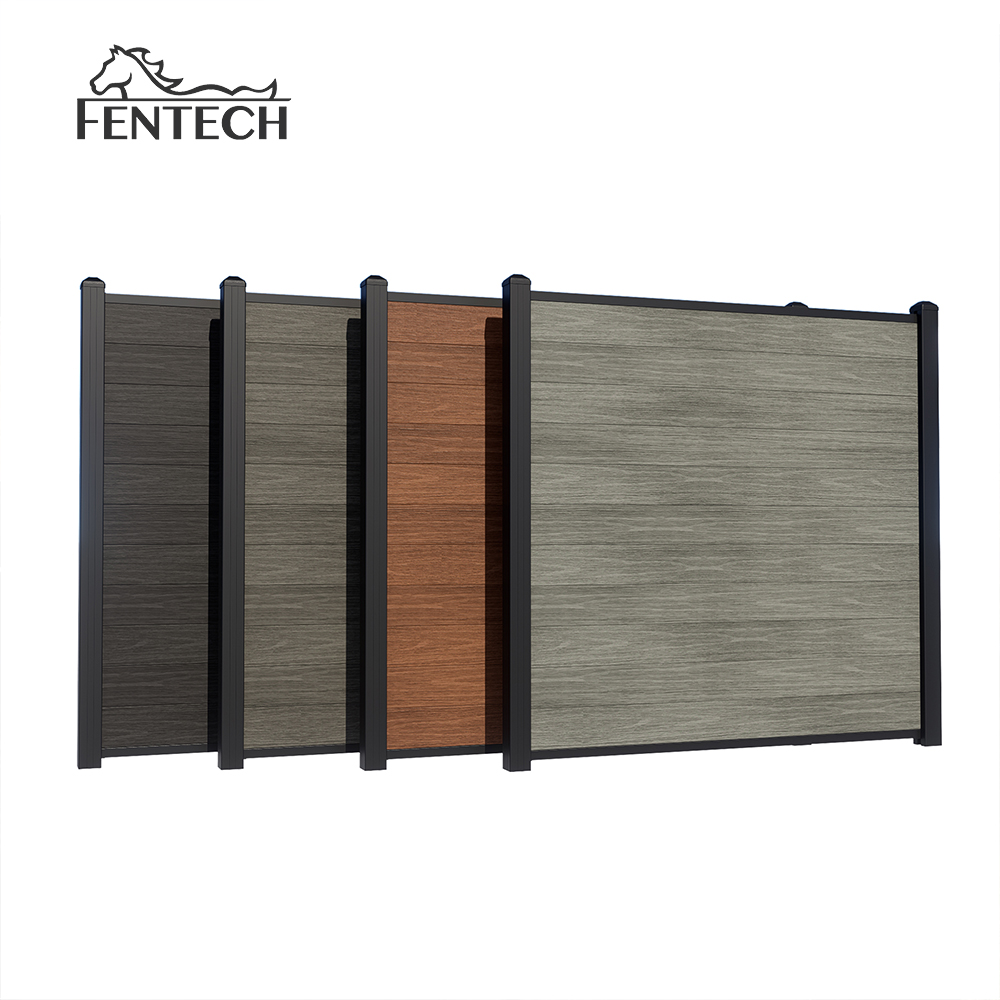
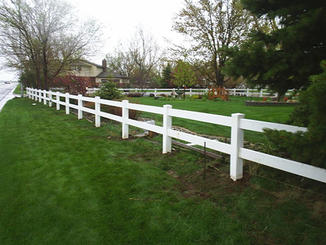
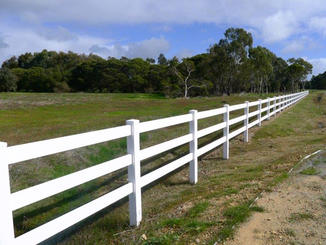
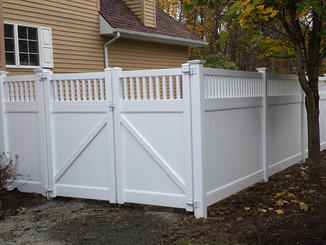
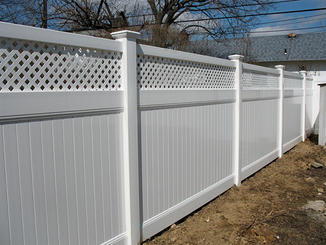
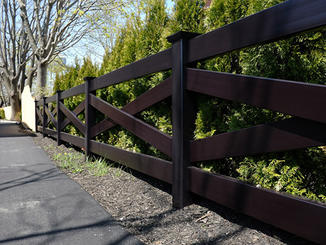
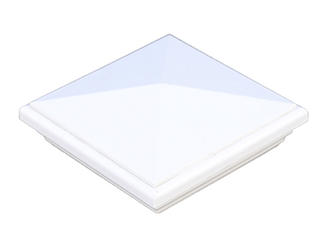
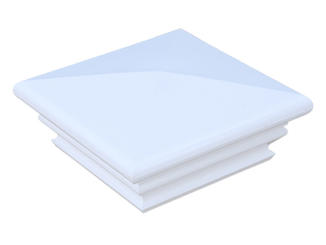
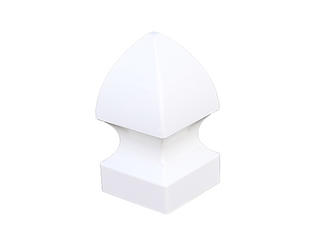

We are professional China Custom Vinyl Fence Manufacturers with fences virgin PVC/Vinyl material and UV Protected.
Content
A cedar privacy fence that looks sharp the day it goes up starts showing gray, checked boards by year three or four, and the restaining cycle begins again every two to three seasons. When a repair quote lands on top of that maintenance bill, most owners start searching for a wood fence alternative. Here is the short answer: for privacy, picket, and post-and-rail projects, vinyl (PVC) fencing is the closest one-for-one replacement, because it is produced in the same 6ft x 8ft panel heights, 2x6 rails, and 4x4 or 5x5 posts that timber fences use, while removing painting, sealing, and rot repair from the ownership equation. Composite, metal, and wire systems each solve different problems, and the sections below map out where each one fits and what to check before you buy.
Why Property Owners Move Away from Wood Fencing
Wood does not fail randomly; it fails on a schedule. Exposed end grain wicks water, horizontal rails hold moisture against their bottom face, and panels warp or split as they cycle between wet and dry conditions. On shaded or poorly drained lots, rot usually appears first at post shoulders and rail ends. Termites and carpenter ants add a second failure path across much of the country.
The maintenance cycle is the larger cost. A stained or painted wood fence needs refinishing every two to three years, and each round means washing, scraping, replacing cracked boards, and buying material that never appears in the original fence budget. Spread across 15 years, that labor and material often rivals the initial installation price.
Upfront, pressure-treated lumber is still the cheapest fence to buy, and that is why it remains common on acreage and rural boundaries. The real decision is whether the owner will actually perform the upkeep the material demands. If you are weighing the two directly, this breakdown of wood fence vs. vinyl fence durability explains how each material holds up over time.
The Main Non-Wood Fencing Materials, Compared
Vinyl (PVC) Fencing
Vinyl fence is made from rigid PVC extruded into panels, posts, and rails, with color and UV stabilizers mixed through the profile rather than applied as a surface coat. That construction removes painting and sealing entirely, makes the material unattractive to insects, and means a scratch does not expose raw timber underneath. Well-formulated profiles hold their color under strong sunlight and keep their performance in freezing temperatures. The style range mirrors wood: solid privacy, semi-privacy, closed-top and picket-top picket fencing, post-and-rail, and lattice. The points to verify are wall thickness and impact rating, since thin, over-foamed profiles are the ones that crack under a sharp blow in deep cold.
Composite Fencing
Composite boards blend wood fiber with recycled plastic, which produces a heavier panel with a textured, timber-like face and strong privacy performance. It resists rot and termite damage and usually carries the highest upfront price among the common alternatives. Posts generally require internal steel or aluminum reinforcement, and some surface fading in the first seasons is normal.
Metal, Chain Link, and Wire Systems
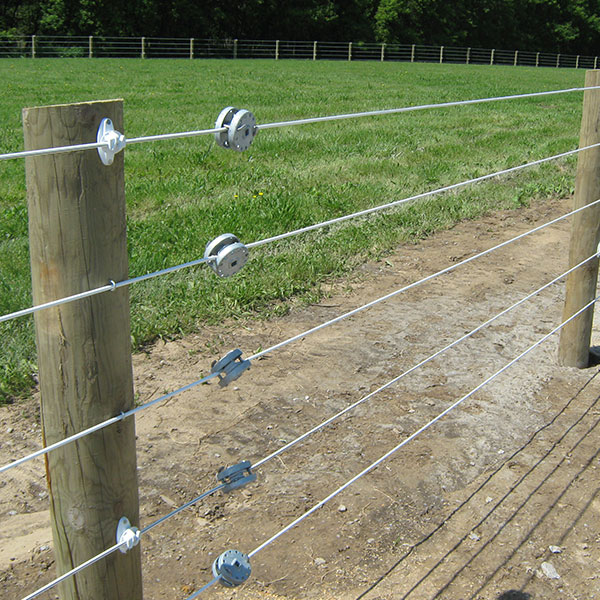
Ornamental aluminum and steel deliver boundary definition and security with minimal upkeep, while chain link remains the lowest-cost option for large perimeters, pet runs, and job sites. Welded wire and high-tensile designs handle deer exclusion and livestock control. What these systems do not provide is a solid, timber-style visual barrier, so they suit buyers replacing the function of a wood fence rather than its appearance.
| Material | Upfront cost | Routine maintenance | Typical service life | Best fit |
|---|---|---|---|---|
| Wood (treated pine) | Lowest | Stain or paint every 2-3 years; board replacement | 10-15 years with upkeep | Budget builds, natural appearance |
| Vinyl (PVC) | Moderate to high | Rinse as needed; mild detergent for stains | 20-30 years | Privacy, picket, and ranch rail replacements |
| Composite | Highest | Occasional washing | 25 years and up | Wood-look privacy at a premium budget |
| Chain link | Low | Check tension, fittings, and coating | 20 years and up (galvanized) | Perimeters, pets, job sites |
| Ornamental metal | Moderate to high | Inspect coating and hardware | 20 years and up | Security, front yards, pool enclosures |
Vinyl Styles That Replace the Most Common Wood Builds
Because vinyl is extruded rather than milled, manufacturers can reproduce nearly every classic wood silhouette at standard lumber dimensions, which is what makes a material swap straightforward instead of a full redesign.
Solid Privacy Panels
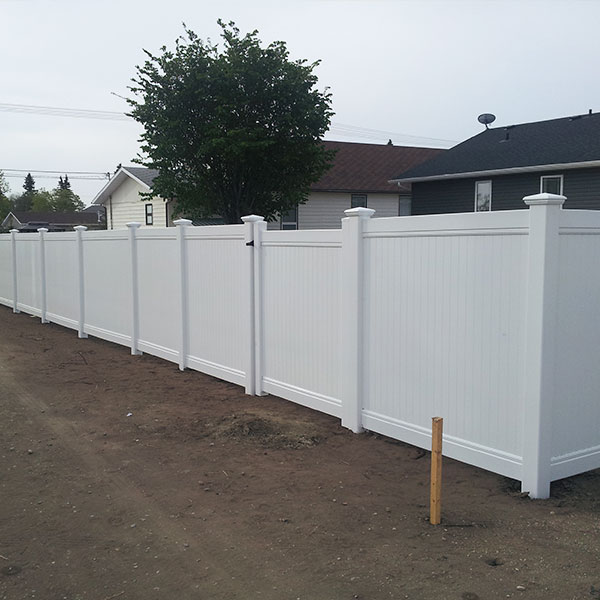
The workhorse replacement is a 6ft x 8ft tongue-and-groove privacy panel set on 2x6 rails and 5x5 posts, available in full-privacy and semi-privacy versions for shadow-box style layouts. Interlocking boards block sightlines completely and add measurable wind buffering, and each panel ships as a finished unit, so installation becomes a post-setting exercise rather than a carpentry job.
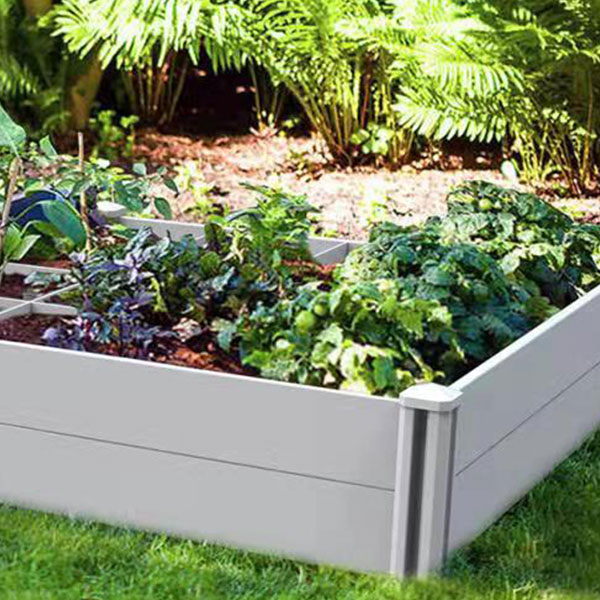
FTF01 flat top vinyl privacy fence panel with 2x6 rail and tongue-and-groove boards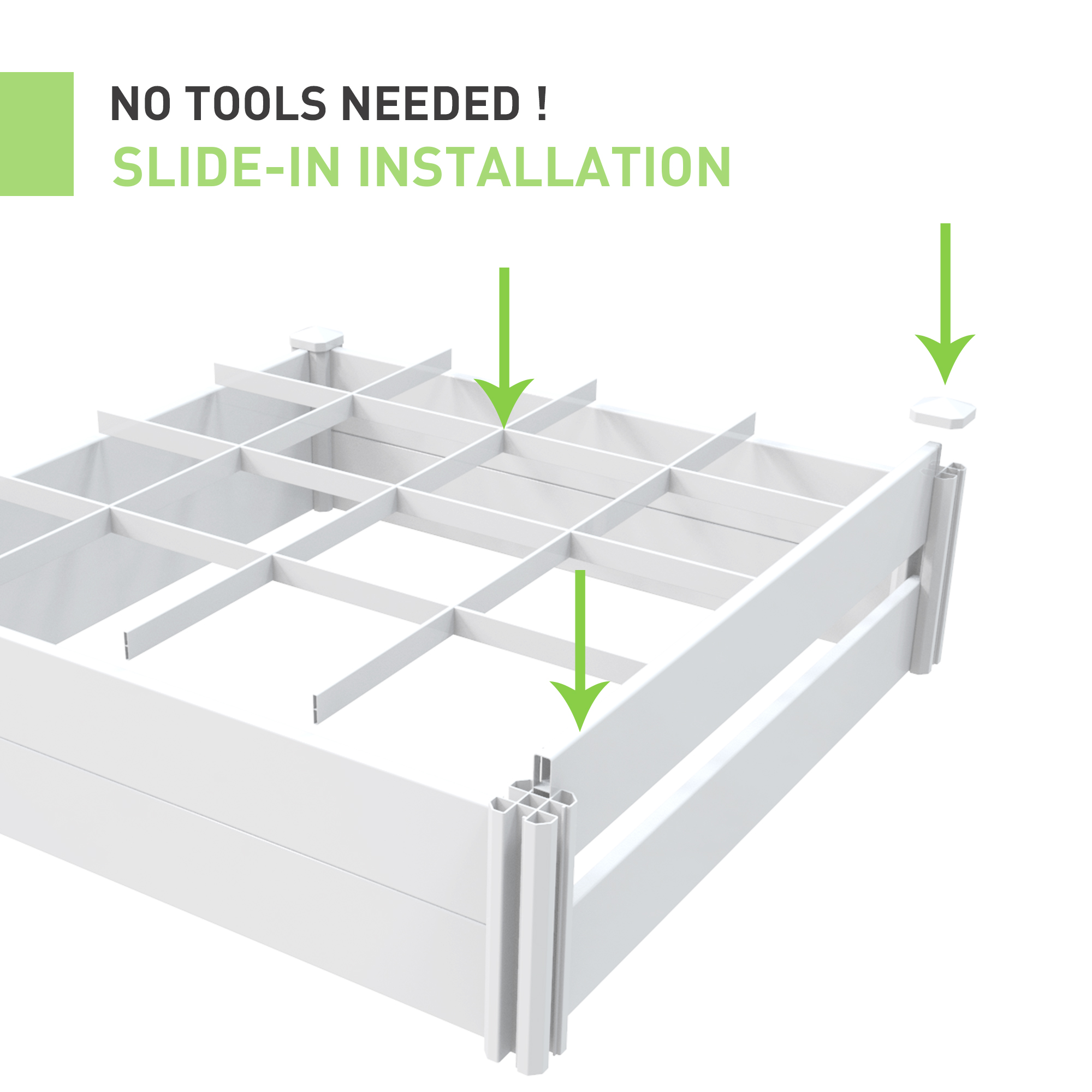 Fentech PVC Vinyl Raised Garden Bed, 45 x 45 x 13.3 InchesA tool-free PVC raised bed with grid planting layout and open bottom for drainage, sized for vegetables, herbs, and flowers. It follows the article's shift from fencing into garden-grade vinyl products suited to outdoor seasonal use.View Product →
Picket Fencing
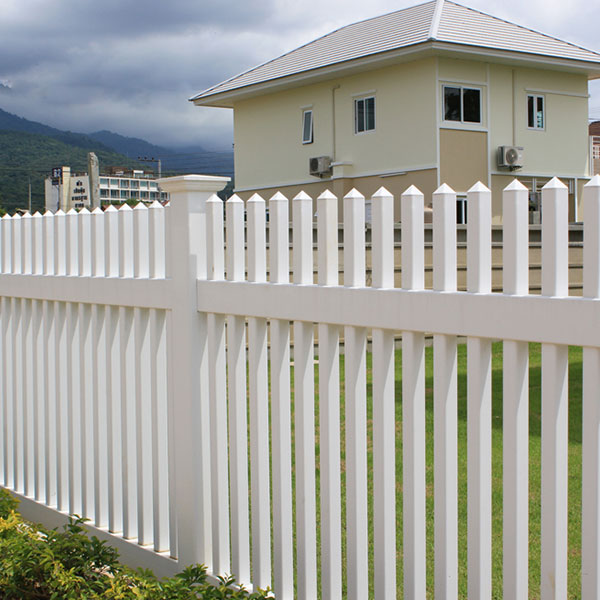
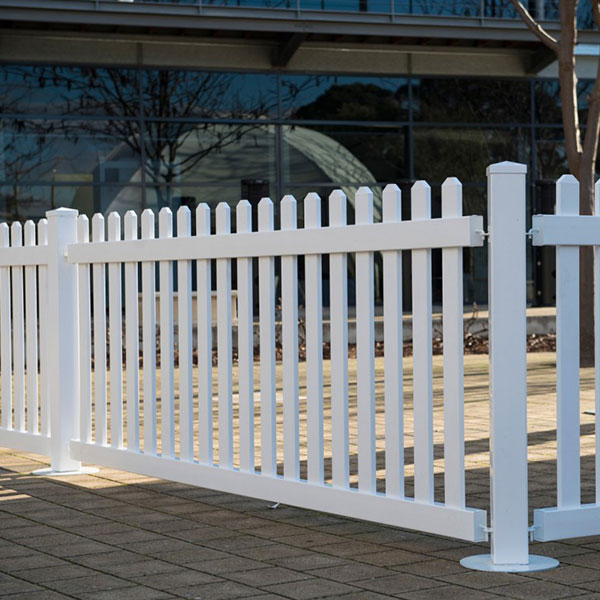
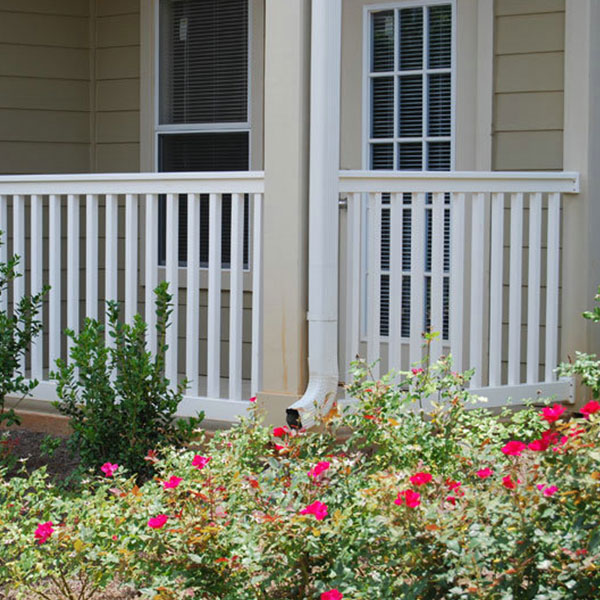
For front yards and gardens, vinyl picket fencing comes in closed-top designs with a clean square rail for a contemporary look and traditional pointed picket tops for cottage styling. Spacing, picket width, and height follow the same conventions as wood builds, and matching gates are made to complete the run.
FT-P01 vinyl picket fence with traditional pointed tops FT-P01 Good Neighbor Vinyl Picket Fence Panel, 7/8 x 3 Inch PicketsThis picket panel offers 7/8 x 3 inch pickets with reinforced bottom rail, matching gates, and heights from 36 to 72 inches, illustrating the front-yard vinyl picket styles and conventions described around it.View Product →
Post-and-Rail Fencing
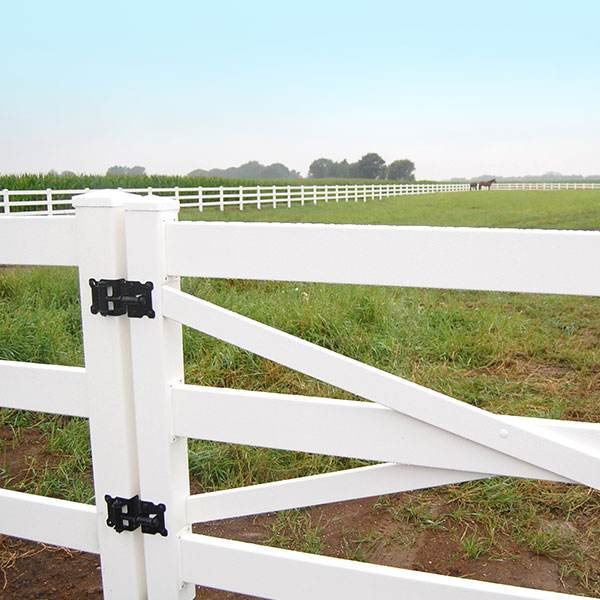
Pasture, ranch, and equestrian lines translate directly into 2x6 vinyl rails in two- or three-rail configurations on 5x5 posts. This is the category where vinyl has arguably pulled furthest ahead of wood, because horses that crib leave the PVC rails untouched, and flexible rail systems are designed to give on impact instead of splintering into sharp edges.
vinyl post and rail fence panels for ranch and pasture lines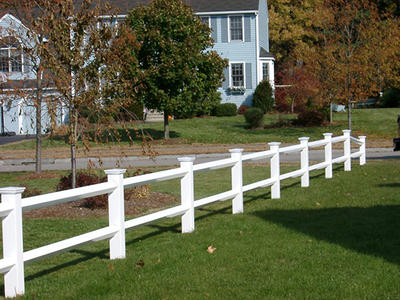 FT-H01 2-Rail Vinyl Post & Rail Fence for Horse and Ranch UseA two-rail vinyl horse fence with notched rails, pre-routed 5x5 posts, and UV resistance, exemplifying the ranch and equestrian systems noted for standing up to cribbing and impact without splintering.View Product →
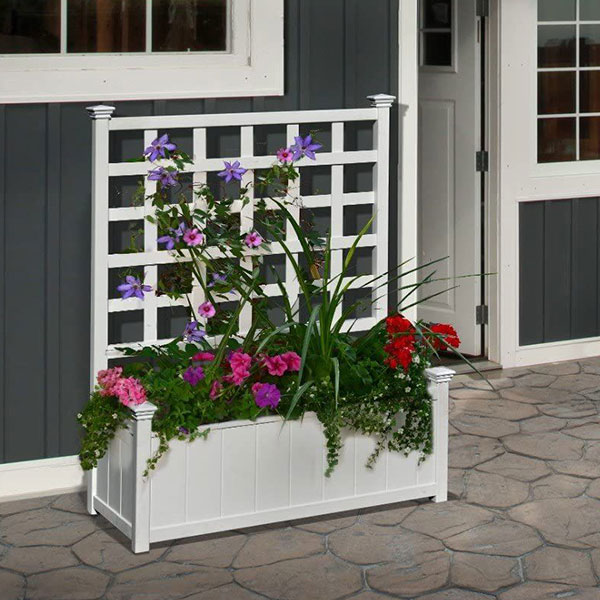
Lattice rounds out the range: classic garden lattice that supports climbing plants and lattice-top privacy panels that soften a tall fence line. Fentech produces all of these styles on its own extrusion lines, which is what allows mixed containers of privacy, picket, and rail systems to ship with consistent color and wall thickness.
How to Choose the Right Alternative for Your Property
- Define the job before the material. Privacy screening, boundary marking, pool code compliance, and livestock containment each point to a different answer, and a material swap only makes sense if the new fence still performs the original function.
- Match the material to the climate. High-UV regions demand stabilized formulations, freeze-thaw regions need impact-modified PVC, and coastal sites favor materials that ignore salt air rather than coated steel that eventually corrodes.
- Check the terrain. Sloped runs need racked panels or a stepped installation plan, and that has to be confirmed with the panel system before ordering, not discovered during installation.
- Compare lifecycle cost, not sticker price. Add 15 years of staining, sealing, and board replacement to any wood quote before setting it next to vinyl or composite pricing.
- Verify specifications when buying at volume. Wall thickness, UV inhibitor content, lead-free formulation, hardware grade, and post reinforcement vary significantly between factories, and the differences only show up a few winters in.
For importers, distributors, and contractors, the factory behind the profile is the biggest variable of all. Sourcing from a producer that runs its own tooling opens options a catalog reseller cannot offer: nonstandard heights, matched color families, adjusted rail spans, and private-label packaging. Reviewing a custom PVC fence profiles program is the fastest way to see whether a supplier can adapt to your market instead of forcing your market to adapt to the catalog.
The choice comes down to what the wood fence was doing for you. Vinyl replaces privacy, picket, and rail builds with the same dimensions and almost none of the upkeep, composite buys timber texture at a premium, and metal or wire systems cover security and containment jobs where a solid barrier is not required. Whichever direction you take, buy against written specifications rather than samples alone, because the difference between a fence that still looks new in year ten and one that does not is decided at the extrusion line, not at the paint store.
 No. 142 Xinxiqiao, Linan, Hangzhou City, Zhejiang Province, 311300, China
 0086-180 5608 2316
 sales@fentechfence.com