 WELCOME TO HANGZHOU FANTAI PLASTIC CO., LTD.
  0086-180 5608 2316
 sales@fentechfence.com
 English
  中文简体
中文简体

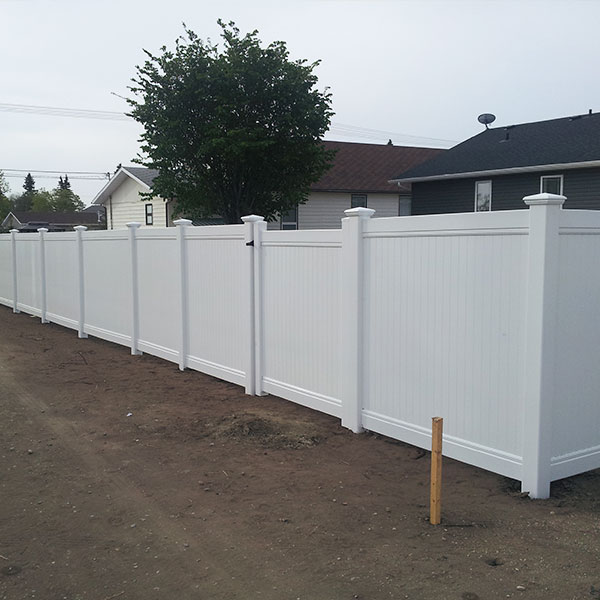
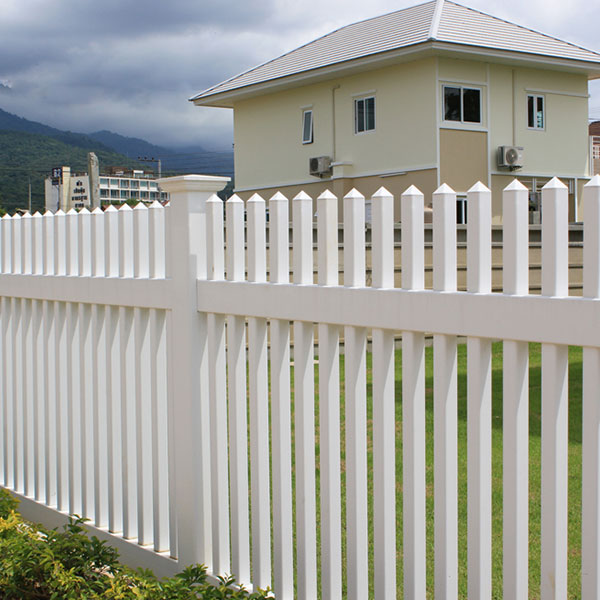
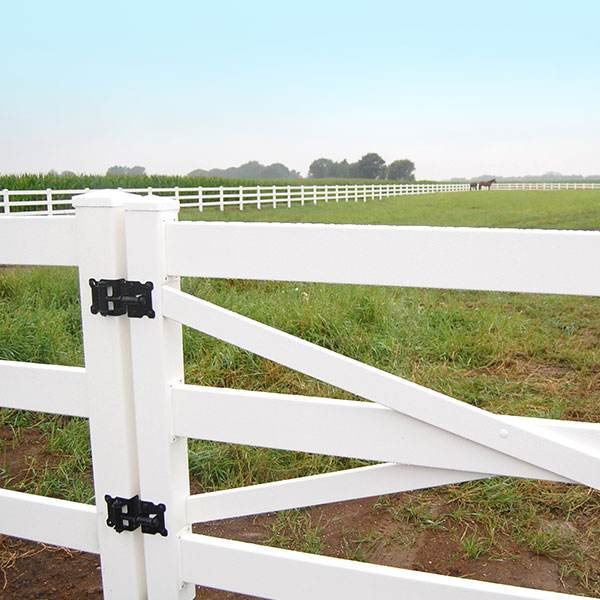
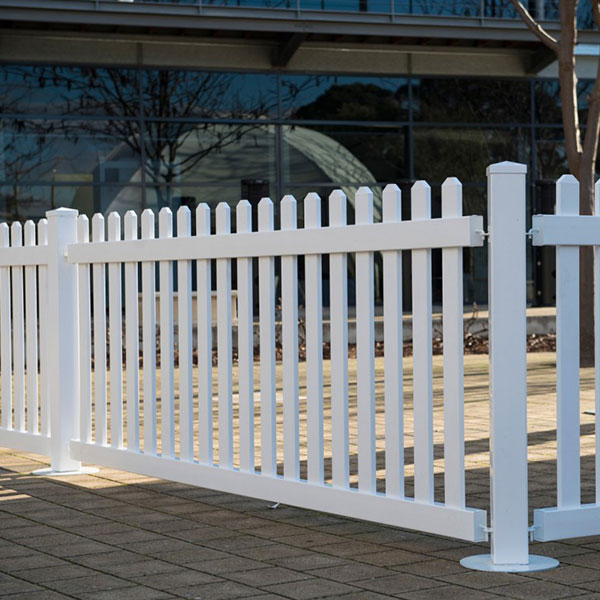

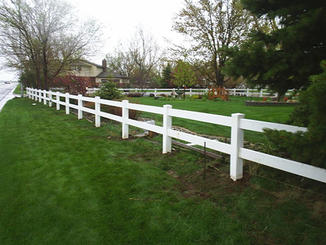
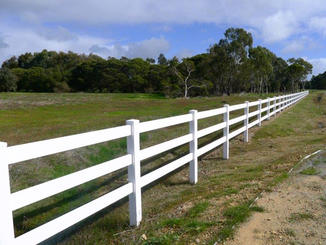
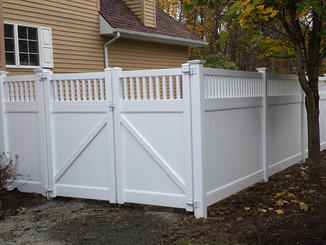
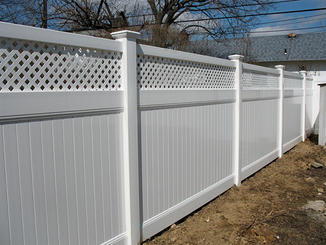
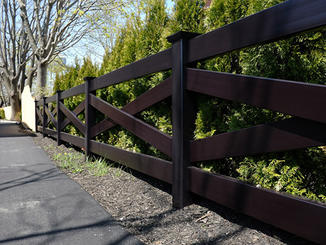
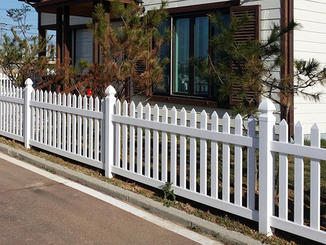

We are professional China Custom Vinyl Fence Manufacturers with fences virgin PVC/Vinyl material and UV Protected.
Content
A 120-foot, 6-foot-high privacy fence is the number most homeowners bring to a fence quote, and it is where the cedar-versus-vinyl argument stops being theoretical. Cedar typically costs 15 to 30 percent less to buy and install; vinyl costs more on the first invoice and then mostly stops asking for money. If you plan to sell in the next few years and you want real wood grain, cedar is a defensible decision. If you intend to stay for a decade or more, or you simply refuse to re-stain a fence every third summer, vinyl wins on lifetime cost.
The deciding factors are moisture, ultraviolet light, repair access and how much of your own weekend you are willing to trade for the look of wood. The sections below work through each of them with typical numbers and installation details.
Upfront Cost: Cedar Still Wins the First Invoice
For a 6-foot privacy fence in most North American markets, western red cedar runs roughly $25 to $45 per linear foot installed, while a comparable vinyl system runs $30 to $55. A 120-foot run therefore lands near $3,000 to $5,400 in cedar and $3,600 to $6,600 in vinyl. The gap narrows with clear heart cedar or a premium capstock vinyl, and it can vanish entirely when cedar prices spike after a wet logging season or when the cedar bid already includes staining.
| Factor | Western red cedar | Vinyl (PVC) |
|---|---|---|
| Typical installed cost | $25 to $45 per linear foot | $30 to $55 per linear foot |
| Expected service life | 15 to 25 years | 20 to 30 years or more |
| Finish schedule | Clean and re-stain every 2 to 3 years | Rinse annually, no coating required |
| Moisture behaviour | Swelling, shrinking, rot at ground contact | Unaffected by moisture |
| Insects and decay | Naturally resistant, not immune | Immune to termites and rot |
| Colour stability | Grays to silver if left unfinished | Stable when UV-stabilized |
| Typical repair | Replace a board or post | Replace the panel between posts |
| Cold-weather impact | Splinters and splits | Stiffens; thin walls can crack |
Check what each quote leaves out. Cedar bids often exclude the first stain, while vinyl bids often exclude aluminum gate inserts and upgraded stainless hardware, and those two line items alone can move a total by several hundred dollars.
Lifetime Cost: Where Vinyl Overtakes Cedar
Cedar's purchase price is only the first payment. A 120-foot, 6-foot-high fence exposes roughly 720 square feet of surface, and professional cleaning and sealing costs about $0.80 to $1.60 per square foot, which is $575 to $1,150 per round, repeated every two to three years. Across a 20-year life that is seven or eight rounds and somewhere between $4,000 and $9,000, before you replace a split rail or a rotted post base.
Vinyl's maintenance bill is a hose, a soft brush and mild detergent once a year, plus a spring check of gate hardware. No sanding, no primer and no re-coating, and the colour sits inside the material rather than on top of it. That is why the lifetime-cost argument normally lands on vinyl's side even though cedar starts cheaper.
Repairs split the other way. Cedar fails in predictable places, and each fix is small and within reach of a pry bar and a drill. Vinyl fails far less often, but damage means replacing the panel between two posts rather than one board, so two spare panels on a garage shelf are worth the space.
Weather, Moisture and UV Exposure
Cedar behaves like what it is: a natural material. It takes on moisture in autumn, releases it in summer, and moves with every cycle. Hard freeze-thaw swings open joints, lift fastener heads and let water sit against the post at the soil line, which is where most cedar fences eventually rot.
Vinyl does not absorb water, rot or feed termites. Its weakness is temperature, and it is manageable. Vinyl stiffens in deep cold, so impact resistance in January is not what it is in July; quality compounds carry impact modifiers and enough titanium dioxide to survive decades of sun, while thin, heavily filled panels crack. The notes on how vinyl fence panels react to freezing temperatures explain those limits in more detail.
Ultraviolet stability is the other long-term variable. Unstabilized PVC chalks and fades; exterior-grade formulations hold their colour, and a co-extruded ASA cap keeps a woodgrain surface intact where a printed finish would wear through.
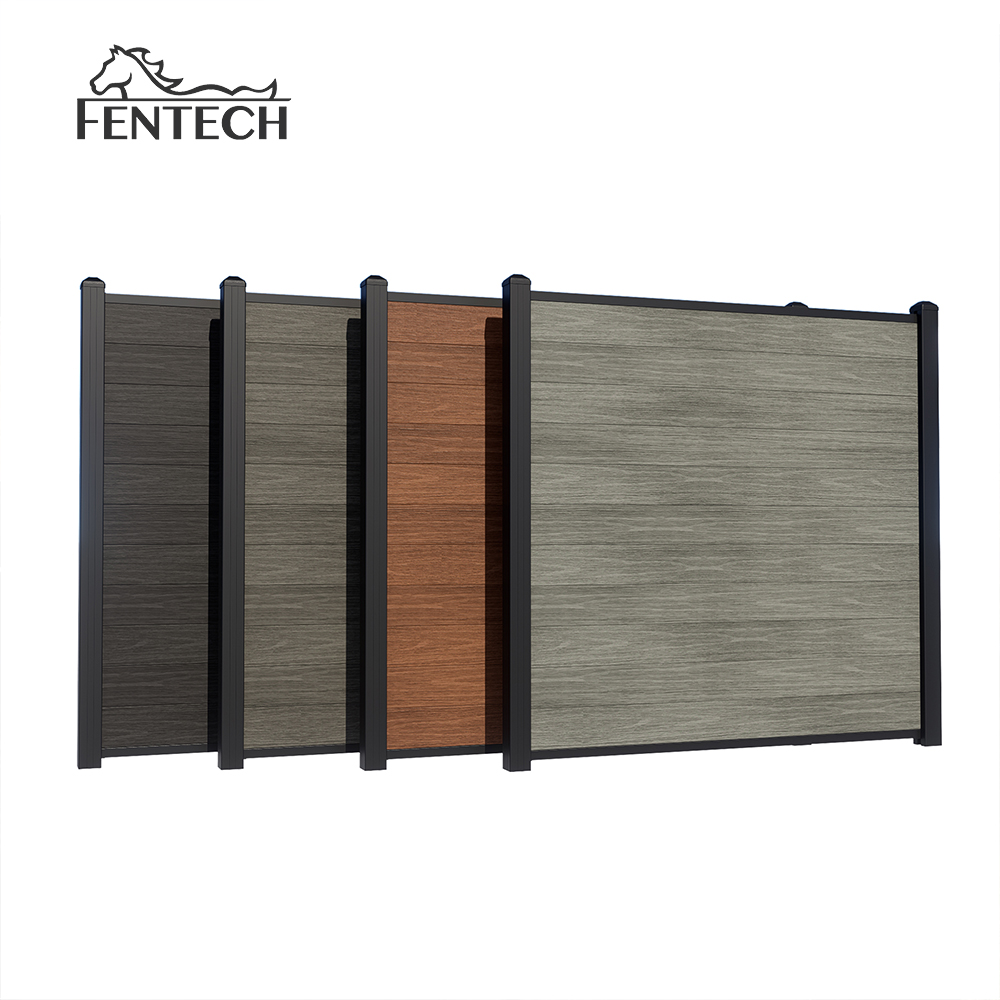
 FT-F02 UV proof 6ftx8ft Vinyl Privacy FenceMany homeowners prefer this look as the pickets at the top of a vinyl privacy fence break up the "solid" privacy look. Some also choose this style because it often mat...View Product →
Appearance, Privacy and Neighbourhood Fit
Cedar wins the aesthetic argument on day one, and not much changes in year two. Its weakness is consistency: boards weather at different rates, knots bleed through light finishes, and a five-year-old cedar fence rarely looks like the one in the brochure.
Vinyl gives you uniformity. A white, tan, gray or black panel looks the same at both ends of the run, and a woodgrain ASA surface reads as timber from ten feet away. Check HOA rules before ordering, since some still limit fence height, visible colour and how much solid panel may face a side yard.
On privacy, tongue-and-groove vinyl panels stay fully opaque, while cedar boards can shrink through a dry summer and open narrow gaps between pickets. Neither material does much about traffic noise; sound reduction depends more on mass and height than on the material itself.
Installation, Tolerances and Repair Access
Both materials live or die on their posts. Set posts about one-third of their height below grade and below the local frost line, in concrete, and the fence will outlast its warranty. A hollow vinyl post needs clearance for the rail to move, roughly 1/8 inch per 8-foot rail, which is the difference between a fence that breathes through summer and one that bows out of its holes. Gate posts deserve a 5x5 post with an aluminum insert, stainless hinges and a drop rod on double gates.
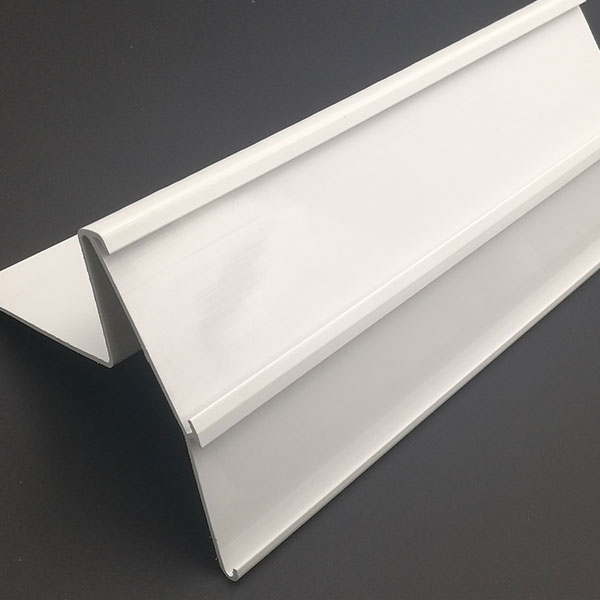
Repairs favour cedar for speed. Vinyl is modular, so a fix is a replacement panel in the right colour batch. When you are matching an existing fence, adding a partial run or meeting a non-standard height, custom extruded profiles let a factory match dimensions instead of pushing you into a catalogue size.
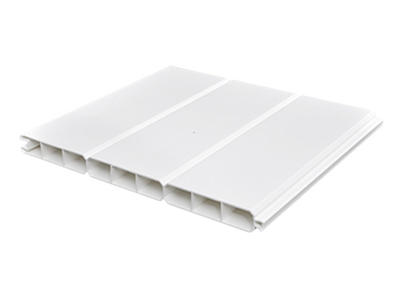 7/8"x11.3" T&G Panel(2 Gap)7/8"x11.3" T G Panel(2 Gap)View Product →
How to Decide in Practice
Run both lists against your own situation before comparing quotes.
Choose cedar when
- You want genuine wood grain and will refinish it every two to three years.
- You may move within about five years and prefer the lower upfront price.
- You want a custom stain colour or need to match an existing wood fence.
- Cedar is locally abundant and priced below vinyl in your market.
Choose vinyl when
- You want the same appearance in year ten as in year one, with no coating.
- You live in a humid, coastal or termite-prone area.
- You are staying long enough for maintenance savings to outweigh the invoice.
- You want the longer service life, with posts and hardware specified properly.
Buying Vinyl Fence: What Separates Good From Cheap
Two vinyl quotes can differ by 40 percent and look identical in a photograph. The difference usually sits in four places.
- Wall thickness: panels and rails built for exterior structural use generally run 0.08 to 0.11 inch, while bargain panels can be half that and flex in wind.
- UV and colour system: UV-stabilized compounds, and on woodgrain styles a co-extruded ASA cap rather than a printed surface.
- Hardware: stainless hinges, latches and screws, plus aluminum inserts in gate posts and long bottom rails.
- Warranty language: check whether coverage is prorated, whether labour is included, and whether colour is covered separately from structure.
Ask for a sample section, measure wall thickness yourself and confirm the span your posts will carry. A factory running its own extrusion lines can also tell you which profiles it stocks, which shortens lead time on non-standard heights. Comparing a vinyl privacy fence range against a cedar bid works best style by style, and for a standard 6-foot run most buyers settle on a flat-top panel with a 2 x 6 rail and an 11-3/8 inch tongue-and-groove profile.
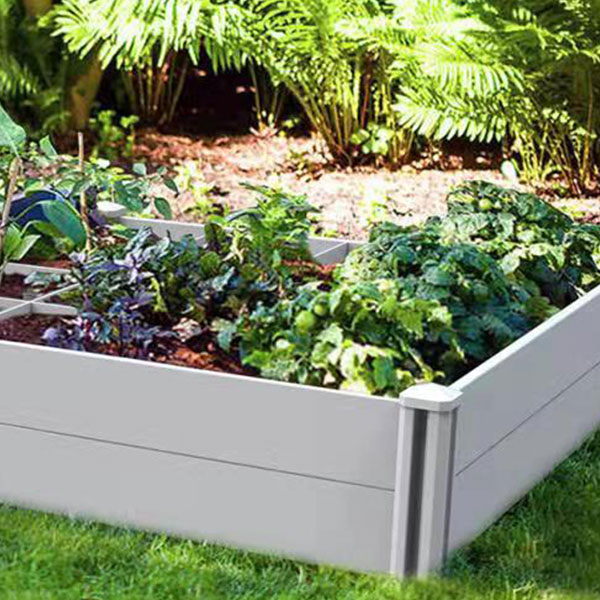
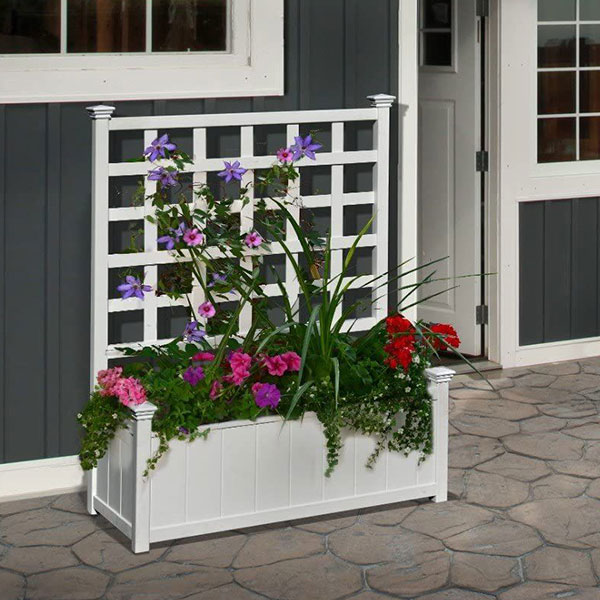
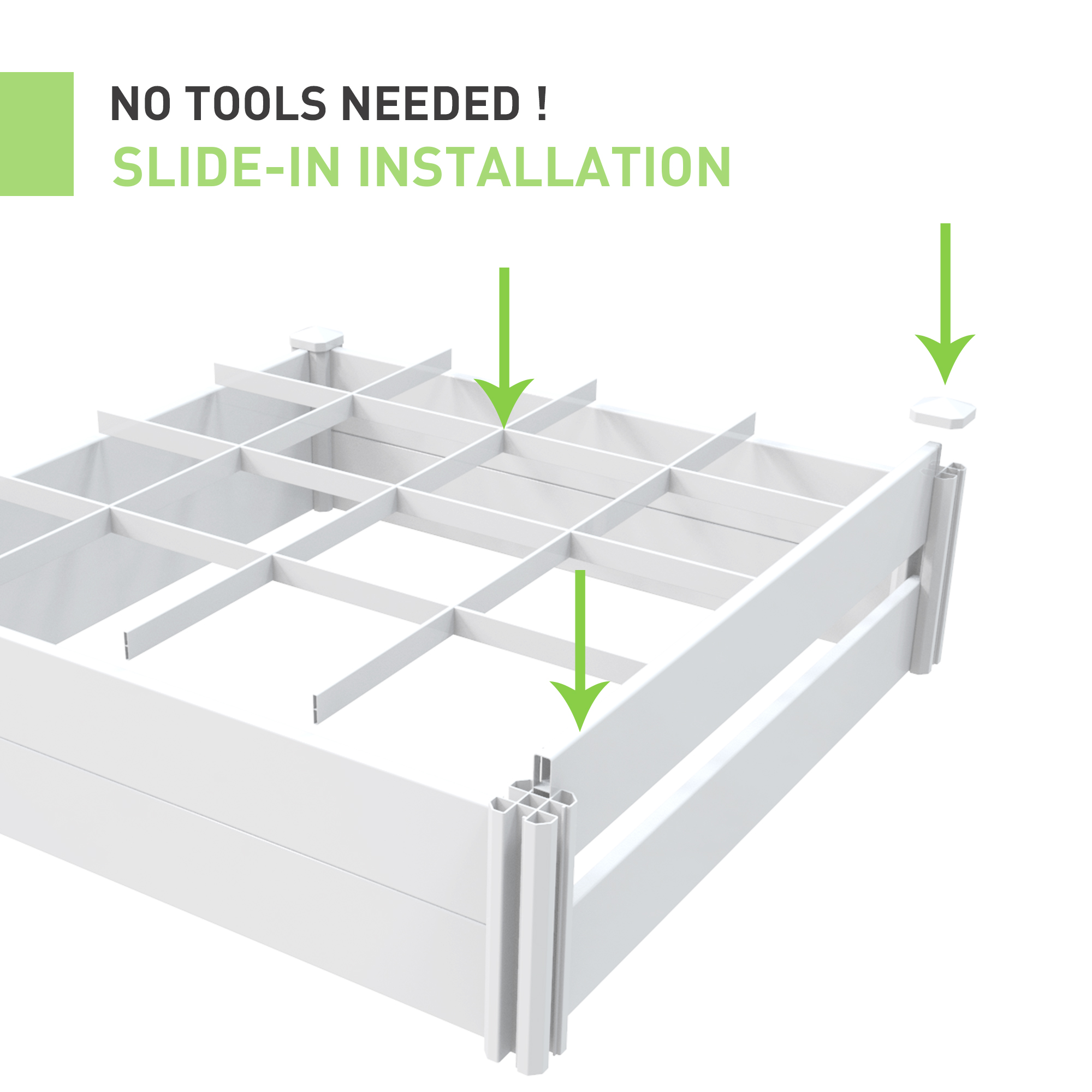 Fentech Plastic Pvc Vinyl Raised Garden Bed[HIGH QUALITY MATERIAL] Raised garden box is made of eco-friendly pvc material with thick, wear-resistant, non-toxic and odorless, high load-bearing, good heat and col...View Product →
Cedar and vinyl both work; they simply charge you differently. Cedar charges less at the counter and more in maintenance, repairs and eventual replacement. Vinyl charges more up front and then mostly disappears from the to-do list. Ask for itemized quotes, with sealing on one side and aluminum inserts plus stainless hardware on the other, and the decision usually makes itself.
 No. 142 Xinxiqiao, Linan, Hangzhou City, Zhejiang Province, 311300, China
 0086-180 5608 2316
 sales@fentechfence.com