 WELCOME TO HANGZHOU FANTAI PLASTIC CO., LTD.
  0086-180 5608 2316
 sales@fentechfence.com
 English
  中文简体
中文简体

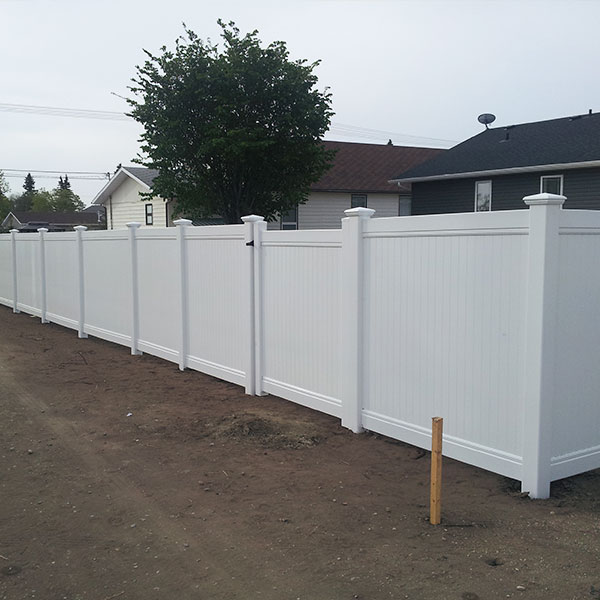
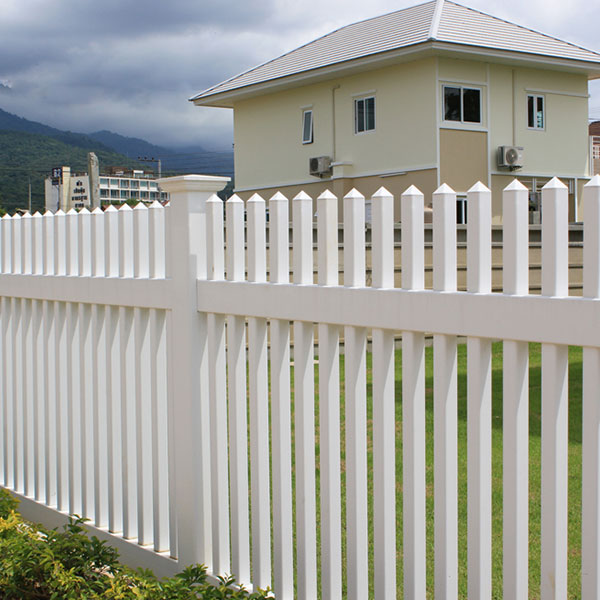
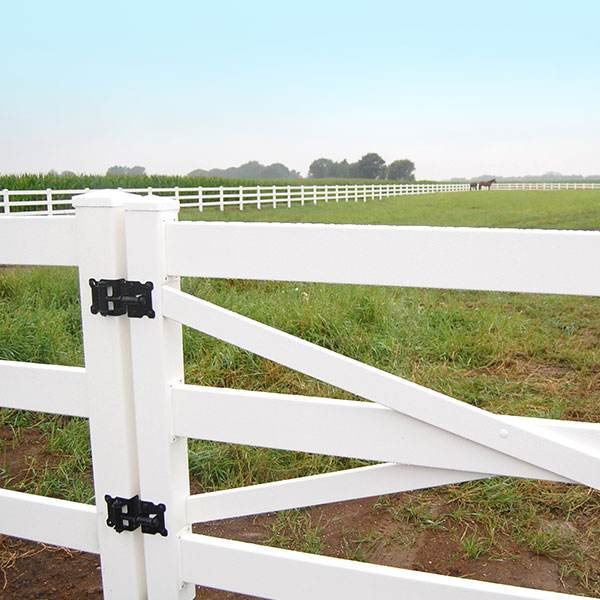
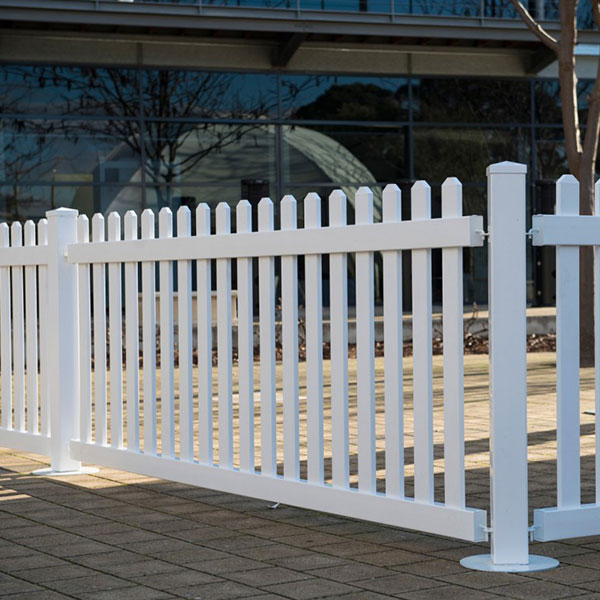


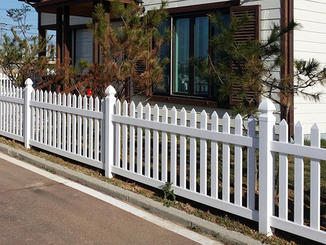

We are professional China Custom Vinyl Fence Manufacturers with fences virgin PVC/Vinyl material and UV Protected.
Content
- 1 Why PVC Fences Clean Up Faster Than Wood or Metal
- 2 The Routine Wash That Handles Most Dirt
- 3 Matching the Treatment to the Stain
- 4 Using a Pressure Washer Without Causing Damage
- 5 What to Avoid on a PVC Fence
- 6 Prevention That Cuts Cleaning Time
- 7 Why the Fence Itself Decides How Easy It Stays to Clean
Green mildew creeping along the bottom rail of a white privacy panel, mud splashed up a garden picket run after a storm, grass stains whipped onto posts by a string trimmer—these are the three complaints PVC fence owners raise most often. The best way to clean a PVC fence is also the simplest: warm water with a few drops of mild dish soap and a soft cloth removes the vast majority of everyday dirt in under an hour for a typical yard. Mildew, hard water spots, and scuffs respond to diluted white vinegar or baking soda, not to harsh chemicals. A pressure washer is a once-a-year tool at most, and only with a wide nozzle held well back from the surface.
Why PVC Fences Clean Up Faster Than Wood or Metal
Vinyl fencing is extruded from rigid PVC, so the color runs through the entire profile instead of sitting in a paint layer. The surface is non-porous, which means dust, pollen, and algae sit on top rather than soaking in, and there is no finish to strip or reseal afterward. That is why a washed PVC fence looks essentially new again, while a washed wood fence often reveals gray, weathered fibers that need sanding and repainting.
The same non-porous surface explains the one rule that matters most: do not scratch it. A gouged or scoured patch holds dirt the way a scratched pan holds grease, so abrasive pads and gritty powders create more cleaning problems than they solve.
The Routine Wash That Handles Most Dirt
Plan on one full wash in spring and a lighter touch-up in fall. Properties beside gravel roads, coastal salt air, or heavy tree cover do better on a quarterly rhythm. Everything below takes about thirty to sixty minutes for an average residential run, and you need only five items:
- A garden hose with an adjustable spray nozzle
- Mild dish soap, about one tablespoon per gallon of warm water
- Soft cotton cloths or sponges
- A soft nylon brush for textured or woodgrain surfaces
- White vinegar and a garden sprayer for later stain work
Then work panel by panel:
- Rinse the fence from top to bottom to lift loose dust and pollen.
- Wash one section at a time with the soap solution, wiping in light circles; switch to the nylon brush where grain or texture holds grime.
- Let the suds sit for five minutes on visibly dirty spots, then wipe again rather than scrubbing harder.
- Rinse each section before the soap dries, or it will leave a streaky film.
- Buff with a microfiber cloth where your water supply is hard enough to leave spots.
Work in the shade or on a cool morning; direct sun dries soap faster than you can rinse it. The method is identical across styles, from solid vinyl privacy fence panels to open picket and post-and-rail designs—only the time per panel changes.
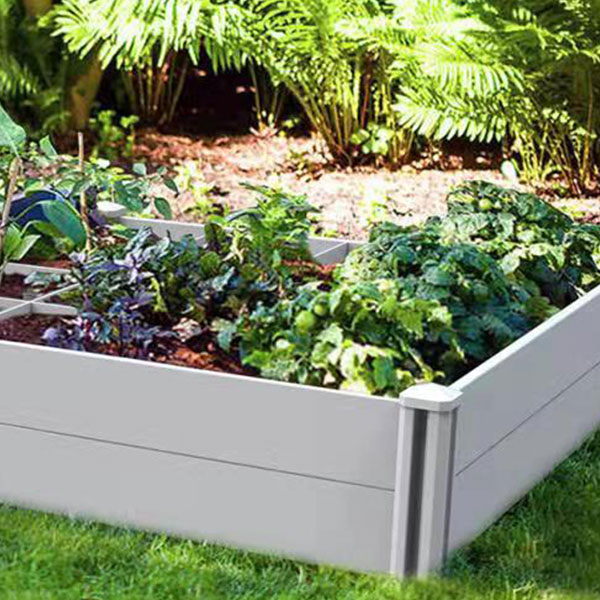
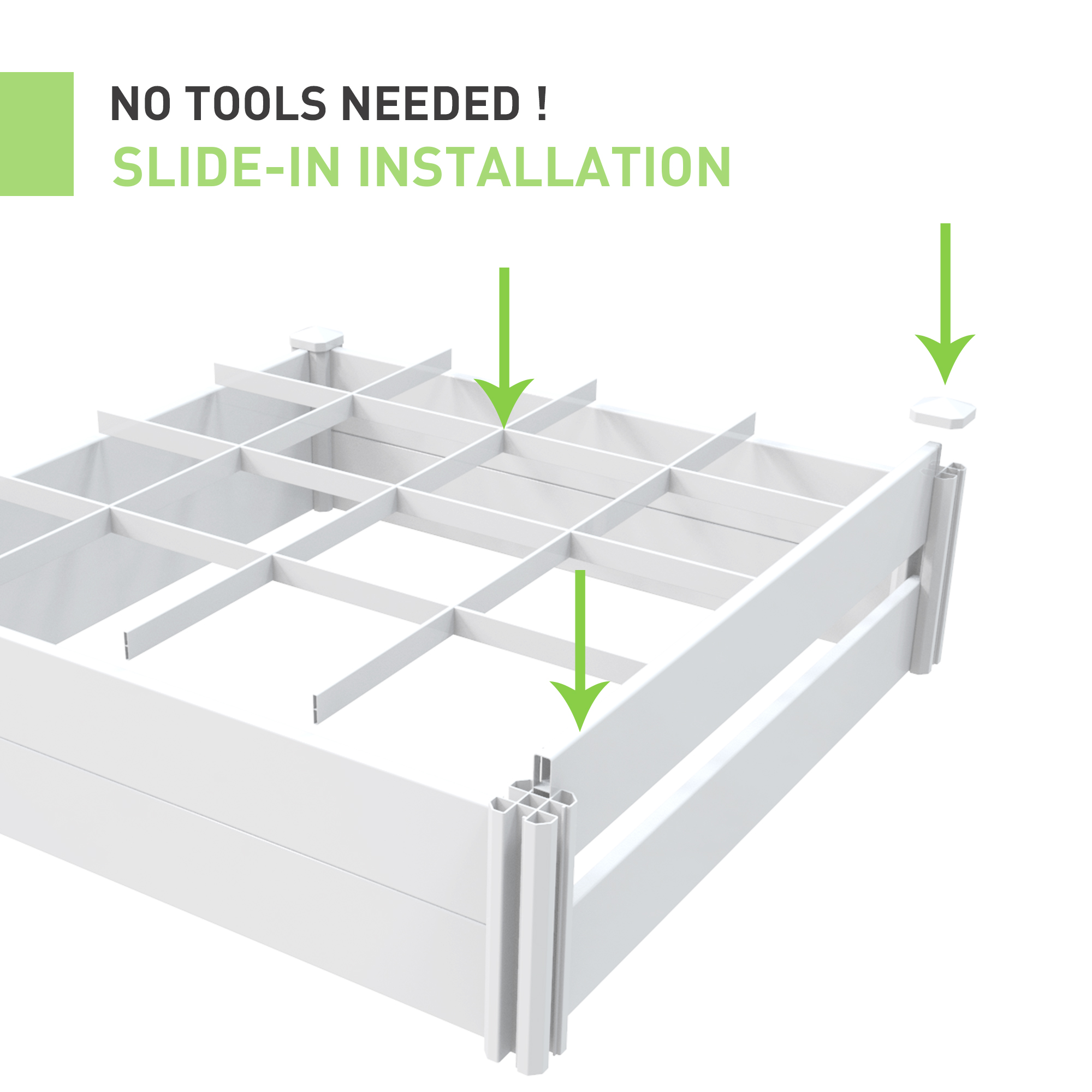 Fentech PVC Vinyl Raised Garden BedA 45x45-inch eco-friendly PVC raised garden bed with tool-free assembly, grid planting layout, and an open bottom for drainage. It suits garden-adjacent fencing tips since smooth vinyl surfaces rinse clean easily.View Product →
Matching the Treatment to the Stain
When soap and water are not enough, identify the stain before reaching for a cleaner. Each common problem has a specific household fix.
| Stain | Typical cause | Treatment |
|---|---|---|
| Green or gray film | Mildew and algae in shaded, damp spots | Spray with one part white vinegar to three parts water, wait ten minutes, scrub with a soft brush, rinse; use oxygen bleach per label directions for heavy growth |
| Mud and grass | Rain splash, string trimmers, pets | Rinse loose soil away, then apply a baking soda paste (three parts soda to one part water) in gentle circles |
| White hard water spots | Sprinkler overspray | Wipe with the vinegar solution, rinse immediately, dry with microfiber |
| Scuffs and crayon marks | Contact, children at play | Rub lightly with a melamine sponge after testing a hidden spot; it is mildly abrasive |
| Tar, sap, sticky residue | Landscape work, nearby trees | Lift with a plastic scraper first, then wash with soap and water |
Chlorine bleach deserves caution. It kills mildew quickly, but it can dull a glossy finish and injure surrounding plants, which is why oxygen bleach is the safer first choice. Whatever you use, test it on the back side of a post before treating a visible run, and keep every product well away from undiluted solvents, which brings us to the short list of things never to do.
Using a Pressure Washer Without Causing Damage
A pressure washer is justified after a dusty construction season or before a major backyard event, but the settings decide whether it cleans or scars. Keep the machine below roughly 1,500 PSI, fit a wide 40-degree fan tip, and hold the nozzle at least 12 inches from the surface—18 inches is safer. Spray straight at the panel, never angled upward into the seams of a tongue-and-groove privacy panel, where pressurized water can force its way behind the vinyl and leave mineral streaks trapped inside the rail. Skip the 0-degree pin tip entirely; on vinyl it cuts rather than cleans.
What to Avoid on a PVC Fence
Every item on this list either scratches the surface, attacks the compound, or drives water where it should not go:
- Steel wool, scouring pads, and powdered cleansers, which leave micro-scratches that trap future dirt
- Acetone, paint thinner, oven cleaner, and undiluted bleach, which can cloud or permanently dull vinyl
- Dry brushing a dusty fence, which grinds particles across the surface like sandpaper
- Pressure spray aimed upward into panel seams, gates, or post caps
- Aggressive melamine sponge use; a light touch is fine, heavy rubbing removes gloss
Prevention That Cuts Cleaning Time
The fences that need the least washing share a few conditions, and all of them are easy to arrange:
- Aim sprinklers away from the fence so hard water spots never form in the first place
- Keep string trimmer lines off the surface; one careless season leaves grass stains that outlast summer
- Trim shrubs and vines back at least six inches so airflow keeps panels dry and mildew-resistant
- Rinse the fence after dust storms, pollen season, or nearby construction
- Check hardware and gate hinges at the same time each season, since grimy hardware is what usually makes a clean fence look neglected
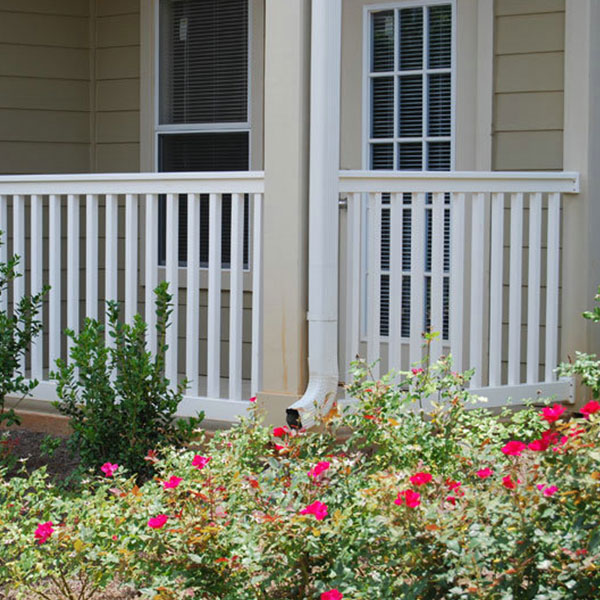
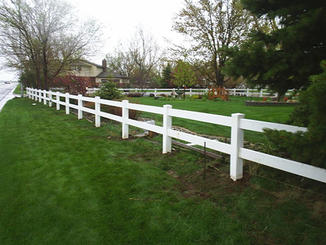
These habits matter most around gardens, where a white picket fence sits close to soil, irrigation, and trimming equipment. A panel line like the FT-P01 picket fence handles that environment well precisely because splashes sit on the surface and rinse away.
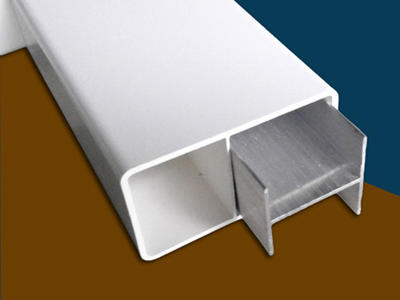 FT-P01 Vinyl Picket Fence PanelThis good-neighbor picket fence features 7/8x3-inch pickets, aluminum-reinforced bottom rails, and heights from 36 to 72 inches. Its wipeable vinyl surface makes it practical near soil, irrigation, and trimming equipment.View Product →
For a seasonal checklist that pairs with this routine, our PVC fence cleaning and care guide walks through the same steps in calendar form.
Why the Fence Itself Decides How Easy It Stays to Clean
There is a limit to what any cleaning method can fix. A white PVC fence that has chalked or yellowed after years of sun will not wash back to bright, because that change is inside the material, not on it. Good formulations resist this with titanium dioxide for whiteness and UV stabilizers that slow degradation, and a well-run extrusion line produces the smooth, uniform skin that dirt struggles to grip in the first place.
That is where the manufacturer matters more than the cleaning routine. Fentech extrudes its own profiles, so the UV package, wall thickness, and surface finish are controlled at the factory rather than left to chance. Our ASA woodgrain fence line is engineered to a high UV standard specifically so textured finishes hold their color without bleaching, and our UV-proof privacy panels pursue the same goal on solid runs.
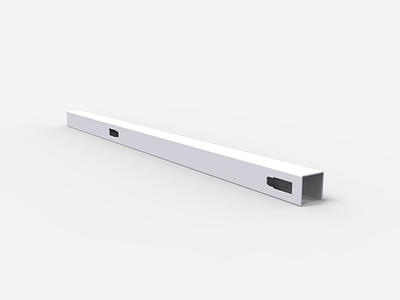 FT-F02 UV-Proof 6x8 ft Vinyl Privacy FenceA solid privacy fence panel made from 100% virgin vinyl with factory-controlled UV stabilization, offered in white, tan, grey, khaki, and woodgrain. It shows why compound quality determines long-term washing needs.View Product →
If you are comparing suppliers for a project, ask what share of UV stabilizer goes into the compound and how samples perform after accelerated weathering. Those two answers predict how much washing the fence will need in year ten, not just year one, and they matter more to lifetime maintenance cost than any difference in cleaning technique.
Clean a PVC fence with soap and water twice a year, escalate to vinegar or baking soda for the stains that stay, keep the pressure washer gentle, and never let anything abrasive touch the surface. Follow that sequence and the fence looks new after every wash; start with a UV-stabilized, factory-controlled profile and it stays that way for decades with very little effort.
 No. 142 Xinxiqiao, Linan, Hangzhou City, Zhejiang Province, 311300, China
 0086-180 5608 2316
 sales@fentechfence.com