 WELCOME TO HANGZHOU FANTAI PLASTIC CO., LTD.
  0086-180 5608 2316
 sales@fentechfence.com
 English
  中文简体
中文简体

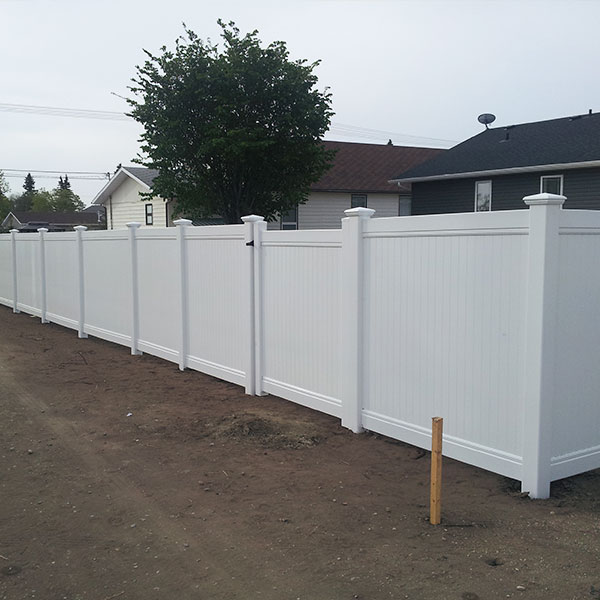
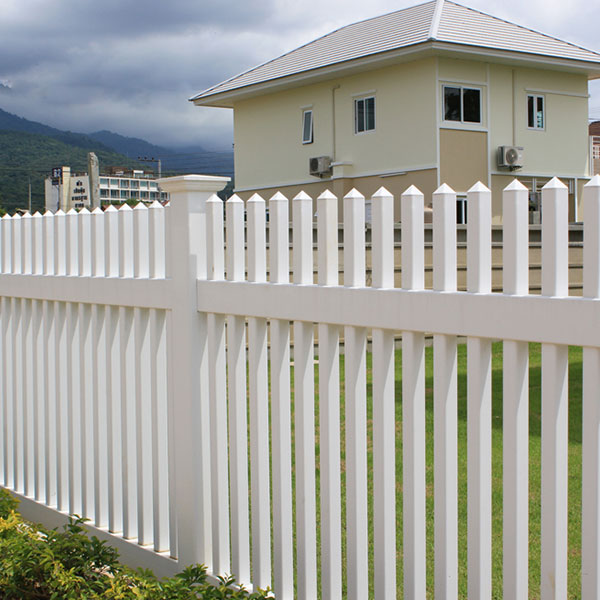
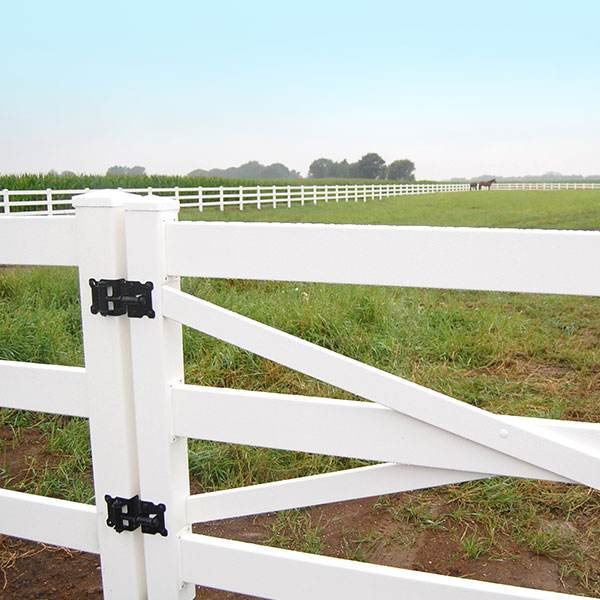
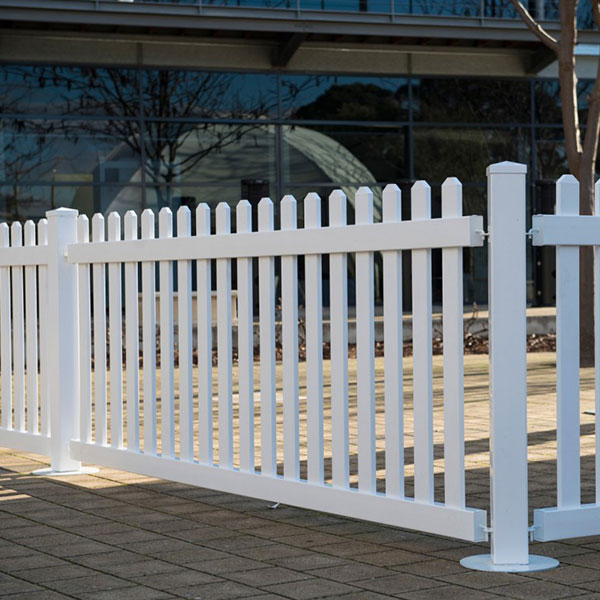

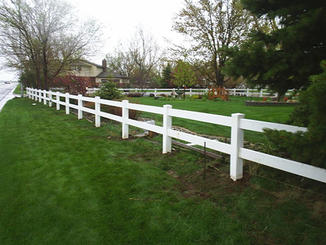
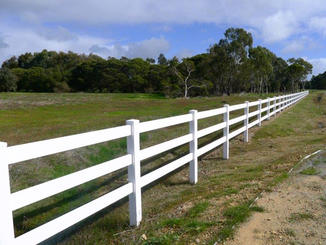
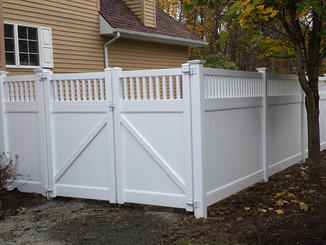
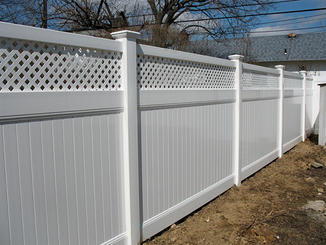
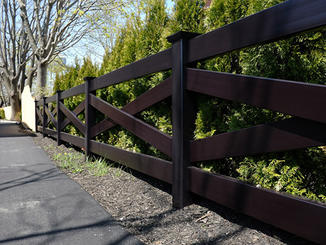
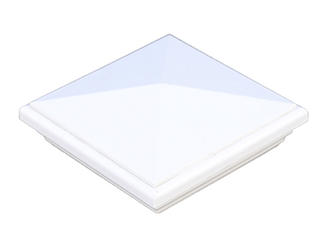
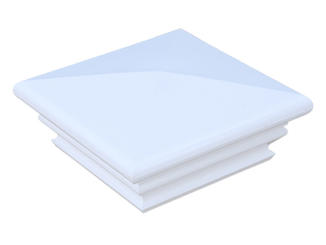
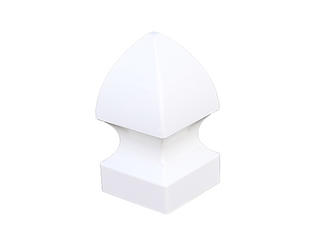

We are professional China Custom Vinyl Fence Manufacturers with fences virgin PVC/Vinyl material and UV Protected.
Content
Ask anyone who has owned a cedar fence what the lumber really costs, and the answer is rarely the price tag from the yard. It is the stain brush that comes out every second or third spring, the boards that gray and check along the grain, and the posts that soften where they meet wet soil. Cedar look vinyl fencing was developed for buyers who like everything else about cedar: the warm reddish-brown tone, the visible grain, and the settled, craftsman feel of a wooden boundary line.
The short answer first: a vinyl fence with a genuine, co-extruded woodgrain finish delivers most of the cedar aesthetic with almost none of the cedar workload, and it holds its tone for decades in full sun.
This guide explains how that finish is actually made, where it compares well against real cedar and where it does not, and the exact specifications worth checking before you place an order.
What Cedar Look Vinyl Fencing Actually Is
Every vinyl fence starts as rigid PVC compound extruded into posts, rails, and panels. A cedar look product adds a wood surface over that base, and the way that surface is built determines everything about how the fence ages.
The durable method is co-extrusion. While the profile is being formed, a thin cap layer of ASA, or acrylonitrile styrene acrylate, is fused over the PVC core. ASA belongs to the same family of weather-grade resins used on automotive exterior trim, chosen because it resists the ultraviolet exposure that would chalk ordinary plastics. The woodgrain is embossed and colored into that cap, so the grain is part of the material itself rather than a printed sticker or a coat of paint. That single distinction decides whether the fence still reads as cedar in year eight or as sun-bleached plastic.
Simplified cross-section of a cedar look vinyl profile: the ASA cap carries color and texture, the UV package protects it, and the PVC core carries load.
Budget products take a different route. Some laminate a printed film onto bare white PVC; film tends to fade first and can peel at the edges, usually starting on the sunniest rail. When you evaluate suppliers, ask what the woodgrain layer is made of and which UV standard it is tested against. Fentech, for instance, manufactures its ASA woodgrain fence line against a high UV standard so the grain keeps its tone in high-exposure installations, a point the company documents in its overview of high UV standard ASA woodgrain fences.
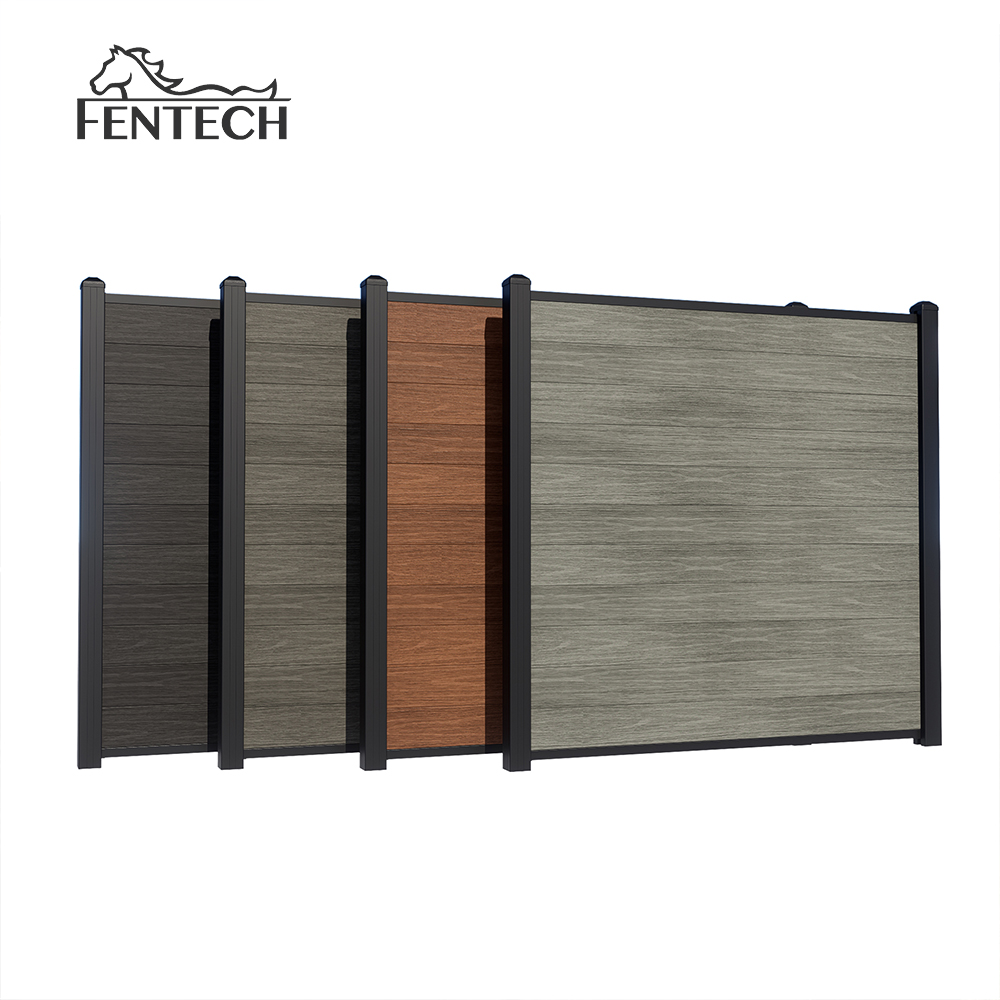
Finishes vary beyond tone as well. Deeper embossing hides small scratches, two-tone builds pair darker grain on rails and posts with a lighter panel face, and the same grain can be carried across gates, post caps, and matching siding so an entire property reads consistently.
Cedar vs. Cedar Look Vinyl: The Honest Comparison
Clear-grade cedar, freshly stained, remains the benchmark for depth of figure, and an honest comparison says so. The maintenance ledger and the ten-year cost, however, tell a different story, and that is where most buyers change their minds.
| Factor | Real cedar | Cedar look vinyl |
|---|---|---|
| Staining and sealing | Every 2 to 3 years, or the wood grays | Never required; rinse with a hose |
| Moisture and insects | Checks, cups, and can rot at ground contact | No rot; PVC is not a food source for termites |
| Color after 10 years | Silvery unless restained | Tone held by ASA cap and UV package |
| Board fit over time | Shrinkage opens gaps between boards | Interlocking tongue-and-groove stays aligned |
| Upfront cost | High for clear grades | Equal or lower per installed foot |
| Ten-year ownership cost | Materials plus repeated labor | The original materials, nothing more |
| Realism | The benchmark; every board unique | Very close; grain repeats panel to panel |
Two caveats deserve plain language. Cedar is a natural product, so every board differs; vinyl grain repeats from panel to panel, which is noticeable at close range if you study fences for a living. Cedar also accepts very dark solid stains that not every vinyl catalog stocks, although a factory that extrudes its own profiles can often match a custom tone if you ask early. Neither caveat changes the practical math: cedar needs restaining on a schedule, while woodgrain vinyl needs a garden hose and an occasional rinse.
Privacy Runs: Where the Cedar Look Pays Back Fastest
The classic 6 ft by 8 ft privacy panel is where cedar grain vinyl justifies its price most clearly. Tongue-and-groove boards locked between 2x6 rails reproduce the board-on-board silhouette of a cedar run, with grain on both faces so you and the neighbors see the same thing. There are no butt joints opening in August, no knots to pop out, and no annual hunt for rot behind the bottom rail. A flat-top configuration like the FTF01 below is the standard spec for this application.
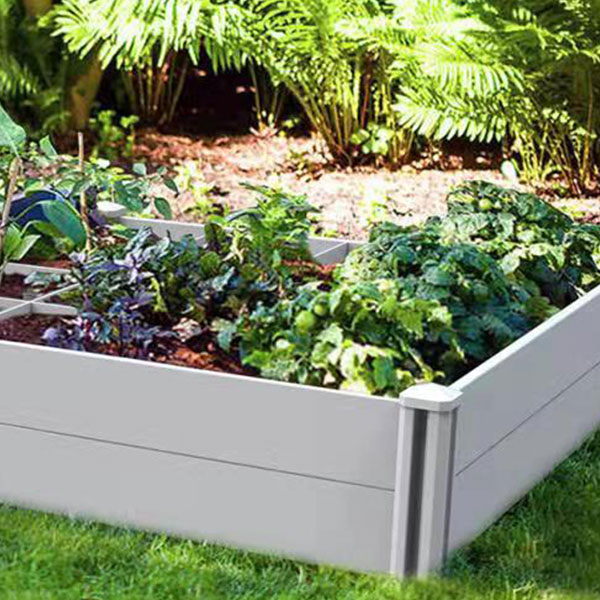
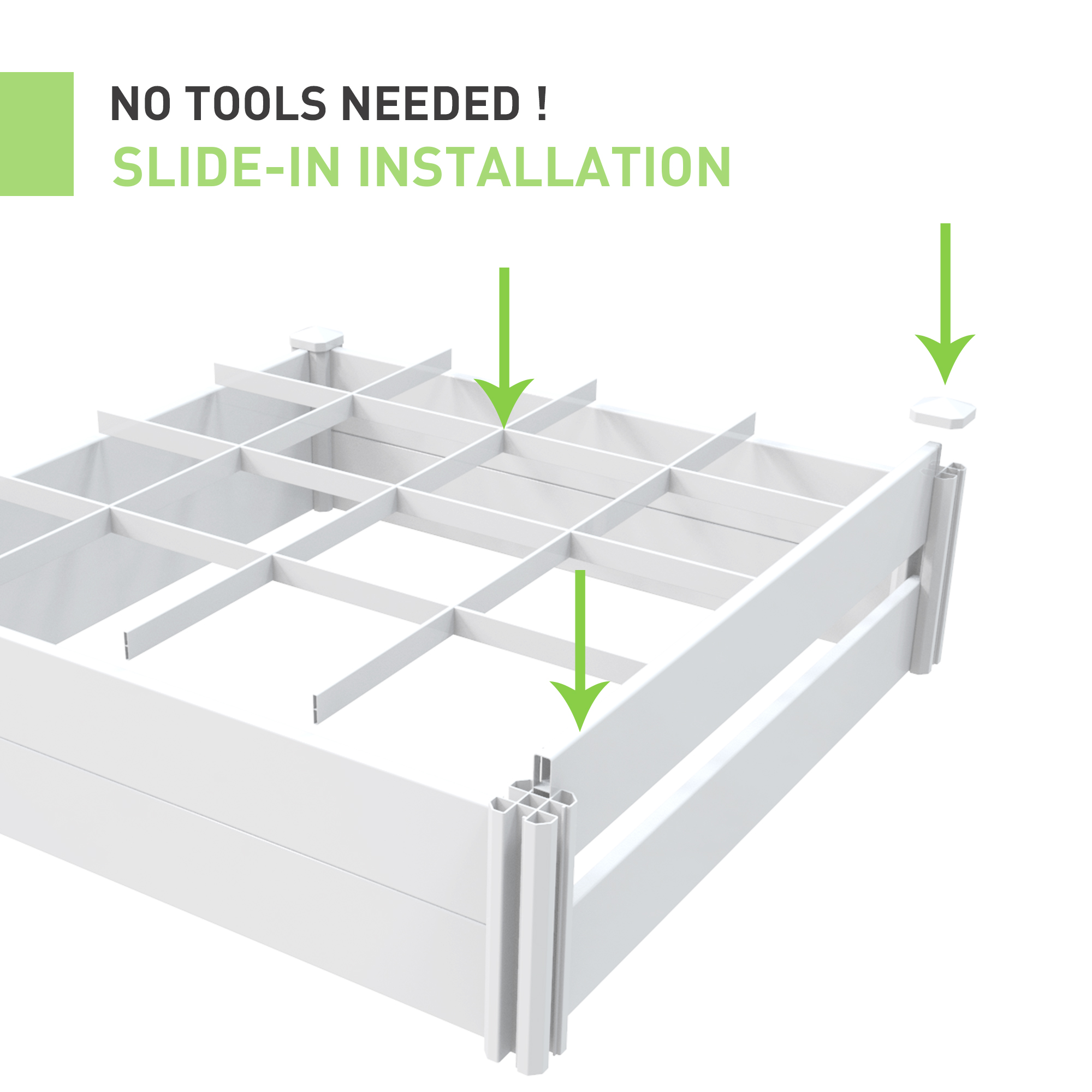 Fentech PVC Raised Garden Bed for Vegetables and HerbsThis 45 x 45 inch raised bed uses durable virgin vinyl that resists rot, warping and cracking, with a grid layout and open bottom for healthy roots, extending the woodgrain PVC story to garden planting.View Product →
Semi-private and lattice-top alternatives
Where airflow and a softer line matter more than a total screen, lattice-top and semi-privacy panels carry the same woodgrain logic with more light. These suit front boundaries, garden rooms, and pool enclosures where full privacy would feel heavy.
Ranch, Pasture, and Post-and-Rail
Post-and-rail is the most traditional cedar form there is, and it is arguably the most convincing in vinyl. A three-rail line with 2x6 rails over 5x5 posts reads as classic ranch cedar from a few feet away, and routed connections keep the rails tight long after screwed wooden rails have worked loose. Horse properties favor the material for a second reason: PVC carries no splinters and flexes on impact, which makes it kinder to livestock than cracked, nail-studded boards. The three-rail configuration below is the baseline layout.
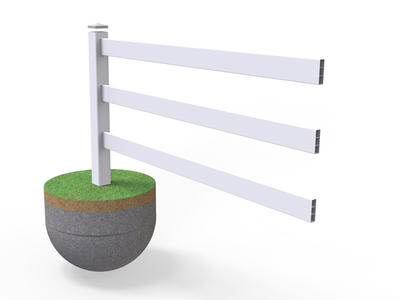 3-Rail Vinyl Horse Fence with Routed PostsA classic three-rail ranch layout on 5x5 posts with notched rails requiring no hardware, offering a splinter-free, flexible alternative to wooden boards on properties where livestock safety matters.View Product →
The same logic scales down to garden pickets and closed-top picket lines, where a cedar-tone finish softens the crisp geometry of white vinyl and ties the fence to brick or timber architecture.
What to Check Before You Order
Woodgrain vinyl fails in one of two ways: the color fades or the structure sags. Both problems are prevented at the specification stage, so treat the list below as your pre-order checklist.
- Woodgrain layer: confirm it is a co-extruded ASA cap, not a laminated film, and ask which UV standard the compound is tested to.
- Wall thickness: privacy panel boards around 0.11 to 0.12 inches, with commercial-grade rails thicker than residential; thin walls telegraph ripples in summer heat.
- Reinforcement: gate posts and hinge uprights need internal galvanized steel or aluminum; vinyl alone should never carry a gate.
- Hardware: stainless steel hinges and latches, especially near pools, coastal air, or fertilized soil.
- Grain quality: order a physical sample and judge it at three feet and at thirty feet, against your house trim, not on a screen.
- Batch consistency: for phased projects, confirm the supplier locks the color formula so panels ordered next year still match this year's run.
One shortcut is to pick products where UV resistance is already part of the specification rather than the sales pitch. Fentech's FTF02, a 6 ft x 8 ft UV-proof privacy panel, is built around exactly that concern and makes a useful benchmark when you compare quotes.
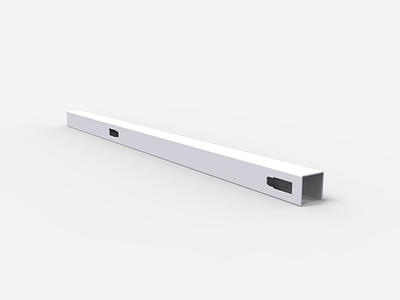 FT-F02 UV-Proof 6ft x 8ft Vinyl Privacy FenceThis 6x8 privacy panel builds UV resistance into its specification, serving as a practical benchmark when comparing quotes, and is available in woodgrain along with white, tan, grey and khaki.View Product →
If you need a particular cedar tone, reddish heartwood rather than silvery barnwood, or a two-tone scheme to match existing decking, ask the factory directly. Because the grain is applied during extrusion, custom profile work can follow a color standard far more closely than any retail catalog; Fentech's custom profiles service exists for exactly this kind of project and OEM request.
The Bottom Line
Choose cedar look vinyl fencing when you want the warmth of cedar without owning its maintenance schedule. Verify the ASA cap and its UV documentation, match wall thickness and reinforcement to your climate, and view real samples in your own sunlight before committing. Do that, and the fence facing your street in year ten will still look like the one in the catalog photo, which is the entire point.
 No. 142 Xinxiqiao, Linan, Hangzhou City, Zhejiang Province, 311300, China
 0086-180 5608 2316
 sales@fentechfence.com