 WELCOME TO HANGZHOU FANTAI PLASTIC CO., LTD.
  0086-180 5608 2316
 sales@fentechfence.com
 English
  中文简体
中文简体

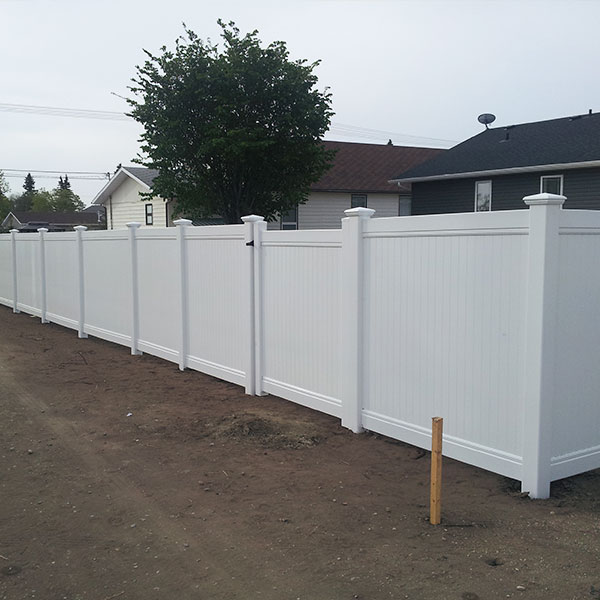
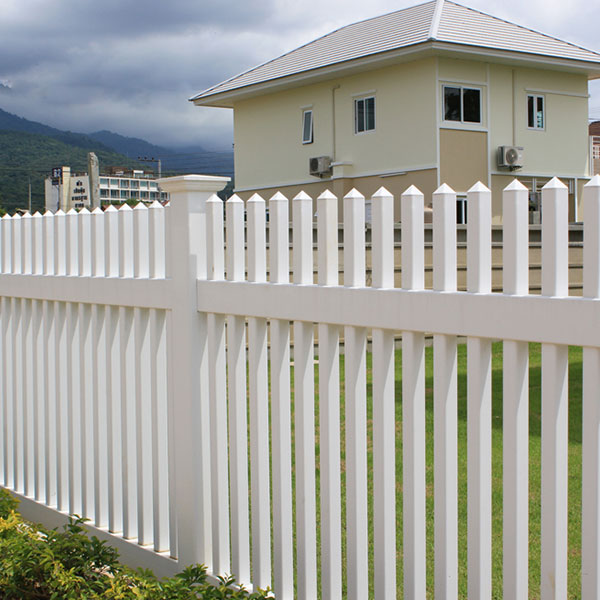
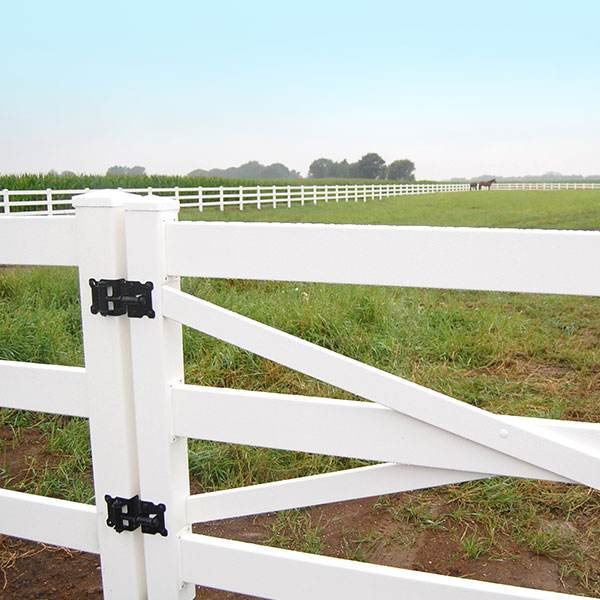
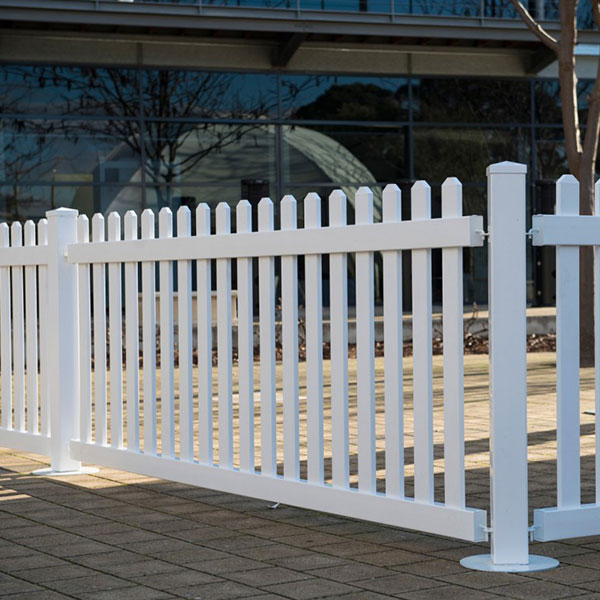

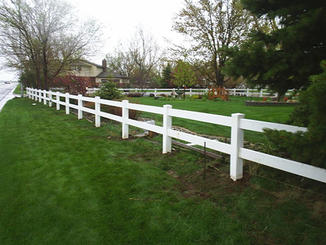

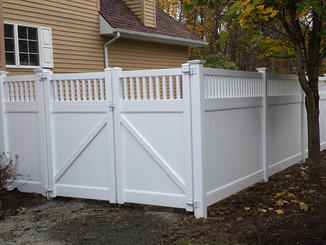
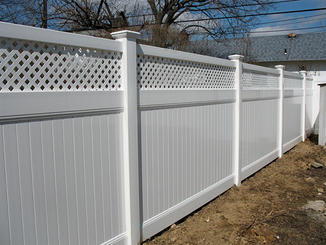
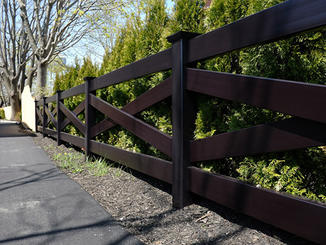
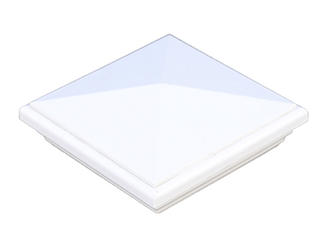
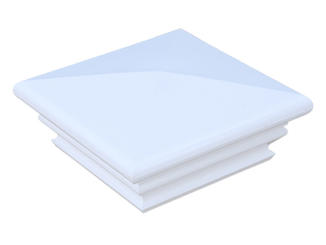
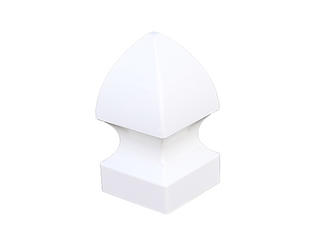
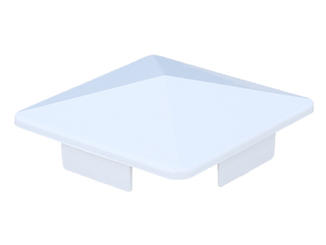
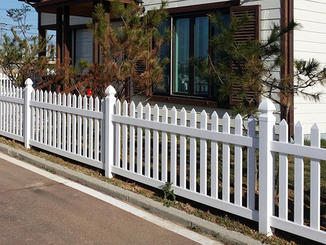

We are professional China Custom Vinyl Fence Manufacturers with fences virgin PVC/Vinyl material and UV Protected.
Content
On a humid morning, a white vinyl fence can suddenly look more green than white. Algae and mildew settle into the subtle texture of the panels, and a quick rinse only moves the grime around. If you catch yourself reaching for a pressure washer, stop. The best way to clean a vinyl fence is not high-pressure blasting. It is a deliberate routine built around a mild cleaning solution, a soft brush, and a low-pressure rinse.
Vinyl fencing is often described as maintenance-free, but that does not mean it cleans itself. What the term really means is that you will never need to paint, seal, or stain it. A simple soap-and-water wash twice a year is enough to keep most panels bright and smooth.
For a broader maintenance perspective, this vinyl fence care guide is a useful starting point, but the day-to-day cleaning routine comes down to those three elements.
Why Pressure Washing Is Usually the Wrong Shortcut
Pressure washing is tempting because it makes dirt disappear in seconds. However, vinyl is a thermoplastic with a smooth surface that is more delicate than it looks. A narrow nozzle at 2,500 psi can cut fine grooves into the panel, and those grooves become permanent homes for mildew. Even a wide fan tip can force water behind pickets or into the post channels, where trapped moisture does more damage than the stain you were trying to remove.
The gloss on a good vinyl fence is part of its visual appeal. Abrasive washing dulls that gloss permanently, leaving a chalky texture that holds dirt even faster. That is why most experienced installers recommend hosing the fence down after a hand wash instead of relying on high-pressure equipment. If you still decide to use a pressure washer, keep the nozzle at least 12 inches from the surface, choose the widest spray angle, and never point it directly at the seams.
The Best Way to Clean a Vinyl Fence, Step by Step
Here is a method that is both effective and safe. It requires no machine beyond a garden hose and a soft brush.
- Pre-rinse the fence with a garden hose to remove loose dust and debris, working from the top down.
- Mix a mild cleaning solution in a bucket. Warm water with a few drops of dish soap is enough for most fences.
- Wash from bottom to top so the runoff does not streak the clean line. Dip a soft-bristle brush or sponge into the solution and scrub in long, horizontal strokes.
- Rinse with low pressure on the hose. Aim the spray at a slight angle so water does not get forced into the rail joints.
- Inspect the fence while it is still damp. For stubborn spots, apply the solution again and let it sit for five minutes before scrubbing.
If you have an especially tall privacy fence, a telescoping pole with a soft brush prevents you from climbing a ladder. Keep the brush clean and rinse it often during the job so you do not simply push dirt around.
Which Cleaners Are Safe for Vinyl?
Not every cleaner belongs on vinyl. Strong solvents can soften the surface, and chlorine bleach can slowly make it yellow or chalky. The table below lists options that are safe when used correctly.
| Solution | Strength | Best for |
|---|---|---|
| Warm water and dish soap | Gentle | General dust and light grime |
| White vinegar and water (1:4) | Mild | Algae and light mildew |
| Oxygen bleach and water | Moderate | Dark mildew and moss stains |
| Commercial vinyl fence cleaner | Varies | Oxidized or heavily soiled areas |
When you use a commercial cleaner, test it on a small hidden corner first. Leave it on for the time recommended on the label, then rinse thoroughly. If you are cleaning a newly installed vinyl fence, check the manufacturer's warranty first; some warranties require specific cleaning methods.
Chlorine bleach is the one ingredient to avoid. Even diluted, it can strip the protective top layer and leave a rough, dull finish that captures more dirt. Oxygen bleach, which relies on hydrogen peroxide, is a much safer alternative for whitening.
How Often Should You Clean a Vinyl Fence?
Plan to clean your vinyl fence once or twice a year. In damp, shaded areas, moss and mildew grow faster, so you may need a second pass before the end of autumn. Twice a year is also a good moment to check for cracked posts, loose rails, or soil piling up against the bottom rail.
Simple preventive steps reduce the workload. Keep plants at least six inches away from the fence so air can circulate, and aim sprinklers away from the base to avoid constant dampness. Removing fallen leaves before they decompose against the pickets also prevents brown stains.
How to Handle Stubborn Stains Without Damaging the Surface
The routine wash catches most stains, but a few types need a slightly different approach. Bird droppings and dried tree sap soften quickly if you place a warm wet cloth over them for a few minutes, then wipe with the soft side of a sponge. For thick moss growth, make a paste with oxygen bleach and water, spread it over the area, wait ten minutes, and brush gently before rinsing.
Rust-colored marks usually come from metal hardware or soil, not the vinyl itself. Identify the source first. If the stain remains after normal washing, use a product labeled safe for vinyl that contains oxalic acid; test it on a hidden section first. For light scuffs, a damp microfiber cloth will handle most marks without the need for any chemical.
When Cleaning Isn't Enough: Knowing When to Upgrade
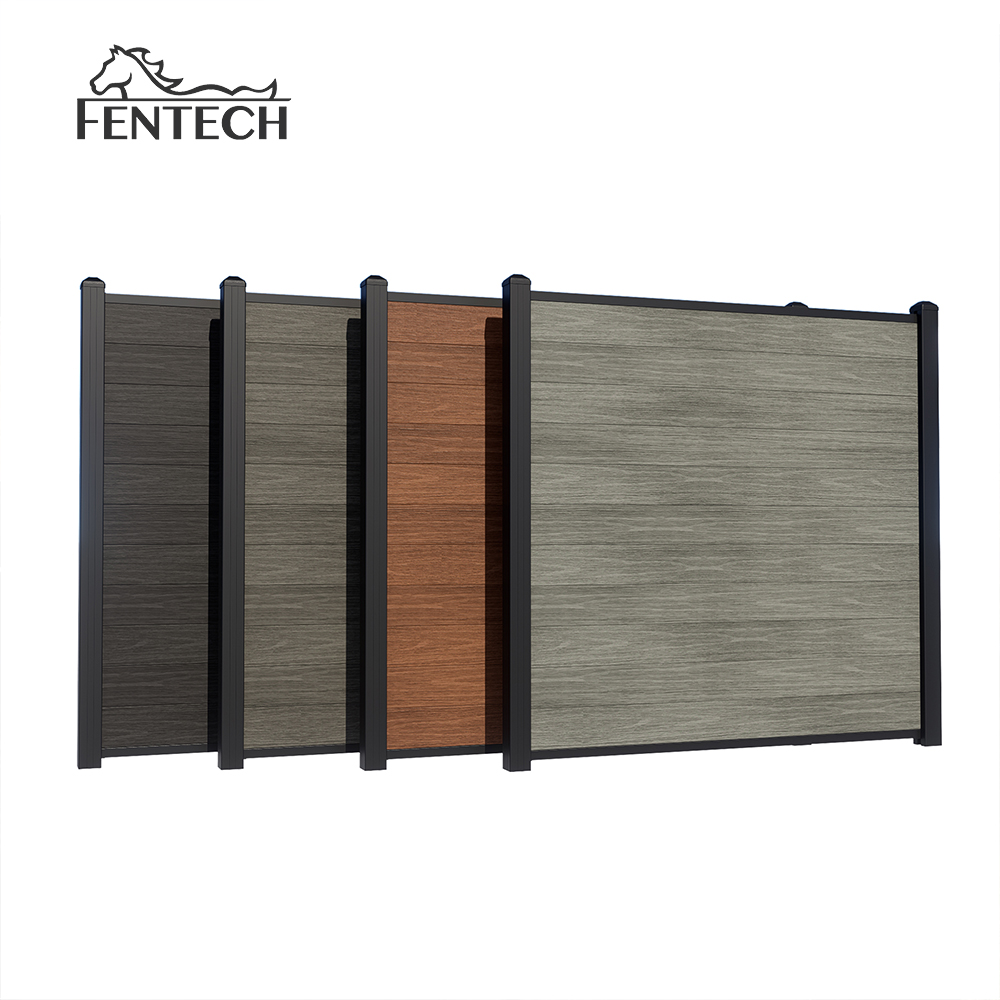
Even with the best care, there are signs that a vinyl fence needs more than a wash. Deep scratch lines that collect dirt, stress cracks near the bottom rail, and a chalky surface that no longer responds to cleaner all point to breakdown of the material. At this stage, replacing the affected section is usually cheaper than buying a whole new fence later. If you are matching an existing fence, choose a panel with a similar profile and color. If you are upgrading an old fence, consider a new flat-top vinyl privacy panel with sturdy 2x6 rail construction.
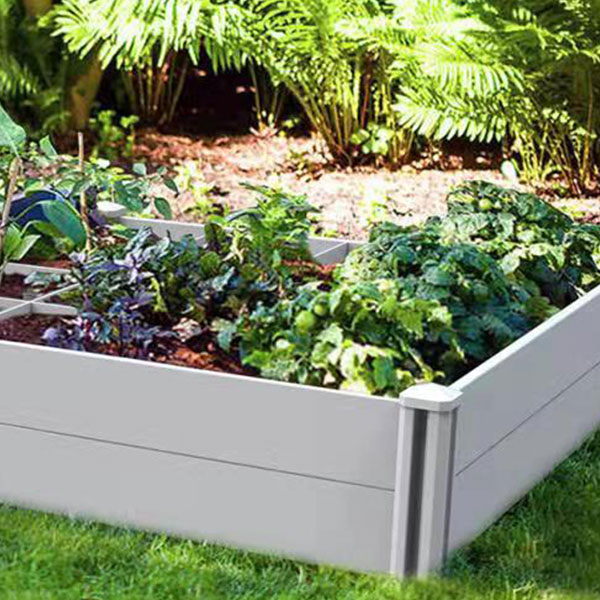
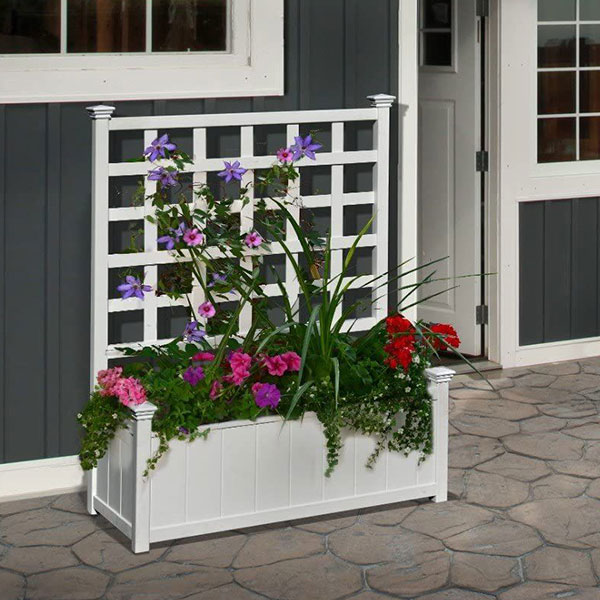
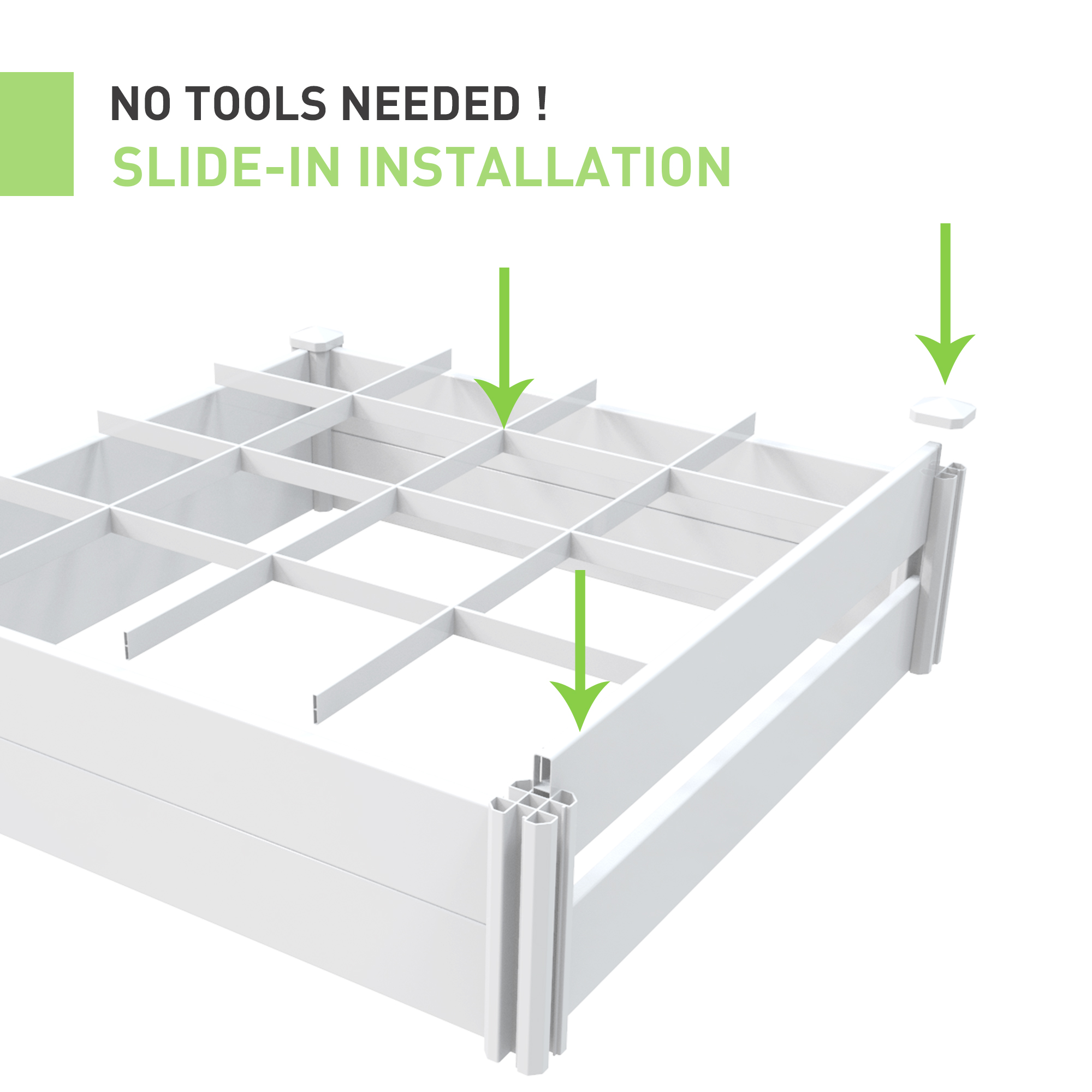 Fentech PVC Vinyl Raised Garden Bed with Grid DesignThis raised garden bed features eco-friendly PVC panels, quick tool-free assembly, and a grid layout to support diverse planting. Its open bottom prevents water buildup, making it a durable, low-maintenance option for growing vegetables, flowers, or herbs in outdoor spaces.View Product →
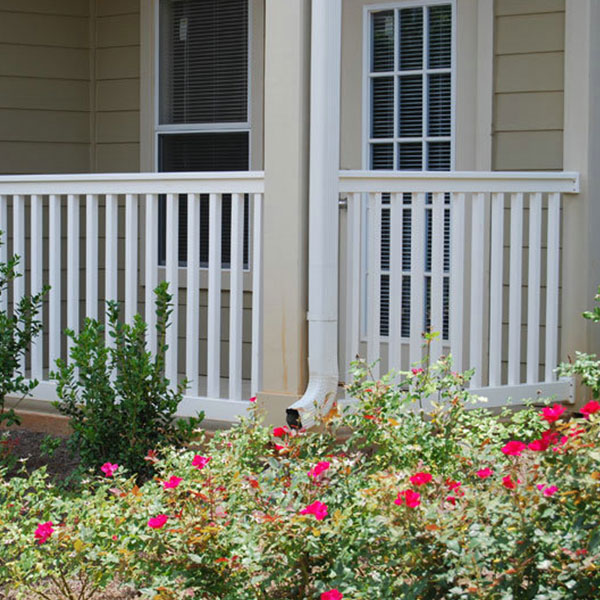
For a lighter, classic look, many homeowners replace an old wood picket fence with a vinyl picket fence. A well-made picket fence keeps the traditional white appearance, resists moisture, and cleans just as easily as a privacy panel. When the old fence is too weathered to restore, upgrading to a new picket panel can save you years of repeated scraping and painting.
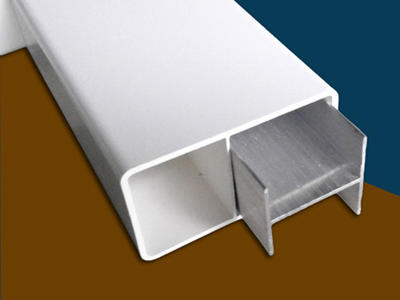 FT-P01 Vinyl Picket Fence Panel with Aluminum Reinforced RailsThis straight-style picket fence panel offers classic white vinyl construction with aluminum-reinforced bottom rails for added strength. Available in multiple heights, it provides a durable, moisture-resistant replacement for weathered wood fences, reducing future maintenance and painting needs.View Product →
Before you order replacement panels, verify the wall thickness and UV stabilizer content. Those two details determine how well the fence will hold its color and stay strong through sun, snow, and heavy rain.
To summarize, the best way to clean a vinyl fence is a simple one: pre-rinse, wash with a mild solution and a soft brush, then rinse at low pressure. Skip pressure washers set above 1,500 psi, keep chlorine bleach away from the surface, and treat new stains early. If a fence has too much damage to restore, replace it rather than keep scrubbing a failing material. A clean vinyl fence adds to the appearance of your property and saves you from a long weekend of maintenance.
If you are ready to upgrade or replace a tired fence, browse our vinyl privacy fence selection to find a panel that will stay cleaner for longer.
 No. 142 Xinxiqiao, Linan, Hangzhou City, Zhejiang Province, 311300, China
 0086-180 5608 2316
 sales@fentechfence.com