 WELCOME TO HANGZHOU FANTAI PLASTIC CO., LTD.
  0086-180 5608 2316
 sales@fentechfence.com
 English
  中文简体
中文简体

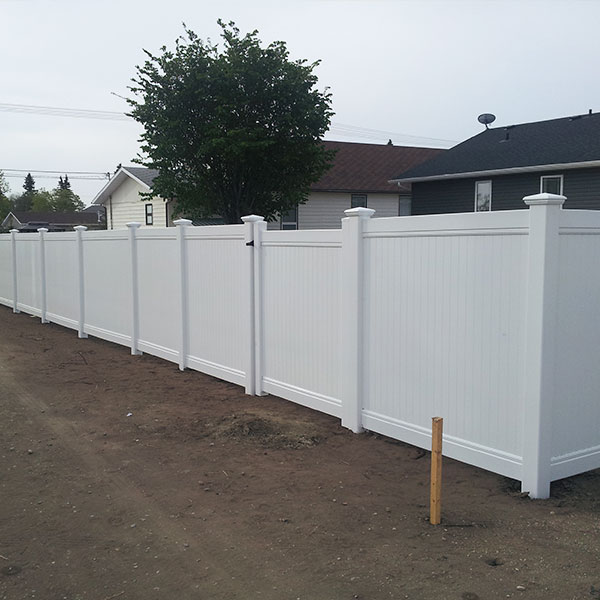
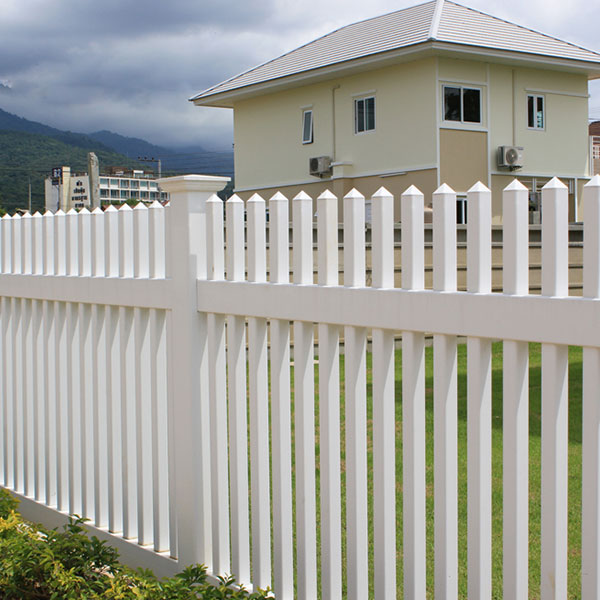
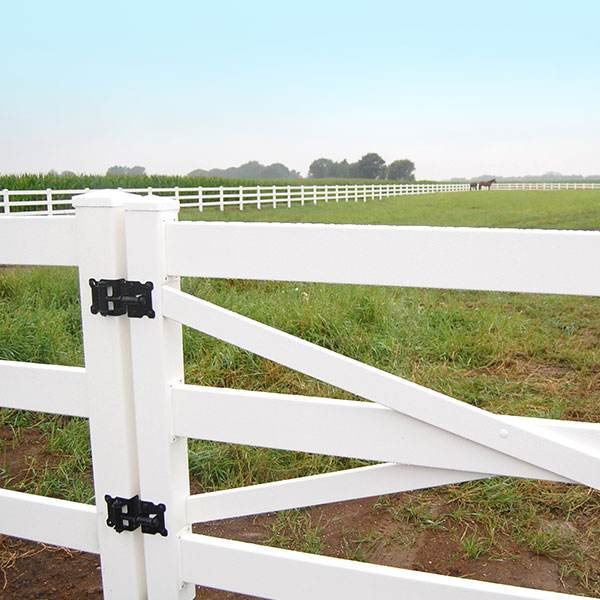


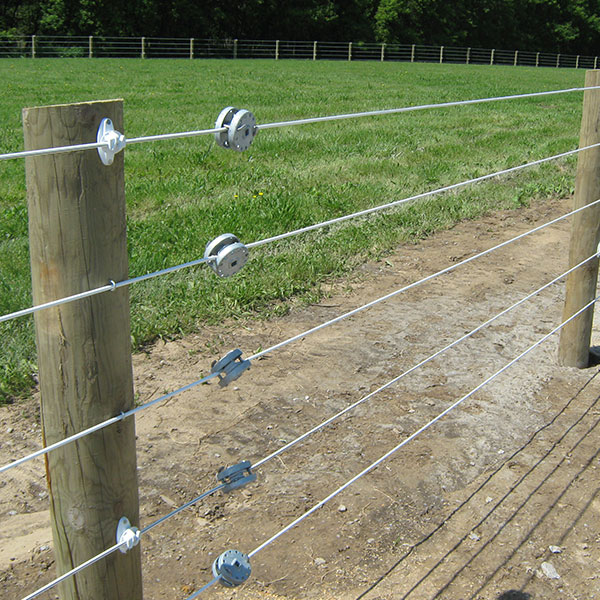



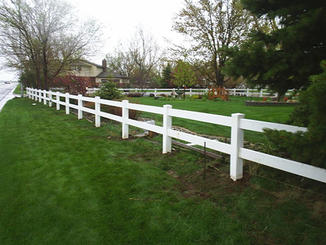
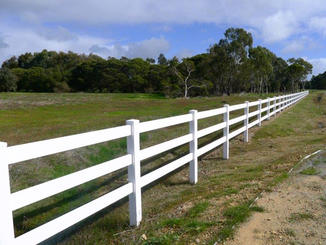
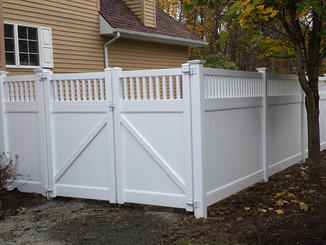
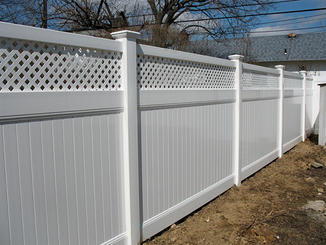
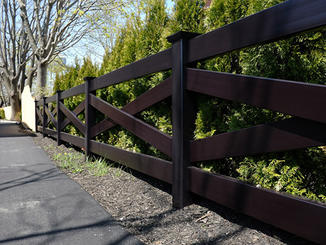



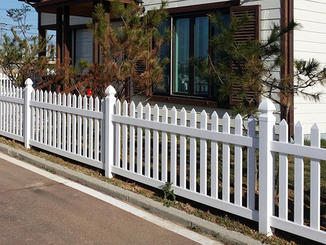

We are professional China Custom Vinyl Fence Manufacturers with fences virgin PVC/Vinyl material and UV Protected.
Content
What Is an Electric Fence?
Ask any rancher who switched from barbed wire to an electric fence system and you will hear one word repeated: efficiency. An electric fence is not a physical barrier in the traditional sense; it is a psychological one. Unlike wooden posts and woven wire that attempt to physically block an animal, an electric fence delivers a short, sharp but safe high-voltage pulse. That pulse creates a lasting memory in the animal, teaching it to avoid the fence line altogether. This mental conditioning turns a single strand of wire into a boundary as effective as a six‑foot wall, at a fraction of the cost and labor.
The key distinction is that an electric fence does not rely on strength or height to keep animals in or out. It relies on respect. Once an animal touches the energized wire and feels the uncomfortable but non‑lethal shock, it quickly learns to stay away. This is why industry professionals often call it a “mental barrier.” The design is inherently safe: the energizer releases a very brief pulse—typically less than 0.0003 seconds—followed by a pause of around one second. The total energy per pulse is far below what could cause injury, making electric fencing one of the safest containment methods when properly installed.
How Does an Electric Fence Work?
The circuit behind an electric fence is elegantly simple. The energizer—often called a charger—converts mains or battery power into a high‑voltage pulse. That pulse travels along the fence wire, which acts as the positive side of an open circuit. When an animal touches the wire, its body becomes the conductor that closes the circuit: current flows from the wire, through the animal’s skin and hooves, into the moist soil, and back to the energizer through one or more ground rods. The animal must be in contact with both the wire and the ground for a shock to occur.
This two‑point contact explains why an electric fence can be perfectly safe for wildlife and birds that land on the wire without touching the earth. It also explains why good grounding is critical to performance. A poorly grounded system cannot deliver a strong pulse, and the fence becomes little more than a decorative string. After a few encounters, most animals imprint the boundary into their behavior. They will approach but rarely touch the wire again, even weeks after the power is off. That learned avoidance is what makes an electric fence so effective for long‑term control.
Main Types of Electric Fence Wire
Choosing the right wire is as important as selecting the energizer. The wire type directly influences the fence’s conductivity, durability, visibility, and lifespan. Below is a comparison of the four most common categories encountered on farms, ranches, and home properties.
| Wire Type | Strength & Durability | Conductivity | Best Application |
|---|---|---|---|
| High‑tensile galvanized | Very high; minimal stretch | Excellent | Permanent perimeter fences; long runs |
| Low‑tensile “soft” wire | Moderate; easy to bend and splice | Good | Small paddocks, temporary grazing, repairs |
| PVC‑coated wire (white) | High (core steel) + corrosion‑resistant | Conductive core; outer layer insulates | Horses, visibility‑sensitive animals, high‑moisture areas |
| Poly‑wire / poly‑tape | Low strength; highly portable | Moderate to low | Strip grazing, beekeeping yards, temporary exclosures |
High‑Tensile vs. Low‑Tensile Wire
High‑tensile wire is the workhorse of permanent electric fencing. It can be tensioned to 200‑250 pounds without yielding, which means longer post spacings and fewer drooping issues over time. Because it stretches very little, a properly tensioned high‑tensile fence stays tight for decades. Low‑tensile or “soft” wire, on the other hand, is more forgiving during installation. It bends easily by hand and can be tied and spliced without heavy tools. This makes it ideal for rotational grazing setups where the fence line moves frequently. For any installation over 600 feet that is meant to last, high‑tensile wire almost always delivers better long‑term value.
Galvanized vs. Coated Wire
Galvanized steel wire provides a direct electrical path with minimal resistance, making it the most conductive practical option. It is also the most economical per foot. Its main drawback is lower visibility and a risk of surface rust in extremely wet climates over many seasons. PVC‑coated wire, particularly the white variant that has become a staple on modern horse farms, solves both issues. The coating provides a layer of corrosion protection and, crucially, a high‑contrast visual cue that horses and other flight‑prone animals can see clearly even in low light. As a manufacturer specializing in coated wire technologies, we have seen a growing demand for white electric fence wire where animal safety and sleek aesthetics matter just as much as containment. The coating does not eliminate the shock; the core steel wire still carries the pulse to the outer surface.
Common Applications of Electric Fences
Livestock and Agriculture
Electric fencing is the default standard for rotational grazing, boundary control, and predator exclusion across cattle, sheep, goat, and horse operations. A single strand can hold cattle once they are trained; two strands can manage horses; netted electric fencing can deter coyotes and stray dogs. Beyond simple containment, these systems improve pasture utilization by allowing rapid subdivision of large paddocks. How electric fence wire makes farms safer goes further into the reduction in animal injury and escape‑related stress that growers experience after switching.
Home Security and Pets
On the residential side, electric fences are no longer limited to underground pet containment. Above‑ground systems with thin posts and unobtrusive wire can secure garden perimeters against deer, keep dogs inside a yard without blocking the view, or add a first line of warning for remote rural properties. Because the system can be integrated with loud alarms or smart‑home triggers on a voltage drop, it serves double duty as a property security sensor.
How to Choose the Right Electric Fence Wire
Wire diameter is the first variable to understand. Every size increase in gauge reduces electrical resistance, which means more pulse energy reaches the end of a long fence line. For runs over half a mile, 12.5‑gauge high‑tensile wire is frequently specified. For smaller paddocks or temporary cross‑fencing, 16‑ or 17‑gauge may be sufficient and easier to handle. The next factor is the animal’s sensitivity and coat thickness. Sheep, with heavy wool, require a higher voltage and several contact strands; horses need visible barriers to prevent panic runs.
Power source also dictates wire selection. Solar‑powered energizers work best with low‑resistance, heavily galvanized wire because every watt saved on the wire is available for the pulse. In coastal or high‑humidity regions, a coated wire can prevent corrosion that silently increases resistance and weakens the shock over time. For a deeper look at matching your specific operation to the right material, see the ultimate guide to electric fence wire, which walks through a decision framework based on fence length, animal type, and budget.
Installation and Maintenance Basics
A properly installed electric fence failsafe starts underground. Three 6‑foot galvanized ground rods spaced 10 feet apart in moist soil provide the return path that makes a shock possible. Dry, sandy, or frozen ground demands additional rods or a ground‑return wire system. Above ground, wire must be tensioned to prevent sagging that invites shorts from vegetation. High‑tensile wire is pulled with a come‑along or ratchet tensioner; inline strainers let you take up slack later without cutting and splicing.
Monthly voltage checks at the farthest point from the energizer are the single best predictor of a fence staying effective. If voltage drops below 3,000 volts on a livestock line, walk the fence and look for grass contact, loose connections, or damaged insulators. A routine visual inspection after storms catches branches and debris early. In the long run, a tensioned, well‑grounded system requires far less work than mending broken wooden rails.
Conclusion
An electric fence converts a simple pulse of electricity into one of the most economical and adaptable management tools a farmer or homeowner can own. The difference between a system that just looks like a fence and one that transforms an operation often comes down to one decision: selecting the right wire. Whether you lean toward high‑tensile galvanized for a permanent boundary or premium coated wire for visibility and corrosion resistance, starting with purpose‑built material pays back every season.
Browse our electric fence collection to compare the specifications firsthand, and reach out to our engineering team with your fence layout. A quick conversation about your distance, animals, and terrain will give you a clear, no‑guesswork starting point.
 No. 142 Xinxiqiao, Linan, Hangzhou City, Zhejiang Province, 311300, China
 0086-180 5608 2316
 sales@fentechfence.com